
11 Best Divorce Books
The best divorce books, ranked by how many expert sources recommend each one, with notes on who they suit, from emotional recovery to parenting after a split.
Our take
Divorce books can help with very different needs: deciding whether to leave, recovering from loss, supporting children, or feeling less alone. Practical guides offer questions and exercises, while memoirs and novels provide recognition without promising a plan. The right book depends on where you are in the process and whether you want direct advice, a quieter reflection, or some humor alongside the difficult feelings.
Too Good to Leave, Too Bad to Stay addresses uncertainty before a decision. Getting Past Your Breakup offers structure for emotional recovery, while Conscious Uncoupling focuses on ending a relationship with greater care. Parents may prefer Parenting through Divorce or The Good Divorce, which put children and continuing family relationships closer to the center. For personal or literary company, try Split, Aftermath, or the novel Heartburn. Start with the need that feels most immediate, then add another perspective as your circumstances change.
11 books · 8 sources · Last updated
As an Amazon Associate, we earn from qualifying purchases (at no extra cost to you).
How to choose from this list
Skip to the full rankingIf you're unsure whether to leave: Too Good to Leave, Too Bad to Stay
If you want structure for emotional recovery: Getting Past Your Breakup → Conscious Uncoupling
If you want help thinking about your children: Parenting through Divorce → The Good Divorce
If you want memoirs about rebuilding: Split → How to Sleep Alone in a King-Size Bed
If you want literary reflection on separation: Aftermath
If you want humor and recognition: It's Called a Breakup Because It's Broken → Heartburn
The 11 books, ranked
Ranked by how many expert sources name each book. Ties go to the book more people recommend.

For readers who want a structured approach to ending a relationship with greater care. Thomas emphasizes emotional patterns and personal agency, though its cooperative ideal may fit poorly when there is coercion or little willingness to engage.
What it's about
Katherine Woodward Thomas offers a five-step approach to ending relationships with greater care and respect. The guide addresses difficult emotions, personal agency, recurring relationship patterns, and the process of creating a new life after separation.
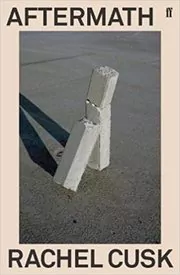
For readers who want a searching account of how separation unsettles identity, motherhood, and everyday life. Cusk offers more literary reflection than practical instruction, though her cool, uncompromising tone may feel distancing when reassurance is what you need.
What it's about
Cusk writes about the collapse of a marriage and the shock waves that follow for a woman, a mother, and a household. It is frank, sharp, and focused on what divorce does to identity as much as daily life.

Getting Past Your Breakup
How to Turn a Devastating Loss into the Best Thing That Ever Happened to You
For readers who want structured emotional recovery after a relationship ends. Elliott gives more practical exercises and routines than the memoirs here, though its emphasis on disengaging from an ex needs adaptation when shared parenting requires ongoing contact.
What it's about
Susan Elliott presents a practical approach to recovering after the end of a romantic relationship. Stories and strategies address disengaging from an ex, rebuilding confidence, processing loss, and redirecting attention toward a healthier independent life and future relationships.

For readers who want compassionate reflection on grief, love, and starting again beyond the details of divorce. Strayed’s letters offer emotional perspective, though the wide range of subjects provides less sustained attention to separation than dedicated guides.
What it's about
Cheryl Strayed gathers advice columns written under her Dear Sugar persona, responding to readers' questions about love and life. The collection combines personal reflection with direct guidance, exploring the difficulties, choices, and relationships that shape everyday experience.
Also recommended by
5 people Emma Watson recommended this book
Emma Watson
"I have devoured [this book]." - Emma Watson
Emma Watson's recommendation of this book  Ryan Holiday recommended this book
Ryan Holiday
"Contains some of the most cogent insights on life, pain, loss, love, success, youth that I have ever seen." - Ryan Holiday
Ryan Holiday's recommendation of this book  Kathryn Minshew recommended this book
Kathryn Minshew
Most Recommended Books reached out to Kathryn Minshew directly.
Kathryn Minshew's recommendation of this book  Shane Parrish recommended this book
Shane Parrish
"Ran me through the range of emotions from happy to crying." - Shane Parrish
Shane Parrish's recommendation of this book  Mark Manson recommended this book
Mark Manson
"Drags the reader back through the mud she lived through, reminding them that they are not alone and that yes, they will be all right." - Mark Manson
Mark Manson's recommendation of this book

For readers who respond to blunt encouragement and humor after a breakup. Greg Behrendt and Amiira Ruotola-Behrendt make accepting the ending feel less solitary, though the gendered framing and dating focus offer less help with divorce logistics.
What it's about
Greg Behrendt and Amiira Ruotola-Behrendt combine humor and practical advice for recovering from a breakup. They address contacting an ex, coping with painful emotions, and rebuilding daily life, encouraging readers to accept the relationship's end and move forward.
Also recommended by
1 person Dita Von Teese recommended this book
Dita Von Teese
"I often give [this book] to friends going through a tough breakup. It’s a humorous, clever book with great advice on how to maintain one’s dignity during a split." - Dita Von Teese
Dita Von Teese's recommendation of this book

Heartburn
For readers who want wit and fiction as company during betrayal or marital collapse. Ephron offers comic recognition rather than a recovery program, though the sharp humor and particular perspective may not match every reader’s circumstances.
What it's about
Seven months pregnant, cookbook writer Rachel Samstat discovers that her husband loves another woman. Recipes punctuate her account of betrayal as she veers between wanting him back and seeking revenge in this comic novel of marital collapse.

For readers rebuilding everyday life as a single parent. Nestor combines practical pressures with reflection on family patterns, though this is one person’s memoir rather than a guide to custody, finances, or the full range of parenting situations.
What it's about
After confronting her husband’s gambling losses, Theo Pauline Nestor begins rebuilding her life as a single mother. Her memoir follows parenting, work, renewed romance, and an investigation into her own family’s history of divorce, mixing humor with reflection on loss.

Parenting through Divorce
Helping Your Children Thrive During and After the Split
For parents who want to understand children’s reactions and avoid putting them in the middle. Reynolds offers a more child-centered focus than the adult recovery books, though general guidance still needs adapting to each child and family’s circumstances.
What it's about
Lisa René Reynolds explains the emotions and reactions children may experience during separation and divorce. Practical guidance addresses common parenting mistakes and the differing needs of age groups, helping parents think through how to maintain supportive relationships during family changes.

For readers who want candid companionship through the anger and grief of an unwanted split. Finnamore’s sharp humor gives the experience a personal voice, though her memoir follows one marriage rather than offering a systematic guide.
What it's about
Suzanne Finnamore recounts the collapse of her marriage after overlooking signs of her husband’s affair while raising their son. Her memoir blends anger, grief, and sharp humor as she confronts abandonment and the changes brought by divorce.
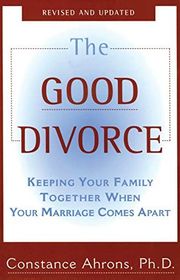
The Good Divorce
For parents who want to think about preserving family relationships across two households. Ahrons emphasizes continuing family ties rather than treating divorce as a single event, though the older research and cooperative framework do not fit every separation.
What it's about
Ahrons explores how couples can end a marriage while continuing to function as a family for their children. Drawing on interviews and research, she examines relationships between former spouses, parenting across households, and changing family roles.

Too Good to Leave, Too Bad to Stay
A Step-by-Step Guide to Help You Decide Whether to Stay In or Get Out of Your Relationship
For readers who are still unsure whether to leave a relationship. Kirshenbaum offers focused questions instead of a general recovery plan, though a book cannot weigh every circumstance or make a deeply personal decision for you.
What it's about
Mira Kirshenbaum guides readers through evaluating whether to remain in an uncertain relationship or leave. Questions and case histories examine communication, power, trust, respect, intimacy, and love, offering a structured way to understand relationship ambivalence and clarify a decision.
Sources
- 1
23 of the Best Divorce Books for Healing, Support, and Guidance
bookriot.com
- 2
24 Best Divorce Books to Support You
oprahdaily.com
- 3
15 Best Books About Separation & Divorce
choosingtherapy.com
- 4
Suggested Reading & Listening
kansasfamilylaw.com
- 5
12 Books To Read That'll Make Your Divorce A Little Bit Easier
bustle.com
- 6
Divorce Books
goodreads.com
- 7
Life After Divorce: 5 Books to Help You Heal and Rebuild
booktrib.com
- 8
Book Recommendations for getting through Divorce
reddit.com







Edited by
Software engineer whose passion for tracking book recommendations from podcasts inspired the creation of MRB.
Lead investor at 3one4 Capital whose startup expertise and love for books helped shape MRB and its growth.
Comments
Did we miss something? Have feedback?
Help us improve this page by sharing your thoughts