
13 Best Ballet Books
The best ballet books, ranked by expert source recommendation counts, with notes for students, dancers, history readers, and fans of memoir or fiction.
Our take
Ballet books can help you understand the vocabulary of a class, look more closely at a performance, or explore the lives and institutions behind the stage. Those are different kinds of reading. A technique reference supports lessons, while memoirs reveal particular experiences and histories connect artistic choices with the wider world. The fiction here uses ballet to examine ambition, family, and identity.
The Ballet Companion offers a broad introduction for students, and Technical Manual and Dictionary of Classical Ballet provides focused reference. Apollo's Angels traces the art form across countries and centuries, while Bolshoi Confidential examines one institution’s relationship with political power. For a closer personal view, A Body of Work explores the pressures of a professional career and Winter Season follows everyday company life. Raising the Barre speaks to the experience of returning as an adult.
Start with the aspect of ballet that draws you in, then choose a practical companion, a personal account, or a longer historical study.
13 books · 10 sources · Last updated
As an Amazon Associate, we earn from qualifying purchases (at no extra cost to you).
How to choose from this list
Skip to the full rankingIf you're beginning or returning to class: The Ballet Companion → Technical Manual and Dictionary of Classical Ballet
If you study the Vaganova tradition: Basic Principles of Classical Ballet
If you want a broad history: Apollo's Angels → Mr. B
If you're interested in institutions and politics: Bolshoi Confidential
If you want a dancer's perspective: Life in Motion → A Body of Work → Winter Season
If you want a fictional stage story: Ballet Shoes → Astonish Me
The 13 books, ranked
Ranked by how many expert sources name each book. Ties go to the book more people recommend.

For readers who want literary fiction about artistic ambition and the lives around a dance career. Its family focus makes ballet’s influence extend beyond the stage, though shifting perspectives and secrets matter more than detailed technical description.
What it's about
Former ballerina Joan settles into suburban family life after an affair with a Soviet star and involvement in his defection. When her son reveals extraordinary dance talent, she is drawn back toward the artistic world and secrets she left behind.

For readers curious about daily life within a major ballet company rather than only its stars. Its journal form captures the emotional texture of one season, though the close personal viewpoint offers less historical context than a broader institutional study.
What it's about
Toni Bentley records a winter season with New York City Ballet as a young dancer confronting uncertainty about her career. Her journal explores rehearsals, performances, discipline, and emotional life within a company shaped by George Balanchine.

For readers who want a substantial history of ballet across countries and eras. Its connection between technique, institutions, and culture gives individual performances wider context, though its length and interpretive argument require more commitment than a concise overview.
What it's about
Jennifer Homans traces ballet from Renaissance courts and Louis XIV's France through its development across Europe and transformation in the twentieth century. The history connects dancers, choreography, and institutions with the cultural worlds that shaped them.

Dancing on My Grave
For adult readers who want an unvarnished account of the costs of professional ballet. Its intensity challenges the polished public image of performance, though addiction and distress make it a difficult memoir rather than a celebratory introduction.
What it's about
Gelsey Kirkland recounts her career with George Balanchine and her partnership with Mikhail Baryshnikov. Written with Greg Lawrence, the autobiography examines ballet's demands, her descent into drug addiction, and her struggle to rebuild her life.

For readers interested in the pressures behind an international ballet career. Its attention to ambition, injury, and recovery gives the professional experience personal depth, though the sustained focus on perfectionism and physical setbacks makes it an emotionally demanding memoir.
What it's about
David Hallberg recounts his path from a bullied childhood to leading roles with American Ballet Theatre and the Bolshoi Ballet. His memoir explores artistic ambition, perfectionism, isolation, and the physical and emotional consequences of a devastating ankle injury.

Bolshoi Confidential
Secrets of the Russian Ballet from the Rule of the Tsars to Today
For readers who want ballet’s institutional history connected to Russian political power. Its long perspective places artistic life within changing regimes, though the many names and organizational conflicts demand more attention than a straightforward dancer’s memoir.
What it's about
Simon Morrison traces the Bolshoi Ballet's history through imperial Russia, revolution, Soviet rule, and contemporary institutional struggles. Beginning with the 2013 acid attack on its artistic director, he examines the connections between artistic performance and political power.

For readers interested in access, identity, and persistence within a demanding artistic institution. Its personal perspective makes barriers in ballet concrete, though the memoir follows one career rather than offering a complete account of the profession or its history.
What it's about
Misty Copeland recounts beginning ballet at thirteen and pursuing a professional career amid poverty, family conflict, and racial barriers. Her memoir follows the contrast between a turbulent home life and the discipline she found in dance.
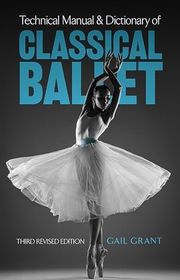
Technical Manual and Dictionary of Classical Ballet
For students who want a compact reference for ballet terminology and movement descriptions. Its alphabetical organization makes consultation straightforward, though written explanations and diagrams need to be interpreted alongside a teacher and the conventions of a particular training system.
What it's about
Gail Grant defines classical ballet terms and explains positions, steps, and movement sequences with illustrations. The reference also compares terminology across training traditions, giving students and teachers a way to clarify the language used in ballet classes.

Ballet Shoes
For younger readers and adults who enjoy a story about training, family, and finding talents. Its theatrical setting gives artistic ambition a practical context, though the period manners and wider stage focus make it different from a contemporary ballet novel.
What it's about
Orphans Pauline, Petrova, and Posy train for the stage to help support their adoptive family. As acting and dancing open opportunities, each girl must discover her particular talents and decide what kind of future she wants.
Also recommended by
1 person J.K. Rowling recommended this book
J.K. Rowling
"I still reread [this book]." - J.K. Rowling
J.K. Rowling's recommendation of this book
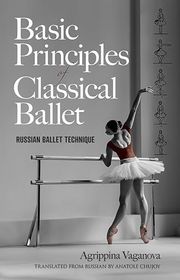
Basic Principles of Classical Ballet
For students and teachers seeking a foundational account of the Vaganova approach. Its systematic treatment connects positions and movements within a coherent tradition, though the technical vocabulary and historical teaching assumptions make guided study more useful than isolated reading.
What it's about
Agrippina Vaganova explains the principles and progression of classical ballet technique within the Russian training tradition. Illustrations accompany descriptions of positions, coordination, and movements, presenting the framework associated with the teaching method that bears her name.
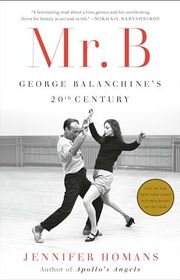
Mr. B
For readers who want a detailed biography connecting Balanchine’s work with the upheavals of the twentieth century. Its research gives artistic choices extensive context, though the book’s scale and difficult personal material make it a substantial commitment.
What it's about
Jennifer Homans traces George Balanchine’s life from imperial Russia through emigration and the creation of a major American ballet institution. The biography connects his choreography and relationships with the political, cultural, and personal changes surrounding his work.

Raising the Barre
Big Dreams, False Starts, and My Midlife Quest to Dance the Nutcracker
For adult beginners or returning dancers who want a relatable account of ambitious practice. Its midlife perspective makes uncertainty and motivation central, though the memoir provides companionship and reflection rather than a technical program to follow.
What it's about
Lauren Kessler returns to ballet in midlife with the goal of dancing in The Nutcracker. Her memoir follows the training, doubts, and physical demands of reviving a childhood ambition while reconsidering her limits and expectations.
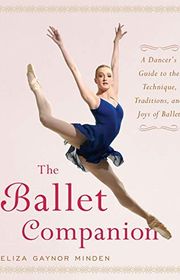
The Ballet Companion
For beginning or returning students who want technique, etiquette, history, and studio life in one accessible book. Its broad illustrated coverage helps orient a learner, though it supports supervised classes rather than replacing individual correction or progressive training.
What it's about
Eliza Gaynor Minden introduces ballet through illustrated technique explanations, studio advice, history, and performance traditions. Photographs and practical discussions address the experience of learning dance, from understanding class structure and terminology to preparing for the stage.
Sources
- 1
Top 10 books about ballet | Ballet | The Guardian
theguardian.com
- 2
10 Must-Read Books About Ballet - BOOKGLOW
bookglow.net
- 3
Best Ballet Books to Awaken Your Inner Ballerina
oprahdaily.com
- 4
100 Best Ballet Books of All Time (Updated for 2026)
shortform.com
- 5
Ballet Books
goodreads.com
- 6
Home | Immortal Icons of Dance
immortaliconsofdance.com
- 7
Recommendations on ballet books? : r/bunheadsnark
reddit.com
- 8
A Curated Selection Of The Best Ballet Books In 2026
balletherald.com
- 9
History of ballet recommendations : r/bunheadsnark
reddit.com
- 10
3 Books Every Adult Ballet Dancer Should Read - Wonder of Ballet
wonderofballet.com








Edited by
Software engineer whose passion for tracking book recommendations from podcasts inspired the creation of MRB.
Lead investor at 3one4 Capital whose startup expertise and love for books helped shape MRB and its growth.
Comments
Spotted a missing book, a wrong order or a mistake? Tell us and we'll fix this page.
We're a reading guide, not the author or publisher, so we can't send books or pass on messages.