
32 Best Baby Books
The best baby books, ranked by how many expert sources recommend each one, with notes on bedtime reads, playful rhymes, interactive books, and who each suits.
Our take
Books for babies work in different ways. Some give a caregiver a rhythm to repeat, some invite pointing and making sounds, and others turn page-turning into a small game. A newborn may enjoy your voice and a few simple pictures, while an older baby may want to reach for flaps or return to a familiar joke. The same book can be used differently as attention and interests change.
For a quiet bedtime read, Goodnight Moon and Time for Bed keep a gentle pace. Moo Baa La La La and Mr. Brown Can Moo! Can You? invite a livelier performance. Where's Spot? and Dear Zoo add hidden pictures, while Look, Look! offers simpler black-and-white images. Longer stories such as Little Blue Truck leave more to grow into. Choose a format your baby can explore with you, and start with a short book you enjoy repeating rather than expecting every page to hold their attention.
32 books · 8 sources · Last updated
As an Amazon Associate, we earn from qualifying purchases (at no extra cost to you).
How to choose from this list
Skip to the full rankingIf you want a quiet bedtime read: Goodnight Moon → Time for Bed
If you want simple contrast pictures: Look, Look!
If your baby enjoys animal sounds: Moo Baa La La La → Mr. Brown Can Moo! Can You?
If your baby likes peekaboo: Where's Spot? → Dear Zoo
If you want an affectionate bilingual read: Besos for Baby
If you want a longer story to grow into: The Very Hungry Caterpillar → Little Blue Truck
The 32 books, ranked
Ranked by how many expert sources name each book. Ties go to the book more people recommend.
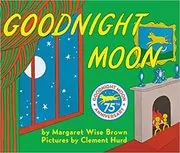
Goodnight Moon
For caregivers who want a quiet, repeatable bedtime read. The gradual goodnights and visual details invite a slower pace than the noisy animal books, though its understated action may not hold an energetic toddler’s attention.
What it's about
A little bunny prepares for sleep in a green room, saying goodnight to the moon and the objects around him. Repetition, rhyme, and gradually quieting surroundings turn familiar bedtime details into a calm ritual of noticing and farewell.
Also recommended by
3 people Arianna Huffington recommended this book
Arianna Huffington
"We need an adult version of [this book]!" - Arianna Huffington
Arianna Huffington's recommendation of this book  Hillary Clinton recommended this book
Hillary Clinton
"I started reading to Chelsea with [this book] and all the favorites which led her to make her own reading choices." - Hillary Clinton
Hillary Clinton's recommendation of this book  Krista Tippett recommended this book
Krista Tippett
Krista Tippett mentioned this book on "The Tim Ferriss Show" podcast.
Krista Tippett's recommendation of this book

Guess How Much I Love You
For caregivers seeking an affectionate bedtime exchange rather than a busy adventure. The playful comparisons invite cuddles and gestures, though its abstract measurements of love mean more to adults and older children than newborns.
What it's about
Two nutbrown hares look for ways to show the size of their love, turning a familiar question into a playful exchange. Sam McBratney's bedtime story, illustrated by Anita Jeram, celebrates affection through a tender parent-and-child conversation.
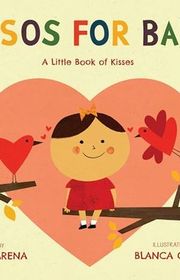
Besos for Baby
For families who want a short, affectionate introduction to a few Spanish words within an English read-aloud. The repeating kisses make it easy to share, though it is a playful bilingual taste rather than a language lesson.
What it's about
Jen Arena’s rhythmic board book follows a baby receiving kisses from family members and animals. Blanca Gómez’s illustrations accompany a simple mixture of English and Spanish words, creating an affectionate read-aloud about everyday love.

Brown Bear, Brown Bear, What Do You See?
For babies who respond to a predictable chant and bold animals. The repeated question makes participation easier than a more detailed story, though adults looking for plot variety will find the pattern deliberately repetitive.
What it's about
A procession of brightly colored animals appears through a repeating question about what each one sees. Bill Martin Jr.'s rhythmic text and Eric Carle's collages introduce young readers to animal names, colors, and the pleasures of repetition.

Chicka Chicka Boom Boom
For babies who enjoy a strongly rhythmic read-aloud that can grow with them. The alphabet adventure has more comic momentum than a naming book, though actual letter recognition is a later use rather than the main infant appeal.
What it's about
The letters of the alphabet challenge one another to climb a coconut tree. As more and more join the race, the crowded tree sets the stage for trouble. Rhyming text and bold illustrations turn letter recognition into a playful adventure.

Goodnight, Goodnight Construction Site
Goodnight Goodnight Construction Site, Book 1
For vehicle-loving older babies who enjoy a bedtime transition built around familiar machines. The repeated wind-down gives it a clearer sleep theme than an action story, though its length exceeds the briefest bedtime rhymes.
What it's about
As evening settles over the construction site, five hardworking trucks finish their tasks and prepare for sleep. Rhyming text follows Crane Truck, Cement Mixer, Dump Truck, Bulldozer, and Excavator through their nightly wind-down.

Moo Baa La La La
For babies who enjoy copied sounds and a quick comic surprise. Its brief chant is easier to repeat than the longer animal stories, though there is little narrative beyond the sound game.
What it's about
A classic animal-sounds book that invites kids to “correct” the silly wrong noises. The rhythm is simple and memorable, and the pages are built for chanting. A go-to first Boynton book for babies and toddlers.
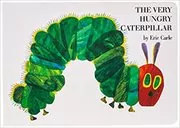
For babies growing into pointing, counting, and naming food. The cutout pages and clear progression offer more to revisit than a single-concept book, though the full story may be long for a very young infant.
What it's about
A tiny caterpillar hatches hungry and eats his way through the week, learning about counting, days, and food. After a big meal and a rest in a cocoon, he becomes a butterfly.
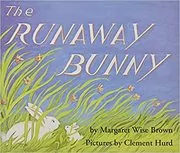
The Runaway Bunny
For caregivers looking for a reassuring story about separation and affection. The imaginative exchanges offer more narrative depth than the simplest baby books, though the longer text and picture sequences often suit older babies better.
What it's about
A little bunny imagines running away by becoming a fish, a bird, or other things beyond his mother's reach. She answers each plan with a way to follow him, exploring independence through a reassuring game of imagined transformations.
Also recommended by
1 person- Hillary Clinton recommended this book
Hillary Clinton
"I started reading to Chelsea with [this book] and all the favorites which led her to make her own reading choices." - Hillary Clinton
Hillary Clinton's recommendation of this book

For older babies beginning to notice contrasting feelings. The paired situations make emotional vocabulary more concrete than an abstract explanation, though the deliberately simple opposites leave little room for a longer story.
What it's about
An ice cream cone, a lost balloon, and other tiny highs and lows help Baby act out two big feelings. It is a simple, cheerful look at how quickly a toddler's day can swing from happy to sad.

Clip-Clop
For caregivers who like bouncing rhythms and an escalating group joke. The repeated requests make it easier to perform aloud than a descriptive picture book, though the lively pace is better suited to playtime than winding down.
What it's about
Cat, Dog, Pig, and Duck climb onto Mr. Horse for a ride. As the barnyard friends ask him to go faster and faster, their outing becomes increasingly exciting. Rhythmic text and illustrations follow the friends' escalating requests.

Dear Zoo
For babies who enjoy guessing and opening flaps. The repeated pet search gives each reveal a clearer pattern than a general animal book, though enthusiastic hands can damage the moving parts.
What it's about
A request for a pet brings a series of surprising animals from the zoo. Young readers lift flaps to discover arrivals including a monkey, lion, and elephant as the search continues for an animal that will be just right.

Everywhere Babies
For families who want everyday baby experiences reflected on the page. The varied households and lively scenes give caregivers more to point out than a basic naming book, though the busy illustrations reward slower shared looking.
What it's about
Susan Meyers celebrates babies and the families who care for them through rhyming text and Marla Frazee's illustrations. Scenes of feeding, dressing, rocking, playing, crawling, and sleeping follow the familiar activities and small discoveries of early life.

Giraffes Can't Dance
For families looking for a rhyming story about confidence as a baby grows into toddlerhood. The expressive animal scenes offer more narrative than the earliest board books, though its length and social message suit older listeners better.
What it's about
Gerald wants to join the Jungle Dance, but his awkward movements draw ridicule from the other animals. A cricket encourages him to listen for different music, opening a new way to approach dancing and his own abilities.

For babies who mouth, bend, and handle books enthusiastically. The washable, flexible format is more forgiving than flaps or conventional paper, though its simple pictures offer less story for adults to read aloud.
What it's about
Illustrated baby faces introduce moods and experiences such as happiness, sadness, and hunger. Created by Amy Pixton with art by Kate Merritt, this short book uses bright pictures and simple text in a washable format made for babies to handle.

Look, Look!
For caregivers seeking simple pictures with strong black-and-white contrast. The uncluttered cut-paper shapes are easier to explore one at a time than busy story spreads, though the minimal text offers little plot as children grow.
What it's about
Peter Linenthal presents familiar sights through black-and-white cut-paper illustrations with strong visual contrasts. Brief red text describes children running, fish swimming, flowers blooming, and other scenes in a board book intended for babies beginning to explore pictures.
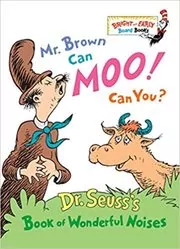
Mr. Brown Can Moo! Can You?
For babies who enjoy a caregiver making exaggerated noises. The range of everyday and animal sounds offers more vocal variety than a basic animal chant, though the playful language is livelier than a soothing bedtime read.
What it's about
Mr. Brown makes sounds that kids can copy, from animal noises to everyday clanks and pops. The book dares readers to moo, buzz, and whisper along, turning reading time into a loud, giggly sound-effect show.

Peek-a Who?
For babies who enjoy a quick guessing game. The cutout glimpses and short rhymes create faster reveals than a full flap story, though its small number of surprises means adults will repeat the same pattern often.
What it's about
Nina Laden turns peekaboo into a guessing game with rhyming text and cutout windows. Readers glimpse part of an illustration, predict what is hidden, and turn the page to reveal animals and other surprises in a colorful board book.
Ten Little Fingers and Ten Little Toes
For caregivers who want a rhythmic celebration of babies from different places. The repeating refrain invites pointing and affectionate play, though the full sequence is longer than the shortest first board books.
What it's about
Mem Fox’s rhyming text introduces babies born in different places and circumstances, linking their experiences through a repeated refrain. Helen Oxenbury’s illustrations portray the children and their families in a gentle celebration of early life.

The Going to Bed Book
For families who want a short, rhythmic bedtime routine with some silliness. The compact sequence is easier to reread than a longer sleep story, though the energetic final activity is playful rather than soothing.
What it's about
A boat full of animal friends runs through a silly bedtime routine: bath, pajamas, and brushing teeth. Just when the lights go out, they do one last surprising activity that makes grown-ups laugh and kids ask for a reread.

Where Is Baby's Belly Button?
For babies who enjoy peekaboo and naming body parts. The question-and-reveal format makes shared reading more interactive than a straight bedtime story, though the paper flaps need gentler handling than solid board pages.
What it's about
Babies invite young readers to search for their hands, eyes, belly buttons, and other body parts. Liftable flaps reveal what is hidden beneath hats, bubbles, and other coverings, combining a peekaboo game with simple naming and discovery.

Where's Spot?
For babies who like searching familiar household hiding places. The simple question-and-flap pattern gives adults an easy way to invite participation, though the movable pieces need more careful handling than a plain board book.
What it's about
Spot has not come to eat his dinner, and his mother Sally searches the house for him. Readers lift flaps and discover unexpected animals behind doors and other hiding places as they help look for the missing puppy.

"More More More," Said the Baby
For caregivers who want affectionate play reflected across different families. The three small episodes offer more varied relationships than a single parent-and-child bedtime exchange, though the lively pictures and text invite an animated reading.
What it's about
Little Guy, Little Pumpkin, and Little Bird enjoy the affection of the grownups who love them. Vera Williams combines illustrations and repeating phrases in three short stories celebrating babies, playful closeness, and the care shared across generations.

For caregivers who want a small set of everyday signs to practice together. The focused illustrations are more convenient than a comprehensive manual, though the limited vocabulary is only an introduction rather than a complete sign-language resource.
What it's about
Joy Allen introduces thirteen basic signs intended to help babies communicate before they can speak. Illustrations pair gestures with everyday needs and feelings, giving caregivers and children a way to practice signs for hunger, help, and being finished.

First 100 Words
For caregivers who want pictures to name and discuss at the child’s pace. Its photographic range is broader than a short story’s vocabulary, though the crowded spreads offer little narrative or rhythmic read-aloud structure.
What it's about
Roger Priddy pairs one hundred simple words with color photographs in a board book for early vocabulary learning. The pictures invite children and caregivers to look, name, and talk together while connecting familiar words with visible objects.

Go, Dog. Go!
For children growing toward early word recognition who enjoy busy dogs and vehicles. The repeated vocabulary offers more to revisit than a single-concept board book, though the full version is long for infant reading sessions.
What it's about
Dogs of different kinds travel by bicycle, scooter, skis, and other vehicles in this illustrated book for beginning readers. Simple vocabulary follows their busy activities as they head toward an unusual gathering high in a tree.

Good Night, Gorilla
For caregivers who enjoy telling a story through pictures. The near-wordless animal mischief gives adults more freedom than a fixed rhyme, though babies need help noticing the small visual clues that make the joke work.
What it's about
It is bedtime at the zoo, but a mischievous gorilla with a set of keys has other ideas. Peggy Rathmann's illustrations invite readers to follow him and his animal companions as a routine round of goodnights becomes an unexpected adventure.

Jamberry
For caregivers who enjoy performing lively nonsense rhymes. The musical wordplay gives shared reading more momentum than a vocabulary book, though the detailed fantasy scenes and invented language may mean more to older babies and toddlers.
What it's about
A small boy and a friendly bear journey through an imaginary world filled with berries. Bruce Degen's rhyming wordplay and detailed illustrations turn their berry-picking adventure into a celebration of fruit, jam, and the fun of playful language.

For older babies who enjoy animal sounds and vehicles. The rhythmic teamwork story offers more action than a quiet bedtime book, though the longer sequence can outlast a young infant’s interest.
What it's about
Friendly Little Blue Truck greets every animal he meets on the country road. When a rude dump truck gets stuck in the mud, Blue tries to help, and the whole farm learns something about kindness and teamwork.

Llama Llama Red Pajama
For toddlers and older babies who respond to expressive bedtime feelings. The rising-and-falling rhyme gives separation worries more drama than a quiet goodnight book, though the anxious middle is less calming than the gentlest bedtime choices.
What it's about
Baby Llama becomes anxious after his mother tucks him in and leaves to do chores. As he waits for her return, his worries grow louder. Rhyming text and illustrations explore bedtime fears and the difficulties of being apart.

Time for Bed
For caregivers who want a gentle animal-themed bedtime rhythm. The repeated invitation to sleep offers a more consistently quiet mood than the comic bedtime books, though the deliberately similar verses provide little narrative surprise.
What it's about
As darkness falls, little ones grow sleepy and prepare for bed. Mem Fox's rhythmic verses and Jane Dyer's illustrations present a gentle sequence of nighttime scenes, creating a book for children and caregivers to share at bedtime.

The Napping House
For older babies and toddlers who enjoy a story building through repetition. The accumulating sleepers give listeners more to anticipate than a simple goodnight sequence, though its detailed pictures and final commotion favor engaged storytime over quiet settling.
What it's about
A grandmother, a child, and sleepy animals gather one by one on a cozy bed. Audrey Wood's cumulative story builds a growing pile of sleepers, until a tiny wakeful visitor threatens the household's peaceful nap.
Sources
- 1
Best books for babies 0-12 months
booktrust.org.uk
- 2
Best Baby Books
commonsensemedia.org
- 3
Top 25 Baby Books for Your Baby’s First Year (Must-Haves!)
gentlenursery.com
- 4
Best Books for a Baby’s First Year
happiestbaby.com
- 5
Baby Books
goodreads.com
- 6
What’s your favorite children’s book to give (primarily for a baby shower)?
reddit.com
- 7
The Best Baby Books to Bring to a Baby Shower
barnesandnoble.com
- 8
Books for infants
reddit.com


Edited by
Software engineer whose passion for tracking book recommendations from podcasts inspired the creation of MRB.
Lead investor at 3one4 Capital whose startup expertise and love for books helped shape MRB and its growth.
Comments
Did we miss something? Have feedback?
Help us improve this page by sharing your thoughts