
9 Best Anthony Burgess Books
Explore the best Anthony Burgess books, ranked by expert sources, with notes for newcomers, fans of dark comedy, and readers who enjoy literary experiments.
Our take
Anthony Burgess wrote far beyond the dystopian world of his best-known novel. His fiction includes comic portraits of artists, historical reimaginings, espionage, and a long view of twentieth-century life. Language is often part of the action, whether he is inventing slang, evoking an earlier period, or shaping a narrative around musical ideas.
A Clockwork Orange offers a short, forceful encounter with his interest in freedom and control, though its violence and vocabulary make it a distinctive starting point. Inside Mr Enderby and The Doctor Is Sick show more of his comic manner. Readers drawn to a larger canvas can choose Earthly Powers, while Nothing Like the Sun and A Dead Man in Deptford approach literary history through imagined lives. Napoleon Symphony is better suited to those ready for a formal experiment. Start with the subject and style that appeal to you, then follow Burgess into a different kind of novel.
9 books · 8 sources · Last updated
As an Amazon Associate, we earn from qualifying purchases (at no extra cost to you).
Reading Anthony Burgess in order? See all Anthony Burgess books in order
How to choose from this list
Skip to the full rankingIf you want the best-known starting point: A Clockwork Orange → The Wanting Seed
If you prefer comic fiction: The Doctor Is Sick → Inside Mr Enderby
If you want an ambitious historical canvas: Earthly Powers
If literary history interests you: Nothing Like the Sun → A Dead Man in Deptford
If you enjoy formal experiments: Napoleon Symphony
If you want a satirical spy novel: Tremor of Intent
The 9 books, ranked
Ranked by how many expert sources name each book. Ties go to the book more people recommend.
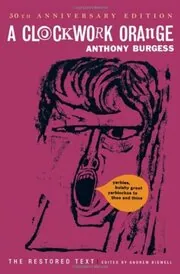
A Clockwork Orange
For readers who enjoy a distinctive voice and troubling moral questions, Burgess makes invented slang central to the experience. The linguistic invention is memorable, but the violence is explicit and the unfamiliar vocabulary takes adjustment.
What it's about
Teenage delinquent Alex narrates his violent life and the state's attempt to cure him through psychological conditioning. Burgess uses invented slang and black comedy to ask whether goodness means anything without choice.

A Dead Man in Deptford
For readers drawn to literary history and verbal performance, Burgess imagines Marlowe within a dangerous world of politics and theater. The dense atmosphere is rewarding, but its speculative reconstruction and period-inflected language ask for an attentive reader.
What it's about
Christopher Marlowe moves through Elizabethan theater, taverns, and state intrigue in this brisk historical novel. Burgess turns the playwright's short life into a story of ambition, danger, and possible espionage.
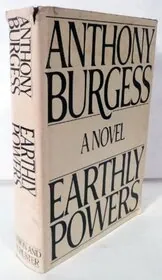
Earthly Powers
For readers who want Burgess on a large historical and moral canvas, this novel connects a writer’s life with twentieth-century upheaval. Its range offers sustained rewards, but the length and cultural references demand commitment.
What it's about
Kenneth Toomey, an aging novelist, looks back on a long life entangled with fame, sex, Catholicism, and twentieth-century upheaval. His bond with priest Carlo Campanati gives this huge novel its moral and emotional pull.
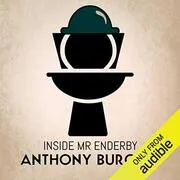
Inside Mr Enderby
For readers who prefer comic disorder to dystopian violence, Enderby offers a concentrated introduction to Burgess’s treatment of the artist. The verbal humor is lively, but the bodily jokes and deliberately unappealing protagonist will not suit everyone.
What it's about
F.X. Enderby, a grubby poet who writes in the bathroom, accidentally stumbles into marriage and disaster. It is one of Burgess's funniest books, but also a sharp little study of art and solitude.
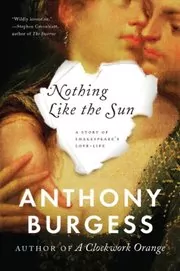
For readers interested in Shakespeare through imaginative fiction, Burgess makes language part of the historical atmosphere. The stylistic energy is a major attraction, but this speculative portrait should not be mistaken for a documented biography.
What it's about
Burgess imagines Shakespeare's love life in language touched by the period but still full of speed and force. The novel turns desire, ambition, and theatrical London into something hot, risky, and human.
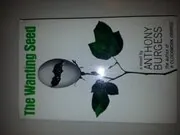
The Wanting Seed
For readers who want more of Burgess’s dystopian satire, this novel pushes social planning toward grotesque consequences. Its broader social focus distinguishes it from A Clockwork Orange, but the exaggeration and abrupt tonal changes can feel relentless.
What it's about
In an overpopulated future Britain, Tristram Foxe and Beatrice-Joanna try to survive official birth control, sham wars, and cannibalistic collapse. Burgess makes social planning look grotesque, funny, and terrifyingly unstable.
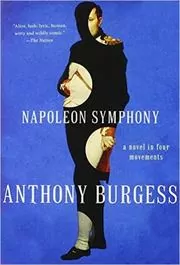
For readers who enjoy novels experimenting with form, Burgess uses a musical design to rethink historical narrative. The structural ambition rewards adventurous reading, but it is less straightforward than a conventional novel about Napoleon.
What it's about
Napoleon's rise and campaigns are retold in a novel built like Beethoven's Eroica. The form is playful, but the portrait of ambition, warfare, and self-mythmaking is sharp and often brutal.
The Doctor is Sick
For readers looking for a shorter comic route into Burgess, this novel turns a scholar’s disorientation into verbal and social adventure. The energetic absurdity makes an inviting change of pace, but the comedy can be deliberately coarse.
What it's about
Linguistics professor Edwin Spindrift escapes the hospital before brain surgery and plunges into a surreal London night. Burgess mixes illness, infidelity, gangsters, and language jokes into a manic urban comedy.
Tremor of Intent
For readers who enjoy espionage with a satirical edge, Burgess uses familiar spy-story machinery to examine belief and moral choice. The mixture gives it a distinctive flavor, but readers seeking realistic tradecraft may find the comedy exaggerated.
What it's about
A British agent heads toward Russia to retrieve a defector in this exuberant parody of Cold War spy fiction. Burgess mixes espionage, grotesque comedy, sex, and philosophical needling in almost every scene.
Sources
- 1
Anthony Burgess novels
anthonyburgess.org
- 2
Top 10 Anthony Burgess Best Books
bookanalysis.com
- 3
Books by Anthony Burgess
goodreads.com
- 4
SFE: Burgess, Anthony
sf-encyclopedia.com
- 5
Novelist: The International Anthony Burgess Foundation
anthonyburgess.org
- 6
Q&A with Andrew Biswell
pariahpress.com
- 7
Anthony Burgess
reddit.com
- 8
Modern Classics Guide: David Higham Associates
davidhigham.co.uk





Edited by
Software engineer whose passion for tracking book recommendations from podcasts inspired the creation of MRB.
Lead investor at 3one4 Capital whose startup expertise and love for books helped shape MRB and its growth.
Comments
Spotted a missing book, a wrong order or a mistake? Tell us and we'll fix this page.
We're a reading guide, not the author or publisher, so we can't send books or pass on messages.