
Anthony Burgess Books in Order
See Anthony Burgess books in order, from A Clockwork Orange to the Enderby novels, with quick summaries, series guides, and tips on where to start.
Last updated:
As an Amazon Associate, we earn from qualifying purchases (at no extra cost to you).
Anthony Burgess books in publication order
65 books
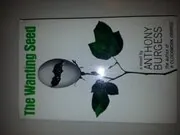
The Wanting Seed
by Anthony Burgess
1956
In an overpopulated future Britain, Tristram Foxe and Beatrice-Joanna try to survive official birth control, sham wars, and cannibalistic collapse. Burgess makes social planning look grotesque, funny, and terrifyingly unstable.
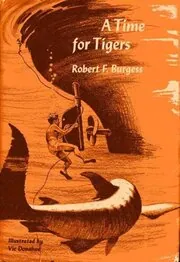
Time for a Tiger
by Anthony Burgess
1956
Victor Crabbe, policeman Nabby Adams, and others lurch through drink, race tension, and failing empire in postwar Malaya. Burgess's first published novel is funny on the surface and bruised underneath.
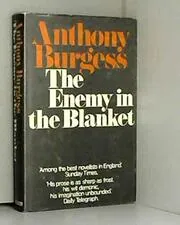
The Enemy in the Blanket
by Anthony Burgess
1957
Victor Crabbe takes a new school post on Malaya's east coast during the Emergency and runs into fresh trouble at home and at work. Burgess keeps the colonial comedy lively while the pressure steadily rises.
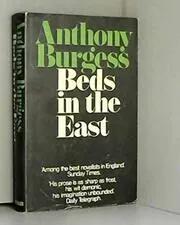
Beds in the East
by Anthony Burgess
1959
As British rule nears its end in Malaya, Victor Crabbe tries to help a gifted young composer while facing buried truths from his own past. The final trilogy novel is political, musical, and melancholy.
The Doctor is Sick
by Anthony Burgess
1960
Linguistics professor Edwin Spindrift escapes the hospital before brain surgery and plunges into a surreal London night. Burgess mixes illness, infidelity, gangsters, and language jokes into a manic urban comedy.

The Right to an Answer
by Anthony Burgess
1960
J.W. Denham comes home from Japan to visit his dying father and finds an England full of social comedy and unease. A supposed Shakespeare discovery and a foreign student deepen the novel's satire.
Devil of a State
by Anthony Burgess
1961
In the fictional caliphate of Dunia, plans for a new mosque expose postcolonial tension, bureaucracy, and unhappy marriages. Burgess draws on Brunei to tell a political story that is also intimate and slyly comic.
One Hand Clapping,
by Anthony Burgess
1961
Howard's memory and odd gift for second sight turn a quiz show win into sudden wealth, travel, and strain. Told by his wife Janet, the novel is a dry, sharp satire on money and modern emptiness.
The Worm and the Ring
by Anthony Burgess
1961
A school scandal involving a stolen diary spirals into intrigue, desire, and parody of Wagner's Ring cycle. Burgess turns Midlands school life into something grandiose, petty, and very funny.
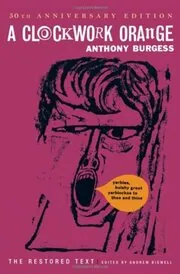
A Clockwork Orange
by Anthony Burgess
1962
Teenage delinquent Alex narrates his violent life and the state's attempt to cure him through psychological conditioning. Burgess uses invented slang and black comedy to ask whether goodness means anything without choice.

Honey for the Bears
by Anthony Burgess
1963
Paul Hussey brings black-market dresses to Leningrad and finds his marriage and schemes coming apart at once. Burgess turns smuggling, jealousy, Soviet absurdity, and sexual confusion into fast, brittle comedy.

Inside Mr Enderby
by Anthony Burgess
1963
F.X. Enderby, a grubby poet who writes in the bathroom, accidentally stumbles into marriage and disaster. It is one of Burgess's funniest books, but also a sharp little study of art and solitude.
Language Made Plain
by Anthony Burgess
1964
A clear, energetic introduction to how language develops, how speech works, and why alphabets matter. Burgess makes linguistics feel practical, historical, and fun rather than remote.
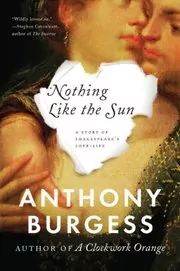
Nothing Like the Sun
by Anthony Burgess
1964
Burgess imagines Shakespeare's love life in language touched by the period but still full of speed and force. The novel turns desire, ambition, and theatrical London into something hot, risky, and human.
The Eve of Saint Venus
by Anthony Burgess
1964
A young couple's wedding is thrown off course when Ambrose seems to become engaged to Venus herself. Burgess treats classical myth as farce, letting divine mischief loose in an ordinary romance.
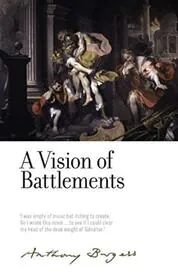
A Vision of Battlements
by Anthony Burgess
1965
Set in wartime Gibraltar, this early novel follows Richard Ennis, a frustrated composer working to educate and amuse the troops. The military setting, heavy drinking, and classical echoes give it a strange, feverish pull.
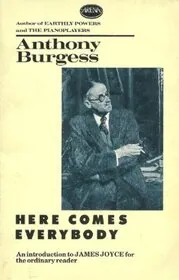
Here Comes Everybody
by Anthony Burgess
1965
Burgess's famous introduction to James Joyce is meant for ordinary readers, not specialists. He explains the work clearly, but still leaves room for Joyce's difficulty, comedy, and audacity.
Coaching Days of England
by Anthony Burgess
1966
This large illustrated book looks back at the age of English stagecoaches, roughly 1750 to 1850. Burgess supplies the historical commentary, bringing movement, spectacle, and vanished road culture into focus.
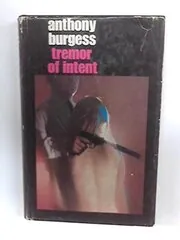
Tremor of Intent
by Anthony Burgess
1966
A British agent heads toward Russia to retrieve a defector in this exuberant parody of Cold War spy fiction. Burgess mixes espionage, grotesque comedy, sex, and philosophical needling in almost every scene.
The Age of the Grand Tour
by Anthony Burgess
1967
Burgess introduces this illustrated history of the Grand Tour, the long European journey once treated as part of a gentleman's education. Art, travel, manners, and cultural snobbery all come into view.
The Novel Now
by Anthony Burgess
1967
Written with students in mind, this book surveys major currents in modern fiction. Burgess moves across nations, styles, and themes with the confidence of a teacher who wants criticism to stay readable.
Enderby
by Anthony Burgess
1968
This volume follows poet F.X. Enderby as marriage, public life, and absurd mishaps drag him out of his private refuge and away from his muse. The comedy is filthy, sad, and unexpectedly tender.
Enderby Outside
by Anthony Burgess
1968
Wrongly accused of murder and stripped of his poetic bearings, Enderby is pushed into Spain, Tangier, and the wider world. It is a comic chase novel about identity, art, and surviving your own reputation.
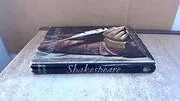
Shakespeare
by Anthony Burgess
1970
Burgess uses the tools of biography and the pace of a novel to tell Shakespeare's life. The result is accessible, learned, and especially good on the crowded, risky world around the plays.
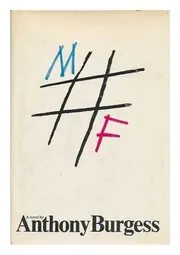
MF
by Anthony Burgess
1971
Miles Faber heads to the Caribbean island of Castita in search of a legendary poet's papers, only to walk into a strange retelling of Oedipus. Burgess makes myth, parody, and intellectual gamesmanship feel lurid and alive.

Stanley Kubrick's Clockwork Orange
by Anthony Burgess
1972
This book prints Kubrick's authorized screenplay alongside hundreds of frame images from the film. It lets readers follow the movie scene by scene and compare its cold precision with Burgess's original story.
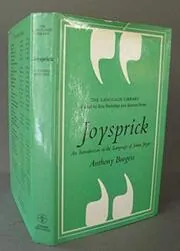
Joysprick
by Anthony Burgess
1973
This is Burgess's guide to the language of James Joyce, especially Ulysses and Finnegans Wake. He breaks down the difficulty without draining away the pleasure or the jokes.
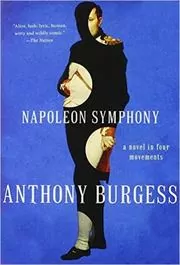
Napoleon Symphony
by Anthony Burgess
1974
Napoleon's rise and campaigns are retold in a novel built like Beethoven's Eroica. The form is playful, but the portrait of ambition, warfare, and self-mythmaking is sharp and often brutal.
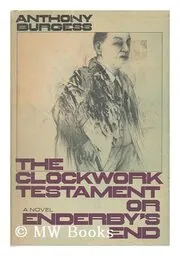
The Clockwork Testament
by Anthony Burgess
1974
F.X. Enderby adapts Hopkins for film and then finds himself blamed for a scandalous hit he barely recognizes. Burgess turns literary outrage, media panic, and artistic compromise into savage comedy.
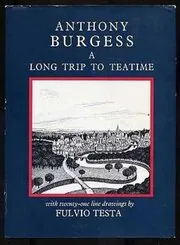
A Long Trip to Teatime
by Anthony Burgess
1976
Bored schoolboy Edgar slips out of class through his desk and into a nonsense-filled adventure while trying to get home in time for tea. Burgess plays with logic, language, and history like a mischievous schoolmaster.
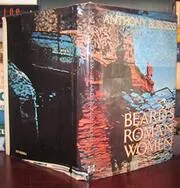
Beard's Roman Women
by Anthony Burgess
1976
Widowed screenwriter Ronald Beard goes to Hollywood and then Rome, where a new romance is shadowed by ghostly calls from his dead wife. Burgess mixes midlife comedy, desire, and unease in a very Roman mood.
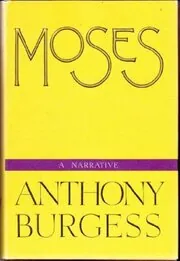
Moses
by Anthony Burgess
1976
This long narrative poem retells the life of Moses on an epic scale, from Egypt to the lawgiving years in the wilderness. Burgess treats the familiar story as both sacred history and human drama.

New York
by Anthony Burgess
1976
Burgess's travel book gives a brisk, opinionated portrait of New York in the 1970s. He writes about its energy, ugliness, charm, and spectacle with the eye of a visitor who refuses to stay neutral.
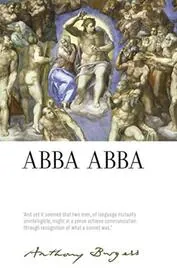
Abba Abba
by Anthony Burgess
1977
In Rome, the dying John Keats encounters the Roman poet Belli and a world of language, illness, and desire. Burgess turns a possible meeting into a short, rich novel about poetry and mortality.
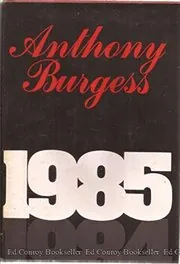
1985
by Anthony Burgess
1978
Part essay, part fiction, this book answers Orwell by imagining a Britain bent by union power, social breakdown, and new forms of authority. Burgess uses the near future to ask who really controls modern life.
Ernest Hemingway and His World
by Anthony Burgess
1978
Burgess sketches Hemingway's career, style, and contradictions against the places and wars that shaped him. It is a compact literary portrait that admires the writing without smoothing away the man.
Man of Nazareth
by Anthony Burgess
1979
Jesus's life is retold from the Nativity to the Crucifixion by a skeptical Greek merchant who distrusts holy men and miracles. Burgess keeps the biblical scale while making the story feel immediate and argued over.
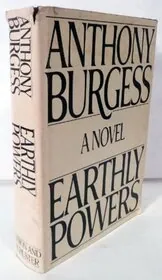
Earthly Powers
by Anthony Burgess
1980
Kenneth Toomey, an aging novelist, looks back on a long life entangled with fame, sex, Catholicism, and twentieth-century upheaval. His bond with priest Carlo Campanati gives this huge novel its moral and emotional pull.
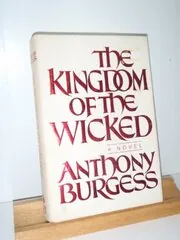
The Kingdom of the Wicked
by Anthony Burgess
1980
Beginning just after the Crucifixion, this novel follows the early Christians, especially Paul, through a violent Roman world. Burgess mixes theology, imperial politics, and human argument right up to Pompeii.

Two Tales of the Future
by Anthony Burgess
1980
This paired volume gathers Burgess's darker future fiction into one place. Power, appetite, violence, and social engineering drive both pieces, with the same bleak humor that runs through his best dystopian work.
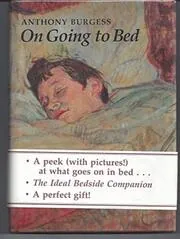
On Going to Bed
by Anthony Burgess
1982
A playful book-length essay on sleep, beds, nightmares, sex, childbirth, and deathbeds. Burgess treats the bedroom as a small history of human life, with wit and a liking for odd detail.
The End of the World News
by Anthony Burgess
1982
Trotsky in New York, Freud in Europe, and a rogue planet heading toward Earth share the stage in this wild triptych. Burgess makes apocalypse feel political, comic, and strangely intimate.
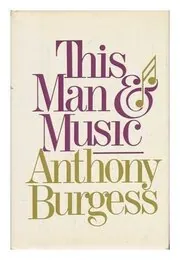
This Man & Music
by Anthony Burgess
1982
Part memoir and part critical study, this book explores how music works on the page and in the mind. Burgess writes about symphonies, poetry, and the musical structures hidden inside his own fiction.
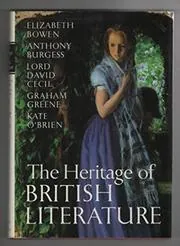
The Heritage of British Literature
by Anthony Burgess
1983
This illustrated survey traces British writing across centuries through essays and commentary from several major writers. Burgess's contribution helps connect the old tradition to newer readers without flattening its strangeness.
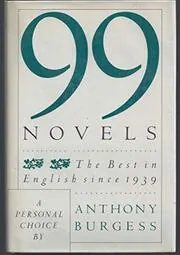
99 Novels
by Anthony Burgess
1984
Burgess picks ninety-nine English-language novels published after 1939 and explains why each matters to him. The result is a brisk reading guide, a map of modern fiction, and a portrait of his tastes.
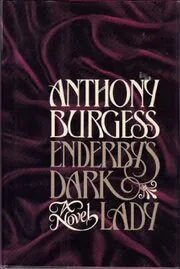
Enderby's Dark Lady
by Anthony Burgess
1984
Poet F.X. Enderby is improbably back, and this time he is dragged into America to write a Shakespeare musical. Show business, desire, and literary vanity give the last Enderby book its comic bite.
Flame into Being
by Anthony Burgess
1985
Burgess's study of D.H. Lawrence blends biography with close, energetic criticism. It is a personal book as well as an informative one, written by a reader who feels fully alive in Lawrence's company.

Oberon Old and New
by Anthony Burgess
1985
Burgess's new libretto for Weber's Oberon sits beside the older version, showing how he reworked a difficult opera for a modern stage. It is a compact record of his lifelong love of music and adaptation.

Blooms of Dublin
by Anthony Burgess
1986
Burgess turns Joyce's Ulysses into a musical play, keeping the book's wit, rhythm, and Dublin fullness in motion. It is an affectionate, ambitious attempt to make a famously difficult classic sing.

But Do Blondes Prefer Gentlemen?
by Anthony Burgess
1986
Published in the United States under this title, the book gathers Burgess's essays and journalism on literature, music, language, travel, and public life. It shows how nimble and funny he could be outside the novel.
Homage To Qwert Yuiop
by Anthony Burgess
1986
This large essay collection shows Burgess at work as a reviewer, journalist, and cultural provocateur. Literature, language, music, travel, and public life all get the same sharp, restless intelligence.
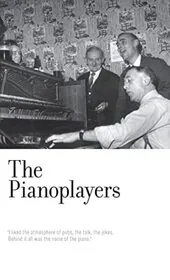
The Pianoplayers
by Anthony Burgess
1986
Told by Ellen Henshaw, this novel looks back at her father Billy, a pub and cinema pianist in Manchester and Blackpool. Music hall life, family pride, and an ill-judged endurance stunt drive the story.
Little Wilson and Big God
by Anthony Burgess
1987
Burgess recounts his early life, from Manchester childhood and army service to teaching in Malaya. The memoir is vivid, funny, and slippery in the best way, always alert to how memory reshapes a life.
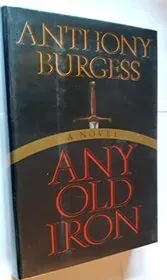
Any Old Iron
by Anthony Burgess
1989
Arthurian legend collides with twentieth-century history as the Jones family, half Welsh and half Russian Jewish, comes across Excalibur in Soviet Russia. Burgess turns myth, war, exile, and family memory into a sprawling adventure.

The Devil's Mode
by Anthony Burgess
1989
Burgess's only short story collection ranges from Shakespeare and Cervantes to Debussy, Attila, and modern expatriates. The pieces are historical, musical, mischievous, and united by his love of clever forms.

A Clockwork Orange 2004
by Anthony Burgess
1990
This stage adaptation reshapes Alex's story for the theater, using music, spoken verse, and direct address to change the novel's energy. It shows Burgess rethinking his most famous book in public performance terms.
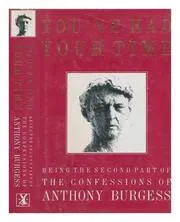
You've Had Your Time
by Anthony Burgess
1990
The second volume of Burgess's autobiography follows his life as a professional writer after he was wrongly told he had little time left. It is full of travel, work, grief, quarrels, and hard-earned comic perspective.
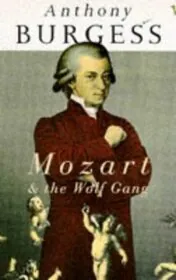
Mozart and the Wolf Gang
by Anthony Burgess
1991
This experimental novel circles Mozart from several angles, mixing scenes from his life with heavenly conversations and self-aware play. It is part biography, part fantasia, and fully shaped by Burgess's love of music.
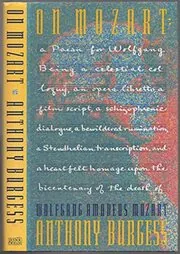
On Mozart
by Anthony Burgess
1991
Burgess's tribute to Mozart shifts between essay, libretto, dialogue, and meditation. It is less a standard study than a spirited attempt to explain why Mozart's music kept pulling him back.
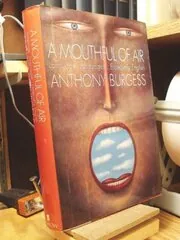
A Mouthful of Air
by Anthony Burgess
1992
A lively tour of language, slang, dialect, dictionaries, and the strange flexibility of English. Burgess ranges from Russian and Japanese to Malay, always writing like a teacher who enjoys the digressions.

A Dead Man in Deptford
by Anthony Burgess
1993
Christopher Marlowe moves through Elizabethan theater, taverns, and state intrigue in this brisk historical novel. Burgess turns the playwright's short life into a story of ambition, danger, and possible espionage.

Future Imperfect
by Anthony Burgess
1994
This omnibus brings together The Wanting Seed and 1985, two Burgess visions of broken futures. Read together, they show his enduring interest in control, ideology, and the body's place inside politics.
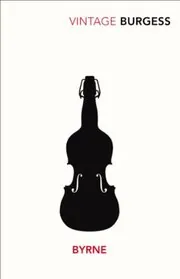
Byrne
by Anthony Burgess
1995
Burgess's last completed novel is told in verse and follows Michael Byrne, an Irish composer and painter whose appetites leave children, lovers, and chaos across Europe. When he vanishes, his family sets out to piece together the life behind the legend.

One Man's Chorus
by Anthony Burgess
1998
This posthumous gathering of essays and articles moves through politics, cities, music, literature, and autobiography. It is the sound of Burgess thinking in public, quick, learned, combative, and hard to pigeonhole.
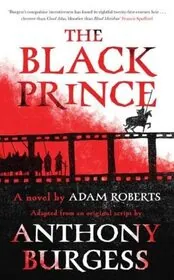
The Black Prince
by Anthony Burgess
2018
Adapted from an original Burgess script, this historical novel follows Edward, the Black Prince, through war, court politics, faith, and obsession in fourteenth-century Europe.
Where to start with Anthony Burgess
If you want the famous one: A Clockwork Orange
If you want the big late novel: Earthly Powers
If you want comic Burgess: Inside Mr. Enderby → Enderby Outside → The Clockwork Testament
If you want the postcolonial novels that launched him: Time for a Tiger → The Enemy in the Blanket → Beds in the East
If you want literary-historical Burgess: Nothing like the Sun → Abba Abba → A Dead Man in Deptford
Anthony Burgess sub-series and character series
The Long Day Wanes: A Malayan Trilogy books in order
Explore this seriesThe Long Day Wanes: A Malayan Trilogy books in chronological order
Anthony Burgess collections, short stories, and related book types
Non-Fiction
Short Story Collections
Plays
Standalone Anthony Burgess books
Author bio
Anthony Burgess was born John Burgess Wilson in Harpurhey, Manchester, on February 25, 1917. He grew up in a working-class, music-filled world. His mother sang and danced on the music-hall stage, his father played piano, and after his mother and sister died in the influenza pandemic of 1918, he was largely raised above pubs in Manchester.
He studied at Xaverian College and then at the University of Manchester, graduating in English literature in 1940. He had wanted to study music first, and that never stopped mattering. Even after he became famous as a novelist, he still liked to say he was really a composer.
War interrupted the ordinary shape of his life. He served from 1940 to 1946 in the Royal Army Medical Corps and the Army Educational Corps, married Llewela Jones in 1942, and later taught in Gibraltar, where some of his earliest fiction began to take shape.
After the war he taught in England, then moved with his wife to Malaya in 1954 and later to Brunei. Those years gave him the material for the books that started his career, especially Time for a Tiger, The Enemy in the Blanket, and Beds in the East. He published the first of them in 1956 under the name Anthony Burgess, borrowing his mother's maiden name and his confirmation name.
Then came the great false alarm.
In 1959 he collapsed in a classroom in Brunei and was sent back to Britain with a grim diagnosis that suggested he might have little time left. The diagnosis turned out to be wrong, but the shock changed everything. Writing became not just something he did, but the way he would make a living, and in a rush of astonishing productivity he produced novels such as The Doctor is Sick, The Wanting Seed, and A Clockwork Orange.
Readers often meet him first through A Clockwork Orange, but it only shows one side of him. He could be bleak, funny, scholarly, rude, musical, and deeply interested in how people talk. Books like Nothing like the Sun, the Enderby novels, The Pianoplayers, and Earthly Powers show how wide his range was. Again and again he returned to language, religion, performance, moral choice, and people trying to talk or drink their way through trouble.
He liked big ideas, but he also liked dirty jokes.
His private life changed sharply in the late 1960s. After the long illness and death of his first wife, Lynne, in 1968, he married the Italian linguist and translator Liliana Macellari Johnson. With Liana and her son, Andrew, he lived a wandering life in Malta, Italy, France, Switzerland, the United States, and finally Monaco. Alongside the novels he wrote criticism, journalism, libretti, and screen work, including scripts connected to Moses the Lawgiver and Jesus of Nazareth, and he composed more than 200 musical works.
He kept working almost to the end. A Dead Man in Deptford, his vivid novel about Christopher Marlowe, appeared in 1993, the year he died of lung cancer in London on November 22, 1993, aged seventy-six. His last novel, Byrne, was published after his death. What remains is not just one notorious classic, but a body of work that is busy, argumentative, funny, and hard to pin down.



Edited by
Software engineer whose passion for tracking book recommendations from podcasts inspired the creation of MRB.
Lead investor at 3one4 Capital whose startup expertise and love for books helped shape MRB and its growth.
Comments
Did we miss something? Have feedback?
Help us improve this page by sharing your thoughts