
24 Best Tom Clancy Books
The best Tom Clancy books, ranked by how many expert sources recommend each one, with notes on who each suits, from new readers to military thriller fans.
Our take
Tom Clancy's books follow crises through intelligence offices, military units and political leadership. Technical explanations are part of the appeal, but the scale varies: a submarine hunt feels different from a war spanning several fronts or a threat aimed at one family. Later collaborations bring Jack Ryan Jr. and the Campus into greater focus alongside familiar characters.
The Hunt for Red October introduces Jack Ryan through analysis and naval suspense, while Patriot Games gives him more personal stakes. Without Remorse develops John Clark's origins, and Rainbow Six centers on a counterterrorist team. Red Storm Rising stands outside the Ryan story and follows a broad conventional war. Readers drawn to the equipment and organizations can turn to nonfiction guided tours such as Submarine, Carrier and Fighter Wing. Those books describe the forces of their period rather than a fictional crisis.
Start with The Hunt for Red October for Ryan, Without Remorse for Clark, or Red Storm Rising for a standalone military campaign.
24 books · 9 sources · Last updated
As an Amazon Associate, we earn from qualifying purchases (at no extra cost to you).
Reading Tom Clancy in order? See all Tom Clancy books in order
How to choose from this list
Skip to the full rankingIf you're new to Jack Ryan: The Hunt for Red October → Patriot Games → The Cardinal of the Kremlin
If you want John Clark's path: Without Remorse → Clear and Present Danger → Rainbow Six
If you want a standalone war novel: Red Storm Rising
If you want the presidential crisis arc: Debt of Honor → Executive Orders
If you're moving into the Campus stories: The Teeth of the Tiger → Dead or Alive → Locked On
If you prefer military nonfiction: Submarine → Carrier → Fighter Wing
The 24 books, ranked
Ranked by how many expert sources name each book. Ties go to the book more people recommend.

For newcomers who want Clancy’s technical detail anchored to a focused naval crisis. Ryan’s analyst perspective makes it a strong series entry, though submarine procedures and Cold War terminology still demand more patience than a lean action thriller.
What it's about
Soviet captain Marko Ramius takes his cutting-edge missile submarine on an unauthorized run toward the United States. CIA analyst Jack Ryan must prove that Ramius intends to defect, not attack, before nervous militaries trigger a wider war.
Also recommended by
1 person Charles Koch recommended this book
Charles Koch
Charles Koch recommended this book on his website.
Charles Koch's recommendation of this book

For readers who want intelligence work entangled with political accountability and operations on the ground. Its shifting levels of command give the crisis breadth, though the many viewpoints take time to converge and prior Ryan familiarity helps.
What it's about
Promoted to acting deputy director of intelligence, Jack Ryan discovers that colleagues are running a secret war against Colombian drug cartels. Cut out of the loop, he races to expose the operation and rescue abandoned special-ops soldiers.

For newcomers who want a more personal introduction to Ryan through threats to his family. Its domestic stakes make the character accessible, though the family scenes and melodrama occupy more space than in the naval-focused debut.
What it's about
While vacationing in London, Jack Ryan thwarts an attack on the Prince and Princess of Wales and wounds an Irish terrorist. His heroism puts him in the crosshairs of a vengeful splinter group that targets his young family back home.

For established Ryan readers interested in economic conflict as well as military confrontation. Its financial and strategic strands expand Clancy’s usual machinery, but the sprawling setup and period assumptions make it less approachable than the earlier novels.
What it's about
A cabal of Japanese industrialists exploits a trade dispute to wage economic and military war on the United States. As National Security Advisor, Jack Ryan must untangle financial attacks, submarine duels, and political intrigue leading to a shocking final strike.

For readers who want to stay with Ryan through a sustained political and military crisis. It develops the consequences of Debt of Honor on a much larger canvas, but its length and governmental detail make that earlier book useful preparation.
What it's about
Suddenly elevated to the presidency, Jack Ryan must rebuild a shattered U.S. government while facing a new Islamic superstate that unleashes bioterror and invades Saudi Arabia. Politics, pandemics, and armored divisions collide in one long crisis.

For readers who want John Clark and team-based counterterrorist operations at the center. The tactical sequences provide a different rhythm from Ryan’s analysis, though the large-scale conspiracy is more extravagant than the unit’s day-to-day missions.
What it's about
Retired operative John Clark forms Rainbow, a multinational counterterrorist unit based in Europe. Early hostage rescues reveal a deeper eco-terrorist plot involving a weaponized virus and a plan to "reset" humanity at the Olympic Games.

For readers who prefer spy handling, counterintelligence and Cold War uncertainty to large battlefield campaigns. Its balance of covert operations and strategic competition is especially useful early in the series, though technical digressions sometimes slow the suspense.
What it's about
Jack Ryan helps protect CARDINAL, the CIA’s highest-placed agent in Moscow, as the KGB closes in. At the same time, rival missile-defense programs in the U.S. and Soviet Union raise the stakes of every move in this Cold War spy game.

For readers who want John Clark’s origins in a darker, more personal thriller. It gives the operative an emotional history apart from Ryan’s career, but the violence and revenge focus make it a harsher entry than the espionage novels.
What it's about
In 1970, grieving ex–Navy SEAL John Kelly wages a personal war on a Baltimore drug ring while secretly leading a rescue mission for prisoners in Vietnam. The novel shows how a broken widower becomes the CIA’s lethal operative John Clark.

For Ryan fans who want a return to his early intelligence career and quieter Cold War tradecraft. Its defection-focused approach favors procedure over battlefield scale, but the slow build and prequel position make publication-order reading less straightforward.
What it's about
Early in his CIA career, Jack Ryan is sent to London and pulled into a defection involving a Soviet communications officer. The defector’s information reveals a plot to assassinate the Pope, forcing Ryan to navigate Cold War duplicity in Rome.
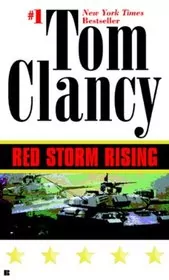
Red Storm Rising
For readers who want a large conventional-war scenario without following the Ryan series. Its many military viewpoints make strategy and logistics central, though the broad cast offers less sustained personal development than the character-led novels.
What it's about
After terrorists destroy a key Soviet oil facility, Moscow gambles on a conventional war to seize the Persian Gulf. The novel follows sailors, pilots, and soldiers on both sides as NATO and Warsaw Pact forces clash across the North Atlantic and Europe.

For readers who enjoy Clancy at his most expansive, moving between diplomacy, intelligence and conventional warfare. Its strategic scale rewards investment in the Ryan world, but the length and extended political commentary can test even committed fans.
What it's about
New oil and gold fields in Siberia tempt a resource-hungry China into war with Russia. President Jack Ryan draws NATO closer to Moscow, while special forces, tank battles, and a desperate missile-defense gamble decide the conflict’s outcome.

For readers who want a crisis built around misinterpretation, political pressure and the danger of escalation. Its technical detail gives the stakes weight, but the careful accumulation of information takes longer than the film-style premise might suggest.
What it's about
Terrorists rebuild a lost Israeli nuclear weapon and plan to detonate it at the Super Bowl to trigger war between the U.S. and Russia. Jack Ryan must interpret fragmentary clues and cool panicked leaders before miscalculation becomes catastrophe.
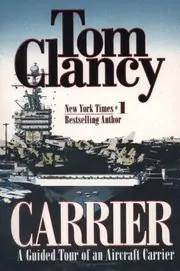
For readers who want to understand naval aviation as a system of people, ships and aircraft. Its guided-tour approach explains the machinery behind the fiction, but it records a particular era rather than today’s carrier forces.
What it's about
Clancy takes readers aboard a U.S. aircraft carrier, explaining how the ship functions as a floating airbase and command center. He walks through flight operations, the air wing’s aircraft, and the dense web of technology and people that keep the ship fighting.

For readers ready to move from the original Ryan novels into the Campus team’s later adventures. This collaboration with Grant Blackwood reconnects familiar veterans and a younger generation, though the ensemble is easier to follow with background reading.
What it's about
After years of tracking a terrorist known as the Emir, the Campus finally sees a chance to bring him down. Jack Ryan Jr., his cousins, and veterans John Clark and Ding Chavez race to stop a devastating attack planned on U.S. soil.

For readers following the Campus who want personal jeopardy mixed with international operations. The collaboration with Mark Greaney gives the team several linked pressures, though newcomers face an established cast and considerable background history.
What it's about
A rogue Pakistani general edges toward a nuclear showdown with India while a political rival frames Jack Ryan Sr. for scandal. The Campus and Jack Ryan Jr. chase weapons and secrets across continents to stop a strike that could ignite regional war.

For readers interested in Jack Ryan Jr. and the foundations of the Campus. It explains the shift toward deniable operations more directly than later installments, though its setup-heavy structure offers less resolution than the earlier Ryan novels.
What it's about
In a post‑9/11 world, Jack Ryan Jr. discovers the Campus, a deniable intelligence outfit created by his father. As he joins cousins Dominic and Brian Caruso, the team tests itself by hunting terrorist financiers with deadly "reconnaissance by fire" missions.

For established Campus readers interested in cyberwarfare alongside physical operations. The Mark Greaney collaboration connects digital vulnerability to strategic conflict, but its technology-heavy plot and returning cast make it a poor introduction to the series.
What it's about
Chinese hard-liners unleash a wave of cyberattacks and covert operations aimed at pushing the U.S. out of the Pacific. As Jack Ryan Sr. faces a diplomatic crisis, the Campus fights assassins and malware that threaten both national security and its own survival.

For readers who enjoy intelligence history resurfacing inside a contemporary geopolitical crisis. The Mark Greaney collaboration links the two Ryans across different periods, though the movement between past and present works best with earlier series knowledge.
What it's about
A resurgent Russia uses covert funds and deniable forces to pressure its neighbors, echoing a long-buried KGB scheme Jack Ryan once faced as a CIA officer. Now president, he relies on Jack Jr. and the Campus to expose the network before tanks roll.
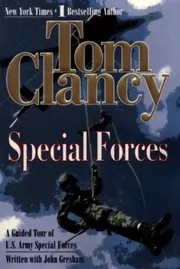
For readers curious about the training, equipment and roles behind the fictional operators. Its nonfiction guided-tour format supplies organizational context, though its early-century snapshot is dated and it offers less narrative momentum than Clancy’s thrillers.
What it's about
A detailed look at U.S. Army Special Forces, this guided tour covers recruitment, intense training, and the wide range of missions Green Berets take on. Clancy illustrates tools, tactics, and mind‑set through real exercises and a fictional intervention scenario.

For readers who want a separate operative and a standalone route into Clancy-branded action. This collaboration with Peter Telep connects counterterrorism with cartel operations, though its broad international setup can feel less focused than the early Ryan books.
What it's about
Ex–Navy SEAL and CIA operator Max Moore survives a blown operation in Pakistan and uncovers a deeper plot linking Taliban militants with a powerful Mexican drug cartel. To stop attacks on American cities, he must infiltrate cartel circles along the border.
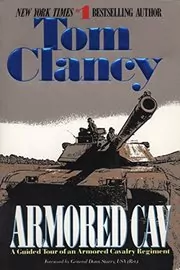
For readers who want ground-force organization and equipment explained outside a thriller plot. Its focus on one type of regiment connects vehicles with missions and personnel, though the period-specific details need context when compared with modern forces.
What it's about
Clancy explores a U.S. Army armored cavalry regiment, detailing tanks, helicopters, scouts, and tactics. Drawing heavily on Desert Storm experience, he shows how these units fight, how crews train, and what it’s like to live and work inside modern armor.
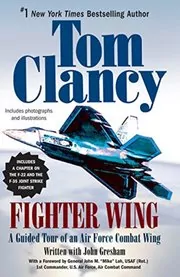
For readers interested in the aircraft, people and organization behind air-combat scenes. It offers a nonfiction view of a combat wing rather than another invented crisis, but the equipment and force structure reflect the period covered.
What it's about
A guided tour of an Air Force combat wing, this book explains how modern fighter squadrons plan missions, train, and go to war. Clancy walks through aircraft, weapons, support crews, and exercises that prepare pilots for real-world air campaigns.
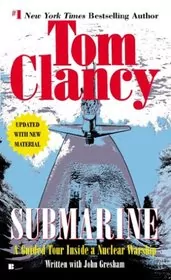
For readers who want factual context after enjoying Clancy’s submarine fiction. Its attention to crew life, equipment and procedures makes the setting concrete, though its early-1990s perspective is a historical snapshot rather than a current technical guide.
What it's about
This non‑fiction tour takes readers inside modern nuclear submarines, from construction yards and training pipelines to life aboard during exercises and mock war patrols. Technical sidebars and crew interviews explain how the "silent service" actually works.
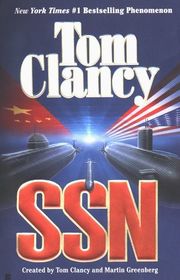
SSN
For readers who want submarine action concentrated into mission-style episodes. Its game-scenario origins make the tactical situations direct and self-contained, but the result offers less character development and political layering than The Hunt for Red October.
What it's about
A submarine crew faces a sequence of naval combat scenarios during a fictional conflict. The book focuses on undersea tactics, weapons and operational decisions, with maps and background material accompanying missions developed around a submarine simulation game.
Sources
- 1
21 Best Tom Clancy Books You Need to Read
hookedtobooks.com
- 2
Tom Clancy books in order – Every Jack Ryan novel ranked
dadnology.com
- 3
Tom Clancy Books in Order: Jack Ryan, Jack Ryan Jr. and Every Series Explained
booksofbrilliance.com
- 4
Books - Tom Clancy
tomclancy.com
- 5
Best Tom Clancy Books
goodreads.com
- 6
The Best Tom Clancy Books of All Time
ranker.com
- 7
Tom Clancy Jack Ryan books ranked?
reddit.com
- 8
Never read a Tom Clancy book before. What books do you all suggest?
reddit.com
- 9
Tom Clancy
fantasticfiction.com






Edited by
Software engineer whose passion for tracking book recommendations from podcasts inspired the creation of MRB.
Lead investor at 3one4 Capital whose startup expertise and love for books helped shape MRB and its growth.
Comments
Spotted a missing book, a wrong order or a mistake? Tell us and we'll fix this page.
We're a reading guide, not the author or publisher, so we can't send books or pass on messages.