
11 Best American Revolution Books
The best American Revolution books, ranked by how many expert sources recommend each one, with notes on who each book suits and where different readers can start.
Our take
The American Revolution was a military conflict, a political break, and a period of social change whose consequences reached beyond the colonies. These books differ in scale. Some follow a single year or local crisis; others connect the road to independence with the republic that emerged afterward. Biographies and focused investigations make particular experiences vivid without replacing a broader history.
Start with The American Revolution by Gordon S. Wood for a concise overview, or The Glorious Cause for a longer account. 1776 offers a close military narrative, while Bunker Hill and Paul Revere’s Ride concentrate on the opening conflict in Massachusetts. John Adams approaches the era through one life and its relationships. For a wider view of the war effort, try The British Are Coming and The Men Who Lost America. Choose The Ghost Ship of Brooklyn when you want the human costs of captivity brought into sharper focus.
11 books · 8 sources · Last updated
As an Amazon Associate, we earn from qualifying purchases (at no extra cost to you).
How to choose from this list
Skip to the full rankingIf you want a concise introduction: The American Revolution
If you want a substantial general history: The Glorious Cause → Angel in the Whirlwind
If you want the military story: 1776 → The British Are Coming
If you want the opening conflict in Massachusetts: Paul Revere's Ride → Bunker Hill
If you want leadership from different sides: John Adams → The Men Who Lost America
If you want an overlooked wartime experience: The Ghost Ship of Brooklyn
The 11 books, ranked
Ranked by how many expert sources name each book. Ties go to the book more people recommend.
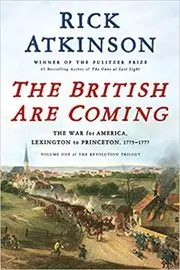
The British Are Coming: The War for America, Lexington to Princeton, 1775-1777
The Revolution Trilogy, Book 1
For readers who want a detailed military narrative that keeps British and American experiences in view. Atkinson combines strategic decisions with individual lives, though this large opening volume covers only the early part of the war.
What it's about
This first volume in Atkinson's Revolution Trilogy follows the war for American independence from Lexington and Concord through the winter victories at Trenton and Princeton. Drawing on voices from both sides, it blends battlefield narrative, political intrigue, and the daily hardships of soldiers and civilians.
Also recommended by
1 person Lloyd Blankfein recommended this book
Lloyd Blankfein
"For those who would welcome a respite from the usual topic of 'the British are leaving….'" - Lloyd Blankfein
Lloyd Blankfein's recommendation of this book

Paul Revere's Ride
For readers who want a familiar founding story reconstructed in detail. Fischer brings networks, choices, and timing into focus, though the close examination of a few days is narrower than a general Revolution history.
What it's about
David Hackett Fischer reconstructs Paul Revere's ride and the events surrounding the outbreak of the American Revolution. Drawing on archival research, he examines the people, intelligence networks, decisions, and confrontations behind a familiar episode often obscured by legend.
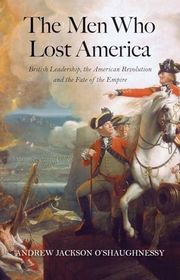
The Men Who Lost America: British Leadership, the American Revolution, and the Fate of the Empire
For readers who want to understand British decisions without assuming the outcome was inevitable. The linked leadership portraits complicate familiar explanations of defeat, though the focus on senior figures gives less space to ordinary soldiers and civilians.
What it's about
Andrew Jackson O’Shaughnessy examines ten British leaders involved in the American war, from political decision-makers to military commanders. Their connected experiences explain the pressures, choices, and limitations behind an imperial defeat often reduced to simple incompetence.
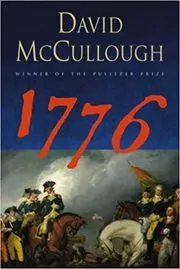
1776
For readers who want a vivid military narrative before attempting a full history. McCullough makes uncertainty and individual decisions easy to follow, though the tight focus on one year leaves the Revolution's origins and later developments elsewhere.
What it's about
In 1776 McCullough focuses on the year America’s fate hung in the balance, following George Washington and his ragged army through early victories, crushing defeats around New York, and the surprise attacks at Trenton and Princeton. It offers a ground‑level view of the Revolution’s most precarious months.

For beginners who want a concise map of the Revolution and its political consequences. Wood gives ideas and social change clear space, though the compression means fewer personal stories and less battlefield detail than the longer books.
What it's about
Wood offers a concise account of the American Revolution's origins, the war for independence, and the changes that followed. The history connects political conflict with evolving ideas of liberty, equality, and constitutional government that shaped the new republic.

For readers who want a broad story carried by personalities and dramatic events. Bobrick balances political and military developments in an accessible narrative, though the expansive account requires more time than a concise introductory survey.
What it's about
Benson Bobrick recounts the American Revolution from disputes over British taxation to the military struggle for independence. He combines major battles with social and political history, drawing attention to prominent leaders and lesser-known participants on both sides of the conflict.
Also recommended by
1 person John Crowley recommended this book
John Crowley
"Tells the whole story in very rich detail about the American Revolution, very character-centric." - John Crowley
John Crowley's recommendation of this book
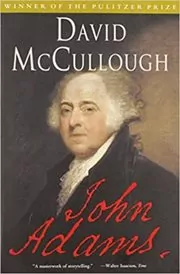
John Adams
For readers who prefer to enter an era through one person's public and private life. McCullough gives relationships and diplomacy room alongside politics, though much of the biography extends beyond the revolutionary period itself.
What it's about
This biography follows John Adams from his Massachusetts beginnings through revolution, diplomacy, the presidency, and a long retirement. McCullough pays special attention to Adams’s partnership with Abigail and his evolving friendship and rivalry with Thomas Jefferson.
Also recommended by
1 person Greg McKeown recommended this book
Greg McKeown
"By the end of it, I just loved John Adams and loved what he was trying to do." - Greg McKeown
Greg McKeown's recommendation of this book
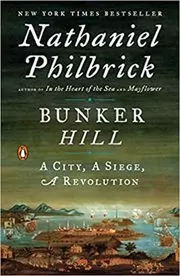
For readers who want to understand how a local crisis became an armed rebellion. Philbrick makes Boston's people and pressures tangible, though the regional and early-war focus leaves the wider conflict for other books.
What it's about
This narrative history of Revolutionary Boston traces the road from the Boston Tea Party to the bloody Battle of Bunker Hill, focusing on figures like Joseph Warren, John Adams, and George Washington as a restless town turns into a revolutionary army.

For readers interested in captivity and the war's human costs. Watson brings a neglected prison-ship experience into view, though the sustained attention to suffering and one location offers a limited overview of the wider Revolution.
What it's about
Watson reconstructs the ordeals of Americans imprisoned aboard the British ship HMS Jersey during the Revolutionary War. Newspapers, diaries, and military reports reveal overcrowding, disease, and survivors' experiences, alongside the outrage these conditions generated among supporters of independence.

For readers who want one substantial account connecting the war with the creation of the republic. Middlekauff supplies breadth and sustained context, though its length and density make it less immediate than a focused narrative history.
What it's about
Middlekauff traces the conflict between Britain and its American colonies through independence and the creation of the republic. Political disputes, military campaigns, and the experiences of ordinary participants lead into the Constitutional Convention and the struggle over ratification.

For readers who want a clear argument about Washington's military choices. Fleming keeps army organization and strategy at the center, though the leader-focused interpretation gives less room to broader social change and competing explanations.
What it's about
Fleming examines George Washington's strategy for winning independence, emphasizing his commitment to building a professional army. The account connects battlefield decisions with disputes in Congress over military organization and the limitations of relying on local militia forces.
Sources
- 1
General Reading on the American Revolution
americanrevolutioninstitute.org
- 2
10 Books That Reframe the American Revolution
history.com
- 3
American Revolution Books
goodreads.com
- 4
Does anyone have any recommendations of books on the American Revolution?
reddit.com
- 5
Best Books About the American Revolution
historyofmassachusetts.org
- 6
Are there any history books available that speak about the American Revolution from the British viewpoint?
reddit.com
- 7
Start Reading about the Revolutionary War
battlefields.org
- 8
The Best Books About the Revolutionary War
hachettebookgroup.com




Edited by
Software engineer whose passion for tracking book recommendations from podcasts inspired the creation of MRB.
Lead investor at 3one4 Capital whose startup expertise and love for books helped shape MRB and its growth.
Comments
Spotted a missing book, a wrong order or a mistake? Tell us and we'll fix this page.
We're a reading guide, not the author or publisher, so we can't send books or pass on messages.