
13 Best Alcoholism Books
The best alcoholism books, ranked by how many expert sources recommend each one, with notes to help readers choose memoirs, explanations, and recovery perspectives.
Our take
Books about alcoholism can help readers recognize experiences, question assumptions about drinking, and understand different approaches to recovery. They vary widely in purpose. A memoir may offer language for something difficult to explain, while a practical guide organizes ideas or exercises. Reporting can connect an individual’s experience with social pressures and the ways alcohol is marketed and understood.
Drinking and Blackout examine dependence through close personal accounts. The Unexpected Joy of Being Sober combines experience with everyday concerns, while Drink and Quit Like a Woman place women’s drinking in a wider cultural setting. This Naked Mind and Alcohol Explained take more explanatory and persuasive approaches. Dry brings a darker comic voice, and We Are the Luckiest concentrates on the emotional work of sober life. Start with the form you find easiest to engage with, then compare another perspective rather than expecting one author’s story or method to describe every experience.
13 books · 7 sources · Last updated
As an Amazon Associate, we earn from qualifying purchases (at no extra cost to you).
How to choose from this list
Skip to the full rankingIf you want a personal account: Drinking → Blackout
If you want to examine beliefs about alcohol: This Naked Mind → Alcohol Explained
If you want women’s experiences in context: Drink → Quit Like a Woman
If you want ideas for alcohol-free daily life: The Unexpected Joy of Being Sober → The Sober Lush
If you want to understand the twelve-step approach: Alcoholics Anonymous
If you want a literary memoir: Lit
The 13 books, ranked
Ranked by how many expert sources name each book. Ties go to the book more people recommend.

For readers who want a literary account of drinking, motherhood, faith, and getting sober. Its attention to language and self-examination offers more than a chronological recovery story, though the emotional intensity and religious turn may not suit everyone.
What it's about
Mary Karr recounts marriage, motherhood, alcoholism, and the struggle toward sobriety and faith. Written with dark humor and self-examination, her memoir explores how family history, writing, and spiritual searching shaped her efforts to build a different life.
Also recommended by
1 person Shauna Niequist recommended this book
Shauna Niequist
Shauna Niequist recommended this book on Twitter.
Shauna Niequist's recommendation of this book

For readers who want a close examination of emotional attachment to alcohol. Its sustained metaphor and attention to hidden routines distinguish it from a practical quitting guide, though the painful personal detail can be difficult to read.
What it's about
Knapp recounts a twenty-year relationship with alcohol that began in adolescence and continued through college and a successful writing career. The memoir examines concealed drinking, family narratives, destructive relationships, and the difficult process of confronting dependence and recovering.

For readers who connect with dark humor and an unsparing memoir voice. Its account of early sobriety addresses the difficulty of returning to ordinary life, though disturbing experiences and personal storytelling take precedence over organized instruction.
What it's about
Augusten Burroughs recalls how heavy drinking disrupted his advertising career and led his employers to send him to rehabilitation. His memoir follows the challenge of returning to familiar Manhattan routines while trying to live sober.

For readers who want to examine beliefs that make alcohol seem necessary for pleasure or confidence. Its accessible reframing differs from memoir-led accounts, though the persuasive tone can feel repetitive and its claims need critical reading.
What it's about
Annie Grace examines beliefs about drinking alongside the psychological, social, and cultural influences that sustain alcohol use. Combining her own experience with discussion of research, she presents an approach to rethinking one's relationship with alcohol.

Alcohol Explained
For readers who want an accessible explanation of why drinking can become self-reinforcing. Its clear, repeated framing may help readers examine familiar assumptions, though the author’s explanatory approach is less nuanced than a broad clinical reference.
What it's about
William Porter explains his account of alcohol's chemical, physical, and psychological effects, from initial drinking to dependence. The guide examines why problem drinking can persist and presents the author's approach to understanding and stopping it.

For readers who want to understand the gap between outward success and private drinking. Its attention to memory, identity, and self-deception gives the memoir a distinct focus, though the intimate account offers less structured guidance than a workbook.
What it's about
Hepola recounts the attraction of drinking and the blackouts that left gaps in her memory despite an outwardly successful career. Her memoir follows the recognition that she needed help and the difficult transition to a sober life.

The Unexpected Joy of Being Sober
For readers who want a candid personal account alongside ideas for everyday sober life. Its mixture of humor, experience, and practical concerns feels more conversational than a formal guide, though the positive framing reflects one person’s experience.
What it's about
Catherine Gray recounts her experiences with destructive drinking and the changes that followed sobriety. Personal stories, practical advice, and interviews with researchers explore social pressures to drink and navigating everyday events without alcohol.
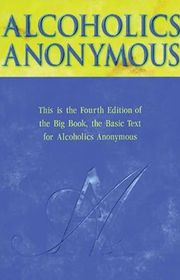
Alcoholics Anonymous
For readers who want to understand the principles behind Alcoholics Anonymous. Its combination of the twelve-step program and personal accounts provides a direct introduction, though the spiritual language and older core text may feel unfamiliar or restrictive.
What it's about
Known as the Big Book, Alcoholics Anonymous presents the fellowship’s recovery program and accounts from people describing their experiences with alcohol and sobriety. Its core text introduces the twelve steps and the approach associated with AA meetings.

For readers interested in how personal drinking connects with broader pressures on women. Its blend of memoir and reporting adds a social perspective beyond an individual recovery story, though the women-centered focus deliberately narrows its scope.
What it's about
Ann Dowsett Johnston combines reporting on women's drinking with her own story of recovery. Research and interviews explore the social pressures, marketing practices, and personal experiences connected with risky alcohol use among women and girls.
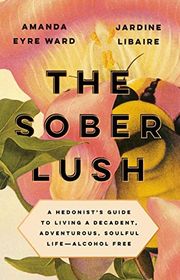
The Sober Lush: A Hedonist’s Guide to Living a Decadent, Adventurous, Soulful Life, Alcohol Free
For readers who want to imagine enjoyment and adventure without alcohol. Its emphasis on pleasure and everyday possibilities offers a different mood from crisis-centered memoirs, though it is more a lifestyle companion than a detailed recovery program.
What it's about
Amanda Eyre Ward and Jardine Libaire explore pleasure, curiosity, friendship, and adventure in an alcohol-free life. Personal reflections and suggestions focus on finding enjoyable experiences and meaningful rituals without treating drinking as the center of social life.

Quit Like a Woman
The Radical Choice to Not Drink in a Culture Obsessed with Alcohol
For readers who want to question the cultural expectations around women’s drinking and recovery. Its direct, personal argument offers an alternative to familiar narratives, though the polemical tone and particular recovery philosophy will not suit everyone.
What it's about
Holly Whitaker combines her recovery story with a critique of a culture that treats drinking as a condition of belonging. She examines women's experiences with alcohol and argues for an approach to sobriety shaped around their needs.

For readers who want a personal companion to the emotional changes of early sobriety. Its attention to shame, relationships, and honesty offers recognition beyond practical tips, though the memoir-centered approach is less systematic than a training program.
What it's about
Laura McKowen recounts addiction and early sobriety, including her changing relationship with her daughter and her own emotions. Personal stories address shame, honesty, recovery groups, and the difficulties of living around other people's drinking.

For readers who want drinking discussed through emotional, physical, and spiritual dimensions. Its practitioner-and-recovery perspective offers a broader personal framework, though the spiritual emphasis may be less useful to readers seeking a fully secular guide.
What it's about
Veronica Valli draws on her recovery and work as an addictions therapist to examine destructive drinking. She presents an account of its physical, psychological, and spiritual dimensions, explaining her approach to understanding and addressing them.
Sources
- 1
11 Best Addiction and Sobriety Books
lauramckowen.com
- 2
Best Addiction Memoirs: 8 Picks Ranked
yalom.com
- 3
R4R @ Rutgers: Reading for Recovery: Memoirs
libguides.rutgers.edu
- 4
Alcoholism Books
goodreads.com
- 5
20 Best Books on Alcoholism & Recovery
choosingtherapy.com
- 6
Book Recommendations?
reddit.com
- 7
Book recommendations?
reddit.com






Edited by
Software engineer whose passion for tracking book recommendations from podcasts inspired the creation of MRB.
Lead investor at 3one4 Capital whose startup expertise and love for books helped shape MRB and its growth.
Comments
Spotted a missing book, a wrong order or a mistake? Tell us and we'll fix this page.
We're a reading guide, not the author or publisher, so we can't send books or pass on messages.