
28 Best Drug Addiction Books
The best drug addiction books, ranked by how many expert sources recommend each one, with notes for readers choosing memoirs, fiction, science, or reporting.
Our take
Books about drug addiction approach the subject from very different positions: the person using drugs, a worried family member, a researcher, or a reporter examining institutions and markets. Fiction can convey disorientation and social pressure, while memoirs show particular lives over time. Several titles also address alcohol dependence, which offers related perspectives on secrecy, relationships, and recovery without describing the same experience as opioid or methamphetamine use.
Beautiful Boy and Tweak offer a father’s and son’s accounts of the same family’s difficulties. The Recovering connects personal experience with literature, while Dreamland and Dopesick widen the frame to communities and the opioid crisis. Unbroken Brain and The Biology of Desire present arguments about how addiction develops, rather than a single agreed explanation. For fiction, Jesus' Son is brief and fragmented; Demon Copperhead follows a much longer life story. Start with the perspective you want to understand, remembering that personal narratives and historical arguments have different purposes from individualized care.
28 books · 11 sources · Last updated
As an Amazon Associate, we earn from qualifying purchases (at no extra cost to you).
How to choose from this list
Skip to the full rankingIf you want both sides of a family’s experience: Beautiful Boy → Tweak
If you want memoir alongside literary reflection: The Recovering
If you want to understand the opioid crisis: Dreamland → Dopesick → Empire of Pain
If you want different explanations of addiction: Unbroken Brain → The Biology of Desire
If you want literary fiction: Jesus' Son → Demon Copperhead
If you want a historical view of heroin use: Junky → Trainspotting
The 28 books, ranked
Ranked by how many expert sources name each book. Ties go to the book more people recommend.

For family members who want a parent’s view of uncertainty, fear, and the limits of control. Its sustained attention to family strain distinguishes it from first-person accounts, though it cannot speak for every household or treatment experience.
What it's about
Sheff recounts his son Nic's descent into drug addiction and the impact on their family. His account follows warning signs, denial, desperate searches for treatment, and uncertain steps toward recovery, examining the limits and persistence of a parent's love.

For readers who want patient stories considered alongside trauma and social conditions. Maté’s compassionate approach challenges moral judgment, but his explanatory framework is one perspective on addiction and should not be treated as a complete clinical account.
What it's about
Gabor Maté draws on his work with people experiencing addiction in Vancouver, combining patient stories, personal reflection, and research. He explores relationships among trauma, emotional development, brain chemistry, and social conditions, arguing for compassionate responses to addictive behavior.

For readers who want a young adult novel in verse about methamphetamine use. The compressed lines make emotional shifts immediate, but sexual violence and an intensely bleak trajectory require more preparation than the format might suggest.
What it's about
Kristina Snow is the perfect daughter until a summer visit to her father introduces her to the "monster"—crystal meth. Under its influence, she becomes the wild and reckless Bree, launching a struggle for her soul that threatens to destroy everything she was.
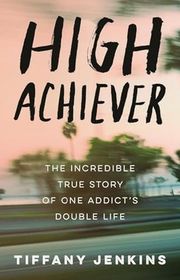
High Achiever
For readers interested in the gap between outward achievement and concealed opioid use. The direct voice gives secrecy and shame a personal context, but criminal justice experiences and detailed accounts of deterioration make this an intense memoir.
What it's about
Jenkins recounts a period when opioid dependence coexisted with a seemingly successful public life. Her memoir follows deception, crime, incarceration, and efforts to rebuild, exploring how an outward image can conceal distress and increasingly compulsive behavior.

For readers interested in memory, identity, and the gap between public competence and private drinking. Its reflective humor makes difficult material approachable, but the focus is alcohol and one woman’s experience rather than drug use more broadly.
What it's about
Hepola recounts the attraction of drinking and the blackouts that left gaps in her memory despite an outwardly successful career. Her memoir follows the recognition that she needed help and the difficult transition to a sober life.

For readers who want a reflective account of alcohol dependence hidden behind professional success. Its attention to self-deception and family patterns gives the memoir depth, though it offers one personal history rather than a general recovery framework.
What it's about
Knapp recounts a twenty-year relationship with alcohol that began in adolescence and continued through college and a successful writing career. The memoir examines concealed drinking, family narratives, destructive relationships, and the difficult process of confronting dependence and recovering.

For readers who prefer a sharply comic voice in a memoir of rehabilitation and early sobriety. Its workplace and social scenes give recovery an everyday setting, but the humor can sit uneasily beside the painful experiences.
What it's about
Augusten Burroughs recalls how heavy drinking disrupted his advertising career and led his employers to send him to rehabilitation. His memoir follows the challenge of returning to familiar Manhattan routines while trying to live sober.

For readers seeking spare, unsentimental fiction drawn from experience of heroin use. Its observational voice differs from the reflective recovery memoirs, but period slang, social attitudes, and clinical assumptions require reading in their historical context.
What it's about
Burroughs's debut novel traces the recurring cycle of narcotic dependency, withdrawal, attempted cures, and relapse. Drawing on his own experiences, it moves through New York, New Orleans, and Mexico City, observing the postwar underground and the daily demands of addiction.

The Recovering
For readers who want recovery considered alongside literature and ideas about creativity. Moving between personal experience and cultural criticism gives it breadth, but the long, digressive structure asks for more patience than a straightforward memoir.
What it's about
Jamison braids her own story of alcoholism and sobriety with the lives of writers and artists shaped by addiction. It is part memoir, part cultural history, and deeply interested in what recovery looks like after the drama ends.
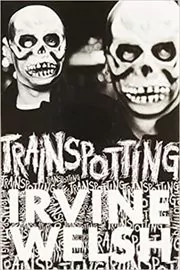
For readers who want fiction rooted in a particular community rather than a redemptive memoir. Its shifting voices capture the social world around heroin use, but the Scots dialect, violence, and abrasive humor require sustained attention.
What it's about
Mark Renton and his circle of friends drift through the heroin scene of 1980s Edinburgh. Written in a raw Scots dialect, this episodic novel captures the highs, lows, and black comedy of addiction and disaffected youth.
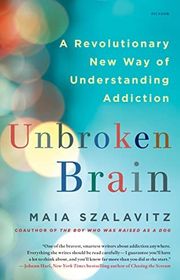
Unbroken Brain
For readers interested in how learning and development might explain addictive behavior. Personal experience makes the argument concrete, but its challenge to established models is an author’s framework rather than a complete account of current clinical thinking.
What it's about
Szalavitz combines memoir, reporting, and research to argue that addiction can be understood through learning and development. The book questions moral and medical labels while exploring how experience, timing, and environment shape patterns of compulsive behavior.
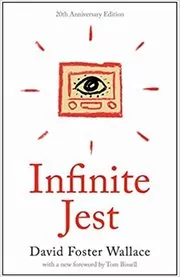
For readers willing to explore dependency through a sprawling experimental novel. Its halfway house scenes connect substance use with wider compulsions, but extensive endnotes, shifting chronology, and unresolved threads make it a demanding reading commitment.
What it's about
In a near-future North America, a tennis academy, a recovery house, and a film so entertaining it destroys viewers begin to connect. The novel is sprawling, funny, sad, and deeply interested in addiction, loneliness, and what people worship.
Also recommended by
4 people Peter Attia recommended this book
Peter Attia
"I have always wanted to read [this book]." - Peter Attia
Peter Attia's recommendation of this book  Mindy Kaling recommended this book
Mindy Kaling
"I totally pretended I’d read it because I wanted [Mike Schur] to think I was cool." - Mindy Kaling
Mindy Kaling's recommendation of this book  Amelia Boone recommended this book
Amelia Boone
"Probably one of my favorite books, but I also read it when I was 21." - Amelia Boone
Amelia Boone's recommendation of this book  Alexandria Ocasio-Cortez recommended this book
Alexandria Ocasio-Cortez
Alexandria Ocasio-Cortez recommended this book on Twitter.
Alexandria Ocasio-Cortez's recommendation of this book
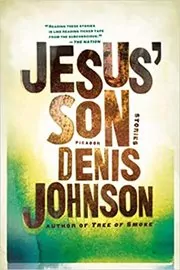
Jesus' Son
For readers who want literary fiction shaped by fragmented perception and moral uncertainty. The linked stories convey disorientation without a neat recovery arc, but their violence, ambiguity, and abrupt shifts can make them demanding company.
What it's about
A linked cycle of stories follows an unnamed, drug-addicted narrator through crashes, hospital shifts, bad love, and flashes of grace. It is raw, funny, and strangely tender without sanding off the damage.
Also recommended by
1 person James Altucher recommended this book
James Altucher
"There was a movie about it and it's a beautiful collection of short stories about this total drug addict." - James Altucher
James Altucher's recommendation of this book

Chasing the Scream
For readers who want a journalistic argument about drug prohibition and its human costs. The international stories broaden the discussion beyond individual choices, but the advocacy perspective and historical reporting require distinction from current policy evidence.
What it's about
Johann Hari recounts a journey prompted by addiction within his own family. Through encounters and individual stories, he questions familiar explanations of addiction and investigates its causes and possible responses.
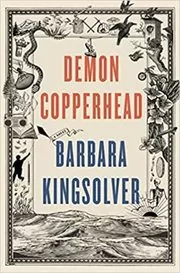
For readers who want addiction situated within poverty, care systems, and a young person’s wider life. The narrator’s humor adds range to the hardship, but its long arc and repeated exploitation make it emotionally demanding.
What it's about
A modern retelling of *David Copperfield* set in the mountains of southern Appalachia. The story follows a boy born into poverty as he navigates foster care, labor, and the opioid crisis. A raw, funny, and devastating look at institutional neglect.

Go Ask Alice
For readers studying how older popular fiction portrayed teenage drug use. The diary format offers cultural context, but it should be approached as fiction, with sensationalized events rather than dependable evidence about addiction or recovery.
What it's about
An unnamed teenage girl records her insecurities, family tensions, and first encounters with drugs in a diary. After unknowingly drinking LSD at a party, she enters a dangerous cycle of dependence in this novel about adolescence and addiction.

For readers interested in addiction within a glamorous, competitive media career. Its restless voice captures the conflict between ambition and self-destruction, but the chaotic structure and explicit accounts of drug use can feel overwhelming.
What it's about
Cat Marnell recounts her rise through New York's beauty journalism world alongside her struggles with prescription drugs and self-destructive behavior. Beginning with her school years, the memoir explores the conflict between career ambition, addiction, and private distress.
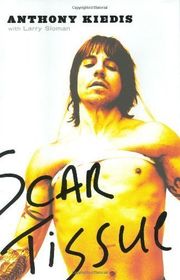
Scar Tissue
For readers who want addiction considered within a musician’s life and the culture around a band. The career narrative gives the story breadth, but explicit sexual material and repeated drug use can overshadow reflection on recovery.
What it's about
Anthony Kiedis recounts his childhood, music career, relationships, and years of drug use in this memoir written with Larry Sloman. The story connects the development of the Red Hot Chili Peppers with recurring struggles over addiction and sobriety.

The Heroin Diaries
For readers who want diary entries placed beside later reflections from a rock musician’s circle. The contrast creates immediacy and hindsight, but graphic drug use and the celebrity setting offer a narrow, highly personal perspective.
What it's about
Nikki Sixx’s diary entries from a period of intense drug use are accompanied by later commentary from people around him. The book contrasts the public life of a touring musician with isolation, deteriorating health, and attempts to understand that period.
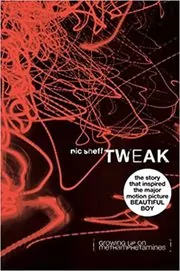
For readers who want a son’s account to place beside the parent’s perspective in Beautiful Boy. Its close view of rationalization and relapse adds another voice, but explicit drug use and distressing experiences can be hard to read.
What it's about
Nic Sheff recounts his addiction to methamphetamine and heroin, repeated relapses, and attempts at recovery. His memoir describes the impact on family and relationships, revealing the distance between believing he could stop and confronting dependence.

For readers who want to connect prescription opioids, heroin markets, and changes in American communities. Its many linked stories reveal a wider system, but the geographic detail and historical scope make it a substantial reporting project.
What it's about
Sam Quinones traces America's opioid epidemic through prescription painkiller marketing and Mexican heroin distribution networks. Reporting from pharmaceutical boardrooms and struggling communities reveals how these forces intersected, following investigators, families, survivors, and the damage left behind.
Also recommended by
2 people Chris Sacca recommended this book
Chris Sacca
"Powerful read." - Chris Sacca
Chris Sacca's recommendation of this book  Marc Maron recommended this book
Marc Maron
"Holy shit! This is a great book." - Marc Maron
Marc Maron's recommendation of this book

For readers interested in wealth, pharmaceutical marketing, and institutional accountability. The multigenerational family history provides a different scale from personal memoirs, but its corporate and legal detail gives less space to the daily experience of recovery.
What it's about
Keefe investigates three generations of the Sackler family, tracing their pharmaceutical fortune and cultural influence. The narrative examines drug marketing, OxyContin, and the opioid crisis while considering the relationship between immense wealth, public reputation, and accountability.
Also recommended by
1 person Ryan Shea recommended this book
Ryan Shea
Ryan Shea recommended this book on his website.
Ryan Shea's recommendation of this book

For readers curious about an argument that emphasizes learning and brain development over disease language. Case narratives make the theory accessible, but its opposition to the disease model is a contested position rather than settled clinical consensus.
What it's about
Marc Lewis challenges the disease model of addiction through neuroscience and the experiences of five people. He argues that addictive behavior develops through intensified learning and desire, exploring how changing habits and personal circumstances can contribute to recovery.
Also recommended by
1 person Esther Dyson recommended this book
Esther Dyson
"Addiction is short-term desire. Purpose is long-term desire." - Esther Dyson
Esther Dyson's recommendation of this book
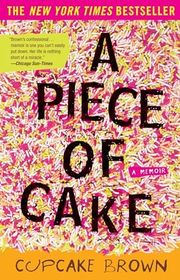
A Piece of Cake
For readers who want a life story that places substance use within homelessness, exploitation, and disrupted care. The scope extends well beyond addiction, but detailed accounts of abuse and sexual violence make the memoir especially distressing.
What it's about
Brown recounts childhood bereavement, abusive foster care, homelessness, and substance use before describing efforts to change her life. Her memoir follows precarious relationships and survival across many years, connecting the struggle with addiction to a wider personal history.

For readers who want reporting grounded in families and communities affected by opioids. Its movement between local lives and larger institutions gives the crisis human scale, but the accumulated losses and historical treatment barriers make for difficult reading.
What it's about
Macy investigates America's opioid epidemic through the experiences of affected communities and families. Her reporting connects corporate decisions, medical practice, regulatory failures, and drug dealing with the personal costs of addiction and the struggle to respond to it.

For readers interested in the collision between early motherhood and a return to drinking. The close attention to secrecy and shame makes the experience immediate, but the distressing parenting situations and alcohol focus can be difficult.
What it's about
After becoming a mother, Jowita Bydlowska returns to drinking following years of sobriety. Her memoir recounts concealed binges, blackouts, anxiety, and attempts at treatment, exploring the conflict between caring for her child and living with an addiction she struggles to acknowledge.

For readers who want a celebrity memoir that addresses concealed alcohol and pill use. The comic voice offers a distinctive perspective on public success and private distress, but severe illness makes parts of the account upsetting.
What it's about
Actress Kristen Johnston recounts the alcohol and pill addiction concealed behind her public success. A life-threatening medical crisis while working in London forces her to confront that history, framing a candid memoir about shame, self-destruction, and the difficult work of recovery.

For readers seeking a bereaved parent’s account of alcoholism and the limits of family intervention. Diaries and recollections give the daughter’s life particularity, but the grief-centered narrative is emotionally difficult and belongs to an earlier treatment context.
What it's about
Following his daughter Terry's death, George McGovern examines her long struggle with alcoholism through diaries, medical records, and conversations with people who knew her. His account combines a father's grief with questions about addiction, treatment, and the limits of family intervention.
Sources
- 1
100 Must-Read Books About Addiction
bookriot.com
- 2
Best 20 Books About Addiction Recovery
brightviewhealth.com
- 3
Recommended Books
addictioneducationsociety.org
- 4
14 Best Addiction Books: Science, Stories & Memoirs
selfrecovery.org
- 5
Addiction Books
goodreads.com
- 6
Books about people addicted to drugs
reddit.com
- 7
Books on Drug Addiction
reddit.com
- 8
10 Best Books About Addiction
publishersweekly.com
- 9
National Recovery Month: 29 Books on Addiction and Recovery
bpl.bibliocommons.com
- 10
The best books on Addiction
fivebooks.com
- 11
The Best Novels on Drug Addiction
fivebooks.com





Edited by
Software engineer whose passion for tracking book recommendations from podcasts inspired the creation of MRB.
Lead investor at 3one4 Capital whose startup expertise and love for books helped shape MRB and its growth.
Comments
Spotted a missing book, a wrong order or a mistake? Tell us and we'll fix this page.
We're a reading guide, not the author or publisher, so we can't send books or pass on messages.