
6 Best African History Books
The best African history books, ranked by how many expert sources recommend each one, with notes on who each suits, from broad surveys to focused accounts.
Our take
African history stretches from the origins of humanity through ancient states, trading networks, empires, colonial rule, and independence. No single book can represent every region or historical experience. A continental survey helps establish connections across time and place; a focused study makes it easier to examine particular institutions, communities, and political choices.
Zeinab Badawi's An African History of Africa offers a broad introduction that foregrounds African voices. John Reader's Africa places history alongside the continent's physical environment and human development. The more focused books here concentrate on colonial and modern political history. King Leopold's Ghost examines exploitation in the Congo, while The Congo extends the view into subsequent political struggles. It's Our Turn to Eat follows a Kenyan whistleblower, and The Looting Machine investigates resource wealth and the networks around it. Start with Badawi or Reader for orientation, then choose a regional or thematic account rather than expecting one country's experience to stand for the continent.
6 books · 9 sources · Last updated
As an Amazon Associate, we earn from qualifying purchases (at no extra cost to you).
How to choose from this list
Skip to the full rankingIf you want a continental introduction: An African History of Africa → Africa
If you want to study the Congo: King Leopold's Ghost → The Congo
If you want a focused account of Kenyan politics: It's Our Turn to Eat
If you want to explore resource wealth and power: The Looting Machine
The 6 books, ranked
Ranked by how many expert sources name each book. Ties go to the book more people recommend.

For readers seeking an accessible entry into colonial violence in the Congo, Hochschild gives exploitation and the campaign against it a strong narrative shape. Its concentrated period and reform movement leave later Congolese history to other books.
What it's about
Adam Hochschild recounts King Leopold II's exploitation of the Congo and the violence behind its rubber trade. The history also follows missionaries, travelers, and activists who exposed the abuses and organized an international campaign against them.
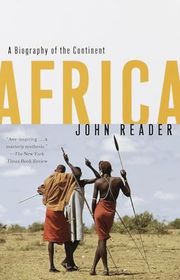
Africa: A Biography of the Continent
For readers who want human history connected with geography, ecology, and deep time, Reader offers a wider frame than the political case studies here. Its length requires commitment, and its modern chapters reflect the period when it was written.
What it's about
John Reader surveys Africa through its geology, environments, human origins, and diverse societies. The account connects ecological conditions with trade, settlement, slavery, colonialism, and later political change, placing historical developments within the continent’s long physical and human past.
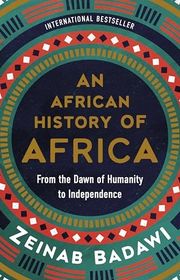
An African History of Africa: From the Dawn of Humanity to Independence
For readers seeking a broad first history that foregrounds African perspectives, Badawi provides an accessible route beyond colonial-era accounts. The scale makes it useful for orientation, though individual regions and debates necessarily receive limited space.
What it's about
Zeinab Badawi traces African history from humanity’s origins through ancient civilizations, medieval empires, slavery, colonial conquest, and independence. Travel and conversations with historians and other African knowledge holders shape an account emphasizing the continent’s own perspectives.

The Looting Machine
Warlords, Oligarchs, Corporations, Smugglers, and the Theft of Africa's Wealth
For readers interested in how resource wealth connects political power with international business, Burgis offers reporting across several countries. Its thematic connections are useful, though the focus on extraction and corruption gives a selective picture of African life.
What it's about
Tom Burgis investigates networks that profit from Africa's oil, minerals, and other natural resources. Reporting connects political rulers, corporations, financiers, smugglers, and armed groups with the poverty and violence experienced by communities around them.

For readers who understand political systems best through one person’s choices, Wrong offers a focused Kenyan case. Its close reporting gives corruption a human scale, though this national story cannot substitute for a wider history of the continent.
What it's about
Wrong follows Kenyan anticorruption official John Githongo as he uncovers wrongdoing within the government he serves. His decision to expose powerful allies illuminates the pressures of ethnic loyalty, political patronage, and personal risk in confronting entrenched corruption.

For readers wanting Congolese political history beyond Leopold’s rule, Nzongola-Ntalaja offers a longer view centered on popular struggle. Its analytical detail demands more attention than a narrative introduction, and the account ends before many subsequent developments.
What it's about
Georges Nzongola-Ntalaja traces Congolese political history from colonial rule through independence, Mobutu's dictatorship, and the Kabila era. His account emphasizes popular resistance, foreign exploitation, and the struggle to establish democratic institutions.
Sources
- 1
The Guardian compiles a list of the top African history books
sundaytimes.timeslive.co.za
- 2
The 100 Greatest African History Books
listmuse.com
- 3
25+ of the Best Books on African History
historychronicler.com
- 4
Africa - History, Reading Lists
guides.pnw.edu
- 5
African History Books
goodreads.com
- 6
African history books recommendations
reddit.com
- 7
African history
fivebooks.com
- 8
Books About African History by African Writers
fivebooks.com
- 9
20 top books about Africa
malwarwickonbooks.com






Edited by
Software engineer whose passion for tracking book recommendations from podcasts inspired the creation of MRB.
Lead investor at 3one4 Capital whose startup expertise and love for books helped shape MRB and its growth.
Comments
Spotted a missing book, a wrong order or a mistake? Tell us and we'll fix this page.
We're a reading guide, not the author or publisher, so we can't send books or pass on messages.