
Yngling Books in Order
Part ofJohn Dalmas Books in OrderBrowse the Yngling books by John Dalmas in order, with quick summaries, series background, and a handy guide to where to start.
Last updated:
As an Amazon Associate, we earn from qualifying purchases (at no extra cost to you).
Yngling books in publication order
4 books
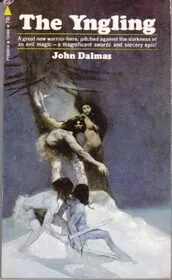
The Yngling
by John Dalmas
1971
In a violent post-apocalyptic Europe, the young warrior Nils may be the only person who can unite scattered tribes against the telepathic tyrant Kazi. His path to leadership is rough, mystical, and anything but certain.
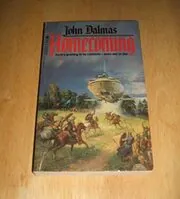
Homecoming
by John Dalmas
1984
The Yngling saga widens as forces from beyond ruined Earth begin to re-enter the story. Old tribal wars, strange allies, and the hope of a different future all complicate Nils's fight against Kazi.
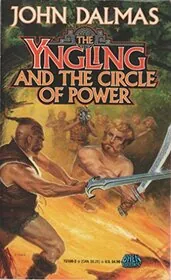
The Yngling and the Circle of Power
by John Dalmas
1992
Blind but undefeated, Nils serves the neo-Vikings as lawgiver and peacemaker. Now he must face a conqueror with an enormous army, testing whether vision of the mind can stand against brute force and empire.
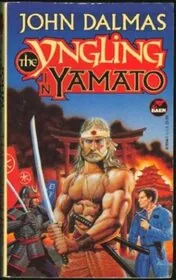
The Yngling In Yamato
by John Dalmas
1994
Nils, the tribe-free lawgiver known as the Yngling, travels to Japan with his Star Men allies to seek a renowned holy man. The voyage goes badly, and the journey becomes a hard test of endurance, judgment, and power.
Yngling books in chronological order
Series background & context
The Yngling books are post-apocalyptic science fantasy with a strong saga flavor. Earth has not ended so much as changed shape, and the result is a rough future that echoes old Norse legend while still keeping one foot in science fiction.
The central figure is Nils, usually known simply as the Yngling. In the early books he is the young warrior who may be the only person able to pull scattered tribes together against a telepathic tyrant called Kazi, whose armies are pushing west into Europe. That gives The Yngling a classic rise-to-leadership shape, but the series never stays simple for long.
It keeps getting wider.
Homecoming and the later books show that the future is stranger than the tribes know. Star-born humans begin to re-enter the story, old histories matter, and the line between myth and technology keeps shifting. Dalmas uses that tension well. The world can feel like heroic fantasy right up until some buried piece of future history reminds you otherwise.
By the time of The Yngling and the Circle of Power, Nils has changed from a promising fighter into a lawgiver and peacemaker, a man trying to hold fractured peoples together rather than merely defeat one enemy. He is blind in that book, but his inner vision only sharpens the sense that leadership here is as much spiritual and mental as physical. The Yngling in Yamato pushes the journey farther east, sending him toward Japan with Star Men allies and turning travel, endurance, and judgment into the main tests.
Setting is everything in this series. Dalmas imagines a ruined Earth where tribes, horses, blades, holy men, and local loyalties make perfect sense, yet the broader frame still belongs to science fiction. That mix gives the books their texture. They feel old and far future at the same time.
The tone is mythic but not precious. There are battles, travel hardships, clan politics, strange powers, and a lot of time spent on what sort of authority anyone can honestly claim in a broken world.
If you like your speculative fiction a little wild around the edges, this is where the Yngling books shine. They are about unifying people who do not want to be unified, carrying power without fully owning it, and searching for peace in a world that keeps remaking itself through violence.



Edited by
Software engineer whose passion for tracking book recommendations from podcasts inspired the creation of MRB.
Lead investor at 3one4 Capital whose startup expertise and love for books helped shape MRB and its growth.
Comments
Did we miss something? Have feedback?
Help us improve this page by sharing your thoughts