
The Millenium Books in Order
Part ofJohn Dalmas Books in OrderSee the Millenium books by John Dalmas in order, with short summaries, series background, and where to start with his late spiritual SF.
Last updated:
As an Amazon Associate, we earn from qualifying purchases (at no extra cost to you).
The Millenium books in publication order
2 books
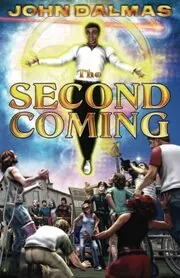
The Second Coming
by John Dalmas
2004
A near-future crisis story that mixes geopolitics, faith, and apocalypse. As signs of a messianic return seem to draw closer, ordinary people and power brokers alike are forced to decide what they truly believe.
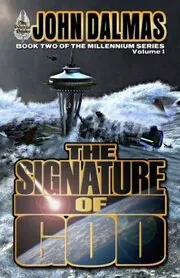
The Signature of God
by John Dalmas
2013
This follow-up to The Second Coming moves from prophecy to aftermath. After a shattering global disaster and the loss of a key leader, survivors try to rebuild a better world and test whether humanity can really change.
The Millenium books in chronological order
Series background & context
This short late-career series sits near the spiritual end of Dalmas's work. It is science fiction, but it leans hard into questions of prophecy, history, belief, and what people do when they think the world is nearing a turning point.
The Second Coming opens that conversation in a near-future world where religion and geopolitics are no longer easy to keep apart. People at very different levels of power, believers, doubters, officials, and ordinary citizens, are all forced to read the same unsettling signs and decide what they mean. The tension comes from interpretation as much as action.
This is end-times fiction, but it stays interested in people.
Dalmas does not treat the idea of a messianic return as a simple spectacle. What matters more is how societies react when faith stops feeling abstract. Some characters see hope. Some see opportunity. Some see danger. The books keep circling the same practical question, what happens to politics, loyalty, and everyday life when history suddenly feels larger than anyone can manage.
The Signature of God carries the story past warning and into aftermath. Disaster and loss push the series from expectation into rebuilding, and the focus shifts toward second chances. That gives the books a wider emotional range than the titles alone might suggest. They are not only about collapse. They are also about whether human beings can learn anything when they are forced to start over.
The tone is earnest, idea-driven, and unusually direct. Dalmas is not chasing slick cynicism here. He is much more interested in ethics, conscience, and the stubborn question of whether civilization can be steered toward mercy instead of brute force.
If you like science fiction that argues with religion, history, and politics all at once, this is the appeal of the series. It is compact, but it reads like one continuing meditation on proof, catastrophe, and the difficult hope that people might yet choose better.








Edited by
Software engineer whose passion for tracking book recommendations from podcasts inspired the creation of MRB.
Lead investor at 3one4 Capital whose startup expertise and love for books helped shape MRB and its growth.
Comments
Did we miss something? Have feedback?
Help us improve this page by sharing your thoughts