
The Regiment Books in Order
Part ofJohn Dalmas Books in OrderSee The Regiment books by John Dalmas in order, with short summaries, series background, and clear starting points for this military SF saga.
Last updated:
As an Amazon Associate, we earn from qualifying purchases (at no extra cost to you).
The Regiment books in publication order
5 books
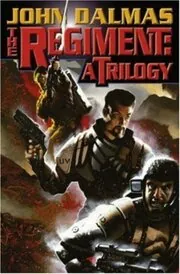
The Regiment
by John Dalmas
1987
On the poor world of Tyss, soldiers are its chief export, and they are unlike any others in known space. When a reporter travels with one of these mercenary regiments, he gets an intimate look at war and discipline.
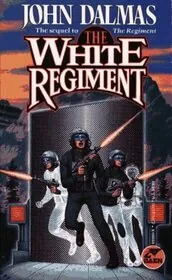
The White Regiment
by John Dalmas
1990
As Tyss begins training warriors from other worlds, the Confederation hopes to borrow the mystic edge for its own survival. The result is a new regiment, hard-won loyalties, and a broader war that tests the value of the training.
The Kalif's War
by John Dalmas
1991
After defeat on the battlefield, the Kalif turns to fleet-building, court intrigue, and ruthless ambition to carry his faith into Confederation space. This side entry broadens the Regiment saga by showing the enemy from within.
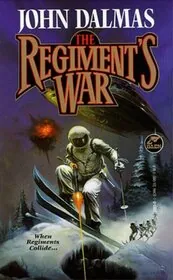
The Regiment's War
by John Dalmas
1993
War turns painfully personal when Tyss-trained forces end up on opposing sides. This installment deepens the Regiment saga by testing loyalty, philosophy, and what the Tyss way means when brothers in training must fight.

The Three-Cornered War
by John Dalmas
1998
The Confederation's long technological stagnation becomes a crisis when a far stronger rival power enters the picture. Dalmas widens the Regiment saga into a strategic, high-stakes conflict with the survival of whole worlds in the balance.
The Regiment books in chronological order
Series background & context
The Regiment is one of Dalmas's best-known series, and it shows why his military science fiction stands out. The setup is simple and odd in the best way. On the poor planet Tyss, the great export is not minerals or machinery but soldiers, trained so thoroughly that other worlds will pay dearly to hire them.
Those soldiers are more than ordinary mercenaries. Tyss's hidden disciplines make them formidable fighters and something closer to mystic warriors as well. Their training shapes not only what they can do in battle, but how they think about duty, self-command, and the uses of force.
That difference is the whole point.
The Regiment opens by bringing outsiders into that world, including a reporter who is meant to help sell the image of one regiment and ends up learning how strange and serious Tyss's military culture really is. As the series moves through The White Regiment and The Regiment's War, Dalmas widens the lens. Training spreads beyond Tyss, new units form, and what starts as contract warfare begins to look like preparation for something much larger.
That larger threat is one of the pleasures of the series. The books slowly reveal that the Confederation has grown comfortable, stagnant, and less prepared than it thinks. A rival power with stronger technology and a much more aggressive vision of expansion is waiting in the wings. The Kalif's War deepens that pressure by showing part of the conflict from the other side, while The Three-Cornered War turns the whole setup into a much broader struggle for survival.
There is no single chosen-one arc here. The continuing protagonists are cultures, regiments, officers, trainees, and the people trying to understand what Tyss has built. Characters want survival, honor, military effectiveness, and sometimes simple clarity about what kind of force they are becoming.
The tone is grounded and tactical, but also philosophical without getting airy. Dalmas likes campaign planning, logistics, and battlefield competence. He also keeps returning to the moral question behind all of it, what disciplined violence is for, and what kind of society has the right to ask it of its people.
So if you are coming to this series fresh, expect more than space battles. The draw is the mix of culture, method, and high-stakes war, all built around the idea that the best soldiers are dangerous not only because they fight well, but because they know exactly why they are fighting.






Edited by
Software engineer whose passion for tracking book recommendations from podcasts inspired the creation of MRB.
Lead investor at 3one4 Capital whose startup expertise and love for books helped shape MRB and its growth.
Comments
Did we miss something? Have feedback?
Help us improve this page by sharing your thoughts