
William Faulkner Books in Order
Explore William Faulkner books in order, with concise summaries, series guides, background on Yoknapatawpha County, and helpful places to begin.
Last updated:
As an Amazon Associate, we earn from qualifying purchases (at no extra cost to you).
William Faulkner books in publication order
44 books

Soldiers' Pay
by William Faulkner
1926
Donald Mahon returns to Georgia badly wounded after World War I, and the people around him must face what the war has changed. Faulkner's first novel follows love, jealousy, loss, and disillusionment at home.
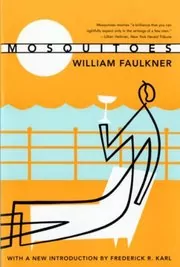
Mosquitoes
by William Faulkner
1927
A group of artists, writers, and socialites gathers for a weekend on a yacht near New Orleans. Faulkner's early comic novel pokes at artistic posing, romantic confusion, and the gap between talk and talent.
Wishing Tree
by William Faulkner
1927
On her birthday, Dulcie and her friends meet a magical guide and set out to find a tree that grants wishes. Faulkner's children's story is a playful fantasy about imagination, friendship, and choosing wisely.
Sartoris
by William Faulkner
1929
The Sartoris family tries to hold onto its old place in Mississippi after World War I. Young Bayard Sartoris struggles with grief, reckless habits, and the heavy expectations attached to his family name.
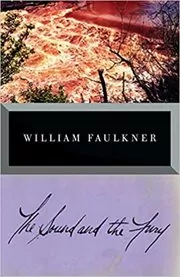
The Sound and the Fury
by William Faulkner
1929
The decline of the Compson family unfolds through several fractured viewpoints, including the brothers Benjy, Quentin, and Jason. Memory, obsession, and resentment turn one Mississippi family's private history into a demanding, intimate drama.
Recommended by
1 person Oprah Winfrey recommended this book
Oprah Winfrey
Oprah Winfrey recommended this book in "Oprah's Book Club."
Oprah Winfrey's recommendation of this book

A Rose for Emily
by William Faulkner
1930
After the death of Emily Grierson, the people of Jefferson look back on the strange, guarded life she led. This Gothic story uses town gossip and withheld details to uncover a disturbing private history.
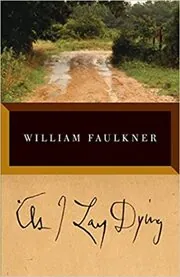
As I Lay Dying
by William Faulkner
1930
After Addie Bundren dies, her family undertakes a punishing journey to bury her in her hometown. Told through many voices, this darkly funny novel reveals grief, self-interest, endurance, and family life at its most strained.
Recommended by
2 people- Oprah Winfrey recommended this book
Oprah Winfrey
Oprah Winfrey recommended this book in "Oprah's Book Club."
Oprah Winfrey's recommendation of this book  Charles Koch recommended this book
Charles Koch
Charles Koch recommended this book on his website.
Charles Koch's recommendation of this book

Sanctuary
by William Faulkner
1931
College student Temple Drake becomes caught in a violent criminal world after taking shelter at an isolated Mississippi house. The fallout draws lawyer Horace Benbow into a grim story of fear, exploitation, and failed justice.

These 13
by William Faulkner
1931
This early collection gathers thirteen stories, including “A Rose for Emily,” “That Evening Sun,” and “Dry September.” It offers compact visits to Faulkner's Mississippi, where ordinary routines often hide fear, conflict, and history.
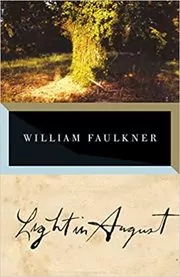
Light in August
by William Faulkner
1932
In a Mississippi town, the lives of Lena Grove, Joe Christmas, and Reverend Hightower cross under the pressure of loneliness, rumor, and racial hatred. Faulkner builds a tense, tragic story around identity and belonging.
Recommended by
2 people Adam Sessler recommended this book
Adam Sessler
Adam Sessler recommended this book on Twitter.
Adam Sessler's recommendation of this book - Oprah Winfrey recommended this book
Oprah Winfrey
Oprah Winfrey recommended this book in "Oprah's Book Club."
Oprah Winfrey's recommendation of this book

Doctor Martino and Other Stories
by William Faulkner
1934
A varied early story collection featuring troubled families, wounded veterans, artists, laborers, and outsiders. These tales show Faulkner moving between Mississippi settings and more experimental pieces while refining his approach to character and voice.
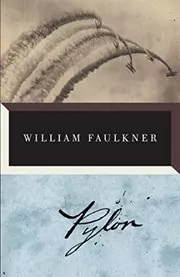
Pylon
by William Faulkner
1935
A New Orleans reporter becomes fascinated by a restless group of barnstorming pilots and their unusual household. Set around an air show, the novel follows people chasing speed, danger, and a life outside convention.
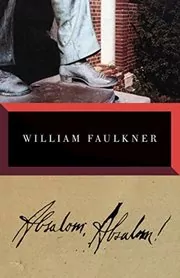
Absalom, Absalom!
by William Faulkner
1936
Quentin Compson and his friend Shreve try to piece together the life of Thomas Sutpen, a man who built a grand Mississippi estate on a ruthless plan. Each retelling exposes more uncertainty, damage, and obsession.
Recommended by
1 person- Adam Sessler recommended this book
Adam Sessler
Adam Sessler recommended this book on Twitter.
Adam Sessler's recommendation of this book
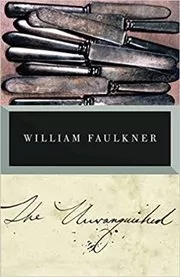
The Unvanquished
by William Faulkner
1938
These linked Civil War and Reconstruction stories follow Bayard Sartoris as he grows up in Yoknapatawpha County. Family pride, guerrilla warfare, and the difficult choices of peace test what courage and honor can mean.
Recommended by
1 person- Adam Sessler recommended this book
Adam Sessler
Adam Sessler recommended this book on Twitter.
Adam Sessler's recommendation of this book
Barn Burning and other stories
by William Faulkner
1939
This collection centers on “Barn Burning,” Faulkner's story of a boy caught between conscience and family loyalty. The accompanying tales offer more compact portraits of Southern communities, buried resentments, and difficult moral choices.
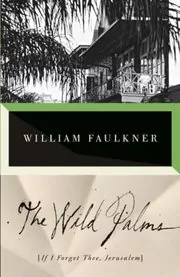
The Wild Palms / If I Forget Thee Jerusalem
by William Faulkner
1939
Two alternating stories run side by side: a couple risk everything for their affair, while a convict is swept into a Mississippi flood rescue. Love, duty, freedom, and confinement echo across both narratives.
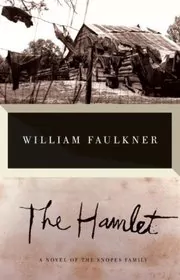
The Hamlet
by William Faulkner
1940
In rural Frenchman's Bend, Flem Snopes begins his steady rise by exploiting money troubles, family ties, and local weaknesses. The first Snopes novel mixes broad comedy with a sharp look at greed and power.
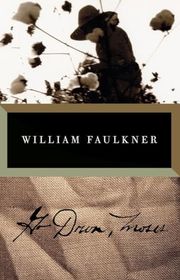
Go Down, Moses
by William Faulkner
1942
A sequence of linked stories follows the McCaslin family and the people bound to its land across generations. Questions of slavery, inheritance, race, wilderness, and responsibility gather into a powerful Yoknapatawpha chronicle.
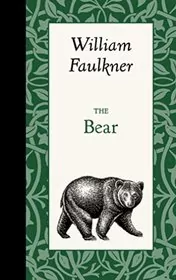
The Bear
by William Faulkner
1942
Young Ike McCaslin learns to hunt in the Mississippi wilderness under the guidance of Sam Fathers. His pursuit of an old bear becomes a larger story about land, inheritance, freedom, and the end of a way of life.
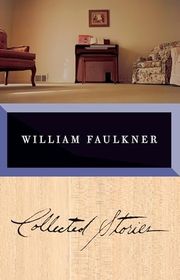
Collected Stories
by William Faulkner
1948
This wide-ranging collection brings together forty-two Faulkner stories from across his career. It includes dark Gothic pieces, comic tales, war stories, and recurring Yoknapatawpha characters, making it a strong survey of his short fiction.
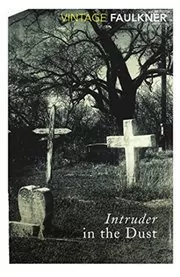
Intruder in the Dust
by William Faulkner
1948
When Lucas Beauchamp, a Black farmer, is accused of murder, teenager Chick Mallison begins to doubt the case against him. A tense investigation confronts racial prejudice and mob violence in a Mississippi town.

Knight's Gambit
by William Faulkner
1949
Six linked mysteries feature Jefferson lawyer Gavin Stevens as he investigates family secrets, crimes, and local scandals. The stories blend detective plotting with Faulkner's interest in memory, class, race, and small-town judgment.
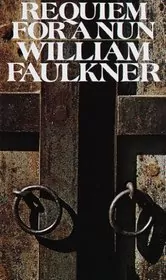
Requiem for a Nun
by William Faulkner
1950
Years after *Sanctuary*, Temple Drake seeks help for Nancy Mannigoe, a nurse condemned for killing Temple's infant child. Part novel and part play, the book links private guilt to the history of Jefferson, Mississippi.
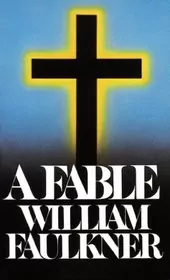
A Fable
by William Faulkner
1954
During World War I, a French corporal's refusal to fight sparks a wider challenge to military authority. Faulkner turns the conflict into a large-scale moral story about war, sacrifice, faith, and obedience.
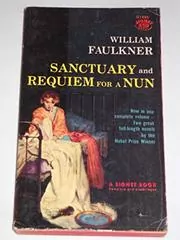
Sanctuary and Requiem for a Nun
by William Faulkner
1954
This volume pairs Faulkner's dark crime novel *Sanctuary* with its later follow-up, *Requiem for a Nun*. Together they follow Temple Drake and explore violence, guilt, public judgment, and the troubled history of Jefferson.
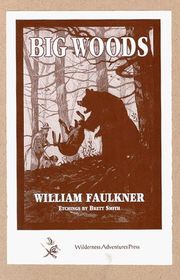
Big Woods
by William Faulkner
1955
Four connected hunting stories return to the Mississippi wilderness and the people shaped by it. Centered on Ike McCaslin's world, the collection includes “The Bear” and reflects on land, animals, tradition, and change.
Selected Short Stories
by William Faulkner
1956
A broad selection of Faulkner's short fiction, from Gothic town stories to Yoknapatawpha family dramas. It is a useful introduction to his recurring settings, shifting perspectives, sharp humor, and ability to make a small moment matter.
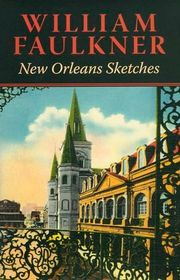
New Orleans Sketches
by William Faulkner
1957
These early sketches capture New Orleans street life, artists, drifters, and odd encounters with a young writer's curiosity. They show Faulkner before Yoknapatawpha County, trying out urban observation, satire, and compressed storytelling.
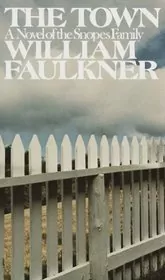
The Town
by William Faulkner
1957
Flem Snopes leaves Frenchman's Bend and begins making his way in Jefferson, Mississippi. Told by several town observers, the novel watches his quiet climb through business, marriage, gossip, and other people's underestimation.
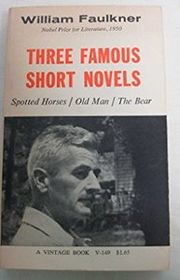
Three Famous Short Novels
by William Faulkner
1958
This collection brings together three shorter Faulkner works in one volume. It offers a concentrated introduction to his Mississippi world, where family history, class, race, memory, and the natural landscape shape every decision.
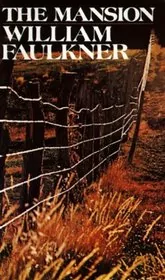
The Mansion
by William Faulkner
1959
Flem Snopes has become a powerful figure in Jefferson, but old enemies and old wounds have not disappeared. The final Snopes novel brings years of small-town ambition, resentment, and revenge toward a reckoning.
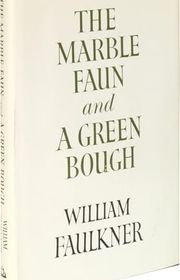
Marble Faun and a Green Bough
by William Faulkner
1960
This volume collects Faulkner's early poetry, written before his fiction career took hold. The poems reveal his interest in romantic imagery, classical references, landscapes, and the musical possibilities of language.
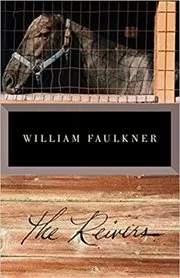
The Reivers
by William Faulkner
1962
Eleven-year-old Lucius Priest joins Boon Hogganbeck and Ned McCaslin in stealing his grandfather's automobile for a trip to Memphis. Their misadventure becomes a lively coming-of-age tale about trouble, loyalty, and consequences.

Uncle Willy and Other Stories
by William Faulkner
1967
A collection of Faulkner stories featuring eccentric locals, strained families, and people facing sudden pressure. The pieces move between humor and darkness while returning to the social rules and hidden tensions of the American South.
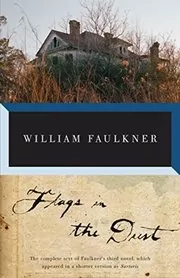
Flags in the Dust
by William Faulkner
1973
This fuller version of *Sartoris* returns to the Sartoris family after World War I. Bayard struggles with loss and recklessness while the older generation watches its social world change beyond recognition.
Jealousy and Episode
by William Faulkner
1977
This slim volume presents two early Faulkner pieces from before his major novels. It is most useful for readers interested in his formative experiments with mood, dialogue, romantic conflict, and literary style.
Mayday
by William Faulkner
1978
This early Faulkner work is a compact, experimental tale shaped by romance, fantasy, and dark humor. It offers a glimpse of a young writer testing forms and themes before the Mississippi novels made his name.

The Marionettes
by William Faulkner
1978
This early one-act play gathers Faulkner's youthful dramatic writing in a theatrical form. Its characters and stylized situation show him experimenting with performance, desire, and the uneasy roles people play for one another.
Uncollected Stories of William Faulkner
by William Faulkner
1979
This posthumous gathering collects stories Faulkner did not include in his lifetime books. It gives readers a fuller view of his working process, including early experiments, lesser-known Mississippi tales, and material later reshaped for novels.

Road to Glory
by William Faulkner
1981
Written with Joel Sayre, this screenplay tells a World War I story centered on soldiers serving at the front in France. It shows Faulkner working in the direct, scene-driven form of Hollywood war drama.
Barn Burning
by William Faulkner
1996
Young Sarty Snopes is torn between loyalty to his father and his growing sense that his father's violence is wrong. When Abner Snopes targets another landowner, Sarty must decide what kind of life he can live.
The Essential Faulkner
by William Faulkner
2013
This anthology offers a guided sampling of Faulkner's novels and short fiction. It is designed to introduce the recurring families, towns, moral conflicts, and distinctive storytelling methods that make up his larger fictional world.
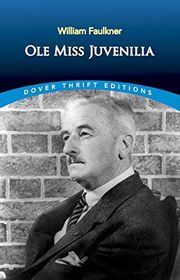
Ole Miss Juvenilia
by William Faulkner
2018
This collection gathers Faulkner's youthful writing from his University of Mississippi years. Poems, prose, drawings, and campus pieces reveal the interests and habits of a writer still finding the subjects and forms he would pursue.
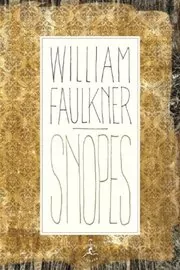
Snopes
by William Faulkner
Collecting The Hamlet, The Town, and The Mansion, this trilogy follows the ambitious Snopes family’s rise in rural Mississippi. Flem Snopes’s pursuit of money and influence exposes changing class relations, exploitation, and moral compromises in Faulkner’s fictional county.
Recommended by
1 person- Adam Sessler recommended this book
Adam Sessler
Adam Sessler recommended this book on Twitter.
Adam Sessler's recommendation of this book
Where to start with William Faulkner
For a clear first novel: Light in August → As I Lay Dying → The Sound and the Fury
For a Southern family saga: Sartoris → The Sound and the Fury → Absalom, Absalom!
For the Snopes story: The Hamlet → The Town → The Mansion
For short fiction: Barn Burning → The Bear → Collected Stories
William Faulkner sub-series and character series
William Faulkner collections, short stories, and related book types
Short Stories/Novellas
Short Story Collections
Standalone William Faulkner books
Author bio
William Faulkner was born in New Albany, Mississippi, on September 25, 1897, but Oxford was the place that shaped him. His family moved there when he was young, and the town, its history, and the people around it stayed with him for the rest of his life.
He grew up hearing family stories about the Civil War, local legends, and older generations. His mother, Maud, his grandmother, Leila, and Caroline Barr, a Black woman who helped raise him, all encouraged his early imagination in different ways. Oxford later became the model for Jefferson and the larger fictional Yoknapatawpha County.
Faulkner did not take a neat path into a writing career. He left school without graduating, trained with the Royal Air Force during World War I, spent time at the University of Mississippi, worked in a New York bookstore, and wrote for a newspaper in New Orleans. He began with poetry, then turned to fiction.
His first novel, Soldiers' Pay, appeared in 1926. Early books such as Mosquitoes and Sartoris showed him testing out settings, families, and forms that would return throughout his work. By the time he wrote The Sound and the Fury, he was willing to let several voices, broken chronology, and private thoughts carry a story.
That risk became central to his work.
Many of Faulkner's best-known books take place in Yoknapatawpha County, a made-up corner of Mississippi that feels lived in because its people and places keep reappearing. The Compsons, Sartorises, Snopeses, McCaslins, and Stevens family all help build a long, tangled picture of the South before and after the Civil War.
His books often deal with family pressure, money, land, race, memory, violence, and the ways people try to live with the past. As I Lay Dying follows a poor family's difficult trip to bury their mother. Light in August brings several damaged lives together in a town full of suspicion. Absalom, Absalom! circles around the story of Thomas Sutpen and the ruin left by his ambition.
Faulkner could also be surprisingly funny. The Snopes novels, beginning with The Hamlet, track the rise of Flem Snopes and his grasping relatives with a sharp eye for small-town schemes. His short fiction ranges from the family conflict of “Barn Burning” to the wilderness stories gathered in Big Woods.
He supported himself at times by writing in Hollywood, including work on films such as To Have and Have Not and The Big Sleep. Back in Mississippi, he lived and wrote at Rowan Oak, his Oxford home.
In 1949, Faulkner received the Nobel Prize in Literature. He later won the Pulitzer Prize for A Fable, and The Reivers received another Pulitzer after his death in 1962. His work can be demanding, but it rewards patience with people who are complicated, stubborn, funny, frightened, and unmistakably human.




Edited by
Software engineer whose passion for tracking book recommendations from podcasts inspired the creation of MRB.
Lead investor at 3one4 Capital whose startup expertise and love for books helped shape MRB and its growth.
Comments
Did we miss something? Have feedback?
Help us improve this page by sharing your thoughts