
Wallace Stegner Books in Order
Browse Wallace Stegner books in order, with short summaries, series links, a brief biography, and a simple guide to where to start reading.
Last updated:
As an Amazon Associate, we earn from qualifying purchases (at no extra cost to you).
Wallace Stegner books in publication order
41 books
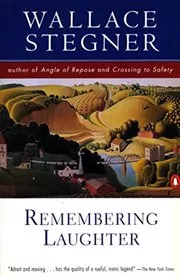
Remembering Laughter
by Wallace Stegner
1937
On an Iowa farm, a marriage is undone when a husband's bond with his wife's sister turns into betrayal. Stegner's debut is a compact tragedy about desire, secrecy, and the long chill that follows one bad choice.
The Potter's House
by Wallace Stegner
1938
This rare early novella tells of a deaf potter, his troubled wife, and the children caught between them. Stegner builds the story through visual detail, giving the family struggle an unusual, stripped-down intensity.
On a Darkling Plain
by Wallace Stegner
1940
Set on the Saskatchewan plains during the 1918 flu epidemic, this early novel follows a war-scarred man forced out of isolation. It is a somber story about grief, community, and the weight of memory.
Fire and Ice
by Wallace Stegner
1941
A radical college student lets anger and ideology push him toward a personal and moral crisis. This early novel is darker than much of Stegner's later work, but already sharp about character under pressure.
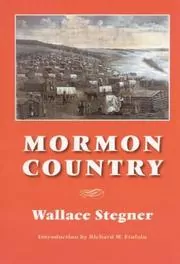
Mormon Country
by Wallace Stegner
1942
Part of the American Folkways series, this book explores Mormon settlement in the dry Intermountain West. Stegner looks at landscape, custom, community, and the practical work of building a society in hard country.
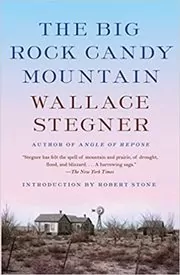
The Big Rock Candy Mountain
by Wallace Stegner
1943
Bo Mason drags his wife Elsa and their sons through the American and Canadian West in search of fortune and stability. The result is a sprawling family saga about charm, damage, and the cost of restless ambition.
Second Growth
by Wallace Stegner
1947
Set in a New Hampshire village over the course of a summer, this linked novel watches locals and outsiders collide. Beneath the quiet surface are tensions about class, prejudice, change, and belonging.
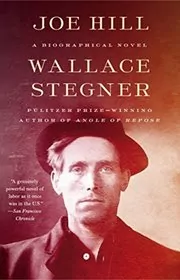
Joe Hill: A Biographical Novel
by Wallace Stegner
1950
Stegner blends fact and fiction to re-create the life of labor organizer and songwriter Joe Hill. The book follows the making of a rebel, and the legend that grew around his trial and execution.
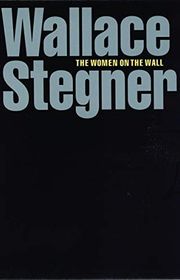
The Women on the Wall
by Wallace Stegner
1950
This collection of stories, many written around World War II, moves through waiting, war, marriage, and private strain. Women remain at the center, even when the larger forces are historical.
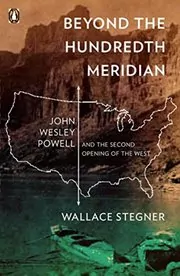
Beyond the Hundredth Meridian
by Wallace Stegner
1954
This landmark biography follows John Wesley Powell from river expeditions to battles over western land and water policy. It is adventure, political history, and environmental warning all at once.
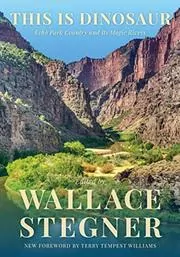
This Is Dinosaur
by Wallace Stegner
1955
Edited by Stegner, this illustrated collection argues against the Echo Park Dam and for preserving Dinosaur National Monument. It brings together science, history, and firsthand advocacy for a threatened landscape.
The City of the Living & Other Stories
by Wallace Stegner
1956
These stories range across different places and temperaments, but Stegner keeps his focus on ordinary people at turning points. The collection is quiet, observant, and full of pressure beneath the surface.
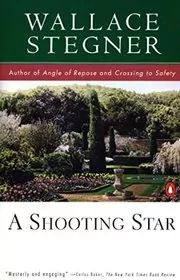
A Shooting Star
by Wallace Stegner
1961
Sabrina Castro, trapped in a marriage that no longer fits, begins a slow slide into moral and emotional crisis. Stegner sets her story against old California wealth, family history, and painful self-knowledge.
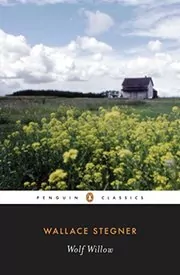
Wolf Willow
by Wallace Stegner
1962
Part memoir, part history, part fiction, this book returns to Stegner's boyhood country in Saskatchewan. It is one of his richest books about memory, frontier life, and the hold of place.
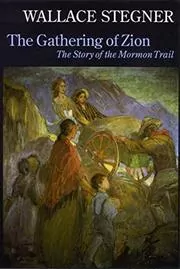
The Gathering of Zion
by Wallace Stegner
1964
Stegner retells the story of the Mormon Trail with an eye for hardship, faith, and movement across difficult country. It is history written with real attention to landscape and human endurance.
Teaching the Short Story
by Wallace Stegner
1966
In this brief craft essay, Stegner breaks down what makes a short story work, from structure to finality. It is compact, clear, and best suited to readers who like thinking about form.
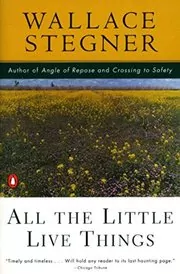
All the Little Live Things
by Wallace Stegner
1967
Joe and Ruth Allston retreat to rural California after a family loss, hoping for peace. Instead they are drawn into conflict with intense younger neighbors, and the novel becomes a tense study of grief, age, and values.
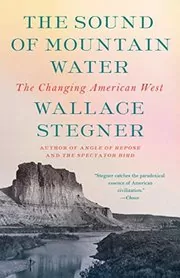
The Sound of Mountain Water
by Wallace Stegner
1969
Essays, speeches, and memoir pieces trace Stegner's changing understanding of the West and its fragile landscapes. Water, wilderness, literature, and regional identity all meet in these sharp, thoughtful pages.
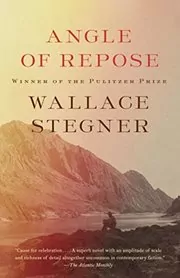
Angle of Repose
by Wallace Stegner
1971
Wheelchair-bound historian Lyman Ward digs into his grandparents' frontier marriage and ends up confronting his own broken life. The novel ties personal loss to the larger making of the American West.
Recommended by
1 person Bill Nye recommended this book
Bill Nye
"Is is about human stories intertwined, just like your life and mine." - Bill Nye
Bill Nye's recommendation of this book
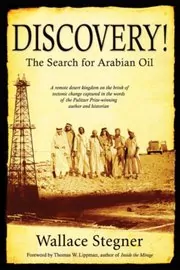
Discovery! The Search for Arabian Oil
by Wallace Stegner
1971
This narrative history follows the early search for oil in Saudi Arabia and the rise of the company that became Aramco. Stegner turns contracts, camps, and drilling into a surprisingly readable frontier story.

The Writer's Art
by Wallace Stegner
1972
Edited with Richard Scowcroft and Boris Ilyin, this anthology uses short fiction to show how stories are made. It is a teaching book, but a lively one for readers who enjoy craft as much as plot.
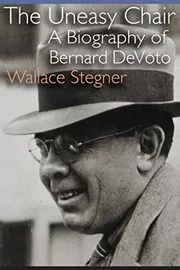
The Uneasy Chair
by Wallace Stegner
1974
Stegner's biography of Bernard DeVoto follows a brilliant, combative writer and historian whose work shaped western history and conservation. It is part literary portrait, part study of ideas, friendships, and public fights.

The Letters of Bernard DeVoto
by Wallace Stegner
1975
Edited by Stegner, this selection of Bernard DeVoto's letters captures a fierce public mind at work. Literature, history, argument, and conservation all run through the correspondence.
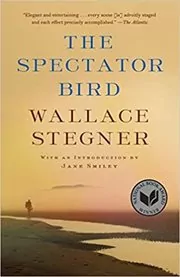
The Spectator Bird
by Wallace Stegner
1976
Retired literary agent Joe Allston receives a postcard that reopens an old Danish entanglement. As he rereads a long-hidden diary, Stegner explores age, marriage, memory, and the pull of roads not taken.
The Writer in America
by Wallace Stegner
1976
Drawn from lectures first given in Japan, this short book looks at American literature and the writer's place in national life. It is thoughtful, compact, and especially interesting for readers curious about Stegner as a teacher.
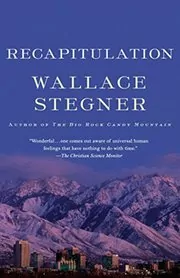
Recapitulation
by Wallace Stegner
1979
Years after leaving home, Bruce Mason returns to Salt Lake City for a funeral and finds himself pulled back into youth, family shame, and first love. It is a quiet, piercing novel about memory and unfinished business.
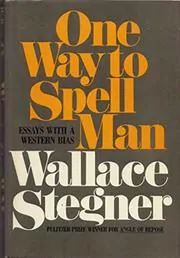
One Way To Spell Man
by Wallace Stegner
1982
This essay collection ranges across writing, culture, and the American West. Stegner is reflective, skeptical of slogans, and especially sharp when he writes about art, place, and public life.
Conversations with Wallace Stegner on Western History and Literature
by Wallace Stegner
1983
In these extended interviews, Stegner talks about his life, his teaching, western history, and the books that mattered most to him. It is one of the best places to hear him explain his own work.
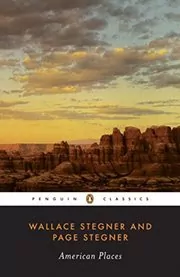
American Places
by Wallace Stegner
1985
Written with his son Page, this book asks how landscapes shape identity in different corners of the country. It mixes travel, history, photographs, and reflective essays about what makes a place feel lived in.
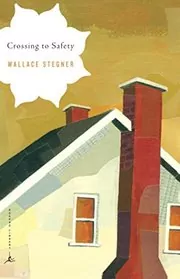
Crossing to Safety
by Wallace Stegner
1987
Two young academic couples meet in Depression-era Wisconsin and carry their friendship across decades of love, illness, compromise, and loss. It is Stegner at his gentlest and most emotionally exact.
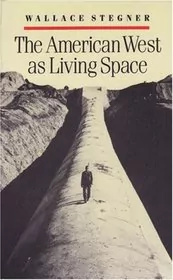
The American West as Living Space
by Wallace Stegner
1987
Based on lectures, this concise book argues that the West is shaped less by mythic freedom than by aridity, limits, and the need for cooperation. It is one of Stegner's clearest statements about the region.
On the Teaching of Creative Writing
by Wallace Stegner
1988
Built from discussions and responses, this short book shows Stegner thinking aloud about workshops, apprenticeship, talent, and discipline. It is candid, skeptical of easy formulas, and full of useful craft wisdom.
The Collected Stories of Wallace Stegner
by Wallace Stegner
1990
This volume gathers Stegner's short fiction across decades, from prairie boyhood pieces to later psychological stories. It is the fullest view of his range in the form where he was once widely admired.
Wilderness at the Edge
by Wallace Stegner
1991
With Stegner's introduction, this book lays out a citizen case for protecting Utah's canyons and deserts. It mixes advocacy, landscape knowledge, and a clear warning about what development can erase.
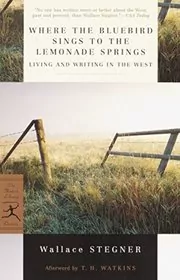
Where the Bluebird Sings to the Lemonade Springs
by Wallace Stegner
1992
These late essays mix memoir, literary reflection, and environmental argument to ask what the West really is. Stegner writes about aridity, community, place, and the stories Americans tell about the land.
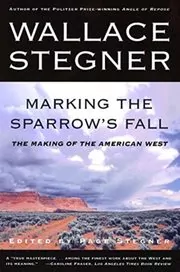
Marking the Sparrow's Fall
by Wallace Stegner
1998
Edited by Page Stegner, this posthumous collection brings together essays, occasional pieces, and a little-known novella. It shows Stegner thinking about memory, settlement, conservation, and the meaning of the West.
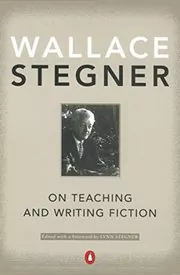
On Teaching and Writing Fiction
by Wallace Stegner
2002
This compact collection gathers Stegner's thoughts on craft, audience, revision, and the hard work of writing honestly. It is less a how-to manual than a serious, practical conversation about fiction.
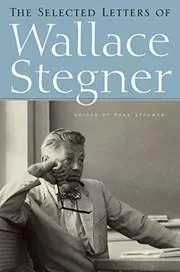
The Selected Letters
by Wallace Stegner
2007
A broad selection of Stegner's correspondence opens up the writer behind the books. The letters move through family life, literary friendships, Stanford, and his growing role in conservation debates.
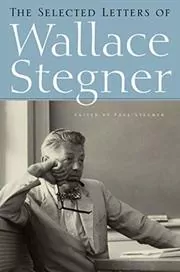
The Selected Letters of Wallace Stegner
by Wallace Stegner
2007
These letters, selected by Page Stegner, offer a lively self-portrait across six decades. They cover writing, teaching, friendship, conservation, and the public arguments that shaped Stegner's life.
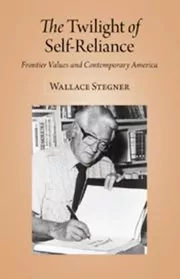
The Twilight of Self Reliance
by Wallace Stegner
2008
This short lecture reflects on frontier values and the fading myth of rugged self-reliance. Stegner argues that the American West was built as much by cooperation and limits as by independence.
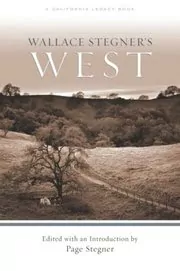
Wallace Stegner's West
by Wallace Stegner
2008
Edited by Page Stegner, this anthology gathers fiction and essays that map Stegner's lifelong West. It moves from family stories to environmental writing, showing how deeply place shaped his work.
Where to start with Wallace Stegner
If you want the big family saga: The Big Rock Candy Mountain → Recapitulation
If you want the warmest place to start: Crossing to Safety
If you want his major western classic: Angle of Repose → The Spectator Bird
If you want the nonfiction West: Wolf Willow → Beyond the Hundredth Meridian → Where the Bluebird Sings to the Lemonade Springs
Wallace Stegner sub-series and character series
Wallace Stegner collections, short stories, and related book types
Collections
Non-Fiction
Standalone Wallace Stegner books
Author bio
Wallace Stegner was born in Lake Mills, Iowa, on February 18, 1909, but he grew up without a single settled hometown. His father kept the family moving across the West and Canada, and Stegner spent important boyhood years in places like Great Falls, Montana, Eastend, Saskatchewan, and Salt Lake City, Utah. That restless childhood stayed with him. It gave him a lifelong feel for wide landscapes, makeshift homes, and people who were always trying to get one step ahead of the land, or of themselves.
He learned early that place could shape a life just as much as family could.
Stegner studied at the University of Utah, then went on to the University of Iowa for graduate work, earning both a master's degree and a Ph.D. During the Depression he tried to do two hard things at once, teach and write. A turning point came in 1937, when Remembering Laughter won the Little, Brown prize for a short novel. That success did not make life easy, but it told him he might actually be able to build a life around books.
Teaching remained a big part of that life. He taught at Wisconsin and Harvard, then moved to Stanford in 1945, where he built the creative writing program and led it for many years. The fellowship that later carried his name grew out of that world. He was known for taking craft seriously, for plain speech, clean sentences, and emotional honesty. Writers who passed through his orbit remembered him as exacting, but also deeply committed to the work.
As a novelist, Stegner kept returning to marriage, memory, and the uneasy search for belonging. The Big Rock Candy Mountain turns a rough family history into a sweeping story of failure, hunger, and stubborn hope. All the Little Live Things and The Spectator Bird show how alert he was to generational conflict, aging, and the strange ways grief can reshape a life. Angle of Repose, which won the Pulitzer Prize, follows a historian trying to understand his grandparents' frontier marriage while making sense of his own damaged life. Crossing to Safety remains a favorite for many readers because it is so steady, humane, and exact about friendship.
He could write very quietly, and still hit hard.
His nonfiction mattered just as much. In Beyond the Hundredth Meridian, he wrote about John Wesley Powell and the hard facts of life in the arid West, especially the central problem of water. Wolf Willow blends memoir, history, and fiction to look back at his Saskatchewan childhood. Essay collections like The Sound of Mountain Water and Where the Bluebird Sings to the Lemonade Springs show the same mix of feeling and argument. He cared deeply about conservation, fought the proposed Echo Park dam, worked with environmental groups in California, and wrote the famous "Wilderness Letter," which helped frame the case for protecting wild land.
For nearly sixty years he was married to Mary Stuart Page, who was also his closest reader and partner in the life of the mind. They had a son, Page Stegner, who became a writer too. In his later years Stegner lived in California, kept writing, and remained a public voice on western history and environmental questions. He died in Santa Fe, New Mexico, on April 13, 1993, after a car accident, but his books still feel very much alive: observant, unsentimental, and always alert to the bond between people and place.





Edited by
Software engineer whose passion for tracking book recommendations from podcasts inspired the creation of MRB.
Lead investor at 3one4 Capital whose startup expertise and love for books helped shape MRB and its growth.
Comments
Did we miss something? Have feedback?
Help us improve this page by sharing your thoughts