
American Folkways Books in Order
Part ofWallace Stegner Books in OrderExplore Wallace Stegner's American Folkways books in order, with short summaries, series context, and notes on where this regional nonfiction fits.
Last updated:
As an Amazon Associate, we earn from qualifying purchases (at no extra cost to you).
American Folkways books in publication order
1 book
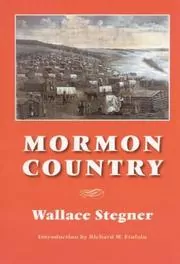
Mormon Country
by Wallace Stegner
1942
Part of the American Folkways series, this book explores Mormon settlement in the dry Intermountain West. Stegner looks at landscape, custom, community, and the practical work of building a society in hard country.
American Folkways books in chronological order
Series background & context
American Folkways is a little different from Wallace Stegner's other series pages, because it is not a character saga or a run of linked novels. It was a regional nonfiction series built around the idea that a place could be understood through its people, habits, speech, labor, history, and landscape. Stegner's contribution to that project is Mormon Country, and that book shows exactly why the series mattered.
This is a series about how people live in a place, not just what happens there.
In Stegner's hands, the focus is the Intermountain West, especially Utah and the larger world shaped by Mormon settlement. Mormon Country is part travel writing, part social history, part cultural portrait. It looks at how a religious community moved west, built towns in dry country, organized work, irrigated difficult land, and developed customs that stood apart from the noisier myths of the frontier. The landscape is central. Aridity, distance, and scarcity are not background details, they explain why cooperation, discipline, and communal planning mattered so much.
The book is not just about church leaders or headline events. Stegner pays attention to ordinary patterns of life: settlement, farming, speech, local memory, tensions with outsiders, and the mix of idealism and practicality required to make a home in hard country. Brigham Young and the westward migration are part of the story, but so are the non-Mormon strands that shaped the region as it changed. That broad view is one reason the book still feels useful. It is interested in a culture, not just a timeline.
The ongoing tension in this corner of the American Folkways series comes from a few big questions. How does a community keep its identity once it is no longer isolated? What happens when a spiritual experiment becomes a functioning society and then a modern region? And how much of the West's individualist legend survives close contact with a place where cooperation was often the real tool of survival? Stegner does not write as a preacher or as a debunker. He writes as a careful observer who knows the territory from the inside and is trying to explain it clearly.
Expect history with dust on its boots.
If you come to American Folkways looking for plot, this is not that kind of series. If you want a grounded sense of how landscape and community shape one another, it is very rewarding. For Stegner readers, Mormon Country also works as a companion to The Gathering of Zion, Wolf Willow, and his later essays about the West. It shows many of the concerns that stayed with him for life: settlement, belonging, cooperation, memory, and the stubborn fact that dry land makes its own rules.







Edited by
Software engineer whose passion for tracking book recommendations from podcasts inspired the creation of MRB.
Lead investor at 3one4 Capital whose startup expertise and love for books helped shape MRB and its growth.
Comments
Did we miss something? Have feedback?
Help us improve this page by sharing your thoughts