
Irving Wallace Books in Order
This page gathers Irving Wallace books in order, with quick summaries of his novels and nonfiction, plus reading guidance and an easy place to start.
Last updated:
As an Amazon Associate, we earn from qualifying purchases (at no extra cost to you).
Irving Wallace books in publication order
35 books
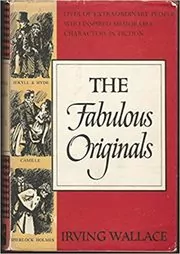
The Fabulous Originals
by Irving Wallace
1955
A lively nonfiction collection about the real people who inspired famous fictional characters, from Sherlock Holmes to Captain Ahab. Wallace turns literary detective and shows how strange real lives can be even more memorable than invention.
The Square Pegs
by Irving Wallace
1957
Wallace profiles American oddballs, rebels, and cranks who refused to fit in. These short biographical sketches celebrate people whose wild ideas and stubborn independence pushed them far outside respectable society.
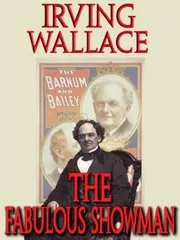
The Fabulous Showman
by Irving Wallace
1959
A full scale portrait of P. T. Barnum, tracing how he turned spectacle, publicity, and nerve into a new kind of American entertainment empire. It's part biography, part history of show business.
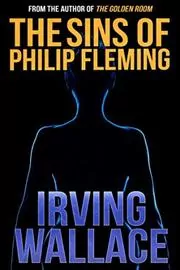
The Sins of Philip Fleming
by Irving Wallace
1959
Philip Fleming looks respectable from the outside, but a private problem is eating away at his marriage and self-control. Wallace builds a tense, intimate novel around secrecy, shame, and the cost of living two lives.
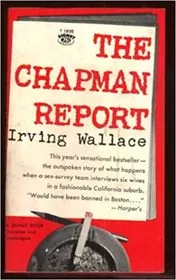
The Chapman Report
by Irving Wallace
1960
A sex researcher arrives in an affluent California community to study the private lives of married women, and the interviews start stirring up real trouble. Wallace uses the survey to expose desire, boredom, fantasy, and marital strain.
The Twenty-Seventh Wife
by Irving Wallace
1961
This biographical narrative follows Ann Eliza Young, one of Brigham Young's wives, as she breaks from Mormon polygamy and fights back in public. Wallace turns a 19th century divorce and reform battle into fast moving history.
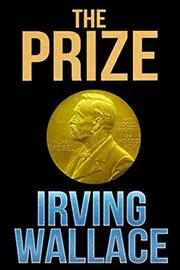
The Prize
by Irving Wallace
1962
As six new Nobel laureates head to Stockholm, ambition, romance, and Cold War intrigue close in around the awards ceremony. Wallace mixes celebrity, science, politics, and scandal into a globe spanning suspense novel.
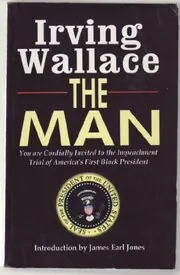
The Man
by Irving Wallace
1964
After a sudden constitutional crisis, Senator Douglass Dilman becomes the first Black president of the United States. Wallace follows the racism, power struggles, and personal strain that greet him the moment he takes office.
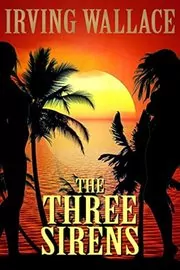
The Three Sirens
by Irving Wallace
1964
A group of outsiders travel to a remote Polynesian island to study a society with very different ideas about sex, marriage, and jealousy. What begins as research turns into a challenge to nearly every belief they brought with them.
The Sunday Gentleman
by Irving Wallace
1966
This nonfiction collection gathers Wallace's magazine pieces about unusual people, curious places, and stranger than fiction episodes. It shows the reporter behind the novelist, always chasing the human detail that makes a story stick.
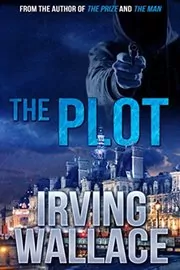
The Plot
by Irving Wallace
1967
At a tense Paris summit, the leaders of the world's major nuclear powers meet while conspirators and private desperations close in around them. Wallace turns diplomacy into a high pressure thriller about assassination, intrigue, and catastrophe.
The Writing of One Novel
by Irving Wallace
1968
Wallace breaks down how The Prize was conceived, researched, drafted, and finally written. It's a practical, candid look at how one big commercial novel takes shape, including the false starts and grind readers usually never see.
The Seven Minutes
by Irving Wallace
1969
A notorious erotic novel becomes the center of a courtroom and media firestorm after a brutal crime. Wallace uses the case to dig into censorship, free speech, public outrage, and the uneasy line between literature and obscenity.
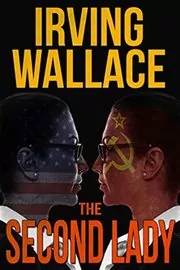
The Second Lady
by Irving Wallace
1970
In this Cold War thriller, the Soviets train a woman to replace the American First Lady with a near perfect double. The setup is outrageous on purpose, and Wallace wrings tension from every secret slip and deception.
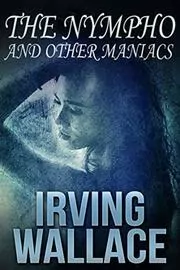
The Nympho and Other Maniacs
by Irving Wallace
1971
Wallace turns to nonfiction to profile scandalous women from history whose love lives shocked their own eras. The book is gossipy, historical, and full of stories about sex, power, reputation, and survival.
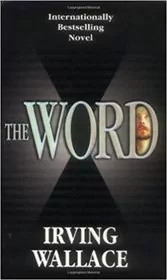
The Word
by Irving Wallace
1972
When a new gospel said to be written by Jesus' brother is discovered, the find threatens churches, publishers, and believers alike. A public relations expert is pulled into a maze of faith, forgery, scholarship, and power.
The Fan Club
by Irving Wallace
1974
Four obsessed men kidnap movie star Sharon Fields, convinced fantasy will somehow become reality once they have her. Wallace builds a grim, disturbing thriller about celebrity worship, entitlement, and the violence hiding inside obsession.
The People's Almanac
by Irving Wallace
1975
Not a standard almanac, this bestseller packs history, odd facts, forgotten stories, predictions, and offbeat lists meant to be browsed for fun. It is a reference book with the energy of a conversation that keeps taking strange turns.
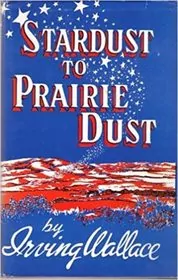
Stardust to Prairie Dust
by Irving Wallace
1976
This biography follows Harriet T. Beckert, an opera singer who left city life behind and became a rancher in North Dakota. Wallace is drawn to the sheer improbability of her reinvention and the grit it required.
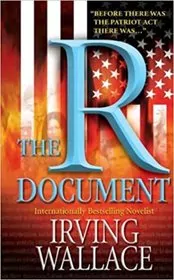
The R Document
by Irving Wallace
1976
An ambitious FBI director pushes a constitutional amendment that would suspend the Bill of Rights in a national emergency. Behind the public campaign lies a far darker plan, and Wallace turns it into a paranoid political thriller.
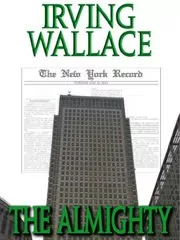
The Almighty
by Irving Wallace
1977
After inheriting his father's media empire, Edward Armstead becomes obsessed with turning the New York Record into the biggest paper in town. Soon he is not just chasing headlines but trying to shape, manipulate, and even create them.
The People's Almanac Presents the Book of Lists
by Irving Wallace
1977
This classic compendium gathers hundreds of quirky, provocative, and darkly funny lists on history, crime, sex, politics, and pop culture. It is the kind of book you open at random and keep reading far longer than intended.
The People's Almanac #2
by Irving Wallace
1978
The second volume returns to Wallace and David Wallechinsky's winning formula, odd facts, hidden history, memorable lists, and stories too strange for standard reference books. It is built for dipping in, wandering, and finding something unexpected.
The People's Almanac Presents the Book of Lists #2
by Irving Wallace
1978
More than a sequel, this follow up doubles down on unusual facts, eccentric rankings, and irresistible categories. It keeps the original's mix of humor, shock value, and genuine curiosity about the stranger corners of history and culture.
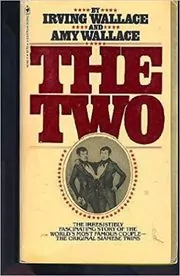
The Two
by Irving Wallace
1978
Written with Amy Wallace, this biography tells the extraordinary lives of Chang and Eng Bunker, the original Siamese twins. It follows their fame, marriages, family life, and struggle to live as fully as possible in a gawking world.
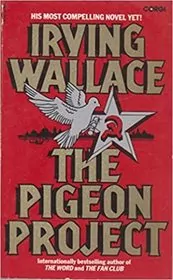
The Pigeon Project
by Irving Wallace
1979
A scientist's discovery hints at longer life, and competing powers want the secret for themselves. Set largely in Venice, the novel turns one impossible breakthrough into a chase story about greed, secrecy, and who gets to own a miracle.
The People's Almanac Presents the Book of Predictions
by Irving Wallace
1980
This collection rounds up predictions from scientists, politicians, writers, and other forecasters, then lets readers weigh what sounds wise, wild, or weirdly plausible. It is a time capsule of futures people once thought were coming.
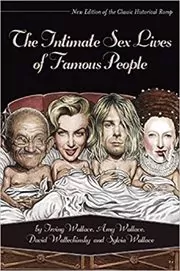
The Intimate Sex Lives of Famous People
by Irving Wallace
1981
This reference book sketches the romantic and sexual histories of famous figures from politics, art, religion, and entertainment. It is designed less as a single argument than as a shelf of provocative mini biographies.
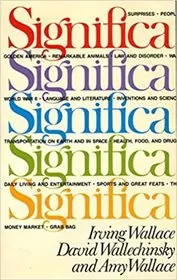
Significa
by Irving Wallace
1983
Wallace, David Wallechinsky, and Amy Wallace collect unusual facts that feel too telling to dismiss as trivia. The result is a browseable grab bag of little known stories, curiosities, and sharp historical sidelights.
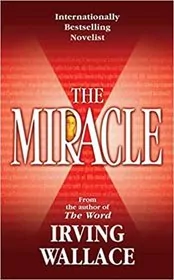
The Miracle
by Irving Wallace
1984
When the Vatican announces that the Virgin Mary will appear again at Lourdes, pilgrims, skeptics, reporters, and the desperate all converge on the shrine. Wallace uses the countdown to explore faith, illness, ambition, and spectacle.
The People's Almanac Presents the Book of Lists 3
by Irving Wallace
1984
The third Book of Lists keeps the series moving with more odd rankings, buried facts, and conversation starting curiosities. Like the earlier volumes, it is part reference book, part trivia rabbit hole, and part social snapshot.
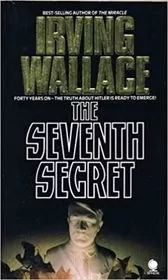
The Seventh Secret
by Irving Wallace
1985
After a historian dies investigating Hitler's last days, his daughter follows the trail into Berlin and an alternate history nightmare. Wallace turns the mystery into a hunt for hidden bunkers, buried evidence, and a Nazi secret that refuses to stay dead.
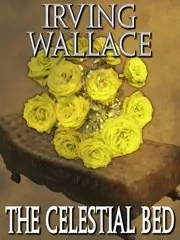
The Celestial Bed
by Irving Wallace
1987
Wallace dives into sex therapy, focusing on the people who seek help for intimate problems and the controversial methods used to treat them. It is part relationship drama, part debate about desire, healing, and what counts as therapy.
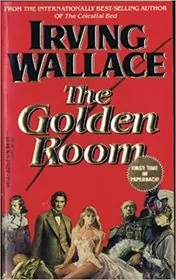
The Golden Room
by Irving Wallace
1988
Set around Chicago's lavish Everleigh Club, this historical novel follows desire, money, and scandal inside one of America's most famous brothels. Wallace uses the setting to show how glamour and exploitation can share the same room.
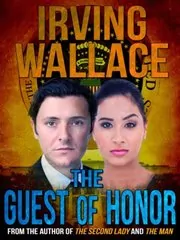
The Guest of Honor
by Irving Wallace
1989
President Matthew Underwood falls for the woman who leads the small nation of Lampang, and private desire quickly becomes public danger. Wallace turns the affair into a political scandal with international stakes and plenty of enemies watching.
Where to start with Irving Wallace
If you want the breakthrough bestseller: The Chapman Report → The Prize
If you want political suspense: The Man → The R Document → The Second Lady
If you want religion and big ideas: The Word → The Miracle
If you want Wallace at his darkest: The Seven Minutes → The Fan Club
If you want nonfiction first: The Fabulous Originals → The Twenty-Seventh Wife → The People's Almanac
Irving Wallace collections, short stories, and related book types
Non-Fiction
by Irving Wallace
1955Lives of Extraordinary People Who Inspired Memorable Characters in Fiction
by Irving Wallace
1971The Lives, the Loves and the Sexual Adventures of Some Scandalous and Liberated Ladies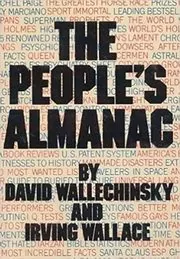




Standalone Irving Wallace books
Author bio
Irving Wallace was born in Chicago on March 19, 1916, and grew up in Kenosha, Wisconsin, in a Russian Jewish family. He was the kind of kid who haunted the library and started trying to sell his writing young. While still in high school, he sold an article for five dollars, which was enough to show him that writing could be real work.
He later studied creative writing at the Williams Institute in Berkeley and moved to Los Angeles in the late 1930s to write full time. Before he became a novelist, he spent years learning how to make a story move in magazines, newspapers, and screenplays. That training stayed with him, and even his biggest books tend to push forward with the pace of popular journalism.
World War II gave him another kind of apprenticeship. Wallace wrote scripts for training films for the Army Air Forces First Motion Picture Unit, a Hollywood based operation that made films for the war effort. After the war he stayed in film and worked on screenplays for movies including The West Point Story, Split Second, and The Big Circus.
Hollywood paid the bills, but it did not fully satisfy him.
So he turned, slowly and stubbornly, to books. His first published book was the nonfiction The Fabulous Originals, followed by The Fabulous Showman and The Twenty-Seventh Wife. His first novel, The Sins of Philip Fleming, arrived in 1959, but The Chapman Report in 1960 was the book that changed his career. It became a bestseller and helped fix the Wallace formula, big research, controversial subjects, lots of moving parts, and the sense that public debates always spill into private lives.
That approach carried into the books many readers still know best. The Prize moves through the world of the Nobel awards with glamour, ambition, and political intrigue. The Man imagines a Black president decades before that felt politically possible to most readers. The Word turns a newly discovered gospel into a fight about faith, scholarship, and power. Later novels like The R Document and The Second Lady kept leaning into conspiracy, Cold War anxiety, and high level political suspense.
He also wrote a great deal of nonfiction, often with his family. With his son David Wallechinsky and daughter Amy Wallace, and at times with his wife Sylvia Wallace, he helped create The People's Almanac, The Book of Lists, The Book of Predictions, and other fact packed books built on curiosity, history, and odd details. Those titles show another side of him, the researcher who loved the stray fact that could open a whole story.
Writing stayed in the family.
Wallace was married to writer and editor Sylvia Kahn Wallace, and both of their children became writers too. He died in Los Angeles on June 29, 1990, from pancreatic cancer, at the age of seventy-four. What lasts in his work is easy to spot, a liking for big public questions, private appetites, and stories that explain just enough of the world before throwing the reader into the next complication.






Edited by
Software engineer whose passion for tracking book recommendations from podcasts inspired the creation of MRB.
Lead investor at 3one4 Capital whose startup expertise and love for books helped shape MRB and its growth.
Comments
Did we miss something? Have feedback?
Help us improve this page by sharing your thoughts