
Van der Valk Books in Order
Part ofNicolas Freeling Books in OrderBrowse the Van der Valk books by Nicolas Freeling in order, with short summaries, series background, and where to start with this sharp Amsterdam detective series.
Last updated:
As an Amazon Associate, we earn from qualifying purchases (at no extra cost to you).
Van der Valk books in publication order
13 books

Love in Amsterdam / Death in Amsterdam
by Nicolas Freeling
1962
A woman is murdered in her Amsterdam flat, and all the evidence points to her former lover. Van der Valk is not convinced, and as he pulls the man deeper into the investigation, the case grows stranger and darker.

Because of the Cats
by Nicolas Freeling
1963
In a prosperous Dutch seaside town, Van der Valk starts looking into a gang of violent teenagers. What begins with robbery and rape soon reveals something uglier, more corrupt, and far harder to explain away.
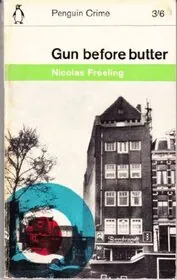
Gun Before Butter / A Question of Loyalty
by Nicolas Freeling
1963
A baffling Amsterdam murder leads Van der Valk toward the beautiful, troubled Lucienne Englebert. The case widens into double identities, black market dealings, and a sad, dangerous love story that crosses several borders.
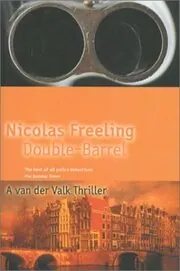
Double-Barrel
by Nicolas Freeling
1964
Van der Valk goes to a small Dutch town unsettled by poison-pen letters and two suicides. Working almost undercover, he finds a place where shame, gossip, and repression have become as deadly as any weapon.
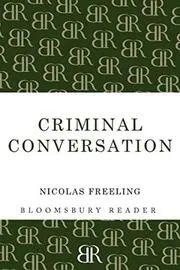
Criminal Conversation
by Nicolas Freeling
1966
An anonymous letter suggests that a man's death was no natural event at all. Van der Valk follows the hint into a knot of adultery, money, and deception, where the hardest part is working out who is lying to whom.
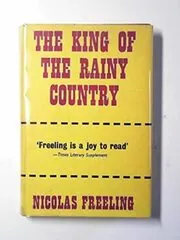
The King of the Rainy Country
by Nicolas Freeling
1966
A wealthy man disappears with a young woman, and Van der Valk is sent to find out why. The search becomes a sad, tense study of money, pressure, and desperate love, with danger waiting at every turn.
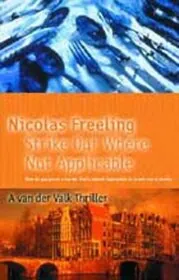
Strike Out Where Not Applicable
by Nicolas Freeling
1967
Van der Valk is drawn into a case where paperwork, statements, and tiny omissions matter as much as physical evidence. A seemingly routine police inquiry becomes a sharp look at the ways people hide truth behind official language.
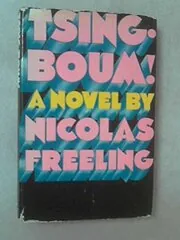
Tsing Boum
by Nicolas Freeling
1969
When a Frenchwoman is murdered with a military weapon, Van der Valk finds the roots of the crime in an older war. The case reaches into France, army circles, and the long afterlife of violence and bitterness.

The Lovely Ladies / Over the High Side
by Nicolas Freeling
1971
A new Van der Valk investigation pulls him into a world of charm, money, and uneasy loyalties. The deeper he goes, the clearer it becomes that emotional damage, not appearances, is driving the case.
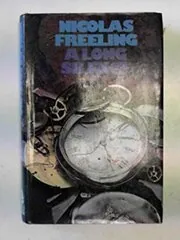
A Long Silence / Auprès De Ma Blonde
by Nicolas Freeling
1972
One of the most important books in the Van der Valk sequence, this case begins as another investigation and turns devastatingly personal. Freeling uses the mystery to shake the whole series and shift its center of gravity.
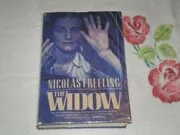
The Widow
by Nicolas Freeling
1979
After Van der Valk's death, Arlette remakes her life in Strasbourg and opens a small advice bureau. The personal troubles brought to her door soon turn complicated and dangerous, drawing her back toward investigative work.

One Damn Thing After Another / Arlette
by Nicolas Freeling
1981
Arlette's Strasbourg advice bureau brings her a stream of troubled clients and one problem that cuts close to home. As questions rise about her husband Arthur's past, helping others starts to feel alarmingly personal.
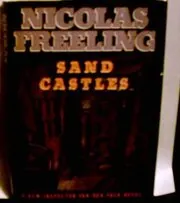
Sand Castles
by Nicolas Freeling
1989
Written as a late return to Van der Valk, this novel brings back the detective for another morally knotted European case. Freeling again balances police work with his sharper interest in motive, mood, and unstable lives.
Van der Valk books in chronological order
Series background & context
Piet Van der Valk is the detective most readers first connect with Nicolas Freeling, and it is easy to see why. These books helped define his reputation: smart, skeptical police stories set in and around Amsterdam, full of social detail, sharp observation, and a strong sense that crime grows out of ordinary human weakness rather than theatrical villainy. The series begins with Love in Amsterdam, and right away you can feel Freeling pulling the police procedural in a more psychological direction.
Van der Valk is not a grandstanding hero. He can be sardonic, impatient, and wonderfully alert to nonsense, but his real strength is the way he reads people. He is less interested in tidy deduction than in character, motive, and pressure. In Because of the Cats, Gun Before Butter, and Criminal Conversation, the murders matter, of course, but the books are just as interested in class, sexuality, self-deception, and the strain people put on one another.
Amsterdam matters a lot here. So do the Dutch coast, small towns, and the routes that lead in and out of the Netherlands toward Belgium, France, Germany, and Spain. Freeling knew how to make a setting do real work. His Europe is not postcard Europe. It is working Europe, with bars, police offices, apartments, roadsides, kitchens, holiday places, ugly money, and long memories. That is one reason the series still feels fresh. It is grounded.
Arlette matters too. Van der Valk's wife is one of the liveliest spouses in crime fiction, witty, practical, and fully present in the life of the books. She gives the series some of its best domestic texture, and she helps keep Valk from becoming just another solitary detective wandering through other people's misery. Their marriage gives the novels flavor, intelligence, and a sense of everyday life continuing alongside the case.
As the series goes on, Freeling keeps refusing to repeat himself. Double-Barrel, The King of the Rainy Country, Strike Out Where Not Applicable, Tsing Boum, and Over the High Side all push into different moral and social territory. Then comes A Long Silence, a book that changes the shape of the series in a way very few crime writers would risk. After that rupture, Arlette takes center stage in The Widow and One Damn Thing After Another, which are closely linked to the Van der Valk world even though the tone shifts.
That willingness to break his own formula is a big part of the series' appeal. These books are not comfort reading in the usual sense. They can be funny, moody, tender, sour, and quietly brutal, sometimes all in the same novel. The later Sand Castles returns to Van der Valk from a different angle, showing how attached Freeling remained to the character even after resisting a simple reset.
There was also a long-running television afterlife for Van der Valk, which helped keep the detective in public view well beyond the original books. But the novels are their own thing: more intimate, stranger, and much more interested in what crime reveals about the way people live together. If you want European police fiction with brains, atmosphere, and a detective who notices what everyone else would rather ignore, this is the series to open first.











Edited by
Software engineer whose passion for tracking book recommendations from podcasts inspired the creation of MRB.
Lead investor at 3one4 Capital whose startup expertise and love for books helped shape MRB and its growth.
Comments
Did we miss something? Have feedback?
Help us improve this page by sharing your thoughts