
Nicolas Freeling Books in Order
Explore Nicolas Freeling books in order, with Van der Valk and Henri Castang reading lists, short summaries, series background, and where to start.
Last updated:
As an Amazon Associate, we earn from qualifying purchases (at no extra cost to you).
Nicolas Freeling books in publication order
41 books

Love in Amsterdam / Death in Amsterdam
by Nicolas Freeling
1962
A woman is murdered in her Amsterdam flat, and all the evidence points to her former lover. Van der Valk is not convinced, and as he pulls the man deeper into the investigation, the case grows stranger and darker.

Because of the Cats
by Nicolas Freeling
1963
In a prosperous Dutch seaside town, Van der Valk starts looking into a gang of violent teenagers. What begins with robbery and rape soon reveals something uglier, more corrupt, and far harder to explain away.
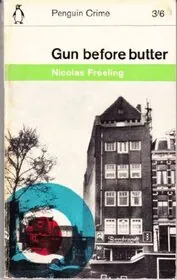
Gun Before Butter / A Question of Loyalty
by Nicolas Freeling
1963
A baffling Amsterdam murder leads Van der Valk toward the beautiful, troubled Lucienne Englebert. The case widens into double identities, black market dealings, and a sad, dangerous love story that crosses several borders.
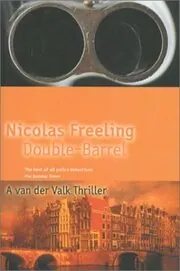
Double-Barrel
by Nicolas Freeling
1964
Van der Valk goes to a small Dutch town unsettled by poison-pen letters and two suicides. Working almost undercover, he finds a place where shame, gossip, and repression have become as deadly as any weapon.
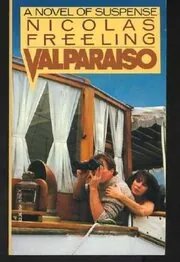
Valparaiso
by Nicolas Freeling
1964
On a small island off southern France, Raymond Kapitan dreams of sailing his patched-up boat all the way to Valparaiso. Smuggling, love, and police suspicion turn that private dream into a dangerous, doomed adventure.
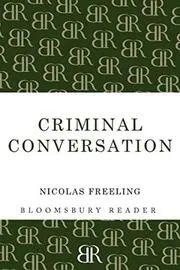
Criminal Conversation
by Nicolas Freeling
1966
An anonymous letter suggests that a man's death was no natural event at all. Van der Valk follows the hint into a knot of adultery, money, and deception, where the hardest part is working out who is lying to whom.
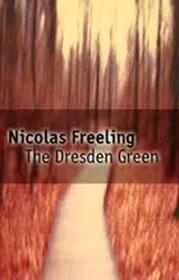
The Dresden Green
by Nicolas Freeling
1966
This standalone thriller circles greed, desire, and the pull of something rare and valuable. Freeling turns the chase into a study of character, where the real suspense comes from what people will risk to possess beauty.
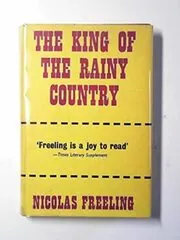
The King of the Rainy Country
by Nicolas Freeling
1966
A wealthy man disappears with a young woman, and Van der Valk is sent to find out why. The search becomes a sad, tense study of money, pressure, and desperate love, with danger waiting at every turn.
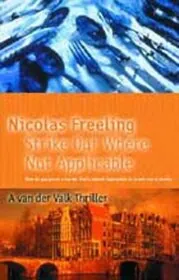
Strike Out Where Not Applicable
by Nicolas Freeling
1967
Van der Valk is drawn into a case where paperwork, statements, and tiny omissions matter as much as physical evidence. A seemingly routine police inquiry becomes a sharp look at the ways people hide truth behind official language.

This is the Castle
by Nicolas Freeling
1968
A famous French novelist lives in a grand country house, surrounded by family, servants, and uneasy admirers. When visitors arrive, fantasy, vanity, and menace start to blur, and the whole place begins to feel unstable.
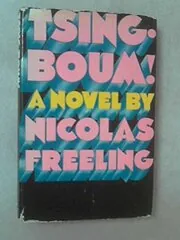
Tsing Boum
by Nicolas Freeling
1969
When a Frenchwoman is murdered with a military weapon, Van der Valk finds the roots of the crime in an older war. The case reaches into France, army circles, and the long afterlife of violence and bitterness.
Kitchen Book
by Nicolas Freeling
1970
Freeling looks back on his years as a hotel cook, writing about hard work, appetite, hierarchy, and the strange comedy of professional kitchens. It is memoir with plenty of food in it, but also a portrait of working Europe.
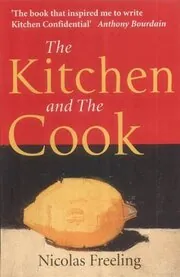
The Kitchen and the Cook
by Nicolas Freeling
1970
Part food writing, part working-life memoir, this book shows how well Freeling knew kitchens from the inside. He writes about ingredients, routines, tempers, and the people who keep restaurants and hotels going.

The Lovely Ladies / Over the High Side
by Nicolas Freeling
1971
A new Van der Valk investigation pulls him into a world of charm, money, and uneasy loyalties. The deeper he goes, the clearer it becomes that emotional damage, not appearances, is driving the case.
A Long Silence / Auprès De Ma Blonde
by Nicolas Freeling
1972
One of the most important books in the Van der Valk sequence, this case begins as another investigation and turns devastatingly personal. Freeling uses the mystery to shake the whole series and shift its center of gravity.
A Dressing of Diamond
by Nicolas Freeling
1974
Henri Castang's first case begins with the kidnapping of a judge's daughter. The suspect list is wide, the motive may be revenge, and Castang has to move fast before a desperate abduction turns into murder.
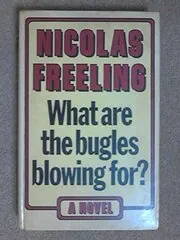
The Bugles Blowing / What Are The Bugles Blowing For?
by Nicolas Freeling
1975
Castang is called to a shocking triple murder in a provincial French city. A wealthy financier confesses coolly, but nothing about the crime feels simple, and Castang pushes past the obvious story toward something much colder.
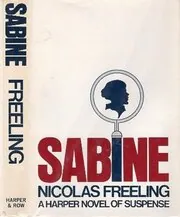
Sabine / Lake Isle
by Nicolas Freeling
1976
A brutal robbery, a drugged teenager, and the troubled history of a woman named Sabine seem to have nothing in common. Castang keeps worrying at the loose threads until a pattern of spite, violence, and damaged dreams appears.
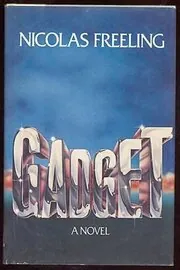
Gadget
by Nicolas Freeling
1977
An American physicist in Hamburg is kidnapped by terrorists and forced to build an atomic bomb. With his family held hostage and world leaders in the crosshairs, science, politics, and suspense collide at high speed.
Night Lords
by Nicolas Freeling
1978
A British judge on holiday in France opens the boot of his Rolls-Royce and finds a naked corpse. Castang steps into an awkward, high-profile case where reputation, diplomacy, and murder are tangled together.
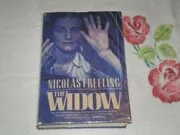
The Widow
by Nicolas Freeling
1979
After Van der Valk's death, Arlette remakes her life in Strasbourg and opens a small advice bureau. The personal troubles brought to her door soon turn complicated and dangerous, drawing her back toward investigative work.
Castang's City
by Nicolas Freeling
1980
A local official is gunned down in the street, and the killing first looks political. Then the victim's son turns up dead too, and Castang has to sort through family secrets, blackmail, and lies before another life is lost.

One Damn Thing After Another / Arlette
by Nicolas Freeling
1981
Arlette's Strasbourg advice bureau brings her a stream of troubled clients and one problem that cuts close to home. As questions rise about her husband Arthur's past, helping others starts to feel alarmingly personal.

Wolfnight
by Nicolas Freeling
1982
A shaken politician turns up after a crash, barely able to explain the woman who was with him and may now be dead. Castang's inquiry quickly grows into a conspiracy with consequences far beyond one compromised man.
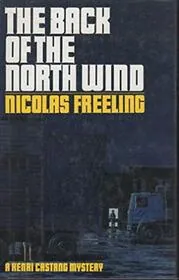
The Back of the North Wind
by Nicolas Freeling
1983
Two savage murders shake Castang's district, and the first is horrifying enough to suggest something almost inhuman. As he digs deeper, a teenage prostitute, local corruption, and political intrigue pull the case into darker territory.
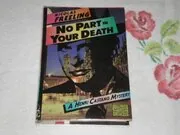
No Part in Your Death
by Nicolas Freeling
1984
Crime keeps finding Castang, whether he wants it or not. A child custody dispute, a friend's missing wife, and a supposed lovers' suicide become three linked mysteries that test even his patient, probing intelligence.
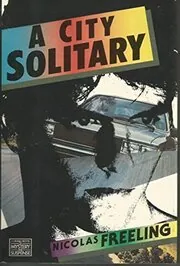
A City Solitary
by Nicolas Freeling
1985
After a savage attack in his own home, writer Walter Forestier refuses to cooperate with the police. Then he is pulled into the escape of one of the men involved, and his life veers into crime, flight, and moral confusion.
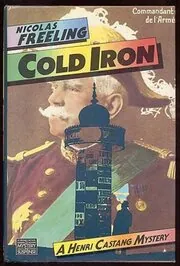
Cold Iron
by Nicolas Freeling
1986
Now a commissaire in northeastern France, Castang investigates the murder of a prominent wine merchant's wife. Political connections, family secrets, and a dead suspect make the case more delicate, and more dangerous, by the day.
Lady Macbeth
by Nicolas Freeling
1988
After a quarrel on a mountain road, Sibille Lebfevre steps out of the car and vanishes. Months later her husband insists she simply stayed away, but Castang sees a marriage full of shadows and a disappearance that will not settle.
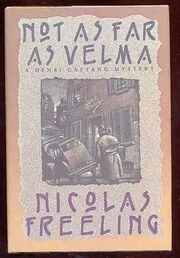
Not As Far As Velma
by Nicolas Freeling
1989
A missing hotelier, a vanished young widow, and a mysterious last guest send Castang into a case that will not stay in the present. The answers lie buried in Europe's wartime past, and they are still dangerous.
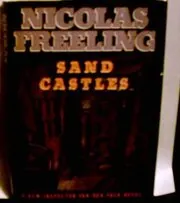
Sand Castles
by Nicolas Freeling
1989
Written as a late return to Van der Valk, this novel brings back the detective for another morally knotted European case. Freeling again balances police work with his sharper interest in motive, mood, and unstable lives.
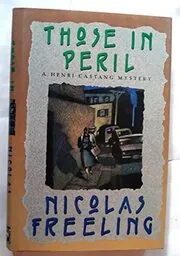
Those in Peril
by Nicolas Freeling
1990
When two girls around his daughter's age show signs of abuse, Castang cannot look away. His suspicions settle on a celebrated public intellectual, pulling him and his family toward a filthy world of power and exploitation.
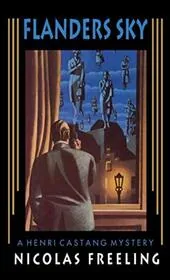
Flanders Sky / The Pretty How Town
by Nicolas Freeling
1992
Working in Brussels as aide to a British jurist feels like a demotion, until Castang's new employer is charged with murder. The inquiry opens onto European politics, private corruption, and a darkness that refuses tidy borders.
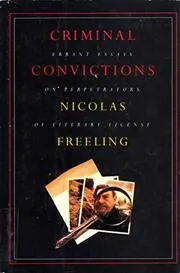
Criminal Convictions
by Nicolas Freeling
1994
In this essay collection, Freeling writes directly about crime fiction, the writers he admired, and what the genre can do beyond simple entertainment. It is a good place to meet his ideas as well as his style.
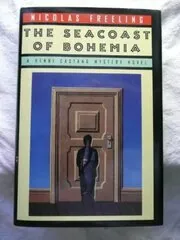
The Seacoast of Bohemia
by Nicolas Freeling
1994
A mother insists her son, missing for four years, is still alive after a sudden phone call. Castang and Vera follow that thin hope across Europe, into a case shaped by old war shadows and present-day exploitation.
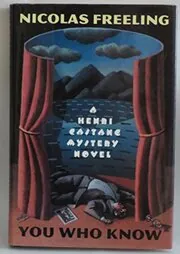
You Who Know
by Nicolas Freeling
1994
When an Irish friend and colleague is killed, Castang follows the trail across Europe. The case leads from political suspicion into sexual obsession, organized crime, and a bleak question about what people are really capable of loving.

A Dwarf Kingdom
by Nicolas Freeling
1996
Retired in Biarritz at last, Henri Castang hopes for peace, until his grandchild is kidnapped. With local politics muddying the search and danger hitting close to home, this final Castang case becomes painfully personal.
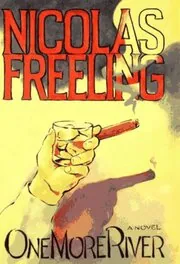
One More River
by Nicolas Freeling
1998
An aging British crime writer is living quietly in the south of France when someone tries to kill him. Forced onto the road, he races across Europe to discover who wants him dead, and why now.
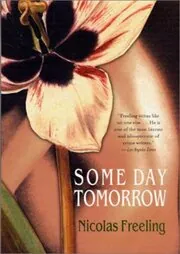
Some Day Tomorrow
by Nicolas Freeling
2000
This late standalone mixes suspense with reflection and memory. The past keeps pressing into the present, and the danger comes as much from old choices and hidden motives as from any openly violent threat.
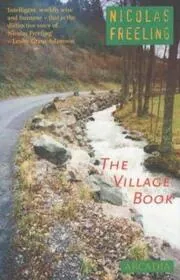
The Village Book
by Nicolas Freeling
2001
A late nonfiction work, this is Freeling's affectionate, observant portrait of village life. He writes about neighbors, customs, memory, and the small daily arrangements that make a place feel fully lived in.

The Janeites
by Nicolas Freeling
2002
Freeling uses a circle of Jane Austen devotees to explore manners, obsession, and the private dramas hidden inside civilized company. It looks calm on the surface, but the emotional undercurrents are anything but gentle.
Where to start with Nicolas Freeling
If you want the classic Van der Valk mysteries: Love in Amsterdam / Death in Amsterdam → Because of the Cats → Gun Before Butter / A Question of Loyalty
If you want Freeling at his most celebrated: Gun Before Butter / A Question of Loyalty → Criminal Conversation → The King of the Rainy Country
If you want to start with Henri Castang: A Dressing of Diamond → The Bugles Blowing / What Are The Bugles Blowing For? → Sabine / Lake Isle
If you want the later, more reflective Castang books: Not As Far As Velma → You Who Know → The Seacoast of Bohemia → A Dwarf Kingdom
Nicolas Freeling sub-series and character series
Nicolas Freeling collections, short stories, and related book types
Non-Fiction
Standalone Nicolas Freeling books
Author bio
Nicolas Freeling was born in London on March 3, 1927, but England was only one part of his story. He spent part of his early childhood in France, later lived in Southampton and Dublin, and grew up moving between languages, habits, and national tempers. That mixed background helps explain why his fiction feels so deeply European, even when it is written in a very dry, very British voice.
His family life was unsettled. His mother wrote children's books, and when the Second World War began she took the family to the Irish Free State, where his parents' marriage finally came apart. Freeling later wrote and spoke like someone who had watched countries, classes, and personalities rub against each other from an early age, then stored all of it away for later use.
He tried university in Dublin, served in the armed forces after the war, and then drifted into hotel kitchens in the south of France.
That turned out to matter a lot. For more than a decade he worked as a cook and kitchen apprentice in hotels and restaurants around France, England, and northern Europe. The work gave him a sharp eye for hierarchy, fatigue, appetite, snobbery, and the little social lies people tell every day. It also gave him material for his later food writing, especially The Kitchen Book.
The real turning point came in Amsterdam in 1959. After being arrested over food taken from the hotel kitchen where he worked, he spent a few weeks in jail and began writing a detective story while locked up. That story became Love in Amsterdam, the first appearance of Piet Van der Valk. Because of the Cats followed soon after, and readers quickly noticed that Freeling was doing something a little different from the standard puzzle mystery.
He never cared much for tidy puzzles. Books like Gun Before Butter, The King of the Rainy Country, and Criminal Conversation are police novels, yes, but they are also studies of motive, marriage, class, and national character. He won major crime-writing prizes in Britain, France, and the United States, but even then he was uneasy about being boxed in as only a crime writer.
When he grew tired of Van der Valk, he did something most series writers would never dare to do. He broke the pattern, shifted the center of gravity, and later let Arlette Van der Valk step forward in The Widow. Then he created a new detective, Henri Castang, beginning with A Dressing of Diamond. Castang is quieter and more reflective than Van der Valk, and the later books, including Not As Far As Velma, You Who Know, and The Seacoast of Bohemia, show Freeling leaning even harder into questions of memory, Europe, and moral wear-and-tear.
He also wrote standalones such as Valparaiso, Gadget, and One More River, plus the essay collection Criminal Convictions. Across all of them, certain interests keep returning: borders, travel, bureaucracy, married life, and ordinary people knocked off balance by fear or desire.
Freeling settled for much of his later life in eastern France, near Strasbourg, and the setting suited him. His books often feel as if they are standing at a crossroads, between countries, between languages, between one version of a life and the next. He died there on July 20, 2003, after a long illness, leaving behind a body of work that still feels unusually alert to how Europeans actually live, argue, eat, and remember.








Edited by
Software engineer whose passion for tracking book recommendations from podcasts inspired the creation of MRB.
Lead investor at 3one4 Capital whose startup expertise and love for books helped shape MRB and its growth.
Comments
Did we miss something? Have feedback?
Help us improve this page by sharing your thoughts