
Three Masters Books in Order
Part ofStefan Zweig Books in OrderThis page covers Stefan Zweig's Three Masters series, with the essays listed in order plus short summaries, series background, and tips on where to begin.
Last updated:
As an Amazon Associate, we earn from qualifying purchases (at no extra cost to you).
Three Masters books in publication order
3 books
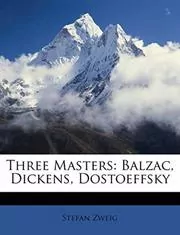
Balzac, Dickens, Dostoeffsky
by Stefan Zweig
1919
Essays in which Zweig portrays Balzac, Dickens and Dostoeffsky as three towering novelists of the nineteenth century, blending biography and literary criticism to show how each man’s temperament, struggles and obsessions shaped the vast fictional worlds he created.
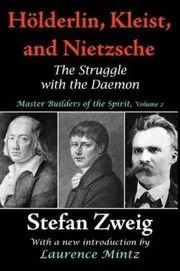
Holderlin, Kleist, and Nietzsche
by Stefan Zweig
1925
Zweig’s triptych on Hölderlin, Kleist and Nietzsche traces three gifted but tormented lives, examining how their inner demon of inspiration drove them toward visionary work, personal breakdown and a tense balance between artistic freedom, madness and responsibility.
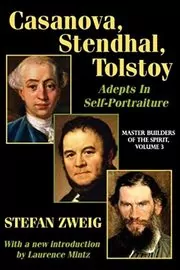
Casanova, Stendhal, Tolstoy
by Stefan Zweig
1928
In this volume Zweig studies Casanova, Stendhal and Tolstoy as masters of self portraiture, following the ways they turned adventures, love affairs and crises of conscience into literature, and asking how far a life can be reshaped on the page.
Three Masters books in chronological order
Series background & context
Three Masters is the umbrella name often used for Stefan Zweig's portraits of other writers, grouped into triptychs that read like a blend of biography, essay and short novel. Instead of dry scholarship he offers strongly narrated stories about how certain lives produced certain books.
In the volume on Balzac, Dickens and Dostoeffsky he follows three nineteenth century novelists who, in his view, built entire worlds on the page. Balzac becomes the tireless architect of modern French society, Dickens the chronicler of family feeling and bustling everyday life, and Dostoeffsky the explorer of spiritual crisis and guilt. Zweig is less interested in cataloging dates than in tracing the pressures, ambitions and private obsessions that fed into their fiction.
Holderlin, Kleist, and Nietzsche shifts the focus to German language writers whose creativity feels more volcanic. Here he writes about poets and a philosopher haunted by an inner demon, a restless drive that pushes them toward extremes of insight and self destruction. Casanova, Stendhal, Tolstoy looks at three men who turned their own experiences of love and adventure into self portraits on the page, asking how much of a life can be transformed into literature without losing its shape.
Across the Three Masters books the tone is personal and conversational. Zweig moves easily between a scene from everyday life, a close reading of a key passage and a quick sketch of the wider historical moment. He likes arresting images, whether it is a writer alone at a desk in the small hours or a traveler carrying manuscripts from one capital to another, and he uses those details to make long gone figures feel close.
What links these essays is his belief that literature is a kind of moral adventure. The writers he chooses are not held up as saints, and he is frank about their weaknesses, but he treats their struggles with sympathy. Again and again he returns to questions of freedom, obsession, responsibility and the cost of genius, themes that also run through his own novellas and plays.
For readers, the series is a welcoming way to approach classic authors that might otherwise seem forbidding. This page lays out the Three Masters books in order and gives you brief summaries and context so you can decide whether to begin with the more familiar names like Balzac and Dickens or to jump straight into the darker worlds of Nietzsche or Dostoeffsky. However you enter, these portraits show how passionately Zweig believed in the power of books, and in the strange friendships that grow between one writer and another across time.








Edited by
Software engineer whose passion for tracking book recommendations from podcasts inspired the creation of MRB.
Lead investor at 3one4 Capital whose startup expertise and love for books helped shape MRB and its growth.
Comments
Did we miss something? Have feedback?
Help us improve this page by sharing your thoughts