
John Banville Books in Order
A complete guide to John Banville's bibliography, including his Booker Prize-winning literary fiction and the crime novels written as Benjamin Black.
Last updated:
As an Amazon Associate, we earn from qualifying purchases (at no extra cost to you).
John Banville books in publication order
51 books

Long Lankin
by John Banville
1970
Banville's debut collection of short stories and a novella. The tales explore themes of jealousy, possession, and the loss of innocence, introducing the brooding, lyrical voice that would define his later novels.
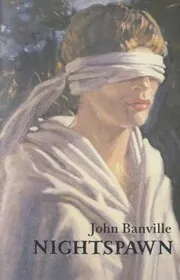
Nightspawn
by John Banville
1971
Banville's first novel is a metafictional thriller set in Greece just before the military coup. The narrator, Ben White, becomes a pawn in a murky political game, but the story is as much about the act of writing as it is about the plot.
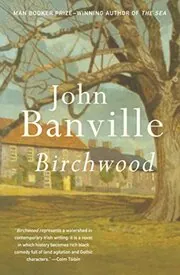
Birchwood
by John Banville
1973
Gabriel Godkin returns to his decaying family estate, Birchwood, to find it in ruins. His memoir weaves together a gothic tale of incest, madness, and a traveling circus, painting a bleak but comic portrait of the declining Irish gentry.
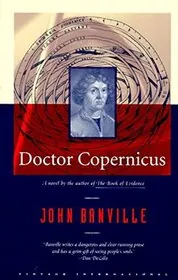
Doctor Copernicus
by John Banville
1976
The story of Nicolaus Copernicus, the canon who shattered the medieval universe by placing the sun at its center. Banville depicts him not as a hero, but as a fearful, isolated man haunted by the implications of his own revolutionary discovery.
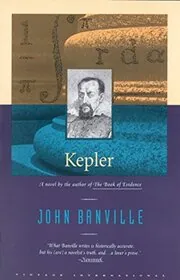
Kepler
by John Banville
1981
A fictionalized biography of Johannes Kepler, the brilliant mathematician who mapped the planetary laws. The novel portrays his struggle against poverty, illness, and the religious wars of the 17th century, all while he seeks the divine harmony of the spheres.
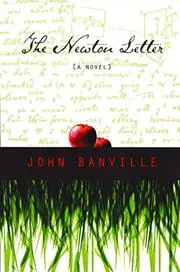
The Newton Letter
by John Banville
1982
A historian rents a cottage in the countryside to finish his biography of Isaac Newton. Instead, he becomes obsessed with the local family, misinterpreting their lives and relationships in a way that mirrors Newton's own breakdown and abandonment of science.
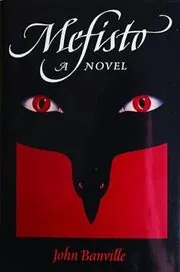
Mefisto
by John Banville
1986
Gabriel Swan, a mathematical prodigy obsessed with order, survives a burn injury and falls into the orbit of a chaotic master criminal named Mr. Kasperl. A surreal exploration of the conflict between the desire for certainty and the randomness of life.
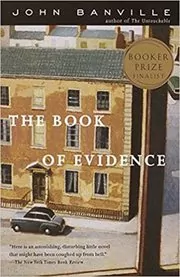
The Book of Evidence
by John Banville
1989
Freddie Montgomery, a drifting scientist, returns to Ireland to steal a painting and ends up brutally murdering a chambermaid. From his prison cell, he narrates the chilling story of his crime with terrifying detachment and eloquence.
Recommended by
1 person Christopher Hitchens recommended this book
Christopher Hitchens
"[A] fine novel." - Christopher Hitchens
Christopher Hitchens's recommendation of this book
Ghosts
by John Banville
1993
A group of castaways runs aground on a small island inhabited by a famous art professor and his assistant. The assistant—an unnamed narrator who is clearly a murderer from a past life—observes the visitors in this dreamlike meditation on guilt and redemption.

The Broken Jug
by John Banville
1994
A play adapted from Heinrich von Kleist's comedy. The plot concerns a village judge who must preside over a trial about a broken jug, only to find himself increasingly implicated in the crime he is supposed to be solving.
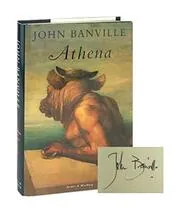
Athena
by John Banville
1995
Freddie Montgomery, having changed his name, finds himself caught up in a dubious scheme to authenticate a cache of stolen paintings. He falls in love with a woman named A., who may be as elusive and constructed as the art he examines.
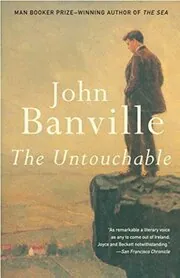
The Untouchable
by John Banville
1997
Based on the life of Anthony Blunt, this novel is the memoir of Victor Maskell, an art historian and double agent exposed as a Soviet spy. It is a brilliant study of duplicity, loyalty, and the masks people wear in both public and private life.

The Supreme Fictions of John Banville
by Joseph McMinn & John Banville
1999
A critical study or collection focusing on the major themes and stylistic evolution of John Banville's work. It examines his use of language, his recurring characters, and his place in the tradition of Irish and European literature.
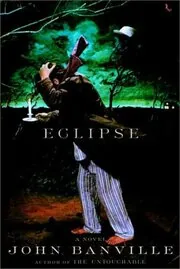
Eclipse
by John Banville
2000
Alexander Cleave, an actor whose career has collapsed, returns to his childhood home to live in isolation. But the house is not empty; he is disturbed by strange presence and his own troubled daughter, Cass, whose arrival forces a reckoning with the past.

God's Gift
by John Banville
2001
Banville's adaptation of Heinrich von Kleist's play *Amphitryon*. It retells the Greek myth where Jupiter disguises himself as a mortal general to seduce the man's wife, resulting in a witty and philosophical comedy of errors.
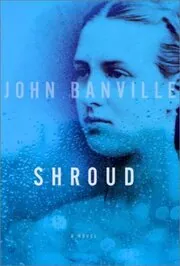
Shroud
by John Banville
2002
Axel Vander, an elderly academic with a fabricated identity, travels to Turin to meet a young woman who knows his secret. What follows is a tense, claustrophobic encounter involving blackmail, memory, and the ghosts of the Holocaust.

Prague Pictures
by John Banville
2003
Part history, part travelogue, this book captures the magic and melancholy of Prague. Banville explores the city's winding streets and turbulent past, focusing on the eccentric figures—artists, emperors, and astronomers—who shaped its identity.
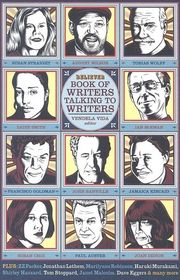
The Believer Book of Writers Talking to Writers
by Vendela Vida, Marilynne Robinson, Haruki Murakami & John Banville
2005
Edited by Vendela Vida, this volume collects writer-to-writer conversations first published in The Believer, supplemented by previously unpublished interviews. The exchanges move beyond craft to subjects such as politics, philosophy, work, and the personal habits that shape a writing life.
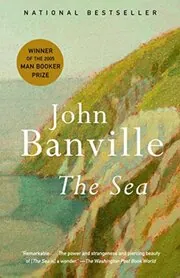
The Sea
by John Banville
2005
Winner of the Booker Prize. After his wife's death, art historian Max Morden retreats to the seaside town where he spent a childhood summer. There, he confronts the traumatic memories of the Grace family that have haunted him for decades.
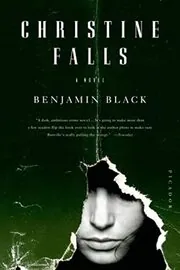
Christine Falls
by John Banville
2006
The first Quirke mystery introduces the lonely pathologist as he discovers his own brother-in-law tampering with a death record. His investigation uncovers a dark conspiracy involving the Catholic Church and illicit adoptions between Ireland and America.
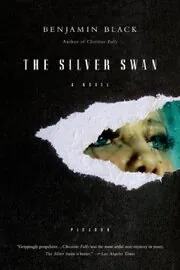
The Silver Swan
by John Banville
2007
Two years after his first case, pathologist Quirke investigates the death of a young woman found in the bay. What looks like suicide turns out to be murder, leading him into the seedy underbelly of Dublin's drug trade and beauty salons.

Tax Free
by John Banville
2008
This novel introduces a world of secrets and financial maneuvering, known as the first in the 'Illegal Evasion' series. The story follows ordinary characters who get caught up in the high-stakes, stressful game of dodging the taxman.
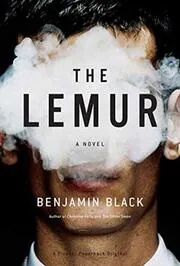
The Lemur
by John Banville & Eduard Castanyo Montserrat
2008
Biographer John Glass hires a researcher nicknamed 'The Lemur' to dig into his father-in-law's past. When the researcher is murdered, Glass must navigate a minefield of CIA secrets and family betrayals in New York City.

More Confessions from a Serial Tax Cheat
by John Banville
2009
The second book in the Tax Free series continues the humorous and morally complex saga of financial evasion. The protagonist digs deeper into the world of hiding assets, facing new challenges that test both his nerve and his relationships.
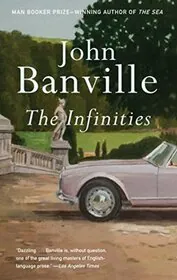
The Infinities
by John Banville
2009
In a reality where Greek gods still meddle in human affairs, a dying mathematician's family gathers at his country estate. Narrated by Hermes, this novel blends domestic drama with divine mischief as the gods manipulate the mortals' loves and fears.
The Paris Review Issue 188
by Kay Ryan, Ezra Pound, Padgett Powell, Corey Arnold, Vijay Balakrishnan, David Baker, D. Nurkse, Philip Gourevitch & John Banville
2009
The Spring 2009 issue of The Paris Review gathers new fiction, poetry, photographs, artwork, and literary conversation. Its centerpiece interviews include John Banville discussing his work and Annie Proulx reflecting on the distinction between the short story and the novel.
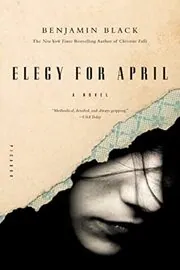
Elegy for April
by John Banville, Sean Barrett & Eduard Castanyo
2010
Recovering from a stint in rehab, Quirke finds himself investigating the disappearance of his daughter’s friend, April. In a fog-bound Dublin, he uncovers rumors of a scandal that the ruling elite are desperate to keep buried.
Imagined Lives
by John Banville, Tracy Chevalier, Julian Fellowes, Alexander McCall Smith, Terry Pratchett, Sarah Singleton, Joanna Trollope & Minette Walters
2010
This illustrated National Portrait Gallery book pairs portraits of unidentified Tudor and Jacobean sitters with fictional biographies and character sketches by eight writers, including Joanna Trollope and John Banville. The stories imaginatively fill gaps left by disputed identities and sparse historical records.
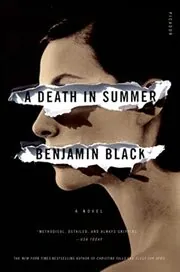
A Death in Summer
by John Banville
2011
When a powerful newspaper magnate is found dead with a shotgun in his hand, it looks like suicide. Quirke's autopsy suggests otherwise, pulling him into a dark circle of money, politics, and a widow who may be more dangerous than she appears.
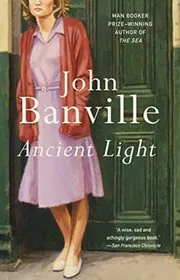
Ancient Light
by John Banville
2012
Actor Alexander Cleave is haunted by memories of a forbidden affair he had as a teenager in a small Irish town. Decades later, while working on a film set, he begins to unravel the truth about his daughter's death and the reliability of his own past.
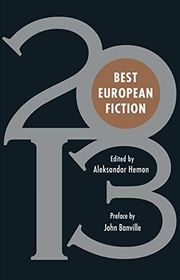
Best European Fiction 2013
by John Banville
2012
Edited and introduced by Aleksandar Hemon, this volume collects contemporary short fiction from across Europe in English translation. The stories represent a wide range of countries, languages, and styles, while John Banville contributes a preface to the annual anthology.
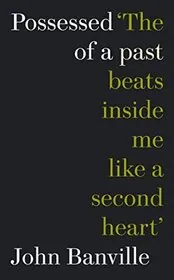
Possessed of a Past
by John Banville
2012
A comprehensive collection of John Banville’s literary criticism and essays. Covering writers from Kafka to Beckett, these pieces offer deep insight into the reading habits and intellectual influences of one of Ireland's greatest living novelists.
The Picador Book of 40
by John Banville
2012
Created for Picador’s fortieth anniversary, this anthology asks 40 writers to respond to the number 40 in any form they choose. John Banville appears alongside established and newer voices in a varied mix of fiction, poetry, comic pieces, reflections, and miniature literary exercises.
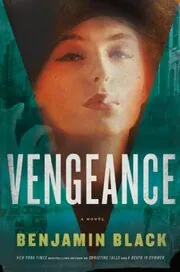
Vengeance
by John Banville
2012
A peculiar suicide among one of Dublin's wealthiest families draws Quirke into a tangled web of business rivalry and jealousy. As he digs deeper, he finds that the partnership between two family dynasties is built on fragile and dangerous ground.

Holy Orders
by John Banville
2013
When the body of a journalist is pulled from a canal, Quirke and Inspector Hackett suspect more than a simple mugging gone wrong. The trail leads them to a powerful tinkers' clan and the hidden machinations of the Catholic clergy.
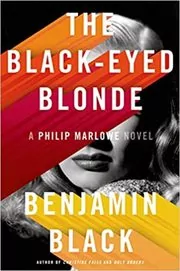
The Black-Eyed Blonde
by John Banville & Benjamin Black
2014
Philip Marlowe returns in this authorized mystery set in the heat of a California summer. Hired by a wealthy heiress to find her former lover, Marlowe uncovers a trail of deceit that leads from high society to the dangerous underworld.
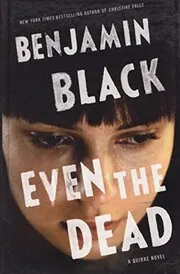
Even the Dead
by John Banville
2015
Quirke suspects foul play when a car crash in central Dublin is ruled a suicide. His investigation leads him into the dark history of the city's laundries and the church's power, while he battles his own declining health and personal demons.
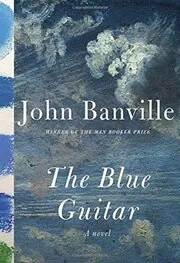
The Blue Guitar
by John Banville
2015
Oliver Orme is a painter who has lost his muse and turned to petty theft. When he embarks on an affair with his friend's wife, the fallout forces him to retreat to his childhood home and confront the wreckage of his selfish life.
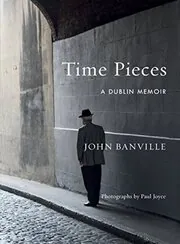
Time Pieces
by John Banville
2016
A vivid and personal memoir in which Banville explores the Dublin of his memories and the city as it exists today. Through a series of walks and reflections, he illuminates the history, architecture, and hidden corners of the Irish capital.
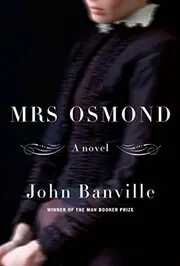
Mrs. Osmond
by John Banville
2017
Picking up where Henry James left off, this novel follows Isabel Archer as she flees her unhappy marriage in Rome. Now wealthy and wiser, she travels across Europe to confront her past and secure her independence from those who betrayed her.
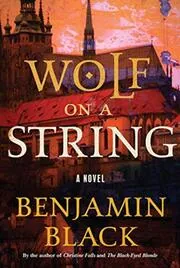
Wolf on a String / Prague Nights
by John Banville
2017
Arriving in Prague in 1599, a young scholar named Christian Stern finds himself embroiled in the court of the eccentric Emperor Rudolf II. When the Emperor's mistress is murdered, Stern must navigate a treacherous world of alchemy, magic, and court intrigue.
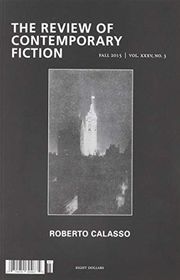
Review of Contemporary Fiction: Roberto Calasso Issue
by Alex Andriesse & John Banville
2019
This special issue of The Review of Contemporary Fiction is devoted to Italian writer and publisher Roberto Calasso. It combines Calasso’s work with an interview, critical essays, appreciations, and a reading list; John Banville contributes “The Idolatry of Light.”

Conversation in the Mountains
by John Banville
2020
A radio play or short work by Banville, often delving into philosophical dialogue and the quiet tension between characters in an isolated setting, reflecting his mastery of the spoken word.
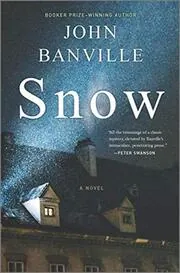
Snow
by John Banville & John Lee
2020
In the winter of 1957, a priest is found murdered and mutilated in the library of an aristocratic country house. Detective Inspector St. John Strafford is sent to investigate, facing silence from the locals and the freezing grip of a relentless snowstorm.
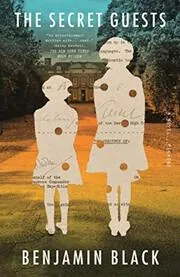
The Secret Guests
by John Banville
2020
During World War II, the British royal princesses Elizabeth and Margaret are secretly moved to a remote Irish estate for safety. Detective St. John Strafford is assigned to guard them, but the isolation is shattered when a local man is found dead.
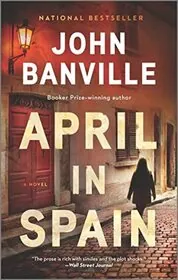
April in Spain
by John Banville
2021
While on holiday in San Sebastian, pathologist Quirke spots a woman who is supposed to be dead. He summons Detective St. John Strafford to Spain, but their investigation threatens to expose a secret that powerful people back in Ireland will kill to protect.
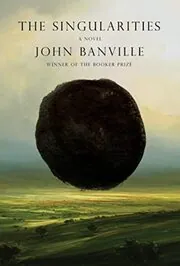
The Singularities
by John Banville
2022
Freddie Montgomery, recently released from prison under a new name, returns to his childhood home, now occupied by the eccentric Godley family. As he navigates this strange new reality, characters from Banville's past novels converge in a playful, metaphysical mystery.

The Lock-Up
by John Banville
2023
Pathologist Quirke and Detective Strafford form an uneasy alliance to solve the murder of a young woman found in a garage. Their investigation takes them from Dublin to the Bavarian Alps, revealing connections to World War II and a wealthy brewing dynasty.

The Drowned
by John Banville
2024
A man wanders the Irish countryside claiming his wife has thrown herself into the sea. Detective Strafford investigates the missing woman, while Quirke, still grieving his own loss, gets drawn into a case that echoes his personal tragedy.

Timeless Voices, Modern Echoes
by John Banville
2024
An anthology or collection featuring John Banville's contributions, likely exploring the resonance of classic literature in contemporary writing or gathering his essays on enduring literary figures.

Venetian Vespers
by John Banville
2025
A collection of works or a singular narrative set against the backdrop of Venice, exploring the interplay of light, water, and the darker recesses of the human heart, characteristic of Banville's atmospheric style.
Where to start with John Banville
For a gripping introduction to his literary style: The Book of Evidence → Ghosts → Athena
If you prefer atmospheric historical crime: Christine Falls → The Silver Swan → Elegy for April
For his most acclaimed, Booker-winning work: The Sea
For a unique blend of history and science: Doctor Copernicus → Kepler
John Banville sub-series and character series
Frames: The Freddie Montgomery Trilogy books in order
Explore this seriesFrames: The Freddie Montgomery Trilogy books in chronological order
Philip Marlowe (John Banville) books in order
Explore this seriesPhilip Marlowe (John Banville) books in chronological order
The Revolutions Trilogy books in order
Explore this seriesThe Revolutions Trilogy books in chronological order
John Banville collections, short stories, and related book types
Short Stories/Novellas
Short Story Collections
Poetry Collections
Plays
Non-Fiction
Writer and the City
Benjamin Black Poetry Collections
Anthologies
The Believer Book of Writers Talking to Writers
by Vendela Vida, Marilynne Robinson, Haruki Murakami & John Banville
2005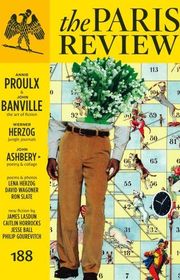
by Kay Ryan, Ezra Pound, Padgett Powell, Corey Arnold, Vijay Balakrishnan, David Baker, D. Nurkse, Philip Gourevitch & John Banville
2009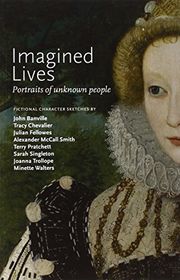
by John Banville, Tracy Chevalier, Julian Fellowes, Alexander McCall Smith, Terry Pratchett, Sarah Singleton, Joanna Trollope & Minette Walters
2010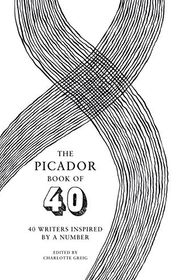
Standalone John Banville books
Author bio
John Banville is widely considered one of the most talented writers to come out of Ireland in the last century. If you appreciate fiction that pays close attention to the rhythm and beauty of every sentence, his work is essential reading. He is known for a specific brand of dark wit and a mastery of the English language that few others can match.
Born in Wexford in 1945, Banville didn't start his career in the quiet isolation often associated with novelists. Instead, he spent many years working in the busy world of journalism. He served as a sub-editor and eventually the literary editor at The Irish Times. This background in the newspaper business gave him a unique discipline. He treats writing with the regularity of a day job, showing up to his desk to work rather than waiting for inspiration to strike.
For decades, his writing life was famously split into two distinct personalities.
First, there is John Banville, the literary artist. This is the name attached to his most intricate and stylistically demanding novels. He first gained serious attention with a series of books focused on science and history. His "Revolutions Trilogy," which includes titles like Doctor Copernicus and Kepler, reimagines the lives of famous astronomers. These aren't standard biographies; they are deep, fictional dives into the minds of geniuses who saw the world differently than everyone else.
His reputation as a master of style reached new heights in 2005. That year, his novel The Sea won the Booker Prize, one of the biggest honors in fiction. It is a beautiful, melancholic story about an art historian returning to a seaside village to cope with the loss of his wife. Readers often praise these literary works for how they handle memory. Banville loves to explore how our minds trick us, and how the past is never quite as clear as we think it is.
Then, there is Benjamin Black.
In 2006, Banville wanted to try something different. He created the pseudonym Benjamin Black to write crime fiction. He wanted to focus on plot, atmosphere, and dialogue without the heavy pressure of creating "high art." The result was a series of noir mysteries, most notably the Quirke series. Set in the smoggy, secretive world of 1950s Dublin, these books follow a lonely pathologist who solves crimes that often involve the city's powerful elite and the Catholic Church.
For a long time, Banville kept these two identities strictly separate. He often said that writing as Banville was slow, agonizing work, while writing as Black was fast and fun. He viewed the crime novels as craftsmanship and the literary novels as art.
However, in recent years, those lines have started to blur.
He eventually realized that the division wasn't as necessary as he thought. Characters began to cross over between his literary and mystery worlds. He even started publishing crime novels, such as Snow, under his own name rather than using the pseudonym.
Today, John Banville lives in Dublin, continuing to add to a massive body of work. Whether he is crafting a complex sentence about the nature of grief or plotting a murder mystery in a rainy alley, he remains a storyteller at the top of his game. He has given readers the best of both worlds, proving that one author can successfully live two very different creative lives.
Edited by
Software engineer whose passion for tracking book recommendations from podcasts inspired the creation of MRB.
Lead investor at 3one4 Capital whose startup expertise and love for books helped shape MRB and its growth.
Comments
Did we miss something? Have feedback?
Help us improve this page by sharing your thoughts