
The Once and Future King Books in Order
Part ofTH White Books in OrderSee The Once and Future King books in order by T H White, with reading order, short summaries, series background, and where to start.
Last updated:
As an Amazon Associate, we earn from qualifying purchases (at no extra cost to you).
The Once and Future King books in publication order
5 books
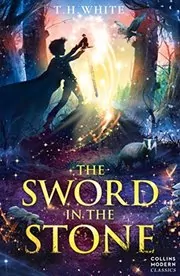
The Sword in the Stone
by TH White
1938
Young Arthur, still known as Wart, is taught by Merlyn through magic, mischief, and a series of animal transformations. It is the sunniest part of White's Arthur cycle, but its lessons about power matter all the way through.

The Witch in the Wood
by TH White
1939
Now king, Arthur tries to replace brute force with justice while war and family feud gather around him. The book introduces the Orkney brothers and the darker tensions that will haunt Camelot.
The Candle in the Wind
by TH White
1940
Arthur's reign is running out as Mordred and Agravaine move against Lancelot and Guinevere. White turns the fall of Camelot into a sad, clear-eyed novel about law, loyalty, and the cost of old mistakes.
The Ill-Made Knight
by TH White
1940
Lancelot arrives at Arthur's court wanting glory and goodness, but love for Guinevere complicates everything. This is the emotional heart of White's Arthur story, where friendship, desire, and failure start breaking the Round Table.
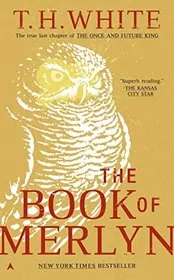
The Book of Merlyn
by TH White
1977
On the eve of Arthur's final battle, Merlyn returns to give the king one last set of lessons. Part coda and part argument about war, it revisits the animal teachings behind White's whole Arthurian saga.
The Once and Future King books in chronological order
Series background & context
The books in The Once and Future King start with a boy. Arthur is still Wart, a foster child in Sir Ector's household, and Merlyn arrives not as a distant prophet but as an eccentric tutor who lives backward in time. In The Sword in the Stone, Merlyn turns him into fish, birds, and other creatures so that ideas about power can be felt before they are explained. It begins as a lively coming-of-age fantasy, but White is already asking what sort of king Arthur should become.
Then the mood starts to darken.
In The Witch in the Wood, Arthur has the crown but not the answers. He wants to replace brute force with justice, and the series keeps circling one central problem: how do you stop might from pretending to be right? White uses battles, feuds, and court politics, but he is just as interested in the argument underneath them. The Round Table is not only a famous image here. It is Arthur's attempt to build a better order in a violent world.
Camelot is the center of the series, but it never feels settled for long. White fills it with people who are larger than legend and painfully human at the same time: Arthur, earnest and burdened by conscience; Guinevere, proud, loving, and often cornered by her own position; Merlyn, wise but not always there when he is most needed; and Lancelot, who wants to be both saintly and unbeatable. In The Ill-Made Knight, Lancelot's loyalty to Arthur and love for Guinevere become the emotional engine of the whole sequence. What could have been a simple triangle turns into a long, slow moral disaster.
That is what makes these books more than a straight retelling.
White writes in a voice that can be funny, plainspoken, and oddly modern without losing the medieval setting. One chapter may be full of animal lessons, jokes, or hunting detail. The next may turn sharp, sad, or political. Readers often remember the brightness of The Sword in the Stone first, especially if they came in through the Disney film, but the series as a whole moves toward fracture and loss. By The Candle in the Wind, private choices have become public ruin, and the fall of Camelot feels both legendary and terribly personal.
The setting helps hold all of this together. White knew Malory closely, but he was not trying to sound dusty or remote. He wanted the Arthur story to feel lived in, with tempers, blind spots, sudden tenderness, and real consequences. That is why the books are welcoming even when they are tragic.
Most readers move through the story in The Sword in the Stone, The Witch in the Wood, The Ill-Made Knight, and The Candle in the Wind. The Book of Merlyn, published after White's death, works as a later coda, returning Arthur to one last lesson about war before the end. Taken together, the series offers adventure, heartbreak, argument, and one of the clearest modern versions of Arthur's story. Its reach widened again through Disney's The Sword in the Stone and the musical Camelot, but the books themselves are still the real center of it all.







Edited by
Software engineer whose passion for tracking book recommendations from podcasts inspired the creation of MRB.
Lead investor at 3one4 Capital whose startup expertise and love for books helped shape MRB and its growth.
Comments
Did we miss something? Have feedback?
Help us improve this page by sharing your thoughts