
The Dreamers Books in Order
Part ofDavid Eddings Books in OrderExplore The Dreamers series by David and Leigh Eddings in order, with book summaries, background on the Elder Gods and the Vlagh, and suggestions on how to approach the quartet.
Last updated:
As an Amazon Associate, we earn from qualifying purchases (at no extra cost to you).
The Dreamers books in publication order
4 books
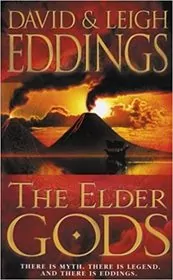
The Elder Gods
by David Eddings
2003
In the land of Dhrall, the Elder Gods discover that the hive-minded Vlagh is sending hordes of monsters toward Zelana’s western domain. Forbidden to kill directly, they rely on the prophetic dreams of a child and the hired swords of sea-raiders, archers, and imperial soldiers to hold the ravine at Lattash.
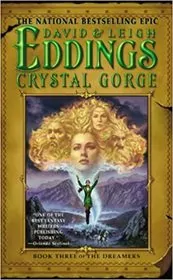
Crystal Gorge
by David Eddings
2005
The struggle against the Vlagh moves to the mountainous region around Crystal Gorge, where its creatures spread a deadly “plague.” Outlander armies and native fighters dig in for a brutal siege, using the enemy’s own venom and the Dreamers’ terrifying visions to turn the narrow pass into a killing ground.
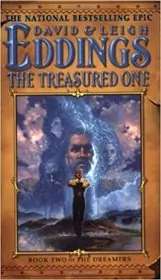
The Treasured One
by David Eddings
2005
After the first victory over the Vlagh, the war shifts south to Veltan’s peaceful domain. As new dreams warn of another invasion, Veltan’s friend Omago and the combined Maag and Trogite forces reinforce fresh battle lines, while human greed and betrayal threaten to undo their hard-won unity.
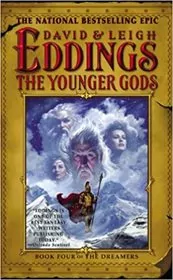
The Younger Gods
by David Eddings
2006
In the final Dreamers novel, the Elder Gods grow too tired to stay awake as the Vlagh prepares one last push from the Wasteland. Longbow, Omago, and their allies venture into the heart of the hive, using newly revealed powers and a risky plan to end the threat at its source.
The Dreamers books in chronological order
Series background & context
The Dreamers is a four‑book sequence that moves away from the familiar kingdoms of Aloria and Eosia into a new land called Dhrall. Here the powers behind the world are not distant gods but four Elder Gods—Zelana, Dahlaine, Veltan, and Aracia—who each oversee a quadrant of the land and quietly nudge history along.
At the opening of The Elder Gods, their careful balance is threatened by the Vlagh, a hive‑minded creature breeding intelligent, insect‑like servants in a wasteland at the center of the continent. The Elder Gods are forbidden to kill directly, so they are given human children known as Dreamers whose visions can shape reality. Those dreams, in turn, point the gods toward mortal allies who can fight on their behalf.
Much of the series follows those outlanders: sea‑raiders from Maag, disciplined soldiers from the Trogite Empire, and gifted archers from the local tribes. Commanders like Sorgan Hook‑Beak, Longbow, and Narasan bring very human concerns—pay, pride, fear of failure—into a story that might otherwise be pure myth. Each book focuses on a different domain and a different phase of the war as the Vlagh’s swarms try new tactics.
Expect large‑scale battles, repeated set‑piece defenses, and a constant tug‑of‑war between what the mortals want and what the gods are willing to reveal.
As the sequence moves through The Treasured One and Crystal Gorge toward The Younger Gods, the stakes become less about a single invasion and more about how long the Elder Gods can stay awake, what responsibility they owe to the humans they’ve recruited, and whether the Dreamers will grow into something entirely new. There’s a strong sense of pattern and recursion—events are often retold from fresh viewpoints—which some readers find comforting and others find deliberately unsettling.
If you’re coming from the Belgariad and Elenium cycles, The Dreamers will feel familiar in its banter and camaraderie but different in structure. The same small group of mortal characters reappear in domain after domain, testing new strategies against an enemy that literally learns from every defeat, while the gods hover at the edge of the page, powerful but strangely constrained.
Edited by
Software engineer whose passion for tracking book recommendations from podcasts inspired the creation of MRB.
Lead investor at 3one4 Capital whose startup expertise and love for books helped shape MRB and its growth.
Comments
Did we miss something? Have feedback?
Help us improve this page by sharing your thoughts