
Sundance Books in Order
Part ofBen Haas Books in OrderThis page lists the Sundance books by Ben Haas, written as John Benteen, in order, with quick summaries, series background, and reading help.
Last updated:
As an Amazon Associate, we earn from qualifying purchases (at no extra cost to you).
Sundance books in publication order
20 books
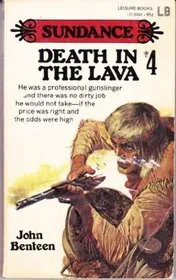
Death in the Lava
by Ben Haas
1971
Sundance crosses a harsh lava country where the landscape is as deadly as the men hunting him. The setting gives this adventure a grim survival edge alongside the usual gunplay, pursuit, and frontier tension.
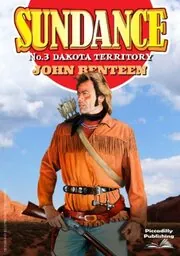
Dakota Territory
by Ben Haas
1972
Sundance moves through a raw, contested frontier where the law is thin and every alliance feels temporary. Haas uses the Dakota setting for a hard western of pursuit, suspicion, and sudden eruptions of violence.
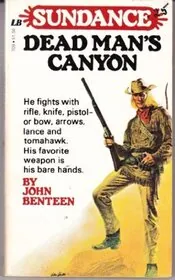
Dead Man's Canyon
by Ben Haas
1972
Jim Sundance rides into a brutal frontier trap where rough country, hard men, and divided loyalties turn a routine job into a fight for survival. It is a lean western built on pursuit, ambush, and close-range violence.
Overkill
by Ben Haas
1972
Half-Cheyenne gunman Jim Sundance is hired to recover a rich man's daughter and the gold taken with her. The job sends him into violent country, where Army officers, outlaws, and frontier politics all collide.
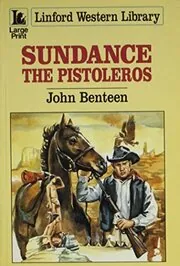
The Pistoleros
by Ben Haas
1972
Sundance runs into professional gunmen and a job that turns deadly fast. It is a stripped-down western about quick draws, shifting loyalties, and a hero who knows exactly how ugly the frontier can get.
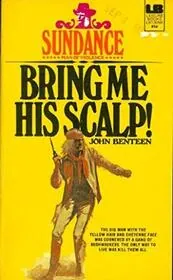
Bring Me His Scalp!
by Ben Haas
1973
Sundance is pulled into a vicious revenge hunt where the title promise tells you exactly how ugly things may get. The book is fast, hard, and driven by pursuit through unforgiving country.
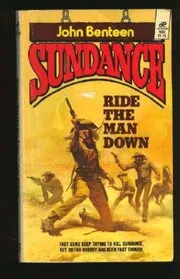
Ride the Man Down
by Ben Haas
1973
A pursuit story stripped to essentials, this one sends Sundance after a target who will not come quietly. Haas keeps the focus on pressure, terrain, and the grim effort of bringing a dangerous man in.

Taps at Little Big Horn
by Ben Haas
1973
Sundance rides into the shadow of Little Big Horn, where the coming collision between the Army and Native nations hangs over every move. It mixes frontier action with the tension of a famous historical moment.
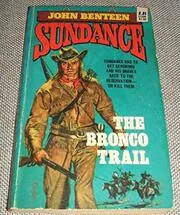
The Bronco Trail
by Ben Haas
1973
A trail job and a string of dangerous encounters push Sundance deeper into rough country and rougher company. It is a classic Haas western, lean on padding and strong on motion, pressure, and fights that hurt.
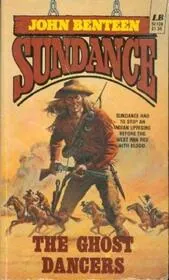
The Ghost Dancers
by Ben Haas
1973
Fear and unrest spread across the plains as Sundance gets pulled into violence surrounding the Ghost Dance movement. It is a hard western about desperation, belief, and the danger of men who want control.
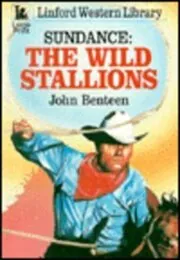
The Wild Stallions
by Ben Haas
1973
Wild horse country becomes the center of another dangerous Sundance job. Haas mixes speed, open-country action, and stubborn frontier personalities in a story where freedom, profit, and survival keep colliding.
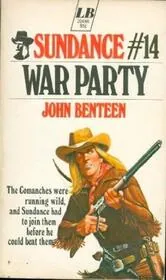
War Party
by Ben Haas
1974
Sundance is drawn into a spreading conflict where war fever, mistrust, and revenge threaten everyone in the line of fire. It is a rough, fast western that keeps its focus on survival and divided loyalties.

Bounty Killer
by Ben Haas
1975
Sundance faces the kind of man the frontier keeps producing, someone who turns killing into paid work and pride into bloodshed. The novel builds around pursuit, betrayal, and the grim math of who reaches the target first.
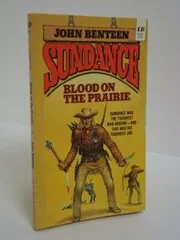
Blood on the Prairie
by Ben Haas
1976
Violence spills wide across open country as Sundance gets caught in another escalating fight. The prairie setting gives the story room for pursuit, ambush, and the kind of sudden brutality Haas wrote so well.
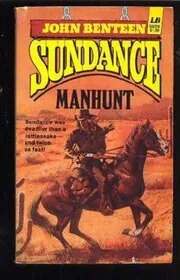
Manhunt
by Ben Haas
1976
Sundance is pushed into a relentless pursuit where every mile adds pressure and every delay costs lives. It is a straight chase story sharpened by danger, suspicion, and frontier grit.
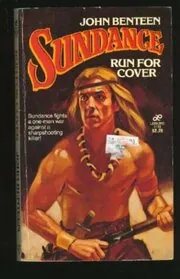
Run for Cover
by Ben Haas
1976
A bad situation gets worse fast, forcing Sundance to fight, retreat, and improvise in equal measure. The book keeps moving, balancing gunfire, harsh country, and the constant sense that safety will not last.
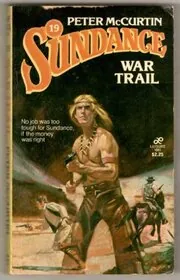
War Trail
by Ben Haas
1976
Sundance follows a trail already marked by fear, vengeance, and the threat of wider conflict. It is a spare, hard western focused on movement, survival, and the people trapped between rival forces.
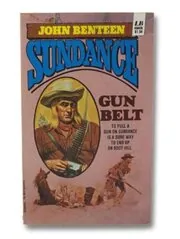
Gunbelt
by Ben Haas
1977
A struggle over guns, power, and survival pulls Sundance into another bloody frontier showdown. It is lean, fast, and full of close-range fights, with the tools of the West at the heart of the conflict.

Riding Shotgun
by Ben Haas
1977
Sundance takes a dangerous escort job that puts him between desperate men and open country with nowhere to hide. Fast ambushes and divided loyalties keep the pressure on all the way through.

Silent Enemy
by Ben Haas
1977
Sundance faces a threat that is harder to track because it rarely shows itself openly and never fights fair. The result is a tense frontier story built on suspicion, patience, and sudden violence.
Sundance books in chronological order
Series background & context
The Sundance books follow Jim Sundance, one of Ben Haas's best series characters and one of his most interesting western heroes. Sundance is half white and half Cheyenne, and that split identity is not just decoration. It shapes the way he moves through the world, the people he trusts, and the kinds of jobs he takes. He belongs fully to neither side, which makes him useful, dangerous, and often hard to read.
That tension is the engine of the series.
When the books begin, Sundance is already an experienced frontier fighter. He has lived among the Cheyenne and moved through the white world too, and he knows the weapons, languages, and codes of both. Unlike a simple drifter hero, he is tied to a larger cause. A recurring thread in the series is his effort to raise money to fight the corrupt Indian Ring back in Washington, the network of officials and profiteers feeding off Native suffering. That gives even the most straight-ahead adventure plots an extra edge. Sundance is not just working for himself.
The setting matters a great deal here. These books live in the years after the Civil War, when the Plains are under enormous pressure and every meeting between cavalry, settlers, speculators, tribes, and outlaws can turn ugly fast. Haas uses forts, badlands, trail towns, mountain country, lava fields, and open prairie not just as scenery but as sources of danger. The land is often as punishing as the people on it.
The tone is hard, but not empty. Sundance can fight with pistols, rifles, and knives, and he is more than willing to do what the job requires. At the same time, the series usually gives more weight to Native perspectives than many western paperbacks of the period did. Sundance sees how policy, greed, and military power grind people down. That does not turn the books into solemn history lessons, but it does give them a different moral center from a standard shoot-'em-up.
Most of the books can be read on their own, though starting early helps. Overkill is a good introduction because it shows Sundance moving between worlds while handling a violent rescue job. Dead Man's Canyon and Dakota Territory deepen that frontier setting and show how easily a paid mission can slide into something larger. Later books such as Taps at Little Big Horn and The Ghost Dancers make it even clearer that Haas was willing to place Sundance near big historical pressures, not just isolated town feuds.
Sundance is also a good example of how Haas could vary a formula without losing momentum. If Fargo is the pure mercenary adventurer, Sundance is the more haunted and politically exposed figure. He still rides into danger, still meets killers and outlaws and cavalry officers, and still solves problems with force when he must. But the series keeps reminding you that the frontier is not neutral ground. Somebody is always paying for the way the country is changing.
That gives the books real bite.
If you want westerns with fast action, a strong recurring lead, and a sharper sense of historical tension than usual, Sundance is well worth your time. The books move quickly, but they carry more weight than their page count first suggests.

Edited by
Software engineer whose passion for tracking book recommendations from podcasts inspired the creation of MRB.
Lead investor at 3one4 Capital whose startup expertise and love for books helped shape MRB and its growth.
Comments
Did we miss something? Have feedback?
Help us improve this page by sharing your thoughts