
Rancho Bravo Books in Order
Part ofBen Haas Books in OrderThis page lists the Rancho Bravo books by Ben Haas, written as Thorne Douglas, in order, with summaries, series background, and where to start.
Last updated:
As an Amazon Associate, we earn from qualifying purchases (at no extra cost to you).
Rancho Bravo books in publication order
5 books
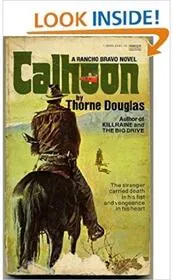
Calhoon
by Ben Haas
1972
Lucius Calhoon rides from South Carolina to Texas with one purpose, revenge on the man who tortured him. That obsession drives a fierce western that also opens the larger Rancho Bravo saga.
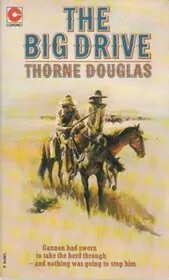
Big Drive
by Ben Haas
1974
Rancho Bravo's partners are trying to turn wild cattle into a real empire, but the big drive becomes a test of nerve, leadership, and survival. Dust, distance, and attacks from all sides keep the pressure high.
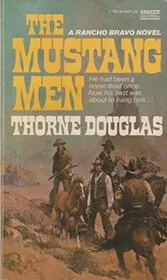
The Mustang Men
by Ben Haas
1977
Former horse thief Shan Tyree thinks Rancho Bravo might be his chance to go straight and finally belong somewhere. Then an old partner returns, a new horse deal turns risky, and Tyree's fresh start begins to crack.
Killraine
by Ben Haas
1979
When bandits ambush the Rancho Bravo wagons, steal a fortune, and carry off Jenny, Philip Killraine goes after them with murder on his mind. It becomes a revenge hunt against impossible odds.
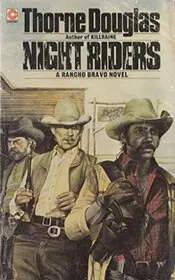
Night Riders
by Ben Haas
1979
Elias Whitton, once enslaved and now a partner in Rancho Bravo, has promised guns and supplies to the Comanches for the winter. When the wagon train goes missing, killers and desperation close in on every side.
Rancho Bravo books in chronological order
Series background & context
Rancho Bravo is Ben Haas doing something broader than a lone-gunman series. These books are still westerns, and they still have plenty of ambushes, gunfire, and hard riding, but the real subject is building something that might last. Set in post-Civil War Texas, the series follows a rough partnership trying to turn land, cattle, horses, labor, and nerve into a working empire.
That partnership is what gives the books their shape.
At the center are four very different men. Lucius Calhoon is a former Confederate from the Carolinas, marked by old wounds and old anger. Henry Gannon is a trail boss and practical cattleman, the sort of man who understands what work actually gets done. Philip Killraine is a former Union officer, disciplined and dangerous, who brings a different war background into the mix. Elias Whitton, once enslaved and later a respected partner in the ranch, adds another layer entirely, because his story ties the series to race, power, and survival in a way many western paperbacks never tried to handle.
The ranch itself matters as much as any one hero. Rancho Bravo is not just a backdrop. It is the shared gamble that keeps the books linked together. Herds have to be gathered and driven. Money has to be protected. Horses have to be bred and broken. Enemies do not come one at a time, either. The partners face rustlers, raiders, killers, bad deals, missing shipments, and the plain fact that Texas is still violent country with too much land and too little law.
That wider canvas lets Haas do more than simple revenge plots, although he can certainly write those. Calhoon opens with a man riding from South Carolina to Texas to settle a very personal score, and it gives the series a strong, bitter start. The Big Drive shows the sheer scale of the ranching operation and the danger of moving wealth on the hoof through open country. Killraine narrows the focus again, turning an ambush, a theft, and a kidnapping into a furious personal hunt. Night Riders brings Elias Whitton forward and shows how questions of loyalty, survival, and Native alliances can become central to the ranch's future. The Mustang Men adds Shan Tyree, a reformed horse thief trying to go straight, which fits neatly with the series' larger interest in second chances.
What makes Rancho Bravo stand out is the tension inside the partnership. These men do not come from the same past or see the world the same way. They have to work together because the ranch demands it, not because they have magically solved the country around them. The books know that race, war memory, class, and regional bitterness do not disappear just because people share a brand.
The tone is still lean and readable. Haas never turns the series into a lecture. But compared with Fargo or Sundance, Rancho Bravo feels more settled, more layered, and more interested in how a frontier business is held together day after day. There is still plenty of action. There is just more to lose.
If you like westerns that mix ranch work, partnership politics, and bursts of violence with a bigger sense of history, Rancho Bravo is one of Haas's most rewarding series. It has the speed of paperback fiction and the bones of a much larger saga.





Edited by
Software engineer whose passion for tracking book recommendations from podcasts inspired the creation of MRB.
Lead investor at 3one4 Capital whose startup expertise and love for books helped shape MRB and its growth.
Comments
Did we miss something? Have feedback?
Help us improve this page by sharing your thoughts