
Ben Haas Books in Order
Explore Ben Haas books in order, from Fargo and Sundance to Rancho Bravo, with short summaries, series background, and simple where-to-start advice.
Last updated:
As an Amazon Associate, we earn from qualifying purchases (at no extra cost to you).
Ben Haas books in publication order
61 books
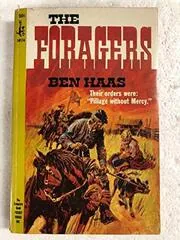
The Foragers
by Ben Haas
1962
One of Haas's early Southern novels, this story looks at people trying to make a life close to the land while older social pressures still hold them in place. The mood is quieter, but the human tensions run deep.
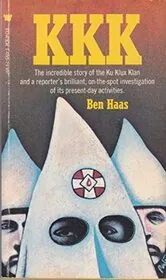
The KKK
by Ben Haas
1963
A nonfiction look at the Ku Klux Klan, written before Haas became best known for paperback westerns. It traces the group's violence and influence with a direct, unsparing focus on the history behind the myth.
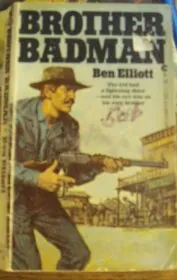
Brother Badman
by Ben Haas
1965
Rae Marsh rides to the Circle M to claim the share of a ranch left to him by the father he never knew. Instead of a new life, he finds family conflict, gun trouble, and an old outlaw reputation.
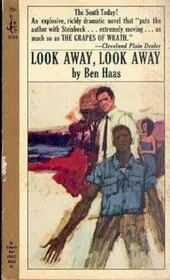
Look Away, Look Away
by Ben Haas
1965
Two boys, one white and one Black, grow up close in the South and return from World War II to stand on opposite sides of the civil rights struggle. Haas turns their broken friendship into a wide, forceful Southern novel.
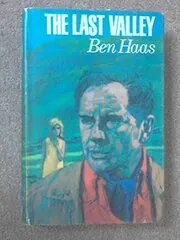
The Last Valley
by Ben Haas
1966
A blunt, retired general goes back to his Appalachian home, starts writing his memoirs, and finds himself fighting a plan to flood nearby virgin land. It is part family story, part environmental battle, part reckoning with age.
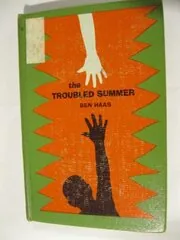
The Troubled Summer
by Ben Haas
1966
Set over one uneasy summer, this early Ben Haas novel follows young characters through a season of change, worry, and hard choices. It is more understated than his westerns, but the emotional pressure is real.

The Danube Runs Red
by Ben Haas
1967
Haas moves away from the American frontier here, but not from danger. Set against a tense European backdrop, this thriller runs on political pressure, pursuit, and the sense that violence is always one step away.
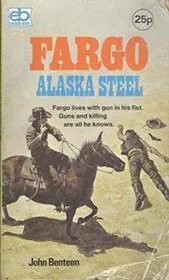
Alaska Steel
by Ben Haas
1969
An actress hires Fargo to find her estranged husband in Alaska, but the missing man is tied to valuable land and a brutal local power structure. The frozen setting adds a strong survival edge to the hunt.
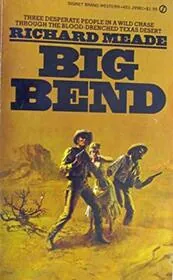
Big Bend
by Ben Haas
1969
In 1914 Texas, rancher Sam Ramsey pursues horse thieves into the brutal Big Bend country and joins forces with a Black veteran named Concho. Their rescue mission becomes a tense desert struggle for survival.
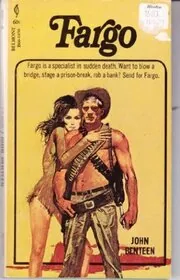
Fargo
by Ben Haas
1969
This series opener introduces Neal Fargo, a hard, restless gunman who hires himself out for the jobs other men avoid. On the Mexican border, revolution and greed give him exactly the kind of trouble he lives for.
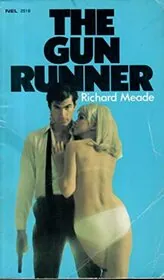
Gun Runner
by Ben Haas
1969
A dangerous transport job draws a hard man into border intrigue, shifting alliances, and a chase that never lets up. It reads like a thriller, but with the grit and physical danger of a western.
Massacre River
by Ben Haas
1969
Fargo is paid to escort Jade Ching across a war-torn stretch of the Philippines toward an arranged marriage she does not want. The journey becomes a dangerous test of loyalty, money, and conscience.
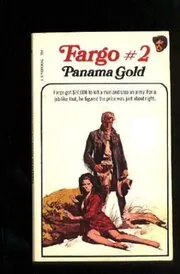
Panama Gold
by Ben Haas
1969
Soldier of fortune Cleve Buckner is building a private army in Central America, and Fargo is paid to stop him before the Panama Canal can be destroyed. It is a big job, even by Fargo standards.
Apache Raiders
by Ben Haas
1970
The Mexicans need guns, Fargo needs money, and smuggling arms past cavalry patrols already sounds bad enough. Then the real trouble arrives, the last dangerous Mescalero Apaches roaming the mountains.
Exile's Quest
by Ben Haas
1970
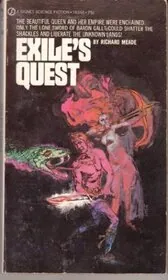
An exile's search for safety or revenge pulls him through a landscape of shifting loyalties and armed pursuit. Haas gives the story a thriller pace while keeping the stakes personal and immediate.
The Wildcatters
by Ben Haas
1970
Fargo rides into the East Texas oil boom and takes sides against a ruthless tycoon trying to crush a rival claim. The result is a rough mix of drilling war, gunfights, and frontier capitalism at full speed.
Trail Ends at Hell
by Ben Haas
1970
A trail job turns into a brutal ordeal where bad country, bad men, and bad luck keep piling up. Haas plays the title straight and delivers a hard western about endurance under relentless pressure.
Black Bulls
by Ben Haas
1971
Fargo lands in another hot spot where money, livestock, and pride are enough to start a shooting war. Haas keeps it lean and dirty, with hard riding, ambushes, and one more job turning nastier than expected.
Death in the Lava
by Ben Haas
1971
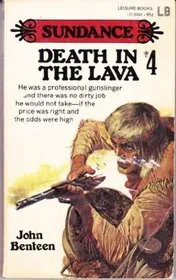
Sundance crosses a harsh lava country where the landscape is as deadly as the men hunting him. The setting gives this adventure a grim survival edge alongside the usual gunplay, pursuit, and frontier tension.
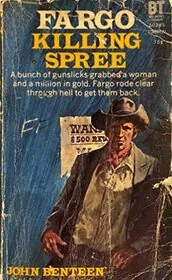
Killing Spree
by Ben Haas
1971
After Fargo's mining partner is murdered, the man's daughter is kidnapped, and Fargo is left for dead, the chase turns vicious. Badly hurt and stripped of his gear, he still goes after the killers.

The Chandler Heritage
by Ben Haas
1971
Spanning three generations, this Southern family saga follows Bolivar Chandler from post-Civil War poverty in North Carolina to the top of a cotton empire. It is one of Haas's biggest and most ambitious novels.
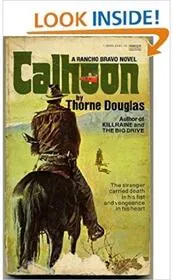
Calhoon
by Ben Haas
1972
Lucius Calhoon rides from South Carolina to Texas with one purpose, revenge on the man who tortured him. That obsession drives a fierce western that also opens the larger Rancho Bravo saga.
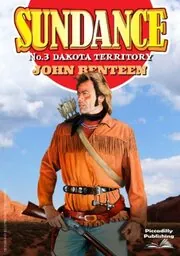
Dakota Territory
by Ben Haas
1972
Sundance moves through a raw, contested frontier where the law is thin and every alliance feels temporary. Haas uses the Dakota setting for a hard western of pursuit, suspicion, and sudden eruptions of violence.
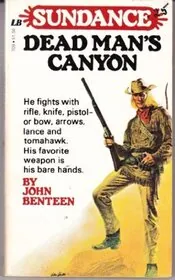
Dead Man's Canyon
by Ben Haas
1972
Jim Sundance rides into a brutal frontier trap where rough country, hard men, and divided loyalties turn a routine job into a fight for survival. It is a lean western built on pursuit, ambush, and close-range violence.

Overkill
by Ben Haas
1972
Half-Cheyenne gunman Jim Sundance is hired to recover a rich man's daughter and the gold taken with her. The job sends him into violent country, where Army officers, outlaws, and frontier politics all collide.
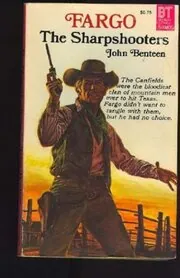
Sharpshooters
by Ben Haas
1972
Fargo takes on the thirty-man Canfield clan, a job so lopsided it would scare off almost anyone else. What follows is a brutal running fight of ambushes, hard shooting, and one-man-war determination.
The Belle from Catscratch
by Ben Haas
1972
A bold woman from Catscratch throws a frontier scheme off balance and forces the men around her to rethink every move. Haas mixes romance, danger, and western mischief without softening the action.
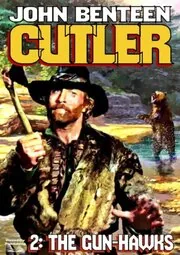
The Gun-Hawks
by Ben Haas
1972
Coming down from the Big Horns, John Cutler wants rest, not trouble. Instead he is dragged into a deadly fight involving a violent clan, a terrorized town, and a predator waiting in the dark.
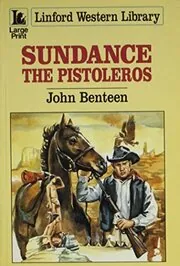
The Pistoleros
by Ben Haas
1972
Sundance runs into professional gunmen and a job that turns deadly fast. It is a stripped-down western about quick draws, shifting loyalties, and a hero who knows exactly how ugly the frontier can get.
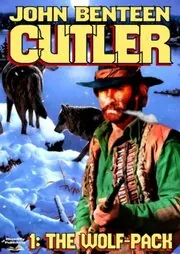
The Wolf-Pack
by Ben Haas
1972
John Cutler is brought in to deal with a rogue wolf stalking the range, a job that quickly becomes more than a simple animal hunt. Haas turns the chase into a harsh frontier survival story.
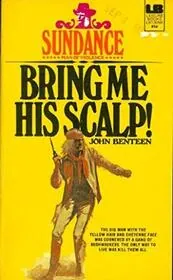
Bring Me His Scalp!
by Ben Haas
1973
Sundance is pulled into a vicious revenge hunt where the title promise tells you exactly how ugly things may get. The book is fast, hard, and driven by pursuit through unforgiving country.
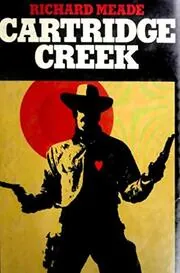
Cartridge Creek
by Ben Haas
1973
A frontier town with a violent name gets the kind of trouble it promises. Haas delivers a tight western of grudges, shifting alliances, and gun smoke, where survival depends on who draws first and who thinks fastest.
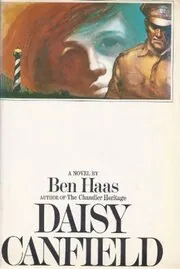
Daisy Canfield
by Ben Haas
1973
Daisy Canfield's murder during a summer theater season on North Carolina's Outer Banks still haunts the town years later. Haas turns the case into a moody Southern mystery about memory, gossip, and buried truth.
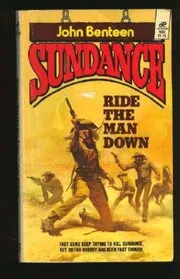
Ride the Man Down
by Ben Haas
1973
A pursuit story stripped to essentials, this one sends Sundance after a target who will not come quietly. Haas keeps the focus on pressure, terrain, and the grim effort of bringing a dangerous man in.
Shotgun Man
by Ben Haas
1973
Fargo is hired to protect a Roosevelt-backed expedition running the wild Colorado River. The rapids are deadly enough, but the real danger waits along the banks in the hands of old gunfighters and raiders.

Taps at Little Big Horn
by Ben Haas
1973
Sundance rides into the shadow of Little Big Horn, where the coming collision between the Army and Native nations hangs over every move. It mixes frontier action with the tension of a famous historical moment.
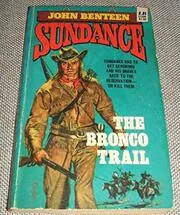
The Bronco Trail
by Ben Haas
1973
A trail job and a string of dangerous encounters push Sundance deeper into rough country and rougher company. It is a classic Haas western, lean on padding and strong on motion, pressure, and fights that hurt.
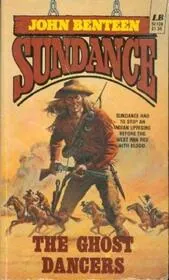
The Ghost Dancers
by Ben Haas
1973
Fear and unrest spread across the plains as Sundance gets pulled into violence surrounding the Ghost Dance movement. It is a hard western about desperation, belief, and the danger of men who want control.
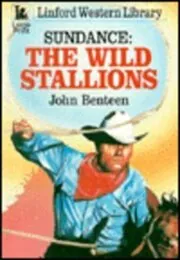
The Wild Stallions
by Ben Haas
1973
Wild horse country becomes the center of another dangerous Sundance job. Haas mixes speed, open-country action, and stubborn frontier personalities in a story where freedom, profit, and survival keep colliding.
Wolf's Head
by Ben Haas
1973
Fargo rides into a savage job marked by pursuit, deception, and the feel of a hunt gone feral. This one leans hard into wilderness danger and the ruthless men waiting at the end of it.
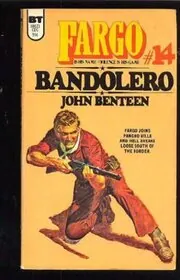
Bandolero
by Ben Haas
1974
Accused of treachery and nearly executed by Pancho Villa's forces, Fargo is shoved into a secret mission across northern Mexico. German meddling, betrayal, and a dangerous traveling companion keep the pressure high.
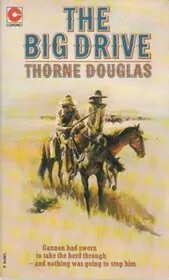
Big Drive
by Ben Haas
1974
Rancho Bravo's partners are trying to turn wild cattle into a real empire, but the big drive becomes a test of nerve, leadership, and survival. Dust, distance, and attacks from all sides keep the pressure high.
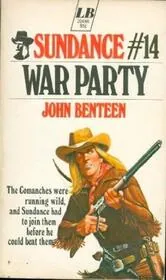
War Party
by Ben Haas
1974
Sundance is drawn into a spreading conflict where war fever, mistrust, and revenge threaten everyone in the line of fire. It is a rough, fast western that keeps its focus on survival and divided loyalties.

Bounty Killer
by Ben Haas
1975
Sundance faces the kind of man the frontier keeps producing, someone who turns killing into paid work and pride into bloodshed. The novel builds around pursuit, betrayal, and the grim math of who reaches the target first.

Gaylord's Badge
by Ben Haas
1975
A lawman story about the weight of a badge, where duty keeps colliding with frontier politics and personal risk. Haas builds it around pursuit, pressure, and the cost of trying to stay straight in crooked country.
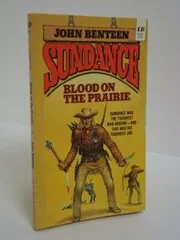
Blood on the Prairie
by Ben Haas
1976
Violence spills wide across open country as Sundance gets caught in another escalating fight. The prairie setting gives the story room for pursuit, ambush, and the kind of sudden brutality Haas wrote so well.
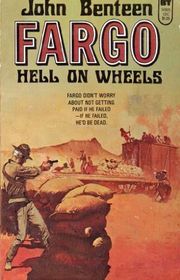
Hell on Wheels
by Ben Haas
1976
Fargo is hired to help a small railroad being sabotaged by a larger rival. He answers with a private war of counter-sabotage, assassination attempts, and a final fight that barrels toward disaster on the tracks.
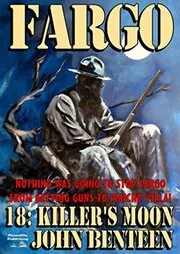
Killer's Moon
by Ben Haas
1976
Fargo walks into another paid killing job that quickly turns personal when the night hunt begins. Set against harsh country and harsher men, it is a compact adventure full of traps, pursuit, and retaliation.
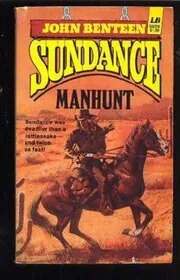
Manhunt
by Ben Haas
1976
Sundance is pushed into a relentless pursuit where every mile adds pressure and every delay costs lives. It is a straight chase story sharpened by danger, suspicion, and frontier grit.
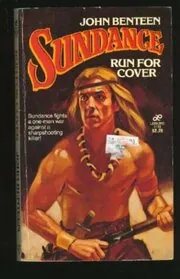
Run for Cover
by Ben Haas
1976
A bad situation gets worse fast, forcing Sundance to fight, retreat, and improvise in equal measure. The book keeps moving, balancing gunfire, harsh country, and the constant sense that safety will not last.
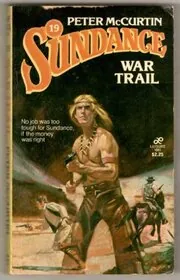
War Trail
by Ben Haas
1976
Sundance follows a trail already marked by fear, vengeance, and the threat of wider conflict. It is a spare, hard western focused on movement, survival, and the people trapped between rival forces.
Dakota Badlands
by Ben Haas
1977
Fargo heads into the Dakota badlands, where rough country and harder men turn paid trouble into a deadly test of endurance. It is a harsh, fast-moving adventure built on pursuit, treachery, and sudden violence.
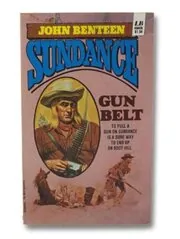
Gunbelt
by Ben Haas
1977
A struggle over guns, power, and survival pulls Sundance into another bloody frontier showdown. It is lean, fast, and full of close-range fights, with the tools of the West at the heart of the conflict.

Riding Shotgun
by Ben Haas
1977
Sundance takes a dangerous escort job that puts him between desperate men and open country with nowhere to hide. Fast ambushes and divided loyalties keep the pressure on all the way through.
Silent Enemy
by Ben Haas
1977
Sundance faces a threat that is harder to track because it rarely shows itself openly and never fights fair. The result is a tense frontier story built on suspicion, patience, and sudden violence.

The House of Christina
by Ben Haas
1977
Set in the Vienna Woods before and during World War II, this novel follows lives tangled by love, politics, and the rise of Hitler. Haas keeps the history intimate by showing what it does to specific people.
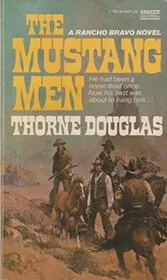
The Mustang Men
by Ben Haas
1977
Former horse thief Shan Tyree thinks Rancho Bravo might be his chance to go straight and finally belong somewhere. Then an old partner returns, a new horse deal turns risky, and Tyree's fresh start begins to crack.
Killraine
by Ben Haas
1979
When bandits ambush the Rancho Bravo wagons, steal a fortune, and carry off Jenny, Philip Killraine goes after them with murder on his mind. It becomes a revenge hunt against impossible odds.
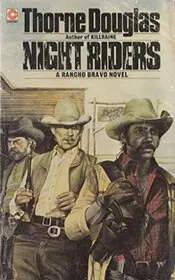
Night Riders
by Ben Haas
1979
Elias Whitton, once enslaved and now a partner in Rancho Bravo, has promised guns and supplies to the Comanches for the winter. When the wagon train goes missing, killers and desperation close in on every side.
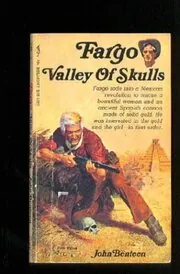
Valley of Skulls
by Ben Haas
1982
Neal Fargo rides into a hard-country job where old hatreds, ambushes, and brutal terrain close in fast. The only way out is through the men who think they own the valley.
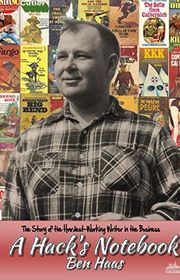
A Hack's Notebook
by Ben Haas
2020
This posthumous autobiographical manuscript offers a direct look at Haas's childhood, early jobs, and long push toward a writing career. It is especially valuable for readers curious about how a prolific professional author worked.
Where to start with Ben Haas
If you want his signature action westerns: Fargo → Panama Gold → Alaska Steel → Massacre River
If you want frontier stories with a Native lead: Overkill → Dead Man's Canyon → Dakota Territory
If you want a ranch saga: Calhoon → The Big Drive → Killraine → Night Riders
If you want his Southern historical fiction: Look Away, Look Away → The Chandler Heritage → The House of Christina
Ben Haas sub-series and character series
Ben Haas collections, short stories, and related book types
Non-Fiction
Standalone Ben Haas books
Author bio
Ben Haas was born in Charlotte, North Carolina, on July 21, 1926, and he grew up surrounded by stories. His father ran movie theaters, so Haas had easy access to films from an early age. At home, he also heard family memories of the Civil War and Reconstruction, especially from his grandmother, and those stories stayed with him for the rest of his writing life.
He started young. At eighteen, he sold a western story to a pulp magazine. College did not last long, because he left to help support his family, and much of his education came from reading, working, and teaching himself how stories were built.
Then the war interrupted everything. Haas served as a sergeant in the U.S. Army from 1945 to 1946 and saw duty in the Philippines. That experience did not make him a military historian, but it did give his action scenes a sense of weight, speed, and physical reality that readers still notice.
After the war, he returned home, later lived in Sumter, South Carolina, and in 1950 married Douglas Thornton Taylor of Raleigh. They had three sons. For a time he worked at a steel company, and the turning point came in 1961, when he sold his first novel while also being laid off from that job. After that, he wrote full time.
He wrote a lot, and fast.
Haas said he aimed for around 5,000 words a day, and over roughly sixteen years he produced about 130 books under his own name and several pen names, including John Benteen, Thorne Douglas, Richard Meade, and Ben Elliott. Many readers first meet him through Fargo, his hard-driving series about mercenary Neal Fargo, or through Overkill, the start of the Sundance books. Others find him through the ranch saga Calhoon, the civil rights era novel Look Away, Look Away, or the later Austrian historical novel The House of Christina.
He was never just one kind of writer.
Even when Haas was writing paperback westerns at high speed, the range of his work was wider than that label suggests. Again and again, he came back to men under pressure, divided loyalties, violence that has a cost, and people trying to find room to live inside larger historical forces. The American South mattered to him a great deal, and so did the way history kept shaping ordinary lives. His fiction often carries the feel of careful research without ever getting heavy about it.
That same curiosity took him outside the United States. Haas first visited Austria with his family in the mid-1960s and later lived there again from 1972 to 1975 while researching and writing. That stretch helped shape The House of Christina, one of his last major novels and one of the clearest signs that his ambitions went well beyond series westerns.
Haas died of a heart attack in New York City on October 27, 1977, after attending a Literary Guild dinner. He was only fifty-one. He left behind an unusually large body of work, and while the westerns still have a loyal following, they are only part of the picture. At his best, Ben Haas wrote with speed, toughness, and a strong feel for place, whether he was sending a lone gunman into danger or tracing the long shadow of Southern history.




Edited by
Software engineer whose passion for tracking book recommendations from podcasts inspired the creation of MRB.
Lead investor at 3one4 Capital whose startup expertise and love for books helped shape MRB and its growth.
Comments
Did we miss something? Have feedback?
Help us improve this page by sharing your thoughts