
Star Trek: The Next Generation: Cold Equations Books in Order
Part ofDavid Mack Books in OrderSee the Cold Equations books by David Mack in order, with short summaries, trilogy background, and quick guidance on where to begin.
Last updated:
As an Amazon Associate, we earn from qualifying purchases (at no extra cost to you).
Star Trek: The Next Generation: Cold Equations books in publication order
3 books
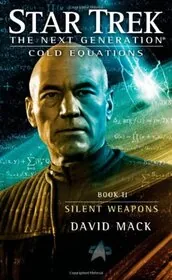
Silent Weapons
by David Mack
2012
A hidden danger linked to old research and older mistakes threatens to become a catastrophe. Picard has to untangle conspiracy, science, and grief before a secret weapon claims new victims.
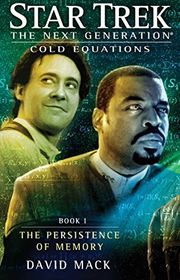
The Persistence of Memory
by David Mack
2012
A baffling crisis forces Picard and the *Enterprise* crew to question memory, loss, and what reality they can trust. The first *Cold Equations* novel turns an abstract mystery into something painfully personal.
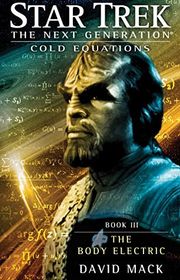
The Body Electric
by David Mack
2013
A crisis tied to artificial life and long-buried secrets forces Picard to confront questions of identity, responsibility, and what counts as personhood. It is a high-stakes finish to the *Cold Equations* trilogy.
Star Trek: The Next Generation: Cold Equations books in chronological order
Series background & context
Cold Equations is a trilogy of Next Generation novels that mixes big scientific ideas with very personal stakes. The books are linked, but each one has its own core problem, so the series never feels like one stretched-out plot. Instead, it feels like three sharp crises that keep testing Picard and the Enterprise in different ways.
This is the thoughtful side of David Mack's Trek writing.
The recurring appeal is how each novel starts with something that seems technical or abstract, memory, weapons research, artificial life, and then turns it into a character problem. Picard has to weigh principle against survival. The crew has to decide what responsibility looks like when science creates consequences no one fully understands.
Even when the plots get high-concept, the tone stays grounded. These are not just puzzle books. They are books about grief, identity, and the cost of treating people like tools. If you like TNG best when it takes a speculative idea and pushes it until it becomes a moral argument, this trilogy does that very well.



%2C%20Book%203.jpg)
%2C%20Book%204.jpg)
%2C%20Book%202.jpg)
Edited by
Software engineer whose passion for tracking book recommendations from podcasts inspired the creation of MRB.
Lead investor at 3one4 Capital whose startup expertise and love for books helped shape MRB and its growth.
Comments
Did we miss something? Have feedback?
Help us improve this page by sharing your thoughts