
Ross Macdonald Books in Order
See all Ross Macdonald books in order, with Lew Archer and Chet Gordon reading guides, short summaries, series background, and tips on where to start.
Last updated:
As an Amazon Associate, we earn from qualifying purchases (at no extra cost to you).
Ross Macdonald books in publication order
30 books
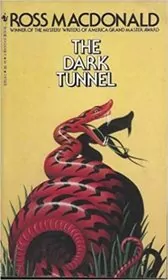
The Dark Tunnel
by Ross Macdonald
1944
In the early years of World War Two, professor Robert Branch suspects that his friend's supposed suicide hides a Nazi spy ring on a Michigan campus. His investigation, shadowed by memories of a doomed love in prewar Germany, turns academic life into a dangerous maze.
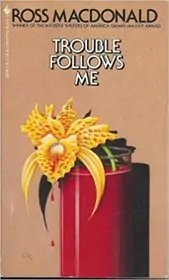
Trouble Follows Me
by Ross Macdonald
1946
In 1945 Hawaii, naval ensign Sam Drake meets a glamorous late night disc jockey just before her colleague is found hanging. Following the trail home to Detroit, he uncovers a cross country plot built on wartime profiteering, racial tension and a very personal betrayal.
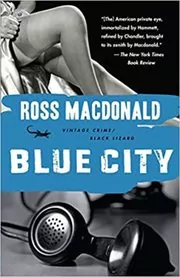
Blue City
by Ross Macdonald
1947
War veteran Johnny Weatherly comes home to a factory town only to learn that his father, the mayor, was gunned down in the street. His search for the killer pits him against gamblers, racketeers and civic leaders who would rather keep the city's rot hidden.
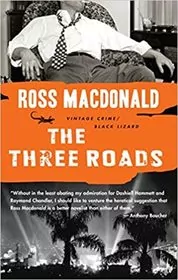
The Three Roads
by Ross Macdonald
1948
After surviving a kamikaze attack, naval officer Bret Taylor returns to California to find his new wife murdered and his memory shattered. As fragments surface, he retraces three fateful days and discovers that the truth about Lorraine's death lies disturbingly close to home.
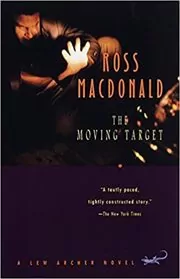
The Moving Target
by Ross Macdonald
1949
When millionaire Ralph Sampson disappears after a flight into Southern California, private investigator Lew Archer follows a trail from canyon mansions to seedy bars. The search exposes smuggling, blackmail, and the ugly bargains that built Sampson's fortune.
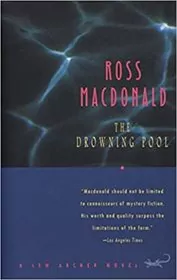
The Drowning Pool
by Ross Macdonald
1950
An anonymous letter accusing Maude Slocum of adultery brings Lew Archer into a coastal town ruled by oil money. When a body turns up in a swimming pool, his search for a blackmailer becomes an inquiry into greed, marriage and local power.
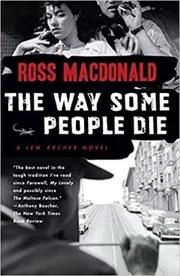
The Way Some People Die
by Ross Macdonald
1951
Asked to track down a missing nurse named Galatea, Lew Archer finds her tangled up with drug dealers, crooked cops and drifting ex-soldiers. The case sends him crisscrossing Southern California as a simple missing person inquiry turns into a violent heroin war.
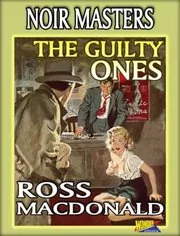
The Guilty Ones
by Ross Macdonald
1952
A pompous Midwestern schoolmaster hires Lew Archer to track down his runaway sister, the headmistress who has eloped with a charming art teacher. The search uncovers family grudges, a poisoned legacy and just how far some people will go to protect a comfortable life.
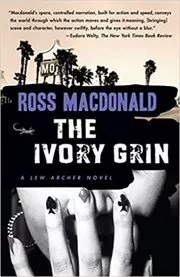
The Ivory Grin
by Ross Macdonald
1952
An expensively dressed woman hires Lew Archer to shadow her former maid, claiming theft. When the young woman is found with her throat cut, Archer uncovers a knot of small town prejudice, gangland money and a vanished heir everyone seems to be lying about.
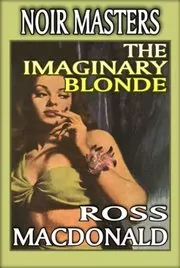
The Imaginary Blonde
by Ross Macdonald
1953
After a near fatal highway duel with a Cadillac, Lew Archer checks into a coastal motel hoping for sleep. A woman's bloody scream instead drops him into a case with no body, a vanishing Cadillac driver and talk of a blonde no one admits seeing.
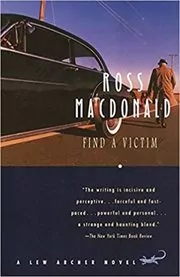
Find a Victim
by Ross Macdonald
1954
Lew Archer stops for a wounded hitchhiker on a desert road and is drawn into a small town boiling with robbery, corruption and family feuds. A hijacked liquor truck, a missing woman and a rising body count force him to sort victims from killers.
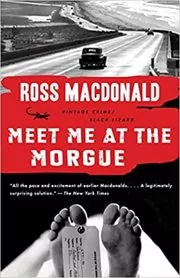
Meet Me at the Morgue
by Ross Macdonald
1954
County probation officer Howard Cross gets pulled into a kidnapping when a four year old boy vanishes and the family's chauffeur is blamed. Determined to clear his client, Cross uncovers wartime grudges, swapped identities and a chain of killings tied to a single ransom demand.

The Name is Archer
by Ross Macdonald
1955
The Name is Archer collects seven early Lew Archer stories in which the private eye tackles missing starlets, crooked husbands, runaway sisters and more. These compact cases show Macdonald shifting from pulp action toward the psychological mysteries that define the later novels.
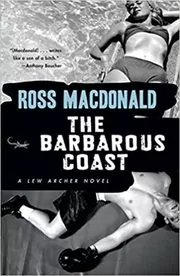
The Barbarous Coast
by Ross Macdonald
1956
Summoned to an exclusive beach club in Malibu, Lew Archer is hired to protect a nervous manager from a violent husband searching for his missing wife. The trail through movie lots, gambling dens and ruined lives shows how Hollywood dreams curdle into blackmail and murder.
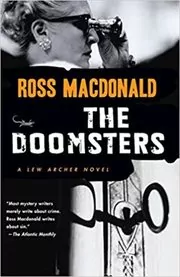
The Doomsters
by Ross Macdonald
1958
Escaped mental patient Carl Hallman begs Lew Archer to look into the suspicious deaths of his powerful parents. As Archer follows clues through the family's ranch and orange groves, he finds coverups, political ambition and tragedies that refuse to stay buried.
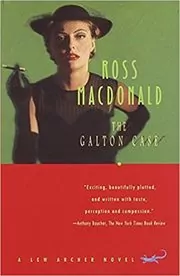
The Galton Case
by Ross Macdonald
1959
Twenty years after heir Anthony Galton ran off with a disreputable bride and a chunk of the family fortune, his dying mother hires Lew Archer to find him. A headless skeleton, an eager young claimant and old underworld ties turn the search into a puzzle of identity.
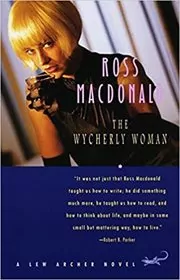
The Wycherly Woman
by Ross Macdonald
1961
Oil tycoon Homer Wycherly wants his missing daughter Phoebe found, but Lew Archer quickly discovers that the girl's glamorous, secretive mother leaves more trouble in her wake than answers. The hunt for Phoebe uncovers mistaken identities, blackmail and a family fortune built on lies.
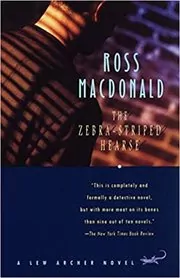
The Zebra-Striped Hearse
by Ross Macdonald
1962
Colonel and Mrs. Blackwell ask Lew Archer to investigate their daughter's charming but suspicious fiancé. When the young couple vanish, Archer follows them from California beaches to Mexico, trailed by a zebra painted hearse and a string of deaths that may all be tied to the same past mistake.
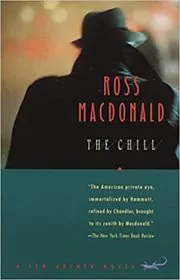
The Chill
by Ross Macdonald
1963
On the day after his wedding, a young husband asks Lew Archer to find his vanished bride. The search for Dolly Kincaid links a counselor's murder, an old killing and a botched trial, forcing Archer to untangle twenty years of guilt and misdirection.
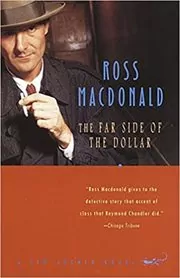
The Far Side of the Dollar
by Ross Macdonald
1965
A reform school hires Lew Archer when troubled teenager Tom Hillman disappears, only for a ransom demand to arrive at his wealthy parents' home. Tracking the boy leads Archer into wartime grudges, ruined friendships and the corrosive bargains behind the family's success.
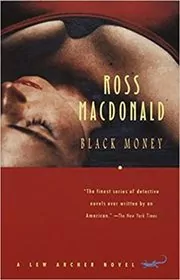
Black Money
by Ross Macdonald
1966
Jilted lover Peter Jamiesen hires Lew Archer to investigate the mysterious Frenchman who has swept Virginia Fablon off her feet. Archer's probe into the suave stranger's past uncovers old gambling debts, a suspicious suicide and the dirty flow of money between country club and casino.
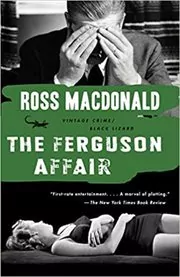
The Ferguson Affair
by Ross Macdonald
1967
Defense lawyer Bill Gunnarson takes what seems like a routine case, a nurse accused of stealing a diamond ring. The charge leads to a country club kidnapping, a vanished starlet and a web of drugs and payoffs stretching from glittering hillsides to Pelly Street back alleys.
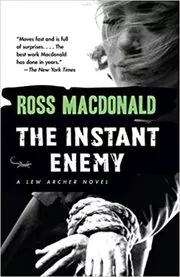
The Instant Enemy
by Ross Macdonald
1968
When a runaway teenager and her unstable boyfriend snatch a local industrialist, Lew Archer is hired to get the man back alive. What looks like a foolish kidnapping soon exposes buried crimes, damaged parents and children paying the price for decisions made long ago.
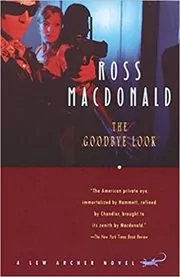
The Goodbye Look
by Ross Macdonald
1969
A seemingly simple burglary at the Chalmers' hilltop mansion brings Lew Archer into a family obsessed with an old scandal. As he searches for their missing son and a box of letters, Archer uncovers a decades old killing that keeps spilling fresh blood.
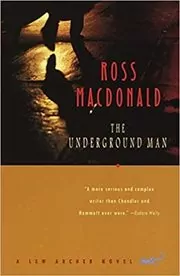
The Underground Man
by Ross Macdonald
1971
As wildfire races through the hills above Santa Teresa, Lew Archer agrees to help a neighbor recover her young son from his estranged father. He instead finds the man murdered and the boy missing, and the hunt leads back to another killing fifteen years before.
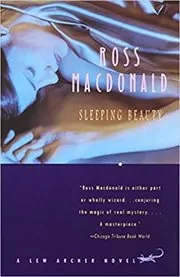
Sleeping Beauty
by Ross Macdonald
1973
An offshore oil spill, a missing young woman and a stranger found floating off a private beach collide in Lew Archer's path. Drawn into the affairs of a rich, volatile family, he follows a trail of addiction, ransom notes and long suppressed memories.
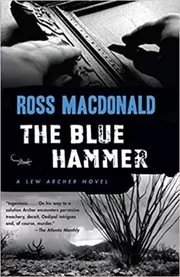
The Blue Hammer
by Ross Macdonald
1976
Hired to recover a stolen portrait of a striking blonde, Lew Archer stumbles on a painter who vanished into the desert decades earlier. Two present day murders mirror an old killing, and the search for the artwork becomes a study of obsession, fraud and shifting identities.
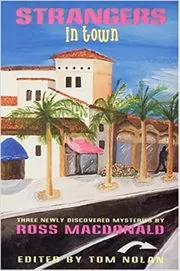
Strangers in Town
by Ross Macdonald
2001
This collection gathers three rare early stories, including two Lew Archer cases and one featuring detective Joe Rogers. Each compact mystery showcases Ross Macdonald testing themes he would later deepen in the novels, from runaway gun molls to desperate, damaged families.
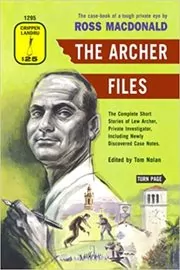
The Archer Files
by Ross Macdonald
2007
The Archer Files brings together every Lew Archer short story along with previously unpublished case notes and a biographical sketch of the detective. It is a one volume tour of Archer's world, from quick whodunits to fragments of stories never fully told.
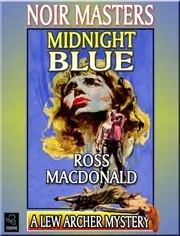
Midnight Blue
by Ross Macdonald
2010
In this Lew Archer short story, a routine inquiry after dark turns into a knot of jealousy, small time grifters and sudden violence. Archer's overnight investigation shows how even minor secrets can erupt into tragedy when money and pride collide.
Where to start with Ross Macdonald
If you want to meet Lew Archer: The Moving Target → The Drowning Pool → The Way Some People Die
If you want his later classics: The Galton Case → The Wycherly Woman → The Chill → The Underground Man
If you prefer standalones without Archer: Blue City → The Three Roads → Meet Me at the Morgue → The Ferguson Affair
If you like darker psychological cases: Black Money → The Far Side of the Dollar → Sleeping Beauty
If you want a taste of everything: The Moving Target → The Galton Case → The Chill → The Underground Man → The Blue Hammer
Ross Macdonald sub-series and character series
Ross Macdonald collections, short stories, and related book types
Lew Archer Collections
Short Stories/Novellas
Short Story Collections
Standalone Ross Macdonald books
Author bio
Ross Macdonald was born Kenneth Millar in 1915 in Los Gatos, California, to Canadian parents, and spent most of his childhood in Ontario. His father left when he was very young, and he grew up moving between relatives, watching adults struggle with money, pride, and disappointment. Those early years fed the sharp eye for family fracture that runs through his crime fiction.
As a teenager he found refuge in books and school, eventually studying at the University of Western Ontario, where he earned a degree in history and English. Before the war he taught high school and began to imagine a life as a writer. He also met fellow student Margaret Sturm, a bright, ambitious young woman who would become both his wife and, under the name Margaret Millar, a notable mystery novelist in her own right.
The couple married in 1938, had a daughter, Linda, the following year, and soon left Canada for the United States. During World War Two Millar served as a naval communications officer, work that sharpened his feel for coded messages, bureaucracy, and the way big institutions grind up individual lives. At sea and on shore he wrote pulp stories and sketched out his first novels, including the wartime thriller The Dark Tunnel.
After the war he returned to graduate school at the University of Michigan, completing a doctorate in literature in 1952. He studied with poet W. H. Auden, who took detective stories seriously and encouraged Millar's interest in them. That mix of academic training and popular storytelling helped shape his later work, where classical myth, Freud and family melodrama sit comfortably inside brisk, hardboiled plots.
To avoid confusion with Margaret's growing reputation, Millar began publishing under various pen names before settling on Ross Macdonald in the mid 1950s. By then he and his family had moved to Santa Barbara, the coastal city that became the template for his fictional Santa Teresa. There, drawing on the boom and bust of postwar California, he created private investigator Lew Archer, first in the novel The Moving Target and then in a run of books that stretched to The Blue Hammer.
In Archer stories such as The Galton Case, The Wycherly Woman, The Chill and The Underground Man, Macdonald pushed the detective novel into new territory. His cases often begin with a small job, then expand into multigenerational sagas full of missing children, buried scandals and long delayed reckonings. The crimes matter, but so do the emotional aftershocks and the sense that the past is never quite done with the present.
Macdonald's own life grew more complicated in the 1950s and 60s. His daughter Linda struggled with depression and reckless behavior, including a widely reported hit and run accident as a teenager, and died in 1970 after years of poor health. He entered psychotherapy, became more involved in environmental causes around Santa Barbara, and folded those concerns into his fiction, especially the fire and oil spill imagery that runs through later novels.
Recognition followed. Macdonald received major awards on both sides of the Atlantic, including the Silver Dagger for The Chill, the Grand Master honor from the Mystery Writers of America, and a lifetime achievement award from the Private Eye Writers of America. Hollywood adapted The Moving Target and The Drowning Pool into films starring Paul Newman, bringing Lew Archer, lightly renamed, to an even wider audience.
He spent his last decades in Santa Barbara, writing, corresponding with other writers and speaking out about conservation, particularly after the 1969 offshore oil spill. In the early 1980s he was diagnosed with Alzheimer's disease and died in 1983. The body of work he left behind, especially the Lew Archer series, remains a touchstone for readers who like their crime fiction with a strong sense of place, a humane detective, and an unflinching look at how family stories go wrong.





Edited by
Software engineer whose passion for tracking book recommendations from podcasts inspired the creation of MRB.
Lead investor at 3one4 Capital whose startup expertise and love for books helped shape MRB and its growth.
Comments
Did we miss something? Have feedback?
Help us improve this page by sharing your thoughts