
Lew Archer Books in Order
Part ofRoss Macdonald Books in OrderBrowse the Lew Archer series by Ross Macdonald in order, with book summaries, reading order tips, and guidance to the classic California private eye novels.
Last updated:
As an Amazon Associate, we earn from qualifying purchases (at no extra cost to you).
Lew Archer books in publication order
18 books
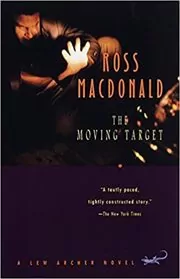
The Moving Target
by Ross Macdonald
1949
When millionaire Ralph Sampson disappears after a flight into Southern California, private investigator Lew Archer follows a trail from canyon mansions to seedy bars. The search exposes smuggling, blackmail, and the ugly bargains that built Sampson's fortune.
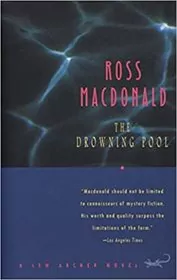
The Drowning Pool
by Ross Macdonald
1950
An anonymous letter accusing Maude Slocum of adultery brings Lew Archer into a coastal town ruled by oil money. When a body turns up in a swimming pool, his search for a blackmailer becomes an inquiry into greed, marriage and local power.

The Way Some People Die
by Ross Macdonald
1951
Asked to track down a missing nurse named Galatea, Lew Archer finds her tangled up with drug dealers, crooked cops and drifting ex-soldiers. The case sends him crisscrossing Southern California as a simple missing person inquiry turns into a violent heroin war.
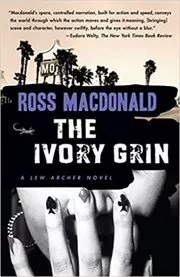
The Ivory Grin
by Ross Macdonald
1952
An expensively dressed woman hires Lew Archer to shadow her former maid, claiming theft. When the young woman is found with her throat cut, Archer uncovers a knot of small town prejudice, gangland money and a vanished heir everyone seems to be lying about.
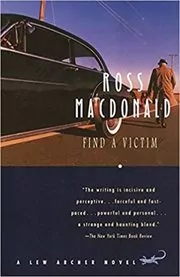
Find a Victim
by Ross Macdonald
1954
Lew Archer stops for a wounded hitchhiker on a desert road and is drawn into a small town boiling with robbery, corruption and family feuds. A hijacked liquor truck, a missing woman and a rising body count force him to sort victims from killers.
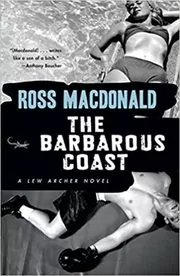
The Barbarous Coast
by Ross Macdonald
1956
Summoned to an exclusive beach club in Malibu, Lew Archer is hired to protect a nervous manager from a violent husband searching for his missing wife. The trail through movie lots, gambling dens and ruined lives shows how Hollywood dreams curdle into blackmail and murder.
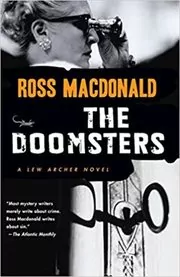
The Doomsters
by Ross Macdonald
1958
Escaped mental patient Carl Hallman begs Lew Archer to look into the suspicious deaths of his powerful parents. As Archer follows clues through the family's ranch and orange groves, he finds coverups, political ambition and tragedies that refuse to stay buried.
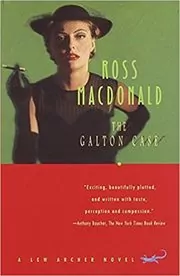
The Galton Case
by Ross Macdonald
1959
Twenty years after heir Anthony Galton ran off with a disreputable bride and a chunk of the family fortune, his dying mother hires Lew Archer to find him. A headless skeleton, an eager young claimant and old underworld ties turn the search into a puzzle of identity.
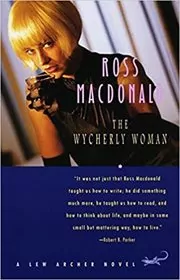
The Wycherly Woman
by Ross Macdonald
1961
Oil tycoon Homer Wycherly wants his missing daughter Phoebe found, but Lew Archer quickly discovers that the girl's glamorous, secretive mother leaves more trouble in her wake than answers. The hunt for Phoebe uncovers mistaken identities, blackmail and a family fortune built on lies.

The Zebra-Striped Hearse
by Ross Macdonald
1962
Colonel and Mrs. Blackwell ask Lew Archer to investigate their daughter's charming but suspicious fiancé. When the young couple vanish, Archer follows them from California beaches to Mexico, trailed by a zebra painted hearse and a string of deaths that may all be tied to the same past mistake.
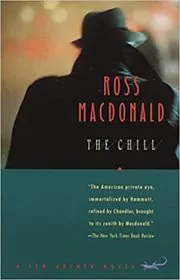
The Chill
by Ross Macdonald
1963
On the day after his wedding, a young husband asks Lew Archer to find his vanished bride. The search for Dolly Kincaid links a counselor's murder, an old killing and a botched trial, forcing Archer to untangle twenty years of guilt and misdirection.
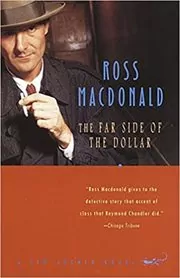
The Far Side of the Dollar
by Ross Macdonald
1965
A reform school hires Lew Archer when troubled teenager Tom Hillman disappears, only for a ransom demand to arrive at his wealthy parents' home. Tracking the boy leads Archer into wartime grudges, ruined friendships and the corrosive bargains behind the family's success.
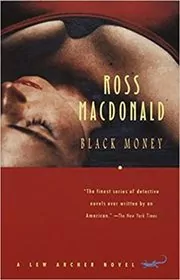
Black Money
by Ross Macdonald
1966
Jilted lover Peter Jamiesen hires Lew Archer to investigate the mysterious Frenchman who has swept Virginia Fablon off her feet. Archer's probe into the suave stranger's past uncovers old gambling debts, a suspicious suicide and the dirty flow of money between country club and casino.
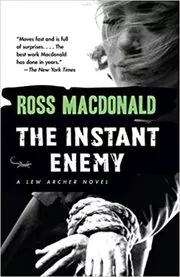
The Instant Enemy
by Ross Macdonald
1968
When a runaway teenager and her unstable boyfriend snatch a local industrialist, Lew Archer is hired to get the man back alive. What looks like a foolish kidnapping soon exposes buried crimes, damaged parents and children paying the price for decisions made long ago.
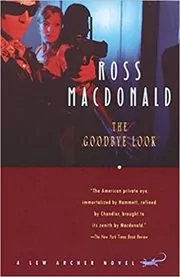
The Goodbye Look
by Ross Macdonald
1969
A seemingly simple burglary at the Chalmers' hilltop mansion brings Lew Archer into a family obsessed with an old scandal. As he searches for their missing son and a box of letters, Archer uncovers a decades old killing that keeps spilling fresh blood.
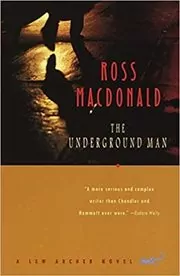
The Underground Man
by Ross Macdonald
1971
As wildfire races through the hills above Santa Teresa, Lew Archer agrees to help a neighbor recover her young son from his estranged father. He instead finds the man murdered and the boy missing, and the hunt leads back to another killing fifteen years before.

Sleeping Beauty
by Ross Macdonald
1973
An offshore oil spill, a missing young woman and a stranger found floating off a private beach collide in Lew Archer's path. Drawn into the affairs of a rich, volatile family, he follows a trail of addiction, ransom notes and long suppressed memories.
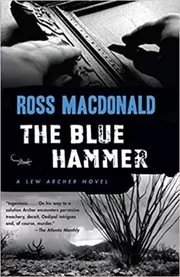
The Blue Hammer
by Ross Macdonald
1976
Hired to recover a stolen portrait of a striking blonde, Lew Archer stumbles on a painter who vanished into the desert decades earlier. Two present day murders mirror an old killing, and the search for the artwork becomes a study of obsession, fraud and shifting identities.
Lew Archer books in chronological order
Series background & context
The Lew Archer novels follow a working private investigator across mid century Southern California. On the surface Archer is a familiar hardboiled detective who charges by the day and keeps his own counsel. Underneath, he is a patient listener who treats his cases as a way to understand how people break and how they try to mend. The series runs from The Moving Target through The Blue Hammer as he walks into other people's trouble and refuses to look away.
In most of the books Archer is hired for something small, a missing husband, a runaway bride, a stolen heirloom, a threatening letter. The jobs take him from Santa Teresa, Ross Macdonald's thinly disguised Santa Barbara, to suburbs, desert towns and beach communities up and down the coast. The California backdrop matters. Oil fields, freeways, wildfires and the Pacific itself all press in on the stories, reminding you that the landscape is as fragile as the families who live in it.
What Archer usually finds is that the present day problem reaches decades into the past. Old affairs, hidden adoptions, wartime crimes and hastily buried scandals come back to life. Parents have lied to children, children have reinvented themselves and everyone is still paying for a decision somebody made in a moment of fear. The books are full of prodigal sons and daughters, wayward teenagers and adults who are not as respectable as they look.
Compared with earlier tough guy detectives, Archer does relatively little grandstanding. He drives, asks questions and lets people talk until patterns start to emerge. Violence certainly happens, but the real shocks come when characters finally see themselves clearly, or when Archer forces them to admit what they did. That steady, almost therapeutic attention gives the series its psychological weight without ever losing momentum.
Archer himself stays mostly in the background. Over the novels you learn that he is divorced, that he once served in the army and on the Long Beach police force, that he has made his share of mistakes. He is not a superhero detective. He is a working professional who keeps showing up for people who cannot quite tell him the whole truth.
Readers often start with The Galton Case, The Wycherly Woman, The Chill or The Underground Man, where Macdonald's style is fully formed, but there is a lot of pleasure in watching it develop from the early books too. Each story stands on its own, yet characters from earlier cases sometimes reappear on the margins, and the invented geography of Santa Teresa and its neighboring towns grows richer every time Archer drives another road.
Taken together, the Lew Archer stories are less about solving puzzles than about tracing the long echo of harm through families and communities. If you like crime fiction that digs into motive as much as action, this series offers a deep, dark and surprisingly humane view of California life.










Edited by
Software engineer whose passion for tracking book recommendations from podcasts inspired the creation of MRB.
Lead investor at 3one4 Capital whose startup expertise and love for books helped shape MRB and its growth.
Comments
Did we miss something? Have feedback?
Help us improve this page by sharing your thoughts