
George MacDonald Books in Order
Browse George MacDonald’s books in order with quick summaries, series background, and simple guidance on where to start with his classic fantasy and fiction.
Last updated:
As an Amazon Associate, we earn from qualifying purchases (at no extra cost to you).
George MacDonald books in publication order
60 books
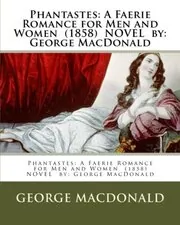
Men and Women
by George MacDonald
1858
Gathering reflective pieces on human character and relationships, this volume turns everyday encounters between men and women into quiet sketches and meditations about honesty, humility, and the costly nature of real love.
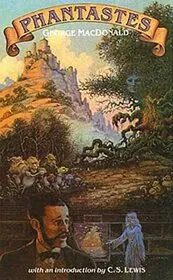
Phantastes
by George MacDonald
1858
On the morning after his twenty-first birthday, Anodos steps from his bedroom into Fairy Land and wanders through forests, castles, and strange encounters with shadows and marble maidens in a dreamlike journey toward humility and self-surrender.

David Elginbrod / The Tutor's First Love
by George MacDonald
1862
When student Hugh Sutherland takes a tutoring post with the devout Elginbrod family, he encounters David’s quiet strength and Margaret’s courage, then finds his own scepticism tested by love, hardship, and hints of the supernatural.

Adela Cathcart
by George MacDonald
1864
When Adela falls into a deep, listless depression, her father gathers friends to tell stories around the winter fire; the woven tales—comic, eerie, and tender—gradually draw her back toward life and show how imagination can help to heal a wounded spirit.
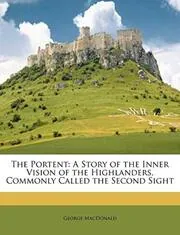
The Portent/Lady of the Mansion
by George MacDonald
1864
Blending romance with the supernatural, this novella follows a young Highlander burdened with second sight who becomes entangled with a mysterious lady and a haunted house, where visions and forebodings press him toward a decisive, sacrificial act.
Alec Forbes of Howglen / The Maiden's Bequest
by George MacDonald
1865
In this Scottish coming-of-age story, impulsive Alec Forbes and his steadfast friend Annie Anderson grow from mischievous children into adults, passing through illness, estrangement, and reconciliation as they learn what real loyalty and repentance look like.
Annals of a Quiet Neighborhood
by George MacDonald
1867
Newly appointed vicar Harry Walton arrives in the seemingly sleepy village of Marshmallows and gradually uncovers old wrongs and hidden griefs centred on Oldcastle Hall, patiently binding the community together through visits, sermons, and quiet acts of love.

Dealings With The Fairies...
by George MacDonald
1867
This collection brings together several of MacDonald’s finest fairy stories, including adventures with weightless princesses, living shadows, and keys that open unexpected doors, offering brief but memorable journeys into a world where moral truth wears the garments of wonder.

Guild Court: A London Story / The Prodigal Apprentice
by George MacDonald
1868
In bustling Victorian London, an honest young shop assistant is wrongly suspected of theft, straining his romance with gentle Mary and exposing class prejudice, until perseverance, confession, and grace untangle the web of jealousy and deceit.

The Musician's Quest / Robert Falconer
by George MacDonald
1868
Robert Falconer grows up under the stern care of his Calvinist grandmother, clinging to music and his longing for his absent mother; his quest leads him from Scottish streets to foreign cities and toward a gentler, Christ-centred vision of God.

The Seaboard Parish
by George MacDonald
1868
Seeking sea air for an ailing daughter, Harry Walton moves his family to a coastal parish and records the shipwrecks, seaside walks, and searching conversations through which his children and neighbours learn to see God’s hand in storm and calm alike.
At the Back of the North Wind
by George MacDonald
1871
Little Diamond, the coachman’s son, befriends the North Wind, a mysterious woman who whisks him through storms and moonlit journeys where he witnesses both tragedy and joy, slowly learning to trust a love that can look severe as well as tender.

The Cruel Painter
by George MacDonald
1871
In this eerie Gothic tale, a student becomes fascinated with a brilliant but heartless artist whose experiments with fear, sleepwalking, and the supernatural blur the line between art and cruelty, forcing the young man to choose between complicity and conscience.
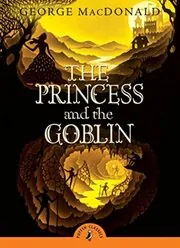
The Princess and the Goblin
by George MacDonald
1872
Lonely Princess Irene discovers a hidden great-grandmother in a tower room and befriends miner boy Curdie; together, and with the help of an invisible thread, they must thwart the goblins who plot revenge from their tunnels under the mountain.
The Vicar's Daughter
by George MacDonald
1872
Narrated by one of Harry Walton’s daughters, this sequel to the Marshmallows stories follows her through courtship, early marriage, and family crises, showing how grace, honesty, and sometimes painful truth-telling reshape both home and parish.
Wilfred Cumbermede
by George MacDonald
1872
Told as an autobiography, this novel follows Wilfred Cumbermede from mischievous boyhood through school, friendship, first love, and moral failure, tracing how the choices of youth slowly shape a man’s character and capacity to love.

Malcolm / The Fisherman's Lady
by George MacDonald
1875
Malcolm MacPhail, an able young fisherman on the north-east Scottish coast, divides his days between the sea, his eccentric grandfather, and service to the great house above Portlossie, until long-hidden secrets about birth and title upend the village order.

Last Castle / St. George & St. Michael
by George MacDonald
1876
Set during the English Civil War, this historical novel follows a high-spirited young woman and those around her as divided loyalties, sieges, and shifting alliances reveal the difference between party zeal and the deeper demands of conscience.
The Curate's Awakening / Thomas Wingfold, Curate
by George MacDonald
1876
Young Thomas Wingfold has taken holy orders without real belief, but a blunt skeptic and the sorrows of his parish push him into an honest, often painful search for truth that transforms both his preaching and his relationships.
Marquis of Lossie / The Marquis' Secret
by George MacDonald
1877
When Malcolm the fisher lad discovers he is heir to the Marquisate of Lossie, he must exchange the boat for the castle and decide whether he will rule as others have done or remain a servant-hearted friend to the people of Portlossie.
Sir Gibbie/Wee Sir Gibbie of the Highlands / The Baronet's Song
by George MacDonald
1879
Mute, barefoot Gibbie escapes the city slums after his drunken father’s death and finds shelter with a humble farm family in the Highlands; his guileless, self-forgetting kindness quietly transforms the lives around him as the mystery of his birth unfolds.
The Lady's Confession / Surgeon
by George MacDonald
1879
In this sequel to The Curate's Awakening, skeptical physician Paul Faber prides himself on hard-headed realism until love, loss, and the quiet persistence of Thomas Wingfold force him to face what he truly believes about God, suffering, and the human soul.

A Book of Strife in the Form of The Diary of an Old Soul
by George MacDonald
1880
A fuller edition of MacDonald’s poetic prayer-diary, this volume offers a verse for each day of the year, tracing his persistent struggle to bring doubt, desire, failure, and joy alike into honest conversation with God.

Mary Marston / A Daughter's Devotion
by George MacDonald
1881
Plain, dutiful Mary Marston works in her father’s drapery shop and quietly loves a man above her station; as bankruptcy, broken engagements, and moral failures swirl around her, her steadfast honesty and faith become an anchor for many shaken lives.
Warlock O'Glenwarlock / The Laird's Inheritance
by George MacDonald
1881
In a remote Highland valley, the impoverished laird of Glenwarlock and his spirited daughter face debt, exile, and misunderstanding, learning that the only inheritance no creditor can touch is the character shaped by forgiveness, truth, and enduring love.

The Gifts of the Child Christ
by George MacDonald
1882
In the title story and its companion tales, neglected or grieving children and adults encounter unexpected grace at Christmastime, discovering that love, repentance, and forgiveness can arrive in forms very different from the gifts they imagined.

Weighed and Wanting / A Gentlewoman's Choice
by George MacDonald
1882
A well-born young woman stands at a crossroads between a comfortable, worldly marriage and a path of costly integrity, while the families around her show how ambition, deceit, repentance, and grace can all reshape the course of a life.
Donal Grant / The Shepherd's Castle
by George MacDonald
1883
College-trained but still very much a Highland shepherd at heart, Donal Grant leaves home to serve as tutor in a gloomy great house steeped in legends and secrets, where his steady faith and courage slowly bring hidden sins and fears into the light.
The Princess and Curdie
by George MacDonald
1883
Years after his adventure with Princess Irene, miner boy Curdie is sent by the mysterious great-grandmother to the royal city with only a strange gift in his hands and a monstrous but loyal companion, to expose courtly corruption and save the ailing king.
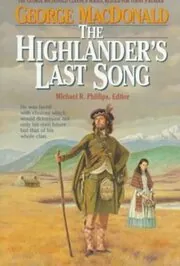
What's Mine's Mine - Volume 1 / The Highlander's Last Song
by George MacDonald
1886
Against the backdrop of the Scottish Highlands, a proud clan and an heir raised abroad struggle over land, loyalty, and conscience, as changing times force them to ask what truly belongs to them and what must be surrendered for the sake of justice.

What's Mine's Mine - Volume 3
by George MacDonald
1886
This concluding volume of the Highland saga draws long-standing tensions over inheritance, patriotism, and faith toward resolution, as characters must choose between clinging to old rights and embracing reconciliation and self-giving love.

Home Again / The Poet's Homecoming
by George MacDonald
1887
After years abroad, a struggling poet returns to his homeland burdened with wounded pride and old misunderstandings, finding that reconciling with family and neighbours may be as vital as rebuilding his work or reputation.
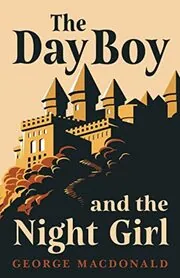
The Day Boy and the Night Girl
by George MacDonald
1888
Raised by a witch so that one knows only daylight and the other only night, Photogen and Nycteris must learn to trust one another and face both light and darkness together in a richly symbolic fairy tale about fear, courage, and wholeness.

The Elect Lady / The Landlady's Master
by George MacDonald
1888
A sensitive young woman, shaped by narrow religion and social expectations, must decide whether to obey her domineering guardian or follow the call of truth and love, while an unconventional minister quietly tests the spirits of everyone in her circle.

Alec Forbes and His Friend Annie
by George MacDonald
1890
Adapted for younger readers, this version of Alec Forbes’s story highlights his deep friendship with Annie Anderson, following the pair through schoolroom adventures, narrow escapes, and quiet acts of courage that shape their character and faith.

Cross Purposes and The Shadows
by George MacDonald
1890
Two longer fairy tales share this volume: one in which mischievous sprites lure children to a land where motives are laid bare, and another in which living shadows reveal their owners’ true selves, together exploring how self-will can twist—even in good people.
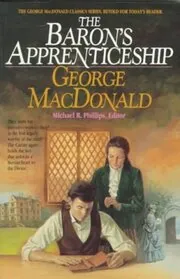
The Baron's Apprenticeship / There and Back
by George MacDonald
1891
When a reckless young baronet’s son loses his inheritance and is cast out, his travels among servants, labourers, and the poor become an apprenticeship in humility, while conversations with the searching curate Wingfold press him toward a deeper faith.
The Flight Of The Shadow
by George MacDonald
1891
Orphaned Belorba grows up on a moorland farm with a loving but secretive uncle, only to learn that a buried crime still casts a shadow over them both; uncovering the truth becomes the only path to love, freedom, and sanity.

The Light Princess
by George MacDonald
1893
Cursed at birth so that she has no gravity, a princess literally floats through life, unable to take anything seriously, until love and a terrible choice beside a dark lake teach her what it means to be weighed down—in the best sense—by compassion.

The Peasant Girl's Dream
by George MacDonald
1893
A young woman from a poor Highland family is haunted by a recurring dream that seems to promise both danger and hope; as love, temptation, and hardship crowd in, the dream slowly reveals what in her heart must die and what must be treasured.
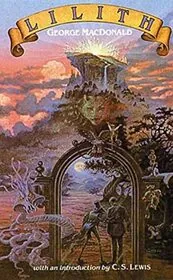
Lilith
by George MacDonald
1895
A solitary scholar steps through a mirror into a stark, otherworldly landscape ruled by the enigmatic Lilith, where he must confront death, selfishness, and the meaning of true life in one of MacDonald’s darkest and most profound fantasies.

Salted with Fire / The Minister's Restoration
by George MacDonald
1897
A gifted but vain Scottish minister slowly compromises his calling until scandal and inner emptiness bring him to ruin, and only a painful encounter with God’s purifying love can restore both his soul and his work.

Fairy Tales of George MacDonald
by George MacDonald
1904
This anthology gathers many of MacDonald’s best-known fairy tales—of goblins, wise women, enchanted princesses, and mysterious strangers—offering a rich introduction to the imaginative world that helped shape later fantasy writers.

Windlestraws
by George MacDonald
1925
Set around a grand country house called Windlestraws, this novel follows a young woman employed as a secretary who finds herself entangled in her employers’ secrets, discovering that loyalty, honesty, and love can be far weightier than social polish.
The Diary of an Old Soul
by George MacDonald
1965
Written as a year-long sequence of short prayers and meditations, this classic devotional poem records MacDonald’s daily wrestling with fear, obedience, joy, and trust, inviting readers to walk with him through the inner landscape of faith.
The Golden Key
by George MacDonald
1967
Two children follow a rainbow to a hidden valley and discover a golden key that leads them through forests, mountains, and the borders of death itself, in a brief but haunting fairy tale about longing, sacrifice, and the way home.

The Golden Key and Other Stories
by George MacDonald
1972
Alongside the mystical journey of The Golden Key, this collection includes other short fantasies in which ordinary children stumble into strange countries and meet symbolic figures, each story mirroring the growth and testing of a human soul.

Getting To Know Jesus
by George MacDonald
1980
Drawn from a series of twelve sermons, this devotional work focuses on the person of Jesus—his compassion, severity, and saving purpose—and urges readers to move beyond vague admiration into an obedient, day-by-day following of his words and example.

The Gray Wolf and Other Stories
by George MacDonald
1980
Drawing on Scottish folklore and eerie landscapes, these brief tales of wolves, haunted moors, and uncanny visitors blend ghost-story atmosphere with MacDonald’s conviction that unseen spiritual realities lie behind the mist and moonlight.

The Wise Woman and Other Stories
by George MacDonald
1980
The Wise Woman, sometimes called The Lost Princess, tells how a stern yet loving lady confronts two spoiled girls with the truth about themselves; the accompanying stories continue MacDonald’s theme that real freedom comes only through humility and obedience.

Knowing the Heart of God
by George MacDonald
1990
Arranged as short daily readings selected from MacDonald’s sermons, poems, and fiction, this volume highlights his central conviction that God’s heart is utterly good, inviting readers to trust that character enough to obey even when they do not understand.

A Time to Harvest
by George MacDonald
1991
Compiled from MacDonald’s writings, this devotional gathers selections around images of sowing, growth, and reaping, encouraging readers to cooperate with God’s work in every season and to expect a harvest of changed character and deeper love.

The Portent and Other Stories
by George MacDonald
1994
Opening with the eerie Highland novella The Portent, about second sight and inherited guilt, this volume adds shorter fantasies and ghostly sketches that blend the uncanny with a hopeful vision of judgment aimed at healing rather than mere punishment.

3000 Quotations from the Writings of George MacDonald
by George MacDonald
1996
Organized by topic, this reference-style volume offers thousands of brief sayings and images drawn from MacDonald’s books and sermons, making it easy to sample his thought on themes such as prayer, suffering, imagination, joy, and the character of God.

George MacDonald in the Pulpit
by George MacDonald
1997
Collected from surviving sermons and addresses, this book shows MacDonald at work as a preacher rather than a novelist, urging hearers to trust the Father revealed in Christ and to live out a costly, forgiving love in everyday life.

The Complete Fairy Tales
by George MacDonald
1999
Gathering all of MacDonald’s fairy tales in one volume, this collection lets readers move from playful stories to profound allegories, tracing recurring themes of childlikeness, sacrifice, and the pursuing love that will not give up on a wayward heart.
The Carasoyn
by George MacDonald
2008
A Scottish shepherd’s son is drawn into the world of fairies and dwarfs when he sets out to find the mysterious Carasoyn, a healing draught whose power can free an enchanted child and set right the damage done by a self‑willed fairy queen.

The Gospel in George MacDonald
by George MacDonald
2016
This modern study-and-devotional volume traces how MacDonald’s fiction, fairy tales, and sermons all circle around the same good news: that in Jesus we see what God is really like, and that surrender to that love is both demanding and deeply freeing.

A Time to Grow
by George MacDonald
2018
A companion to A Time to Harvest, this devotional offers brief daily readings culled from MacDonald’s novels and sermons, each paired with Scripture and focused on quiet, steady growth in Christlike character through ordinary days.

The George MacDonald Christmas Collection
by George MacDonald
2023
Bringing together several of MacDonald’s Christmas stories, poems, and excerpts, this collection offers gentle, Victorian-flavoured meditations on incarnation, family, generosity, and hope, well suited for reading aloud through Advent or on winter evenings.
Where to start with George MacDonald
If you want his classic fantasy: The Princess and the Goblin → The Princess and Curdie → Phantastes → Lilith
If you’re reading aloud with children: The Princess and the Goblin → At the Back of the North Wind → The Light Princess → The Golden Key
If you enjoy Scottish village and sea stories: Malcolm / The Fisherman's Lady → Marquis of Lossie / The Marquis' Secret → Sir Gibbie/Wee Sir Gibbie of the Highlands / The Baronet's Song → Donal Grant / The Shepherd's Castle
If you prefer thoughtful parish fiction: Annals of a Quiet Neighborhood → The Seaboard Parish → The Vicar's Daughter
If you’re here for devotional reading: Knowing the Heart of God → Getting To Know Jesus → A Time to Harvest → A Time to Grow
George MacDonald sub-series and character series
Princess Irene and Curdie books in order
Explore this seriesPrincess Irene and Curdie books in chronological order
Sir Gibbie books in order
Explore this series
Sir Gibbie/Wee Sir Gibbie of the Highlands / The Baronet's Song
by George MacDonald
1879Sir Gibbie, Book 1
Sir Gibbie books in chronological order
Sir Gibbie/Wee Sir Gibbie of the Highlands / The Baronet's Song
by George MacDonald
1879Sir Gibbie, Book 1
The Curate's Awakening books in order
Explore this series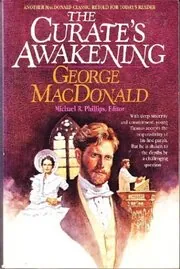
The Curate's Awakening / Thomas Wingfold, Curate
by George MacDonald
1876The Curate's Awakening, Book 1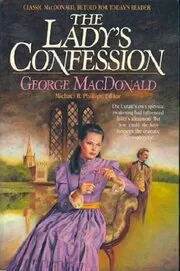
The Curate's Awakening books in chronological order
The Curate's Awakening / Thomas Wingfold, Curate
by George MacDonald
1876The Curate's Awakening, Book 1
The Marshmallows Trilogy books in order
Explore this seriesThe Marshmallows Trilogy books in chronological order
George MacDonald collections, short stories, and related book types
Short Stories/Novellas
Short Story Collections
Religious Collections
Standalone George MacDonald books
Author bio
George MacDonald was born on 10 December 1824 in Huntly, a small town in Aberdeenshire in the north of Scotland, and grew up in a farming family that traced its roots to the MacDonalds of Glencoe. His childhood home was unusually bookish: relatives collected Gaelic tales and scholarship, his parents read widely, and stories and Scripture were part of everyday life.
He was raised within strict Calvinist teaching, yet even as a boy he struggled with doctrines that made God seem arbitrary or unjust, especially the idea that some souls were created only to be lost. That discomfort would run through his later sermons and novels, where God’s holiness is fierce but always fatherly and fair.
MacDonald studied at King’s College, University of Aberdeen, then moved to London to train for the Congregational ministry at Highbury College. In 1850 he accepted a call to Trinity Congregational Church in Arundel. There his gentle but uncompromising preaching on God’s universal love met resistance; his stipend was cut, and poor health finally pushed him to resign after only a few years.
Leaving parish work did not end his vocation. For a time he tutored, lectured on English literature, and edited a magazine for young readers, all while writing poetry and prose at night. In 1858 he published Phantastes: A Faerie Romance for Men and Women, a strange, dreamlike tale of a young man wandering through Fairy Land in search of beauty and losing his own shadow. The book was not a bestseller, but it profoundly marked later readers, including a teenage C. S. Lewis.
Over the next decades MacDonald wrote at a tremendous pace. His fantasy novels for adults and children—among them At the Back of the North Wind, The Princess and the Goblin, The Princess and Curdie, and Lilith—use fairy-tale logic to probe questions of suffering, courage, and self-giving love. Alongside them he produced Scottish “realistic” novels like David Elginbrod, Alec Forbes of Howglen, Sir Gibbie, and Malcolm, which ground spiritual struggles in crofts, fishing villages, and small towns.
He also preached and published volumes of sermons that set out his central conviction: that God’s character is perfectly seen in Christ, that real holiness is inseparable from love, and that obedience grows out of trusting that goodness. He leaned toward a hopeful universalism, believing that divine love would keep pursuing every person until pride and resistance finally melted, though he still spoke plainly about judgment and the fire that burns away false selves.
In 1851 MacDonald married Louisa Powell; together they raised eleven children, several of whom died young from tuberculosis. Their household was noisy, theatrical, and full of readings; it was to the MacDonald children, listening to a manuscript of Alice’s Adventures in Wonderland, that their friend Charles Dodgson first tested the story that would make him famous as Lewis Carroll. Their son Greville became a physician and wrote a major biography of his parents, another son Ronald wrote novels and plays, and grandson Philip MacDonald would later write screenplays in Hollywood.
Chronic lung trouble and financial strain shaped much of MacDonald’s adult life. From the late 1870s he spent long stretches in the Italian seaside town of Bordighera, where the milder climate eased his breathing and the family home, Casa Coraggio, became a gathering place for readings, amateur theatricals, and discussions of poetry and faith. In 1872–73 he also toured the United States as a lecturer, speaking to large crowds about Shakespeare, Burns, and the imagination.
In 1900 the MacDonalds returned to England; George spent his last years at St George’s Wood in Haslemere, cared for by his family. He died on 18 September 1905 in Ashtead, Surrey, and his ashes were interred in Bordighera beside Louisa and several of their children.
Readers still turn to MacDonald for the same reasons his contemporaries did: not for tidy systems, but for stories, poems, and sermons that make goodness feel at once more terrible and more attractive than we had imagined. Through quiet Scottish villages and wild fairy landscapes alike, he invites the childlike—not the childish—to trust a Father whose love will not let them go.



Edited by
Software engineer whose passion for tracking book recommendations from podcasts inspired the creation of MRB.
Lead investor at 3one4 Capital whose startup expertise and love for books helped shape MRB and its growth.
Comments
Did we miss something? Have feedback?
Help us improve this page by sharing your thoughts