
Robert Louis Stevenson Books in Order
Explore Robert Louis Stevenson books in order, with quick summaries, reading guides, and simple tips on where to start with his fiction and travel writing.
Last updated:
As an Amazon Associate, we earn from qualifying purchases (at no extra cost to you).
Robert Louis Stevenson books in publication order
53 books

Travels with a Donkey in the Cevennes
by Robert Louis Stevenson
1879
Stevenson walks through the Cevennes with a stubborn donkey named Modestine and turns the trip into a funny, sharp travel book. Along the way he writes about weather, solitude, faith, and the small trials of the road.

The Old & New Pacific Capitals
by Robert Louis Stevenson
1880
In these linked essays, Stevenson looks at old Monterey and newer San Francisco, noticing beauty, growth, and change on the Pacific coast. It is travel writing with a strong eye for place and atmosphere.

Thrawn Janet
by Robert Louis Stevenson
1881
A new minister takes in an old woman the village believes to be a witch, and dread settles over the parish. Told with strong Scots flavor, it is one of Stevenson's eeriest short pieces.

New Arabian Nights
by Robert Louis Stevenson
1882
This linked collection sends Prince Florizel through secret clubs, stolen jewels, strange rooms, and urban conspiracies. It is playful, fast, and full of the kind of coincidence and danger Stevenson handles so well.
Treasure Island
by Robert Louis Stevenson
1882
Jim Hawkins finds a treasure map and sails toward buried gold, only to discover that many of his shipmates are pirates. Long John Silver gives the story its charm, danger, and constant uncertainty.
Recommended by
1 person Richard Branson recommended this book
Richard Branson
Richard Branson recommended this book on his "70 must-read books" blog post.
Richard Branson's recommendation of this book

The Silverado Squatters
by Robert Louis Stevenson
1884
Drawn from his honeymoon stay in an abandoned California mining camp, this book mixes family life, mountain weather, and dry humor. Stevenson makes a rough temporary home feel vivid, strange, and unexpectedly companionable.

Olalla
by Robert Louis Stevenson
1885
A wounded English officer recovers in a remote Spanish house and becomes fascinated by the beautiful Olalla and her damaged family. The story mixes romance, Gothic unease, and fear of what a bloodline can carry.

The Dynamiter
by Robert Louis Stevenson
1885
Returning to the world of New Arabian Nights, this book mixes bomb plots, disguises, tall tales, and comic misadventure. It is a lively, offbeat thriller where anarchists are as absurd as they are dangerous.
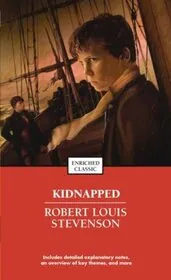
Kidnapped
by Robert Louis Stevenson
1886
Orphaned David Balfour sets out to claim his inheritance and is betrayed, kidnapped, and driven across 18th century Scotland. His uneasy alliance with Alan Breck Stewart gives the story its speed, danger, and heart.

Markheim
by Robert Louis Stevenson
1886
After murdering a dealer in a pawnshop, Markheim finds himself trapped with his own fear, guilt, and what may be a supernatural visitor. It is a compact, tense study of conscience under pressure.
The Strange Case of Dr. Jekyll and Mr. Hyde
by Robert Louis Stevenson
1886
A London lawyer tries to understand the sinister Mr. Hyde and his link to the respected Dr. Jekyll. The result is a tight, eerie story about hidden selves, temptation, and the horror of losing control.

Memoir of Fleeming Jenkin
by Robert Louis Stevenson
1887
Stevenson writes with affection and respect about Fleeming Jenkin, his former professor and mentor. The book mixes biography with personal memory, so it is as much about character and influence as public achievement.

Memories and Portraits
by Robert Louis Stevenson
1887
This essay collection is the closest Stevenson came to an autobiography in print. He writes about childhood, student days, family, books, talk, and imagination in a voice that is personal, funny, and alert.

The Merry Men and Other Tales and Fables
by Robert Louis Stevenson
1887
This collection brings together some of Stevenson's strongest shorter fiction, from sea haunted adventure to Gothic unease and philosophical fable. It is a good way to sample how varied his short work can be.

The Misadventures of John Nicholson
by Robert Louis Stevenson
1887
A young Edinburgh law student makes one bad decision after another, loses money, disappears to California, and returns to fresh scandal. Stevenson packs the story with reversals, family strain, and a brush with murder.

Underwoods
by Robert Louis Stevenson
1887
This poetry collection gathers verse in both English and Scots, moving between private feeling, place, tribute, and literary play. It shows a different Stevenson, musical, direct, and often more intimate.
The Lantern-Bearers and Other Essays
by Robert Louis Stevenson
1888
A selection of Stevenson's essays on childhood, literature, travel, friendship, and how people make meaning from ordinary life. The pieces are lively, reflective, and often wonderfully quotable.
The Master of Ballantrae
by Robert Louis Stevenson
1889
Set in the shadow of the Jacobite rising, this novel follows two brothers whose rivalry poisons an entire family. It moves from Scotland to the wider world, growing darker as charm, hatred, and obsession take over.
The Wrong Box
by Robert Louis Stevenson
1889
A tontine, a mistaken death, and a switched package set off this dark farce of fraud, panic, and bad luck. Stevenson turns inheritance schemes and corpse concealment into something both macabre and very funny.

Ballads
by Robert Louis Stevenson
1890
These narrative poems draw on Scottish history, sea lore, and legend. They have the storytelling drive of Stevenson's fiction, but in a tighter, more musical form.

The Bottle Imp
by Robert Louis Stevenson
1891
Keawe buys a magical bottle that grants wishes, but anyone who dies owning it is damned. Set across Hawaii and the Pacific, this is a clever fable about desire, love, and the price of getting exactly what you want.

A Footnote to History
by Robert Louis Stevenson
1892
Stevenson turns from fiction to political witness in this account of Samoa's colonial struggles. It is clear, angry, and deeply engaged with the local conflicts he saw at close range.
Across the Plains
by Robert Louis Stevenson
1892
Built around his overland trip to California, this volume blends travel writing with later essays and memories. It shows Stevenson observing fellow passengers, landscapes, and the hard facts behind romantic ideas of America.
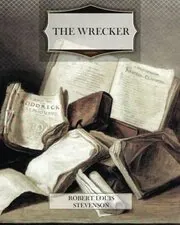
The Wrecker
by Robert Louis Stevenson
1892
A wrecked ship, a suspicious auction, and a trail of clues send this sprawling adventure from San Francisco into the Pacific. Part mystery and part travel yarn, it follows fortune hunters who discover more than they expected.

Catriona
by Robert Louis Stevenson
1893
In this sequel to Kidnapped, David Balfour tries to clear friends caught up in the Appin murder while navigating lawyers, prison plots, and exile. It is a more reflective book, with romance and politics woven into the adventure.

Island Nights' Entertainments
by Robert Louis Stevenson
1893
This South Seas collection brings together The Beach of Falesa, The Bottle Imp, and The Isle of Voices. Stevenson moves between realism and fantasy, but the island settings keep the tension grounded and memorable.
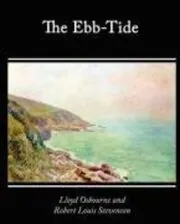
The Ebb-Tide
by Robert Louis Stevenson
1894
Three stranded men in Tahiti steal a schooner and head off on a desperate scheme, only to land in worse trouble. This is one of Stevenson's bleakest books, full of moral decay, greed, and Pacific tension.

The Amateur Emigrant
by Robert Louis Stevenson
1895
Stevenson records his difficult journey to America in steerage and by rail, watching fellow travelers as closely as the passing scenery. It is a travel book with bite, mixing sharp detail, sympathy, and social criticism.

The Body Snatcher
by Robert Louis Stevenson
1895
Set against Edinburgh's grim medical trade, this story follows students and anatomists drawn into the world of stolen corpses. It is short, nasty, and unforgettable, with guilt creeping in behind every practical decision.

The Suicide Club
by Robert Louis Stevenson
1895
Prince Florizel discovers a club where a card game decides who must die and who must do the killing. The setup is outrageous, but Stevenson plays it with speed, wit, and real menace.

Vailima Letters
by Robert Louis Stevenson
1895
These letters from Stevenson's Samoan years bring together household comedy, illness, work, friendships, and island politics. They show him day by day, lively, funny, restless, and deeply observant.

Fables
by Robert Louis Stevenson
1896
These very short pieces use allegory and irony to poke at pride, belief, reform, and human foolishness. Many look slight at first, then leave a sting behind.

Songs of Travel
by Robert Louis Stevenson
1896
A late poetry collection about wandering, weather, age, and the pull of the open road. Even at its saddest, the voice stays clear, steady, and companionable.
Weir of Hermiston
by Robert Louis Stevenson
1896
This unfinished novel follows Archie Weir, a sensitive young Scot at odds with his harsh judge father. Even unfinished, it has force, with family conflict, questions of justice, and a vivid sense of place.
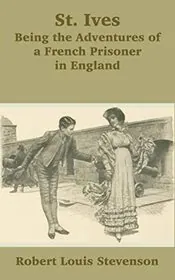
St. Ives
by Robert Louis Stevenson
1897
A French prisoner of war escapes from Edinburgh Castle and stumbles into romance, inheritance trouble, and comic pursuit. It is a lively historical adventure, though Stevenson died before finishing it.
A Lowden Sabbath Morn
by Robert Louis Stevenson
1898
A narrative poem in Scots, this piece sketches a Lowland Sunday morning as villagers make their way to church. It is small in scale but rich in voice, rhythm, and local detail.
In the South Seas
by Robert Louis Stevenson
1900
Part travel narrative and part study of Pacific cultures, this book gathers Stevenson's observations on island life, history, language, and colonial pressure. It is broader and more serious than a simple travelogue.

Virginibus Puerique and Other Papers
by Robert Louis Stevenson
1901
Stevenson's first essay collection ranges across youth, love, idleness, illness, and the pleasures of walking and talking. The pieces are witty, personal, and already full of the turn of phrase readers come for.

The Story of a Lie, and Other Tales
by Robert Louis Stevenson
1904
A mixed collection of shorter fiction, this volume circles around deception, chance, and the trouble that follows small choices. It is a useful sampler of Stevenson's brisk, unsettling shorter work.

Tales and Fantasies
by Robert Louis Stevenson
1905
This posthumous gathering brings together stories and fragments that move from the uncanny to the ironic and dreamlike. It is best read as a tour through Stevenson's stranger corners.
The Sea Fogs
by Robert Louis Stevenson
1907
This short lyrical essay turns the California fog into the main event, watching it roll across hills, sea, and light. It is Stevenson at his most observant and atmospheric.
The Meaning of Friendship
by Robert Louis Stevenson
1909
A brief gathering of Stevenson's thoughts on friendship, loyalty, conversation, and human warmth. It is the kind of small book people pick up for a few pages and keep quoting afterward.
Will O' the Mill
by Robert Louis Stevenson
1915
Will spends his life at the family mill, dreaming of the world beyond the valley and wondering what a good life really looks like. It is a quiet, thoughtful tale about longing, habit, and choice.

New Poems and Variant Readings
by Robert Louis Stevenson
1918
A scholarly volume that gathers additional poems and alternate versions, useful for readers who want a fuller picture of Stevenson's poetry.

A Child's Garden of Verses
by Robert Louis Stevenson
1921
These poems see the world at child height, bedrooms, gardens, shadows, weather, play, and the ache of being sent to bed. They are simple on the surface and remarkably exact about how childhood feels.

Moral Emblems
by Robert Louis Stevenson
1921
A small, playful set of verse pieces that turns moral instruction into wit, parody, and clever design. It is slight by length, but sharp in tone.
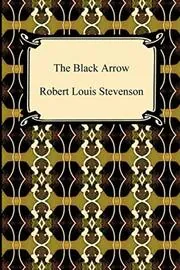
The Black Arrow
by Robert Louis Stevenson
1926
During the Wars of the Roses, Dick Shelton is pulled into murder, outlaw justice, and a struggle over loyalty and love. It is a brisk historical adventure with disguises, ambushes, and a strong Robin Hood flavor.

The Beach of Falesa
by Robert Louis Stevenson
1963
A trader arrives on a South Sea island, only to find that local taboos and a rival white trader have rigged the game against him. It is vivid, tense, and much sharper about power and colonial life than its setup first suggests.

Weir of Hermiston and Other Stories
by Robert Louis Stevenson
1979
This volume pairs Stevenson's unfinished late masterpiece with shorter companion pieces. It lets readers see both the power of Weir of Hermiston and the range of moods in his shorter fiction.

The Wakey Wakey Machine
by Robert Louis Stevenson
1997
A simple early reader collection built around short, lively stories for children building confidence with English. It is light, accessible, and geared more toward reading practice than a single sustained plot.

The Strange Case of Dr. Jekyll and Mr. Hyde and Selected Short Fiction
by Robert Louis Stevenson
2005
This edition centers on Stevenson's famous double life novella and adds shorter tales of crime, fear, and moral strain. It is a strong entry point if you want his darker work in one place.

The Collected Supernatural and Weird Fiction of Robert Louis Stevenson
by Robert Louis Stevenson
2012
An omnibus of Stevenson's uncanny tales, from psychological horror to ghostly and folkloric pieces. It highlights how often he returned to dread, doubles, guilt, and the thin line between the ordinary and the strange.
Scottish Stories
by Sir Walter Scott, James Hogg, Robert Louis Stevenson, Margaret Oliphant, John Buchan & Irvine Welsh
2023
Edited by Gerard Carruthers, this anthology surveys two centuries of Scottish short fiction. It brings classic and contemporary writers—including Walter Scott, Robert Louis Stevenson, Muriel Spark, Ali Smith, and Irvine Welsh—into a collection shaped by folklore, landscapes, and urban history.
Where to start with Robert Louis Stevenson
If you want classic adventure: Treasure Island → Kidnapped → The Black Arrow
If you want something dark and quick: The Strange Case of Dr. Jekyll and Mr. Hyde → Markheim → The Body Snatcher
If you want Scottish historical fiction: Kidnapped → Catriona → The Master of Ballantrae
If you want travel and memoir: Travels with a Donkey in the Cevennes → The Silverado Squatters → In the South Seas
Robert Louis Stevenson sub-series and character series
David Balfour books in order
Explore this seriesRobert Louis Stevenson collections, short stories, and related book types
Short Stories/Novellas
Short Story Collections
Picture Books
Non-Fiction
Standalone Robert Louis Stevenson books





by Sir Walter Scott, James Hogg, Robert Louis Stevenson, Margaret Oliphant, John Buchan & Irvine Welsh
2023
Author bio
Robert Louis Stevenson was born in Edinburgh on November 13, 1850, into a family whose working life was tied to lighthouse engineering. He grew up between the city and the nearby village of Colinton, and much of his childhood was shaped by poor health. Long stretches indoors gave books, Bible stories, Scottish history, and the lively company of his nurse Alison Cunningham a big place in his early imagination.
His family expected him to follow the family trade, and he did enter the University of Edinburgh with engineering in view. But he had little taste for it. Law became the compromise. He was called to the Scottish bar in 1875, then quietly stepped away from that future and committed himself to writing instead.
He trained himself the hard way, by reading widely, copying styles, and turning practice into habit.
Travel helped push him further. In the 1870s he spent long periods in France, and there he met Fanny Van de Grift Osbourne, an American who would become his wife. In 1879 he crossed the Atlantic, then crossed the United States to join her in California. It was a punishing trip, but it gave him material he later used in The Amateur Emigrant, Across the Plains, and The Silverado Squatters.
The breakthrough years came quickly after that. While living in Scotland and later in the south of England, he wrote Treasure Island, A Child's Garden of Verses, Kidnapped, and The Strange Case of Dr. Jekyll and Mr. Hyde. Those books show his range in a very direct way, pirates and buried gold, poems shaped by childhood, Scottish historical adventure, and a short nightmare about the split inside one human being.
He could move from playfulness to menace without sounding like a different author.
Readers still come to Stevenson for pace, clarity, and atmosphere, but also for the unsettled things moving under the surface. He loved journeys, maps, islands, inns, and dangerous bargains. He kept returning to divided loyalties, double lives, friendship under pressure, and the question of whether courage is a matter of impulse or character. Even a novel as outwardly swift as Kidnapped makes room for arguments about politics, justice, and belonging.
His life kept moving, too. Poor health sent him in search of better climates, and in the late 1880s he sailed through the Pacific with Fanny and family. They settled in Samoa in 1890, where he built a home called Vailima, kept writing, and became closely involved in local political affairs. The Samoans called him Tusitala, teller of tales, a name that has stayed with him ever since.
Some of his later books, including The Master of Ballantrae, The Ebb-Tide, and In the South Seas, are darker and rougher than the schoolroom image of Stevenson might suggest. They show a writer who never lost his gift for story, but who also saw greed, empire, and moral weakness very clearly. He died in Samoa on December 3, 1894, at just forty-four, and was buried on Mount Vaea.



%20-%20A%20True%20Story%20of%20the%20Fight%20for%20Justice.jpg)




Edited by
Software engineer whose passion for tracking book recommendations from podcasts inspired the creation of MRB.
Lead investor at 3one4 Capital whose startup expertise and love for books helped shape MRB and its growth.
Comments
Did we miss something? Have feedback?
Help us improve this page by sharing your thoughts