
DE Stevenson Books in Order
Explore the Sarah Morris books by D. E. Stevenson in order, with summaries and guidance on following Sarah's story from memories of war to married life in Scotland.
Last updated:
As an Amazon Associate, we earn from qualifying purchases (at no extra cost to you).
DE Stevenson books in publication order
47 books
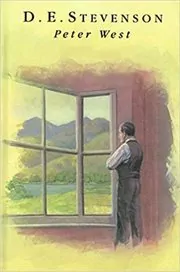
Peter West
by D. E. Stevenson
1923
An early novel about love, work, and family responsibilities in the years between the wars, introducing many of the small town themes Stevenson would return to in later books.
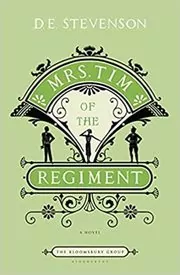
Mrs Tim of the Regiment
by D. E. Stevenson
1932
Presented as Hester Christie's diary, this novel follows an army officer's wife as she juggles children, servants, tight finances, and relentless garrison social life, then copes with a transfer to Scotland and a charmingly exasperating new circle.
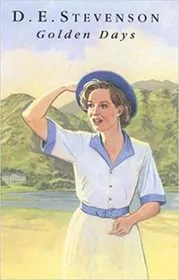
Golden Days
by D. E. Stevenson
1934
Continuing Mrs Tim's journal, Golden Days records the family's move north, Hester's efforts to settle into a Scottish posting while Tim is often away, and the mix of minor disasters, friendships, and unexpected romantic complications that fill her days.
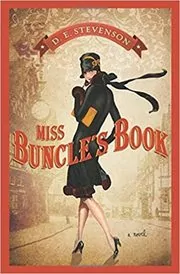
Miss Buncle's Book
by D. E. Stevenson
1934
Respectable spinster Barbara Buncle writes a novel based on her sleepy village to earn extra money, only to find the book becomes a sensation and her furious neighbours start hunting for the author while their real lives begin to imitate her fiction.
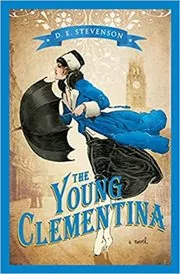
The Young Clementina
by D. E. Stevenson
1935
A quiet woman reconnects with the man she once loved when he returns from war a shattered, disillusioned figure. As old secrets about his disastrous marriage surface, both must decide whether they can trust one another enough to claim a second chance at happiness.
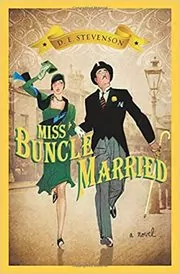
Miss Buncle Married
by D. E. Stevenson
1936
In this sequel, Barbara Buncle, now happily married to her publisher, moves to the village of Wandlebury and throws herself into restoring a neglected house. Her efforts to create a peaceful home keep colliding with quarrelling neighbours, stray children, and new romantic entanglements around her.
The Empty World
by D. E. Stevenson
1936
Stevenson's rare venture into science fiction imagines a handful of people who wake to find London eerily deserted after a mysterious catastrophe. As they search for other survivors and attempt to rebuild a community, ordinary character clashes become as dangerous as the silent world outside.
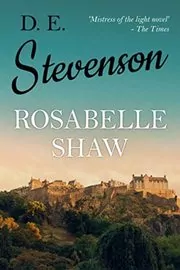
Rosabelle Shaw
by D. E. Stevenson
1937
This standalone novel traces the rise of Rosabelle, a talented young woman whose singing voice lifts her from a constrained upbringing into a wider world of travel, admirers, and difficult choices between career, security, and the man she truly loves.
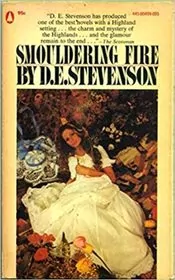
Smouldering Fire
by D. E. Stevenson
1938
On a remote Highland estate, fiery tempered laird MacAslan broods over an old betrayal until a visiting young woman unexpectedly unsettles his carefully walled off life. Storms, clan loyalties, and an unresolved mystery force them both to face past mistakes and possible new happiness.
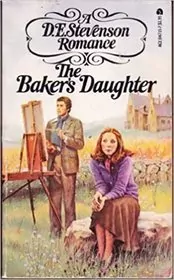
The Baker's Daughter
by D. E. Stevenson
1938
Miss Bun, the baker's daughter, grows up over the family shop in a friendly village and dreams of something more. An unexpected inheritance takes her to the city, where new money, sophisticated suitors, and social snobbery test her warmth and common sense.
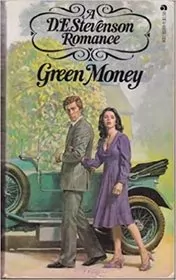
Green Money
by D. E. Stevenson
1939
A lighthearted tale of fortune and fraud in 1930s Britain, in which amiable George Ferrier is made trustee to an overprotected heiress. When her father dies, crooked fellow trustees and fortune hunters close in, and George must protect both her money and her innocence.
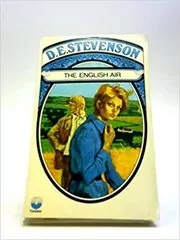
English Air
by D. E. Stevenson
1940
Sent from Nazi Germany to stay with English relatives, a young man finds himself charmed and unsettled by life in a Sussex town on the eve of war. As tensions rise, he must choose where his loyalty lies and what home means to him.
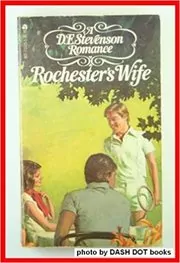
Rochester's Wife
by D. E. Stevenson
1940
In this emotionally rich story, a doctor abandons his London career for a rural practice after a breakdown, bringing his reserved wife into a close knit village where everyone watches the newcomers. Old wounds, gossip, and a quietly growing attraction to another woman test their fragile marriage.
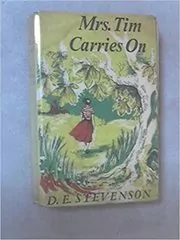
Mrs. Tim Carries On
by D. E. Stevenson
1941
Set during the early years of the Second World War, this volume of Mrs Tim's diary shows Hester running her household alone while Tim is on active service, coping with shortages, evacuees, and neighbours whose dramas are sometimes more exhausting than the war news itself.
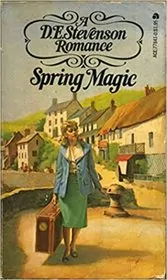
Spring Magic
by D. E. Stevenson
1942
Longing for a break from a dreary London job, a young woman takes a spring holiday in a Scottish coastal village near an army training camp. There she is drawn into the lives of officers, villagers, and evacuees, and begins to imagine a more hopeful future.
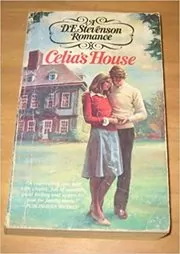
Celia's House
by D. E. Stevenson
1943
Spanning several decades, this novel follows the Dunne family of Dunnian, a beloved house in the Scottish Borders that elderly Celia leaves to her great nephew on one condition. As children grow up, leave, and return, the house quietly shapes their choices and sense of belonging.
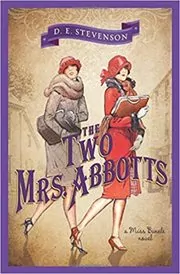
The Two Mrs. Abbotts
by D. E. Stevenson
1943
In wartime Wandlebury, two women named Mrs Abbott manage households, children, and billeted soldiers while their men are away. A tangle of small deceptions, local spies, and romantic mix ups keeps village life far from quiet.
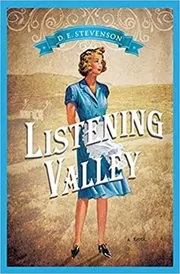
Listening Valley
by D. E. Stevenson
1944
Shy, dreamy Tonia grows up feeling invisible in a chilly Edinburgh home, then marries an older man who finally understands her. When war and loss upend her life, she must learn to stand alone and decides whether a small Scottish town can offer real home and love.
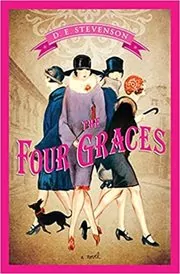
The Four Graces
by D. E. Stevenson
1946
In the village of Chevis Green during wartime, the four Grace sisters juggle rationing, evacuees, and the constant stream of visitors to their vicar father's house. Courtships, small sacrifices, and everyday acts of kindness slowly reshape each sister's idea of duty and happiness.
Kate Hardy
by D. E. Stevenson
1947
Successful novelist Kate Hardy, worn out by deadlines and London life, rents an old country house to recover her health. Instead she finds herself pulled into village feuds, local politics, and a slow burning attraction to a man who may not be entirely free.
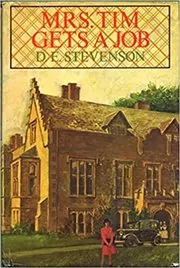
Mrs. Tim Gets a Job
by D. E. Stevenson
1947
When Tim is posted abroad, Hester Christie accepts a position running a small hotel in the Border town of Ryddelton. Her new job brings financial independence, tricky guests, and fresh friendships, as well as the question of what she wants from life once the war ends.
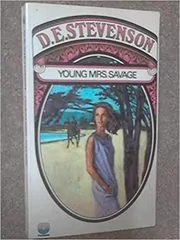
Young Mrs. Savage
by D. E. Stevenson
1948
Recently widowed and still very young, Mrs Savage finds herself responsible for two lively stepchildren and a household she can barely manage. Moving to a seaside town offers a fresh start, but also new neighbours, awkward suitors, and the hard work of building a real family.
Vittoria Cottage
by D. E. Stevenson
1949
In the quiet English village of Ashbridge, widow Caroline Dering shoulders the needs of her three very different children until a reserved stranger lodges nearby. As friendships deepen and old ties resurface, she must decide whether to cling to duty or risk a new life in Scotland.
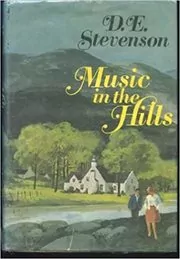
Music In The Hills
by D. E. Stevenson
1950
Caroline Dering's son travels north to Mureth, a hill farm in the Scottish Borders, to see if he is cut out for farming. Among sheep sales, hard winters, and the Johnstones' bustling household, he discovers both the cost and the pull of making a home on the land.
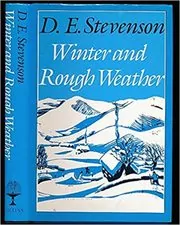
Winter and Rough Weather
by D. E. Stevenson
1951
Returning to the world of Mureth, this novel follows familiar characters through harsh winters, strained marriages, and changing postwar realities. Against a backdrop of snow, sheep, and village quarrels, several couples must choose whether to fight for their relationships or start again.
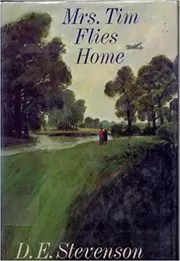
Mrs. Tim Flies Home
by D. E. Stevenson
1952
After time spent abroad with Tim's regiment, Hester Christie faces the challenge of returning home to Britain and deciding where the family should finally settle. Jet lag, house hunting, and renewed ties with old friends make this diary another blend of comedy and quiet reflection.
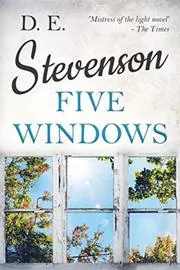
Five Windows
by D. E. Stevenson
1953
Told through the successive rooms he inhabits, this coming of age story follows a boy from a cramped Scottish attic to wider horizons. Each window marks a stage in his life as he learns about love, work, and where he ultimately wants to belong.
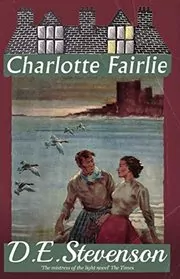
Charlotte Fairlie
by D. E. Stevenson
1954
A young headmistress at an English girls' school forms a deep bond with a lonely pupil from a distant Highland estate. Visiting the girl's family draws her into their complicated lives and forces her to weigh duty, independence, and the possibility of love in a very different landscape.
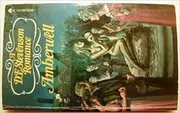
Amberwell
by D. E. Stevenson
1955
Set on a beautiful estate on Scotland's west coast, Amberwell follows the Ayrton children from cosseted childhood to the upheavals of the Second World War. As they scatter into service, marriage, and exile, the house remains a powerful symbol of both loss and belonging.
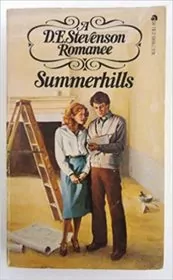
Summerhills
by D. E. Stevenson
1956
This companion to Amberwell shows the family and estate struggling to adapt in the uneasy peace that follows the war. New marriages, grown children and shifting fortunes make it clear that keeping Amberwell alive will require difficult choices about work, love, and what to preserve from the past.
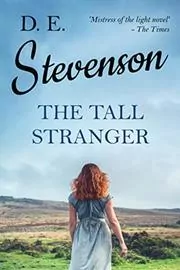
The Tall Stranger
by D. E. Stevenson
1957
Linked to Five Windows and The Musgraves, this novel follows a young man whose life is upended by a disastrous love affair and a chance encounter with an enigmatic stranger. In a rural community full of hidden tensions, he must rebuild his future from the ground up.
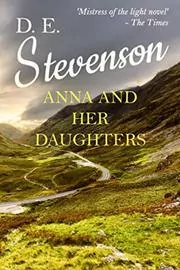
Anna and her Daughters
by D. E. Stevenson
1958
After the death of their father, Anna and her three daughters leave a comfortable country life for a less certain existence in a Scottish town. The story traces each woman's search for work, love, and a place to stand in a world still recovering from war.
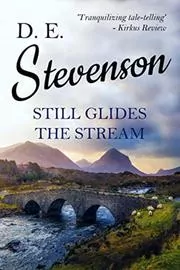
Still Glides the Stream
by D. E. Stevenson
1959
Returning to his Border valley after years away, a former soldier is haunted by the friend who did not come home. Uncovering what really happened to that friend draws him into another family's long buried grief and toward an unexpected chance of love and healing.
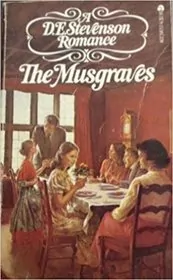
The Musgraves
by D. E. Stevenson
1960
Following the death of her beloved husband, Esther Musgrave believes happiness is over, until the problems and adventures of her three daughters pull her back into village life. Amateur theatricals, scandalous newcomers, and a wayward stepson make this Cotswold family saga lively and deeply satisfying.
Bel Lamington
by D. E. Stevenson
1961
Quiet, self effacing Bel works as a secretary in London and lives in a tiny bed sitter, convinced excitement is for other people. A job change and a holiday in a coastal village bring new friends, unexpected love, and the possibility of a very different future.
Fletchers' End
by D. E. Stevenson
1962
Newly married, Bel and her husband take on Fletchers' End, a neglected house in a small country village. Renovations, eccentric neighbours, and lingering doubts about whether the house is truly theirs turn this gentle story into a thoughtful exploration of what makes somewhere feel like home.
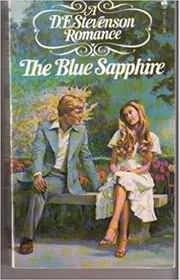
The Blue Sapphire
by D. E. Stevenson
1963
When a young London woman abruptly breaks off an engagement that feels wrong, she is offered a temporary job in a remote Scottish town and a mysterious blue brooch to guard. Among new friends and old legends, she untangles a family secret and finds her own direction.
Katherine Wentworth
by D. E. Stevenson
1964
A pretty, practical young widow in Edinburgh, Katherine Wentworth is raising her teenage stepson and lively twins on a shoestring. The reappearance of her late husband's wealthy family, and a growing friendship with a kind Scottish lawyer, force her to choose what sort of future she wants.
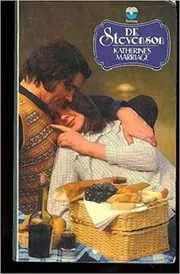
Katherine's Marriage
by D. E. Stevenson
1965
Now happily remarried, Katherine hopes for a peaceful life with Alec Macfarlane, only to find their joy threatened by his possessive sister and renewed pressure from Simon's aristocratic relations. Set between Edinburgh and the Highlands, it explores the testing of a second marriage under family strain.
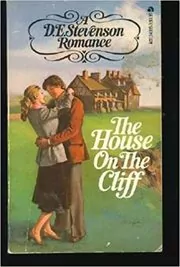
The House on the Cliff
by D. E. Stevenson
1966
Working as a companion in a small seaside hotel perched on a cliff, a young woman is drawn into the tangled history of the house and its owners. Old quarrels, lost love, and the possibilities of a new start gradually come together in this atmospheric story.

Sarah Morris Remembers
by D. E. Stevenson
1967
Framed as a memoir built from old diaries, this novel follows Sarah from a happy but not affluent vicarage childhood through the years before and during the Second World War. Family crises, first love, loss, and growing self knowledge shape her path toward adult life.
Crooked Adam
by D. E. Stevenson
1969
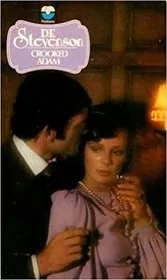
Unable to enlist because of a damaged leg, schoolmaster Adam Southey feels useless until he learns his headmaster is developing a secret weapon. When enemy agents try to steal the plans, Adam is drawn into a dangerous game of deception in the Scottish Highlands.
Gerald and Elizabeth
by D. E. Stevenson
1969
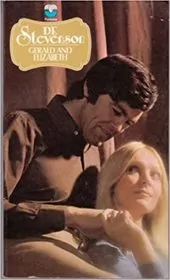
Engineer Gerald Brown, sacked and disgraced after being accused of stealing diamonds, returns to Britain determined to clear his name. Reunited with his half sister Elizabeth, now a successful actress, he uncovers a family mystery whose solution may restore both their futures.
House of the Deer
by D. E. Stevenson
1970
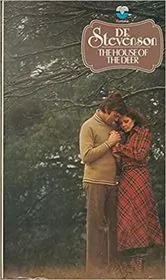
This sequel to Gerald and Elizabeth sends Gerald north to the MacAslan family's Highland estate, where stalking parties and rugged hills mask old tensions. Among the next generation of MacAslans he faces new choices about loyalty, love, and where his real home lies.
Sarah's Cottage
by D. E. Stevenson
1971
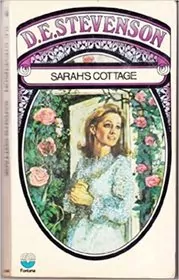
Recently married Sarah and her husband Charles build a cottage on land given by her grandparents in Scotland and try to create a thoughtful, work filled life together. Their quiet plans change when they take in neglected niece Frederica and become deeply involved in wider family troubles.
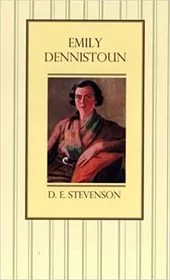
Emily Dennistoun
by D. E. Stevenson
2011
Living quietly with a difficult father in a remote Scottish house, Emily Dennistoun has resigned herself to a narrow life. The arrival of an earnest young visitor and the uncovering of an old wrong offer her a chance to step beyond duty into friendship and love.
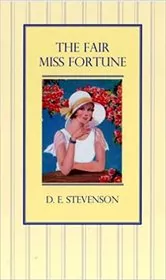
The Fair Miss Fortune
by D. E. Stevenson
2011
In this lively romantic comedy, a young woman arrives in a country town under an assumed name and is instantly mistaken for someone else. As neighbours, suitors, and relatives tangle themselves in the confusion, she must decide when to tell the truth and whom she can trust.
Where to start with DE Stevenson
If you want her most famous village comedy: Miss Buncle's Book → Miss Buncle Married → The Two Mrs. Abbotts
If you enjoy diary style domestic life: Mrs Tim of the Regiment → Mrs. Tim Carries On → Mrs. Tim Gets a Job
If you like Scottish family sagas: Amberwell → Summerhills → Still Glides the Stream
If you want a gentle postwar trilogy: Vittoria Cottage → Music In The Hills → Winter and Rough Weather
If you prefer later, more reflective stories: Katherine Wentworth → Katherine's Marriage → Sarah Morris Remembers → Sarah's Cottage
DE Stevenson sub-series and character series
Gerald Burleigh Brown books in order
Explore this seriesGerald Burleigh Brown books in chronological order
Miss Buncle (DE Stevenson) books in order
Explore this seriesMiss Buncle (DE Stevenson) books in chronological order
Standalone D. E. Stevenson books
Author bio
D. E. Stevenson was born Dorothy Emily Stevenson in Edinburgh on 18 November 1892, into a family better known for building lighthouses than for writing novels. Her father, David Alan Stevenson, was a lighthouse engineer and cousin of Robert Louis Stevenson, and the household was comfortable, conservative, and quietly disapproving of daydreams.
Dorothy started writing in secret as a child, hiding her stories because her parents and governesses thought serious reading and university ambitions were not suitable for a daughter of the house.
In 1916 she married James Reid Peploe, an army officer who had served with the Gurkhas, and followed him through postings in Britain and abroad before they eventually settled in Scotland with their growing family.
Those years as an officer's wife gave her the material and confidence for her first real success. She had already published an early novel, Peter West, in the 1920s, but it was Mrs Tim of the Regiment in 1932, drawn closely from her own diary of army life, that established her as a popular storyteller and introduced readers to the brisk, funny voice many now associate with her work.
Over the next four decades she wrote more than forty books, most of them so called "light romantic novels" that balance domestic detail, gentle humour, and a clear eye for how people behave in small communities. Many are set in loosely linked fictional places, especially the Scottish Border town of Ryddelton, the English village of Wandlebury, and the hill country around Drumburly, where characters wander in and out of one another's stories.
Readers often meet her through the Miss Buncle books, beginning with Miss Buncle's Book, in which a shy village spinster writes a barely disguised novel about her neighbours and accidentally turns her quiet community upside down. Others start with the Mrs Tim diaries, the Vittoria Cottage trilogy that moves from English village lanes to a Scottish sheep farm, or family sagas like Amberwell that follow siblings from sheltered childhood into the upheavals of war.
Although she was best known for comforting village stories, Stevenson experimented more than her reputation suggests. She wrote a near future novel, The Empty World, in which a handful of survivors wake to a strange, silent London, and Crooked Adam, a home front thriller about a lame schoolmaster drawn into protecting a secret weapon during the Second World War.
Across all of them, she returned to a few steady themes, including the pull of home, second chances in middle life, and the way decency and humour can steady people when the wider world is changing fast.
From the early 1940s onward she did most of her writing in the small town of Moffat in Dumfries and Galloway, working steadily at a kitchen table while raising four children and watching her books quietly reach millions of readers in Britain and abroad. By the time her last novel was published in 1969, her total sales were in the millions and many titles had been translated into several languages.
Stevenson died in 1973 and is buried with her husband in Moffat, but her readership has never quite gone away. In recent years new paperback and ebook editions of Miss Buncle's Book, the Mrs Tim novels, and many other titles have made it easier for readers to find her again, and a commemorative plaque now marks the Edinburgh house where she spent much of her childhood.
Edited by
Software engineer whose passion for tracking book recommendations from podcasts inspired the creation of MRB.
Lead investor at 3one4 Capital whose startup expertise and love for books helped shape MRB and its growth.
Comments
Did we miss something? Have feedback?
Help us improve this page by sharing your thoughts