
Raymond A Moody Jr Books in Order
Explore Raymond A Moody Jr books in order, with concise summaries, afterlife themes, companion works, and practical guidance on where to start reading.
Last updated:
As an Amazon Associate, we earn from qualifying purchases (at no extra cost to you).
Raymond A Moody Jr books in publication order
21 books
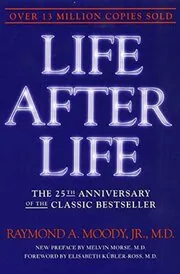
Life After Life
by Raymond A Moody Jr
1975
Moody gathers more than 100 accounts from people who were declared clinically dead or came close, then returned with strikingly similar memories. It is the book that introduced many readers to tunnels, bright light, and the near-death experience.
Reflections On Life After Life
by Raymond A Moody Jr
1977
This follow-up revisits the cases and questions raised by Life After Life, looking at common patterns, objections, and the difficulty of putting such experiences into words. It is part response, part extension, and part deeper philosophical look.
Laugh After Laugh
by Raymond A Moody Jr
1978
Moody argues that humor is not just entertainment but a genuine help in health and emotional recovery. The book mixes medical curiosity, history, and everyday examples to make the case for laughter as a healing force.
Elvis After Life
by Raymond A Moody Jr
1987
After Elvis Presley's death, many fans reported dreams, premonitions, apparitions, and other uncanny experiences. Moody explores those stories to ask how grief, celebrity, and the paranormal can collide.
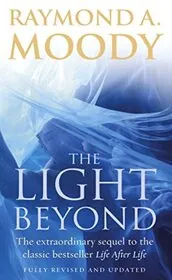
The Light Beyond
by Raymond A Moody Jr
1988
Drawing on a much larger pool of cases, Moody looks again at near-death experiences and the changes people report after coming back. The focus is on recurring details, lasting transformation, and what these reports might mean.
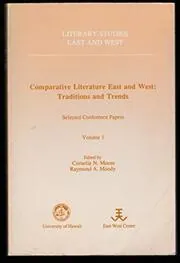
Comparative LiteratureEast and West
by Raymond A Moody Jr
1989
This edited scholarly collection brings together papers on comparative literature across Eastern and Western traditions. It looks at shared themes, methods, and cultural differences rather than building a single continuous argument.
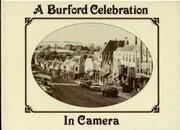
Burford Celebration in Camera
by Raymond A Moody Jr
1990
A photo-rich tribute to Burford, this book captures the town's streets, buildings, and local character in pictures. It reads as a visual celebration of place and community rather than a conventional history.
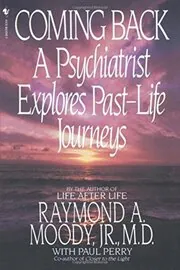
Coming Back
by Raymond A Moody Jr
1990
Moody turns from death to what may have come before life, exploring past-life regression through hypnosis, case histories, and his own skeptical curiosity. The book asks whether vivid memories under trance can shed light on identity, fear, and survival.
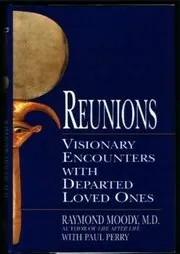
Reunions
by Raymond A Moody Jr
1993
Moody explores attempts to reconnect with departed loved ones, especially through mirror-gazing and the psychomanteum. Mixing history, case studies, and firsthand reports, the book asks whether grief can sometimes open the door to vivid visionary encounters.

Out of Body
by Raymond A Moody Jr
1994
This volume turns to out-of-body experience reports, asking how people describe consciousness seeming to leave the body. It fits Moody's long interest in what such experiences might reveal about the mind and survival after death.
Scrying
by Raymond A Moody Jr
1994
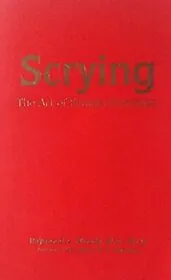
This book looks at divination through reflective surfaces, especially the long tradition of scrying and its link to intuition. Moody treats the subject as part history, part guide, and part exploration of altered states.
The inns of Burford
by Raymond A Moody Jr
1997
A local history of Burford told through its inns, taverns, and coaching houses. Along the way it shows how travel, trade, and everyday social life helped shape the town.
The Last Laugh
by Raymond A Moody Jr
1999
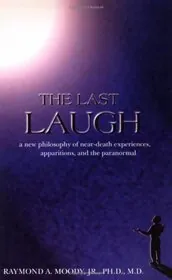
Here Moody steps back from simple proof claims and rethinks how near-death experiences and paranormal events are discussed. The book is more philosophical than his earlier work, and more interested in questions, misuse, and the role of play.
Life After Loss
by Raymond A Moody Jr
2001
Written for grieving readers, this book blends stories, research, and practical reassurance about mourning. Moody and Dianne Arcangel focus on how unusual end-of-life and after-death experiences can soften fear and help people heal.
The Wisdom of Nonsense
by Raymond A Moody Jr
2003
This workbook-like study explores nonsense, creativity, and the odd ways language can stretch the mind. It treats playful illogic as more than word games, asking whether it can open people to intuition and unusual experience.

Reunited
by Raymond A Moody Jr
2006
A revised take on Moody's work with bereavement visions, this book argues that contact experiences with the dead may be more accessible than many people think. It combines case studies, simple methods, and the hope of comfort after loss.
Burford Through Time
by Raymond A Moody Jr
2010
This pictorial history pairs Burford's past with its present, showing how streets, buildings, and landmarks have changed over time. It is a local history book built around place, comparison, and visual detail.
Glimpses of Eternity
by Raymond A Moody Jr
2010
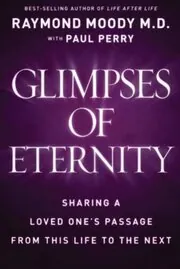
Instead of focusing only on the dying person, Moody looks at shared death experiences, moments when relatives or caregivers feel drawn into the passage as well. The stories are intimate, strange, and often deeply comforting.
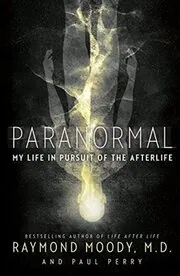
Paranormal
by Raymond A Moody Jr
2012
Part memoir and part survey of a lifetime's research, this book follows Moody through near-death studies, past-life work, apparitions, and personal crisis. It is his most direct look at how his ideas were formed and challenged.

Making Sense of Nonsense
by Raymond A Moody Jr
2020
Moody brings together five decades of thinking about language, logic, and spiritual experience in a book very different from his death studies titles. He asks how nonsense can still feel meaningful, and what that says about consciousness.
Proof of Life After Life
by Raymond A Moody Jr
2023
Moody and Paul Perry pull together decades of research on near-death, shared death, apparitions, out-of-body experiences, and related reports. The book is their broadest case for consciousness continuing beyond bodily death.
Where to start with Raymond A Moody Jr
If you want the landmark near-death book: Life After Life → Reflections On Life After Life → The Light Beyond
If you want comfort around grief and dying: Life After Loss → Glimpses of Eternity → Reunions
If you're curious about past lives and altered states: Coming Back → Scrying → Out of Body
If you want Moody looking back on his whole career: Paranormal → Proof of Life After Life → Making Sense of Nonsense
Raymond A Moody Jr sub-series and character series
Raymond A Moody Jr collections, short stories, and related book types
Non-Fiction


by Raymond A Moody Jr
1999A New Philosophy of Near-Death Experiences, Apparitions, and the Paranormal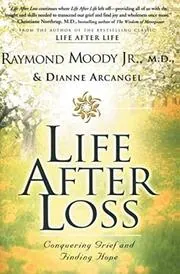

by Raymond A Moody Jr
2010Sharing a Loved One's Passage from This Life to the Next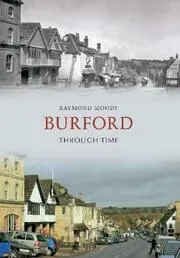

Religious
Author bio
Raymond A. Moody Jr. was born in Porterdale, Georgia, in 1944 and grew up in Georgia in a family where medicine and big questions both had a strong pull. His father was a surgeon, and Moody's own path ended up moving in two directions at once, toward philosophy and toward medicine.
That double interest never really left him.
While studying philosophy at the University of Virginia, he heard psychiatrist George Ritchie describe an experience during a period of clinical death. Moody noticed how closely the account echoed stories from Plato and other ancient writers he was already reading. That moment gave him a question he would spend the rest of his career chasing.
He completed advanced study in philosophy at Virginia, later earned his medical degree from the Medical College of Georgia, and trained in psychiatry. Along the way he taught and researched, eventually holding academic posts in psychology and consciousness studies. He was not coming at the subject only as a preacher or popularizer. He was trying to think like a philosopher and a doctor at the same time.
That unusual mix helped make his books feel both curious and calm.
In 1975 he published Life After Life, the book that brought the phrase near-death experience into common use. Built from interviews with people who had been declared clinically dead or had come very close, it laid out the recurring details readers still associate with the subject: peace, separation from the body, tunnels, light, and encounters with the dead. The book changed the public conversation almost overnight.
He kept returning to that material in Reflections On Life After Life and The Light Beyond, where he widened the number of cases and looked more closely at what people said happened after they came back. Readers often come to these books for the mystery, but stay for the human side. Moody is interested in patterns, yes, but he is also interested in how an experience like this can reduce fear, reorder priorities, and leave someone struggling to explain the most important thing that ever happened to them.
He did not stay in one lane. Coming Back explores past-life regression. Reunions looks at visionary encounters with departed loved ones and the way grief can sharpen perception. Glimpses of Eternity turns to shared death experiences, when relatives or caregivers feel caught up in the final moments of someone else's passing. Later, Paranormal looked back over his own life and research, and Making Sense of Nonsense showed a different side of him, his long-running fascination with language, logic, and states of mind that do not fit ordinary rules.
Across all of this, the same themes keep returning: death, grief, consciousness, memory, love, and the stubborn sense that human experience is larger than material explanation alone. Moody has taught widely, held the Bigelow Chair in Consciousness Studies at the University of Nevada, Las Vegas, and for years ran work connected with his Theatre of the Mind in Alabama. He has continued to write, lecture, and speak with readers who have had unusual experiences of their own. Whether you read him as a researcher, a memoirist, or simply a patient collector of strange stories, his books have given many people language for experiences they once kept quiet.





Edited by
Software engineer whose passion for tracking book recommendations from podcasts inspired the creation of MRB.
Lead investor at 3one4 Capital whose startup expertise and love for books helped shape MRB and its growth.
Comments
Did we miss something? Have feedback?
Help us improve this page by sharing your thoughts