
Life After Life Books in Order
Part ofRaymond A Moody Jr Books in OrderSee the Life After Life books by Raymond A Moody Jr in order, with concise summaries, series background, and simple help choosing the best place to begin.
Last updated:
As an Amazon Associate, we earn from qualifying purchases (at no extra cost to you).
Life After Life books in publication order
3 books
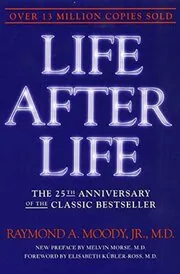
Life After Life
by Raymond A Moody Jr
1975
Moody gathers more than 100 accounts from people who were declared clinically dead or came close, then returned with strikingly similar memories. It is the book that introduced many readers to tunnels, bright light, and the near-death experience.
Reflections On Life After Life
by Raymond A Moody Jr
1977
This follow-up revisits the cases and questions raised by Life After Life, looking at common patterns, objections, and the difficulty of putting such experiences into words. It is part response, part extension, and part deeper philosophical look.
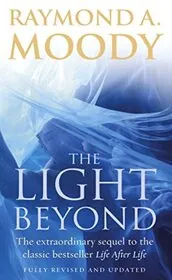
The Light Beyond
by Raymond A Moody Jr
1988
Drawing on a much larger pool of cases, Moody looks again at near-death experiences and the changes people report after coming back. The focus is on recurring details, lasting transformation, and what these reports might mean.
Life After Life books in chronological order
Series background & context
The Life After Life books are a loose nonfiction series, not a conventional story cycle. The thread running through them is Raymond A Moody Jr's effort to gather reports from people who came close to death and returned, then ask what those reports have in common. If you start with Life After Life, you are beginning with the book that gave many readers their first vocabulary for the near-death experience.
There is not one hero here, unless it is the witness. These books are built from patients, survivors, relatives, doctors, nurses, and later bedside observers who try to describe moments that seem to fall outside ordinary language. Again and again the reports circle around peace, leaving the body, tunnels or darkness, light, meetings with the dead, and the reluctant return to ordinary life.
The real suspense comes from the question of what to do with so many similar stories.
In Reflections On Life After Life, Moody revisits the first wave of cases and the arguments surrounding them. The Light Beyond widens the field with more reports, including experiences described by children, and pays closer attention to the way people are changed afterward. Later companion books such as Proof of Life After Life keep pressing the same issue from new angles, asking whether these events point to a larger picture of consciousness.
The setting is not a single town or cast of recurring characters. It is hospital rooms, accident scenes, recovery wards, counseling conversations, lecture halls, and the long history of human attempts to understand death. Moody also brings in philosophy, religion, and ancient sources, but the books stay readable because he keeps returning to individual cases instead of turning everything into theory.
That matters, because this series is as much about the living as the dead. Many of the people in these books come back with less fear, stronger compassion, or a changed sense of purpose. Others are relatives or caregivers trying to make sense of what they witnessed at the bedside. The tone is investigative but often comforting, and the stakes are emotional as well as intellectual.
If you pick up this series, expect accessible nonfiction that sits between case study, philosophy, and grief writing. These books do not move in a straight line toward neat proof. Instead they return, book after book, to the same human puzzle: why do so many people describe similar things at the edge of death, and why do those moments change them so deeply afterward?



%20-%20Coming%20Home%20-%20Life%20is%20Strange%2C%20Book%2017.jpg)
%20-%20Coming%20Home%20-%20Life%20is%20Strange%2C%20Book%2018.jpg)
%20-%20Partners%20In%20Time%20Tracks%20Season%20-%20Life%20is%20Strange%2C%20Book%2016.jpg)







Edited by
Software engineer whose passion for tracking book recommendations from podcasts inspired the creation of MRB.
Lead investor at 3one4 Capital whose startup expertise and love for books helped shape MRB and its growth.
Comments
Did we miss something? Have feedback?
Help us improve this page by sharing your thoughts