
Rachel Carson Books in Order
Browse Rachel Carson books in order, with short summaries, background on her nature writing, and clear guidance on where to start reading first.
Last updated: 1 new book added
As an Amazon Associate, we earn from qualifying purchases (at no extra cost to you).
Rachel Carson books in publication order
11 books
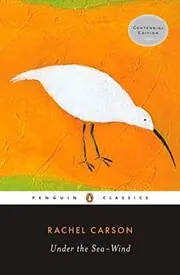
Under the Sea Wind
by Rachel Carson
1941
Carson follows the lives of a sanderling, a mackerel, and an eel through the Atlantic shore and open sea. The book turns marine ecology into a vivid story of migration, hunger, danger, and survival.
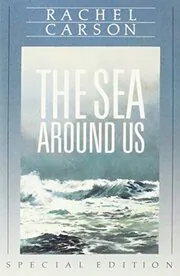
The Sea Around Us
by Rachel Carson
1951
This sweeping ocean portrait moves from the birth of the seas to currents, tides, storms, and life in the deep. Carson makes big science feel intimate, strange, and full of movement.
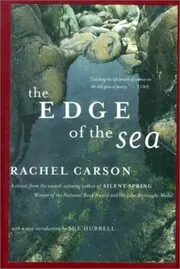
The Edge of the Sea
by Rachel Carson
1955
Carson explores the Atlantic shoreline, from sandy beaches to rocky pools and coral coasts, showing how small creatures survive where land and water keep changing places. It is close observation on a human scale.
Man's War Against Nature
by Rachel Carson
1962
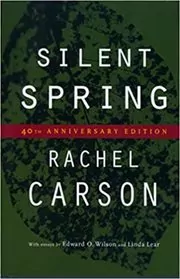
This short standalone selection from Silent Spring distills Carson's warning about synthetic pesticides. In a few pages, she shows how chemicals aimed at pests can poison birds, streams, soil, and the wider food chain.
Silent Spring
by Rachel Carson
1962
Carson examines what widespread pesticide use, especially DDT, was doing to birds, waterways, and human health. It is a clear, unsettling case against chemical shortcuts and a turning point in environmental writing.
The Sea
by Rachel Carson
1968
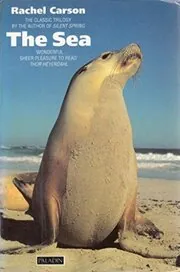
This collected volume gathers Carson's three classic sea books, Under the Sea-Wind, The Sea Around Us, and The Edge of the Sea. Together they move from individual shore creatures to tides, coastlines, and the ocean as a living system.
The Rocky Coast
by Rachel Carson
1971
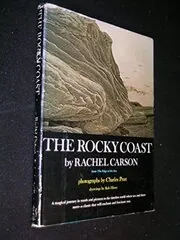
An illustrated selection from The Edge of the Sea, this book lingers on wave-beaten shores, tide pools, barnacles, anemones, and other life fixed to rock. Carson shows how much drama exists in a narrow strip between land and water.
Always, Rachel
by Rachel Carson
1994
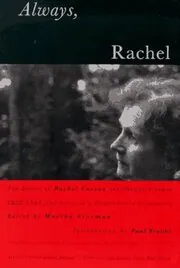
These letters between Rachel Carson and Dorothy Freeman trace friendship, daily life, and the years when Carson was writing The Edge of the Sea and Silent Spring. They offer a warmer, more private view of her work and world.

Lost Woods
by Rachel Carson
1998
This posthumous collection gathers previously uncollected essays, speeches, letters, and notebook pieces. It lets readers watch Carson thinking on the page, as a field observer, a public writer, and a careful defender of the natural world.
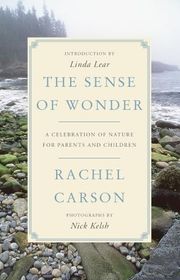
The Sense of Wonder
by Rachel Carson
2017
Drawing on explorations with her young grandnephew, Carson considers how adults can help children discover nature. Woods, tide pools and shared observation become ways to preserve curiosity and rediscover the wonder that everyday familiarity can obscure.

Something About the Sky
by Rachel Carson
2024
Adapted from a long-forgotten Carson script, this picture-book edition looks at clouds, weather, and the water cycle. It brings her gift for explaining nature to younger readers without losing the wonder.
Where to start with Rachel Carson
If you want the landmark environmental book: Silent Spring
If you want her biggest ocean book first: The Sea Around Us → The Edge of the Sea
If you want close-up animal and shore life: Under the Sea-Wind → The Edge of the Sea
If you want Carson in a more personal key: Always, Rachel → Lost Woods
If you're sharing Carson with younger readers: Something About the Sky
Rachel Carson collections, short stories, and related book types
Non-Fiction
Children's Books
Standalone Rachel Carson books
Author bio
Rachel Carson was born in Springdale, Pennsylvania, in 1907 and grew up on a small family farm above the Allegheny River. Her mother, Maria, taught her to notice birds, trees, weather, and the turn of the seasons. Carson loved stories just as much as field walks, and as a child she wrote constantly. That mix of close observation and careful language stayed with her for the rest of her life.
At Pennsylvania College for Women, now Chatham University, she started out as an English major because writing seemed like the obvious path. Then biology pulled harder. She switched fields, earned her degree in 1929, and went on to Johns Hopkins University for graduate work in zoology, receiving her master's degree in 1932. Science gave her a method, but it did not crowd out the writer she had always planned to be.
The Depression changed the plan.
Carson taught for a time at the University of Maryland and took on other work where she could. In 1936 she joined the U.S. Bureau of Fisheries, later the U.S. Fish and Wildlife Service, and spent years writing radio scripts, brochures, and public information pieces about aquatic life. That job mattered. It trained her to explain difficult science to ordinary readers without sanding off its texture or wonder.
One early essay, Undersea, became the seed of her first book, Under the Sea-Wind in 1941. The book follows shore and sea creatures with unusual closeness, especially a sanderling, a mackerel, and an eel, and readers still like it for the way it turns migration, feeding, and survival into something almost storylike without losing accuracy. Carson later said it was her personal favorite.
Then The Sea Around Us arrived in 1951 and changed everything. It became a bestseller, stayed on the New York Times list for 86 weeks, and won the National Book Award. The success gave Carson enough financial room to leave government work in 1952 and write full time.
Her sea books show the range of what she could do. The Sea Around Us looks at the whole ocean, from its earliest history to tides, currents, weather, and the dark deep. The Edge of the Sea brings the scale back down to beaches, rocky shores, coral coasts, and tide pools. She was especially good at moving from one small creature to the larger system around it, so readers come away not just informed but better able to see how things connect.
By the late 1950s, her attention turned from description to warning. In Silent Spring she asked what synthetic pesticides, including DDT, were doing to birds, water, soil, and people, and she made the case in language ordinary readers could follow. The book drew fierce attacks, but it also changed public debate about chemicals and helped shape the modern environmental movement. It is still the clearest place to see how Carson joined science, public responsibility, and moral seriousness.
Maine mattered, too.
Carson spent summers on Southport Island, walking the shore, studying tidal life, and writing near the coast she loved best. Those years fed books like The Edge of the Sea and later appeared in another way through Always, Rachel, the published letters between Carson and her close friend Dorothy Freeman. For readers who want more of her voice on the page, Lost Woods shows the same mind at work in speeches, notebook entries, essays, and letters.
Carson died in Silver Spring, Maryland, on April 14, 1964, at the age of fifty-six. She did not live to see the full reach of her work, though she was later awarded the Presidential Medal of Freedom in 1980. What still feels fresh is her balance. She wrote about wonder, but never as an escape from facts. She wrote about danger, but never as a pose. That is a big reason her books still hold up.






Edited by
Software engineer whose passion for tracking book recommendations from podcasts inspired the creation of MRB.
Lead investor at 3one4 Capital whose startup expertise and love for books helped shape MRB and its growth.
Comments
Did we miss something? Have feedback?
Help us improve this page by sharing your thoughts