
Gail Carson Levine Books in Order
Explore Gail Carson Levine books in order, with quick summaries, series guides, and easy starting points for Ella Enchanted, Bamarre, and more.
Last updated: 1 new book added
As an Amazon Associate, we earn from qualifying purchases (at no extra cost to you).
Gail Carson Levine books in publication order
29 books
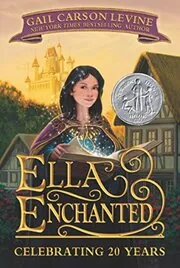
Ella Enchanted
by Gail Carson Levine
1997
Ella has been cursed with obedience since birth, so every command is dangerous. Smart, angry, and determined, she sets out to break the spell and claim a life that belongs to her, not everyone else's.
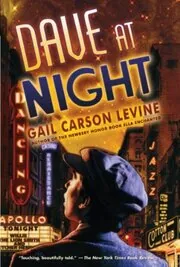
Dave at Night
by Gail Carson Levine
1999
After his father's death, Dave is sent to a strict orphanage in Harlem and refuses to believe that is the end of his story. By night he finds jazz, strange friends, and the possibility of belonging.
Princess Sonora and the Long Sleep
by Gail Carson Levine
1999
Princess Sonora understands from the start that a fairy's curse is waiting for her, and she tries to outthink it. This playful Sleeping Beauty retelling pits brains, timing, and stubbornness against fate.
The Fairy's Mistake
by Gail Carson Levine
1999
Rosella's kindness earns her jewels with every word, while rude Myrtle winds up spitting bugs and snakes. Then a greedy prince and a delighted bully throw the fairy Ethelinda's neat idea of justice into chaos.

The Princess Test
by Gail Carson Levine
1999
Lost, soaked, and sneezing, Lorelei stumbles into a royal contest meant to identify a true princess. Levine has fun with the absurd rules while asking whether love, class, or common sense should decide a marriage.
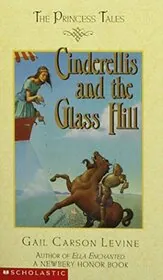
Cinderellis and the Glass Hill
by Gail Carson Levine
2000
Ellis, mocked as Cinderellis by his brothers, uses magic powders to chase an impossible future with Princess Marigold. Levine turns Cinderella sideways, swapping slippers for a boy hero with patience, kindness, and determination.
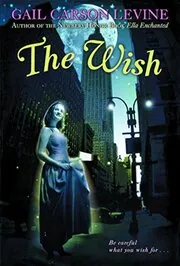
The Wish
by Gail Carson Levine
2000
Wilma Sturtz is tired of being invisible at school, so a strange old woman grants her wish for popularity. What follows is funny at first, then painfully complicated, as Wilma learns how unstable being liked can be.
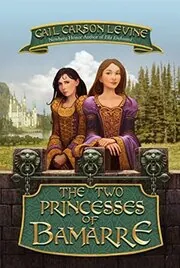
The Two Princesses of Bamarre
by Gail Carson Levine
2001
Timid Addie has always depended on her bold sister, Meryl, until Meryl falls ill with the Gray Death. To save her, Addie must cross monster-filled Bamarre and discover courage she never believed she had.
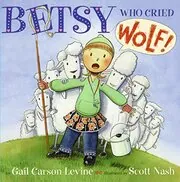
Betsy Who Cried Wolf
by Gail Carson Levine
2002
Betsy is a sensible young shepherd who does not lie, which makes it especially maddening when a very clever wolf starts trouble. Levine flips the old fable into a comic battle between honesty and trickery.
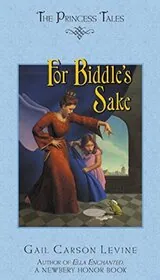
For Biddle's Sake
by Gail Carson Levine
2002
Parsley, a girl with a taste for nothing but parsley, becomes tangled with the troublemaking fairy Bombina and the politics of Biddle Castle. Toad magic, mixed-up princes, and a good-hearted hero keep this retelling lively.
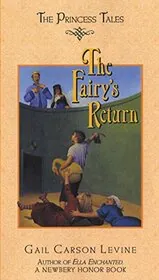
The Fairy's Return
by Gail Carson Levine
2002
Robin and Princess Lark fall for each other fast, which would be simple if kings, betrothals, nonsense-speaking brothers, and Ethelinda stayed out of the way. Levine turns The Golden Goose into a bright, comic mess.
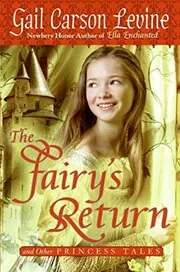
The Fairy's Return and Other Princess Tales
by Gail Carson Levine
2002
This collection gathers all six Princess Tales in one volume, from jewel-spilling rewards to sleeping curses and impossible royal tests. It is a fast, funny set of fractured fairy tales full of clever twists.
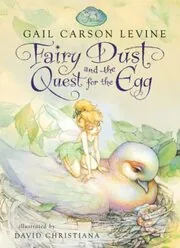
Fairy Dust and the Quest for the Egg
by Gail Carson Levine
2005
New fairy Prilla does not fit in, and no one is sure what her talent is. When storms, pirates, mermaids, and the dragon Kyto threaten Mother Dove's egg, she gets her chance to prove herself.
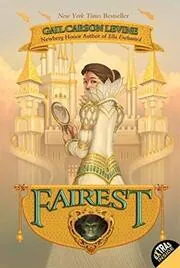
Fairest
by Gail Carson Levine
2006
Aza grows up feeling ugly in a kingdom where beauty and singing matter a great deal, even though her voice is extraordinary. When a vain queen and a magical mirror pull her into court, she must fight for her own worth.
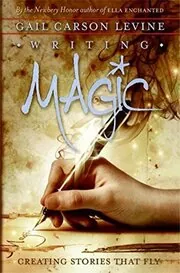
Writing Magic
by Gail Carson Levine
2006
This friendly craft guide breaks storytelling into usable pieces, from ideas and openings to dialogue and revision. Levine writes for young authors, but her prompts and plainspoken advice help anyone trying to tell a story.
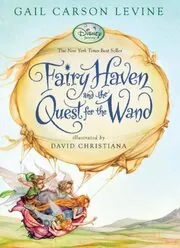
Fairy Haven and the Quest for the Wand
by Gail Carson Levine
2007
A furious mermaid sends a flood toward Fairy Haven, and water fairy Rani must find a wand before home is washed away. Wishes, magic, and rising water make this sequel both playful and tense.
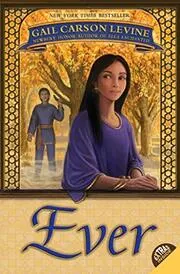
Ever
by Gail Carson Levine
2008
Kezi, a mortal dancer and rug weaver, falls in love with Olus, the god of the winds, even as fate points her toward death. Their romance pushes both of them into a struggle against vows, gods, and destiny.
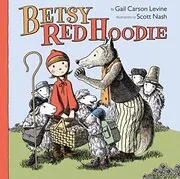
Betsy Red Hoodie
by Gail Carson Levine
2010
Betsy is finally trusted to bring cupcakes to Grandma on her own, with her sheep and her wolf friend Zimmo beside her. Levine turns Little Red Riding Hood into a brisk, funny test of loyalty and appetite.
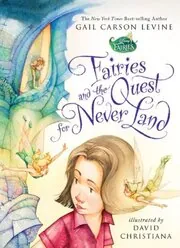
Fairies and the Quest for Never Land
by Gail Carson Levine
2010
Gwendolyn longs to see fairies, and a family heirloom tied to Peter Pan finally carries her to Never Land. But when the dragon Kyto escapes, wonder gives way to a high-stakes fight to save Fairy Haven.
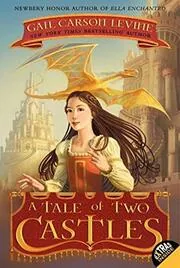
A Tale of Two Castles
by Gail Carson Levine
2011
Elodie comes to Two Castles hoping to become an actress, but ends up working for a sharp-tongued dragon detective. Sent undercover into an ogre's castle, she finds friendship, danger, and a murder mystery to solve.

Forgive Me, I Meant to Do It
by Gail Carson Levine
2012
Levine turns the mock-apology poem into a gleeful collection of bad intentions, fairy-tale troublemakers, and dark jokes. It is playful, a little wicked, and best enjoyed by readers who like their humor with teeth.
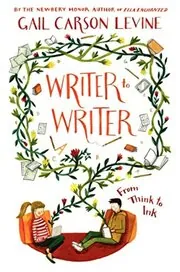
Writer to Writer
by Gail Carson Levine
2014
Levine follows Writing Magic with more practical advice on character, plot, poetry, and revision. Drawn largely from her long-running blog, it feels like a thoughtful craft talk with prompts built in.
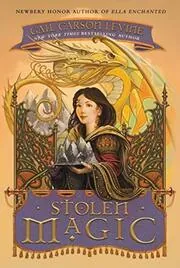
Stolen Magic
by Gail Carson Levine
2015
Elodie returns to her home island with dragon detective Meenore and Count Jonty Um, only to face a theft with volcanic consequences. This sequel blends fantasy, clues, and friendship with a bigger mystery than before.

Transient
by Gail Carson Levine
2016
This adult poetry collection moves through grief, memory, anger, dark humor, and flashes of wonder. Levine blends everyday life with myth and sharp observation, making ordinary moments feel newly strange and intimate.
The Lost Kingdom of Bamarre
by Gail Carson Levine
2017
Raised to despise the Bamarre, Perry learns she is one of them and must choose between the world that formed her and the people she was taught to hate. The prequel adds war, prejudice, and rebellion to Bamarre's history.
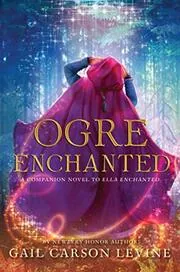
Ogre Enchanted
by Gail Carson Levine
2018
Evie would rather heal people than marry, until Lucinda turns her into an ogre and gives her a deadline to accept a proposal. The curse pushes her into a funny, uneasy story about love, pride, and seeing past appearances.
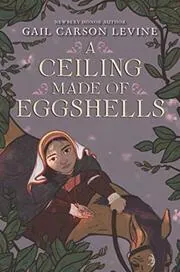
A Ceiling Made of Eggshells
by Gail Carson Levine
2020
In late fifteenth-century Spain, young Paloma, called Loma, travels with her powerful grandfather as danger closes around their Jewish community. It is a deeply personal historical novel about family, faith, and growing up under constant threat.
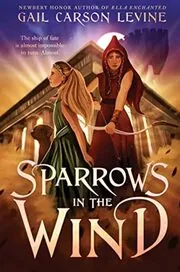
Sparrows in the Wind
by Gail Carson Levine
2022
Cassandra, princess of Troy, receives prophecy from Apollo, then learns no one will ever believe her. As war closes in, she keeps fighting to save her city, her family, and her own sense of hope.
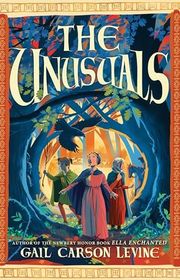
The Unusuals
by Gail Carson Levine
2026
Three unlikely friends in medieval Winchester investigate the murders of two women close to them. Convinced another grandmother is in danger, they devise a risky plan for justice despite the prejudice and disbelief surrounding their friendship.
Where to start with Gail Carson Levine
If you want the classic fairy-tale retelling: Ella Enchanted → Fairest → Ogre Enchanted
If you want a brave, quest-heavy fantasy: The Two Princesses of Bamarre → The Lost Kingdom of Bamarre
If you like mystery with magical creatures: A Tale of Two Castles → Stolen Magic
If you want short fractured fairy tales: The Fairy's Return and Other Princess Tales
If you want writing advice straight from Levine: Writing Magic → Writer to Writer
Gail Carson Levine sub-series and character series
A Tale of Two Castles books in order
Explore this seriesA Tale of Two Castles books in chronological order
Gail Carson Levine collections, short stories, and related book types
Poetry Collections
Picture Books
Non-Fiction
Standalone Gail Carson Levine books
Author bio
Gail Carson Levine grew up in Washington Heights, in upper Manhattan, in a family where art and stories were ordinary parts of life. Her father owned a commercial art studio. Her mother taught and wrote plays for students to perform. She read constantly, loved climbing the rocks near the Hudson, and started writing stories and poems in school long before she thought of becoming an author.
Books came first.
As a child she especially loved Peter Pan, along with writers like L. M. Montgomery and Louisa May Alcott. She also thought seriously about acting and painting. In high school she performed in plays, and some of her poems appeared in a student anthology. Writing was something she did, but not yet something she imagined as a career.
Her path took a detour through philosophy. She attended Antioch College and later City College of New York, where she studied philosophy and met her husband, David. After college she worked for New York State government for twenty-seven years, much of that time in welfare and job placement work. By her own account, helping people find jobs was one of the most satisfying parts of that chapter of her life.
The writing life arrived late, and stuck.
In the 1970s she wrote the script for a children's musical, Spacenapped, while David wrote the music and lyrics. She painted, took classes, and kept looking for the right creative outlet. Then a class in writing and illustrating for children changed things. She realized she enjoyed the writing far more than the drawing, began taking it seriously in 1987, joined critique groups, and kept going through nine years of rejection.
That long apprenticeship matters.
When Ella Enchanted was accepted and published in 1997, Levine was nearly fifty. The book won a Newbery Honor in 1998 and gave her a much bigger readership, but it also revealed what she was especially good at: taking old tale shapes and making them feel immediate, funny, and emotionally practical. Her Cinderella becomes a girl cursed with obedience. Suddenly the old story makes fresh sense.
She kept pushing in different directions. The Two Princesses of Bamarre turns fear into the engine of a quest. Fairest revisits the wider Ella Enchanted world through songs, beauty, and self-doubt. A Tale of Two Castles mixes fantasy with mystery and gives readers a dragon detective and a would-be actress named Elodie. Dave at Night, inspired by her father's childhood in the Hebrew Orphan Asylum, shows another side of her work entirely, historical fiction with no fantasy at all.
Later books widened the range again. A Ceiling Made of Eggshells draws on Sephardic Jewish history in late fifteenth-century Spain, and Writing Magic plus Writer to Writer turn her years of practice into direct advice for young authors. Readers tend to come to Levine for the magic, but they stay for the way her characters think their way through trouble. Her heroines are often brave, or become brave, but they are rarely fearless. They worry, make mistakes, feel left out, and keep moving.
Across the shelf, her stories return to a few steady interests: freedom, kindness, self-respect, family pressure, and the odd gap between how someone looks and who they are. Fairies meddle. Ogres surprise people. Girls who seem powerless usually are not. Even when the setting is full of castles or mythical beasts, the emotions are plain and recognizable.
These days Levine still writes, teaches young writers, and spends time with poetry as well as prose. She has answered years of reader questions about craft and seems genuinely interested in how stories work sentence by sentence. It fits. After building her own career the long way, she became the sort of writer who leaves the map out on the table for whoever comes next.


Edited by
Software engineer whose passion for tracking book recommendations from podcasts inspired the creation of MRB.
Lead investor at 3one4 Capital whose startup expertise and love for books helped shape MRB and its growth.
Comments
Did we miss something? Have feedback?
Help us improve this page by sharing your thoughts