
Milan Kundera Books in Order
Milan Kundera is a series of 16 books written by Milan Kundera.
Here, you can see them all in order! (publication year included)
Last updated: 15 new books added
As an Amazon Associate, we earn from qualifying purchases (at no extra cost to you).
Milan Kundera books in publication order
16 books
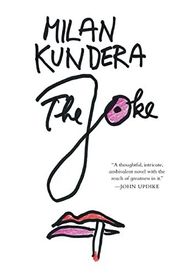
The Joke
by Milan Kundera
1967
Thwarted love and an attempted act of revenge unfold against the political pressures of Czechoslovak life. Multiple perspectives complicate personal motives, exposing the distance between intended actions, public consequences, and the meanings people assign to their past.
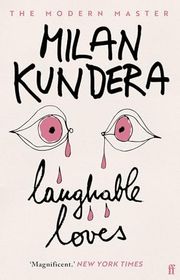
Laughable Loves
by Milan Kundera
1970
Seven stories explore desire, seduction, and the games people play with themselves and others. False identities, revived affairs, obsessive pursuits, and religious pretenses turn private romantic encounters into comic examinations of self-deception and emotional cruelty.
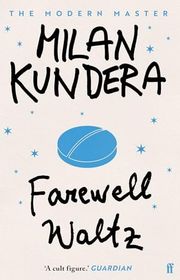
Farewell Waltz
by Milan Kundera
1971
A celebrated jazz trumpeter learns that a nurse with whom he spent one night is pregnant and identifies him as the father. Over five increasingly chaotic days, the claim sets a comedy of intertwined personal consequences in motion.
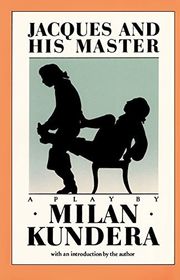
Jacques and His Master
by Milan Kundera
1971
Kundera transforms Diderot's Jacques the Fatalist into a three-act play, offering an independent theatrical variation on the earlier novel. His homage explores the source through a comic dramatic form rather than a straightforward stage transcription.
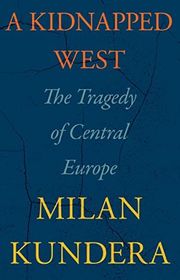
A Kidnapped West
by Milan Kundera
1983
Two essays defend the cultural identities of Europe's smaller nations against domination and neglect. Kundera considers literature, language, Soviet power, and Western indifference while asking what remains of a nation when its culture is threatened.
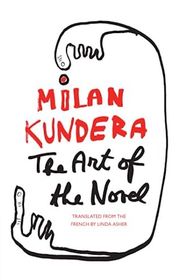
The Art of the Novel
by Milan Kundera
1986
Kundera reflects on the novel's history, construction, and distinctive ways of understanding existence. Drawing on his own fiction and writers from Cervantes to Kafka, he considers character, historical events, and the possibilities of the form.
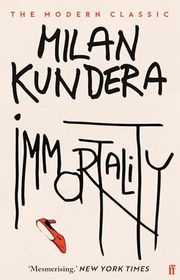
Immortality
by Milan Kundera
1990
A woman's casual gesture toward her swimming instructor inspires a writer to invent Agnes. From that moment, the novel explores the relationship between imagined lives, fascination, and the enduring human questions that fiction seeks to illuminate.
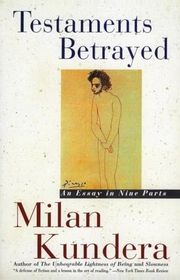
Testaments Betrayed
by Milan Kundera
1993
A nine-part essay considers how artists' intentions are distorted by critics, translators, and admirers. Returning to figures from literature and music, Kundera defends the independence of the artwork and the respect owed to its creator's choices.
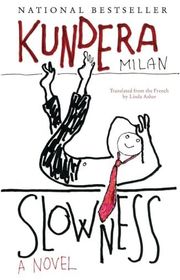
Slowness
by Milan Kundera
1995
Two stories of seduction, separated by centuries, unfold across a midsummer night. Their interplay becomes a reflection on pleasure, memory, speed, and the hunger to be seen, contrasting intimate experience with life treated as public performance.
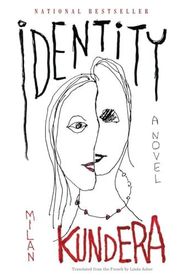
Identity
by Milan Kundera
1997
A momentary failure to recognize a loved companion unsettles a couple's sense of themselves and each other. Confusion develops into a chain of events that blurs fantasy and reality while exploring the vulnerability beneath romantic intimacy.
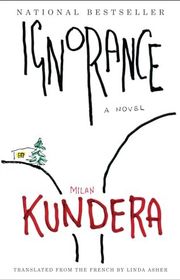
Ignorance
by Milan Kundera
2000
Two exiles meet while returning to Prague after twenty years away and revisit a connection interrupted by history. Their differing memories reveal how absence transforms both personal identity and the past they assumed they shared.
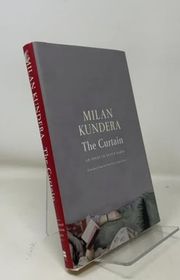
The Curtain
by Milan Kundera
2005
Kundera argues that novels can tear through inherited assumptions to reveal unfamiliar aspects of existence. His reflections connect literary history with the form's capacity to cross national boundaries and challenge the ready-made interpretations through which people view the world.
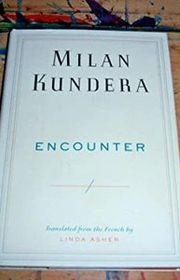
Encounter
by Milan Kundera
2009
Reflections on literature, film, music, and civilization revisit the artists and questions central to Kundera's work. Encounters with figures including Rabelais, Fellini, and Janáček become occasions to consider artistic value, morality, and cultural change.
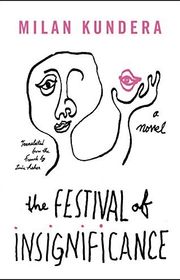
The Festival of Insignificance
by Milan Kundera
2013
A deliberately playful novel approaches serious questions through comedy, digression, and a refusal of conventional realism. Kundera explores the place of humor and insignificance in contemporary life while bringing together concerns that recur throughout his fiction.
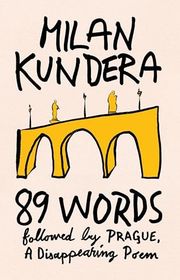
89 Words followed by Prague, A Disappearing Poem
by Milan Kundera
2025
A personal dictionary and a meditation on Prague explore exile, translation, and cultural identity. Kundera examines the distortions language can suffer in another writer's hands and the threatened inheritance of the small nation that shaped his work.

The Book of Laughter and Forgetting
by Milan Kundera
Interwoven stories follow people trying to retrieve letters, preserve memories, navigate desire, and begin new lives. Milan Kundera connects intimate experiences with reflections on forgetting, laughter, displacement, and the pressures of political history.
Recommended by
2 people Tim Ferriss recommended this book
Tim Ferriss
"A tremendous work." - Tim Ferriss
Tim Ferriss's recommendation of this book  Shashi Tharoor recommended this book
Shashi Tharoor
"A moving, evocative experience of East European history, informed by a rare insight into humanity." - Shashi Tharoor
Shashi Tharoor's recommendation of this book










Edited by
Software engineer whose passion for tracking book recommendations from podcasts inspired the creation of MRB.
Lead investor at 3one4 Capital whose startup expertise and love for books helped shape MRB and its growth.
Comments
Spotted a missing book, a wrong order or a mistake? Tell us and we'll fix this page.
We're a reading guide, not the author or publisher, so we can't send books or pass on messages.