
Maples Stories Books in Order
Part ofJohn Updike Books in OrderBrowse the Maples Stories by John Updike in order, with short summaries, series background, and guidance on where to start with Richard and Joan.
Last updated:
As an Amazon Associate, we earn from qualifying purchases (at no extra cost to you).
Maples Stories books in publication order
2 books
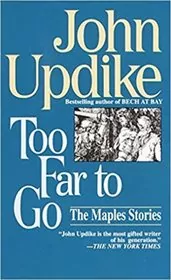
Too Far to Go
by John Updike
1979
This sequence of linked stories follows Richard and Joan Maple from early marriage toward separation and divorce. Updike makes domestic life feel both painfully ordinary and quietly momentous.
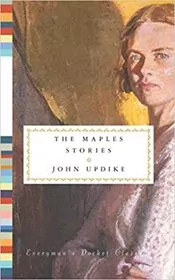
The Maples Stories
by John Updike
1980
Gathered together, the Richard and Joan Maple stories read like a broken marriage told in snapshots. The result is intimate, sad, and unusually sharp about what time does to love.
Maples Stories books in chronological order
Series background & context
The Maples stories follow Richard and Joan Maple across years of marriage, estrangement, and aftermath. They begin when the couple are young and still learning how to live together, and they keep returning as the shape of the marriage changes, sometimes gradually, sometimes all at once. If you like fiction that stays close to ordinary life, dinner tables, apartments, small betrayals, children in the next room, travel plans, legal papers, this is Updike working in a tight and intimate register.
The books tied to this sequence, especially Too Far to Go and the later gathering The Maples Stories, collect linked stories rather than chapters of a single novel. That matters. Each piece catches Richard and Joan at one moment: a move, a quarrel, a flirtation, a confession, a separation, a reunion that is not really a reunion. Read one story by itself and you get a sharp snapshot. Read them in order and you watch a marriage age.
Nothing explodes in melodramatic fashion. That is part of the point.
Richard and Joan are not adventurers or detectives or people at the center of public history. They are educated, middle-class adults trying, and often failing, to be decent to each other while still following their own desires. Their children, friends, lovers, and houses all matter because domestic life is the battlefield here. Updike notices who makes the drink, who says too much in the car, who stands a little too close at a party. The pressure builds through details.
The setting shifts from city apartments to New England suburbs and vacation spots, but the emotional weather stays recognizable: longing, boredom, vanity, tenderness, resentment, embarrassment, and the odd comedy of talking past the person you know best. Updike keeps both sides visible. Richard can be selfish and blind. Joan can be distant, wounded, and suddenly decisive. Neither is simplified into saint or villain.
There is also a formal pleasure in seeing how much time can fit inside short fiction. A story may cover a single evening, yet carry years of history inside a gesture or a line of dialogue. That is one reason readers often come away feeling they know the Maples as well as characters from much longer books.
If you are wondering about tone, think quietly sad rather than bleak, sharp rather than flashy. These stories are among Updike's clearest looks at marriage as a long, changing negotiation between intimacy and loneliness. They are good to start with if you want his eye for the everyday without committing to a full novel, and they become even richer when you read the whole sequence as one broken, continuous love story.





Edited by
Software engineer whose passion for tracking book recommendations from podcasts inspired the creation of MRB.
Lead investor at 3one4 Capital whose startup expertise and love for books helped shape MRB and its growth.
Comments
Did we miss something? Have feedback?
Help us improve this page by sharing your thoughts