
John Updike Books in Order
Explore John Updike books in order, with quick summaries, series guides, and easy suggestions on where to start with Rabbit, Bech, Eastwick, and more.
Last updated:
As an Amazon Associate, we earn from qualifying purchases (at no extra cost to you).
John Updike books in publication order
86 books
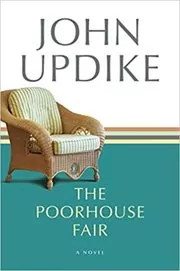
The Poorhouse Fair
by John Updike
1958
At the Diamond County Home for the Aged, the residents prepare for their yearly fair, a cheerful ritual that slowly turns tense. Updike uses one summer day to look hard at age, dignity, and the clash between order and rebellion.
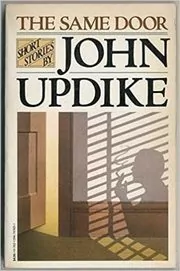
The Same Door
by John Updike
1959
Updike's first short story collection gathers early pieces about young couples, small-town families, and sudden moments of self-recognition. The stories are quiet on the surface, but full of longing, wit, and unease.
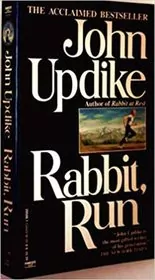
Rabbit, Run
by John Updike
1960
Harry Angstrom, a onetime high school basketball star, impulsively abandons his wife and child and keeps trying to outrun responsibility. What follows is a restless, intimate portrait of desire, guilt, and a man who cannot stay put.
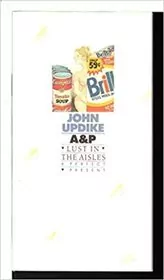
A&P
by John Updike
1961
Teenage cashier Sammy watches three girls walk into his grocery store in bathing suits and turns a small scene into a private rebellion. The story is quick, funny, and sharp about class, desire, and the cost of impulsive gestures.
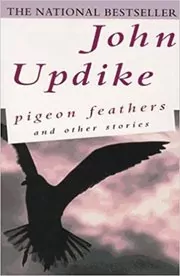
Pigeon Feathers
by John Updike
1961
This early story collection brings together some of Updike's best-known short fiction, including the title story about a boy's fear of death. It is full of adolescence, faith, embarrassment, and sudden flashes of beauty.
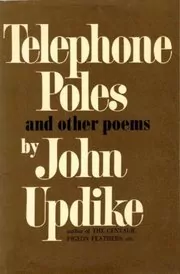
Telephone Poles
by John Updike
1963
This poetry collection finds Updike looking at roadsides, houses, weather, bodies, and belief with comic precision. The poems feel light on their feet, but they keep touching deeper nerves.
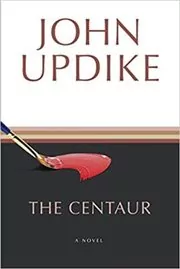
The Centaur
by John Updike
1963
A weary Pennsylvania schoolteacher and his teenage son move through a few winter days that echo the myth of Chiron and Prometheus. It is a tender, strange novel about fathers, sons, sacrifice, and ordinary heroism.
Magic Flute
by John Updike
1964
A children's retelling of Mozart's opera, this book turns *The Magic Flute* into a clear, storybook adventure. Updike keeps the fairy-tale wonder while making the plot easy for younger readers to follow.
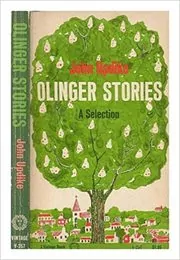
Olinger Stories
by John Updike
1964
These linked stories return to Olinger, Updike's fictional version of small-town Pennsylvania. They follow boys and young men through family life, sexual awakening, religious doubt, and the ache of wanting a larger world.

A Child's Calendar
by John Updike
1965
Twelve poems, one for each month, give the year a child's-eye shape full of weather, holidays, and small seasonal pleasures. It is gentle, musical, and made to be read aloud.
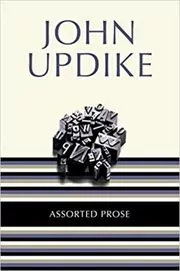
Assorted Prose
by John Updike
1965
A varied nonfiction collection of essays, sketches, reviews, and personal pieces from Updike's early career. It shows how easily he could move from literature to baseball to daily life without losing his eye for detail.
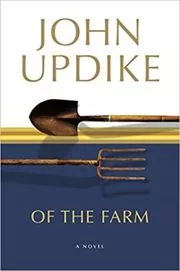
Of the Farm
by John Updike
1965
A divorced Manhattan ad man visits his widowed mother on her Pennsylvania farm with his new wife and stepson in tow. Over one weekend, old loyalties and fresh resentments turn a family visit into a tense reckoning.
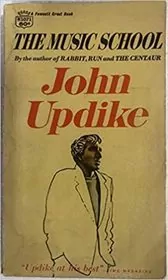
The Music School
by John Updike
1966
A strong short story collection about marriages under strain, brief affairs, artists, parents, and the private shocks hidden inside ordinary days. The title story alone shows how much tension Updike could fit into a small domestic scene.
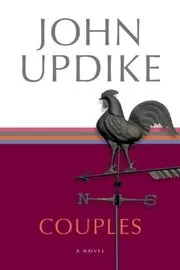
Couples
by John Updike
1968
In the Massachusetts town of Tarbox, a circle of suburban couples drift through partner-swapping, gossip, and emotional fallout. Updike turns one community's sex lives into a broader story about the 1960s and its moral confusion.
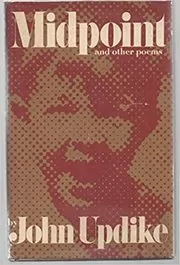
Midpoint
by John Updike
1969
A long autobiographical poem written around midlife, *Midpoint* looks back at childhood, marriage, work, art, and the odd business of becoming yourself. It is reflective, playful, and very personal.
The Dance of the Solids
by John Updike
1969
Updike's poems here move between domestic scenes, natural observation, memory, and mortality. The title hints at what he does so well, making the physical world feel alive and unsettled at once.
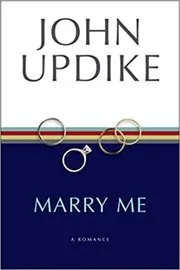
Marry Me
by John Updike
1971
Jerry Conant and Sally Mathias are having an affair and telling themselves they are meant for each other. Updike follows their dream of leaving their spouses and shows how love, vanity, and practical life pull in different directions.
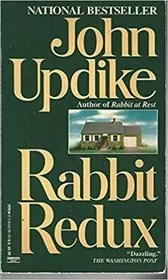
Rabbit Redux
by John Updike
1971
Ten years after *Rabbit, Run*, Harry Angstrom is older, heavier, and living through the upheaval of the late 1960s. When his home fills with unexpected guests, his shaky idea of order starts to come apart.
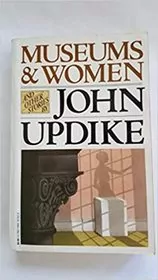
Museums and Women
by John Updike
1972
This story collection ranges across museums, bedrooms, family homes, and trips abroad. The pieces keep returning to sex, art, marriage, and the small humiliations people carry around with them.
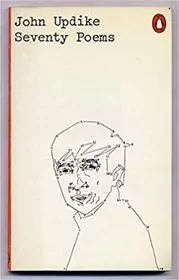
Seventy Poems
by John Updike
1972
A generous early selection of Updike's poems, witty and observant, about animals, weather, love, suburbs, and ordinary American objects. Even the lighter pieces have a sharp edge.
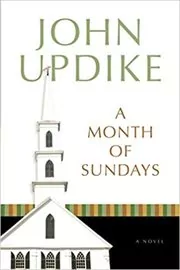
A Month of Sundays
by John Updike
1974
Disgraced minister Tom Marshfield is sent to a desert retreat, where he spends a month writing through lust, faith, guilt, and self-justification. The novel is comic, slippery, and much less pious than its clerical setting suggests.
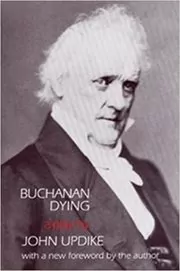
Buchanan Dying
by John Updike
1974
Updike's historical play imagines James Buchanan in his final illness, looking back on a failed presidency and a country already torn apart. It is intimate, talky, and haunted by public judgment.

C*nts
by John Updike
1974
A brief, provocative piece from Updike in which taboo language becomes the starting point for a darkly comic meditation on sex, embarrassment, and the limits of what polite culture will say aloud.
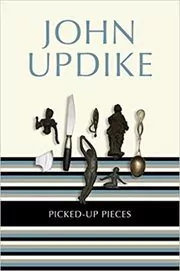
Picked-Up Pieces
by John Updike
1975
A lively collection of reviews, essays, and occasional writings on books, art, travel, religion, and public life. It shows Updike's range as a critic as well as his pleasure in the well-turned aside.
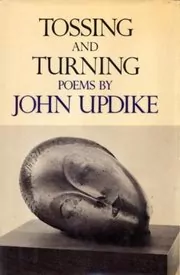
Tossing and Turning
by John Updike
1977
These poems are keyed to middle age, restless nights, marriage, memory, and the body refusing to stay simple. Updike's tone stays nimble even when the subjects grow heavier.
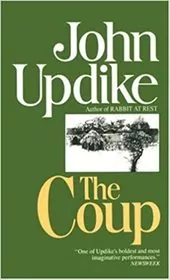
The Coup
by John Updike
1978
From exile, former dictator Hakim Felix Ellellou tells the story of his rise and fall in Kush, a fictional African state. The novel is political satire, memoir, and power struggle all at once.
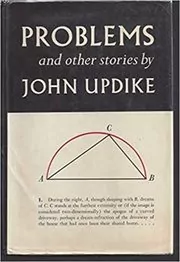
Problems
by John Updike
1979
A collection of short fiction about marital puzzles, adulterous geometry, aging, and the odd equations of modern life. Updike keeps the stories clever, but the emotions underneath are real.
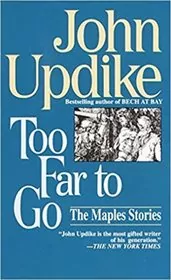
Too Far to Go
by John Updike
1979
This sequence of linked stories follows Richard and Joan Maple from early marriage toward separation and divorce. Updike makes domestic life feel both painfully ordinary and quietly momentous.
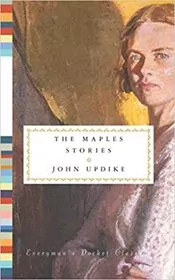
The Maples Stories
by John Updike
1980
Gathered together, the Richard and Joan Maple stories read like a broken marriage told in snapshots. The result is intimate, sad, and unusually sharp about what time does to love.
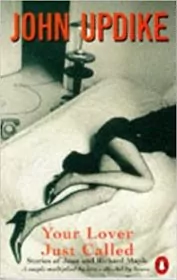
Your Lover Just Called
by John Updike
1980
This short story collection circles around jealousy, infidelity, suspicion, and the nerves of suburban life. The title alone captures the book's gift for turning a small disturbance into a whole emotional crisis.
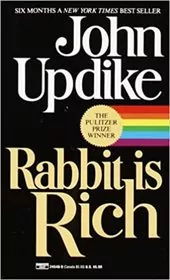
Rabbit Is Rich
by John Updike
1981
Rabbit has money now, running a Toyota dealership and living comfortably in Brewer, but prosperity brings no lasting peace. Family tension, especially around his son Nelson, keeps cracking the good life open.
The Valentine Generation
by John Updike
1981
A slim Updike selection centered on young love, marriage, and the hopeful unease of postwar adulthood. It offers an accessible way into the emotional weather of his early work.
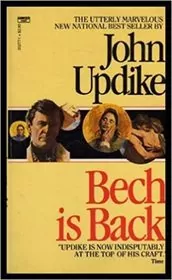
Bech Is Back
by John Updike
1982
Henry Bech returns older, no steadier, and still caught between literary fame and private drift. These linked stories are funny about prizes, readings, travel, and the weary business of being a writer.
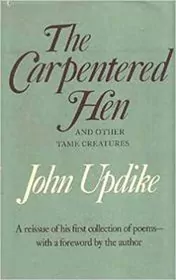
The Carpentered Hen
by John Updike
1982
Updike's first poetry collection is full of light verse, sharp jokes, and surprisingly exact feeling. It looks playful at first glance, but already shows the eye that would shape the rest of his work.
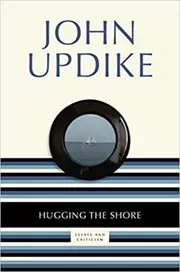
Hugging the Shore
by John Updike
1983
A large gathering of essays and reviews on writers, books, art, and culture, mostly from Updike's years as a critic. It is wide-ranging, readable, and full of alert judgments.
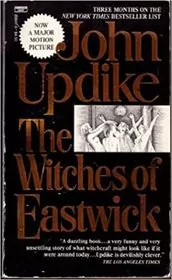
The Witches of Eastwick
by John Updike
1984
Three divorced women in a Rhode Island town discover their witchy powers just as the devilish Darryl Van Horne arrives. Updike mixes satire, sex, gossip, and dark magic with real bite.
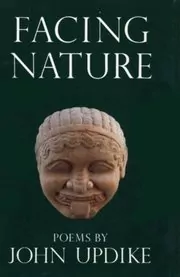
Facing Nature
by John Updike
1985
A poetry collection attentive to landscape, aging, daily ritual, and the body's place in the natural world. Updike stays exact and conversational even when he is writing about large subjects.
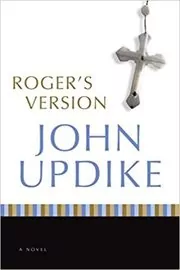
Roger's Version
by John Updike
1986
Theology professor Roger Lambert finds his settled unbelief challenged by a graduate student who thinks computers can prove God. Around that debate, Updike builds a tense story of marriage, lust, and intellectual vanity.
More Stately Mansions
by John Updike
1987
A standalone short story in which memory, marriage, and the pull of old ambitions gather around a house and the life imagined inside it. Updike makes nostalgia feel both tender and unsettling.
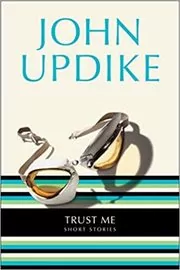
Trust Me
by John Updike
1987
These stories are bound together by broken promises, fragile family bonds, and the uneasy ways people depend on one another. Updike keeps the collection sharp, intimate, and quietly bruising.
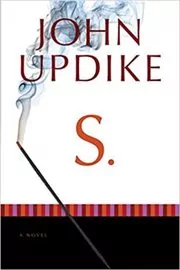
S.
by John Updike
1988
Sarah Worth leaves her polished Massachusetts life for an Arizona ashram and tells the story through letters and taped messages. The novel is funny, revealing, and alert to the gap between liberation and self-deception.
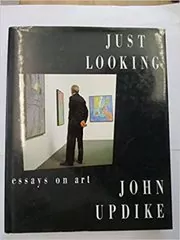
Just Looking
by John Updike
1989
A collection of art essays by a writer who loved museums, painters, and the act of close looking. Updike writes as an engaged observer rather than a specialist, which gives the book its warmth.
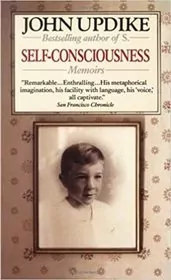
Self-Consciousness
by John Updike
1989
In a set of memoir essays, Updike writes plainly about psoriasis, stuttering, family, mortality, and the odd burden of living inside your own body. It is one of his most direct and personal books.
The Alligators
by John Updike
1989
A schoolboy joins in mocking a new girl until a strange dream changes how he sees her and himself. This slim story turns a childhood cruelty into a small, memorable awakening.
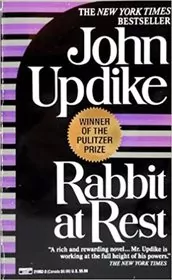
Rabbit at Rest
by John Updike
1990
Older now and troubled by his heart, Rabbit tries to coast on comfort, food, money, and habit. Instead he is pulled into family strain, old desires, and a final reckoning with time.
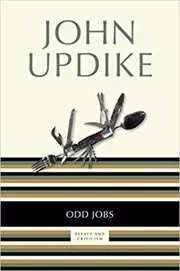
Odd Jobs
by John Updike
1991
A varied nonfiction collection of reviews, essays, speeches, and brief pieces on literature, religion, politics, and everyday American culture. It reads like a notebook kept by a very alert mind.
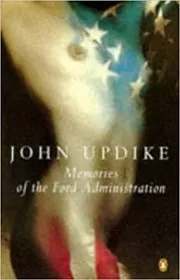
Memories of the Ford Administration
by John Updike
1992
Historian Alfred Clayton is asked to write about the Ford years and instead finds himself remembering his own chaotic sex life while researching James Buchanan. Updike turns the novel into a sly braid of public history and private disorder.
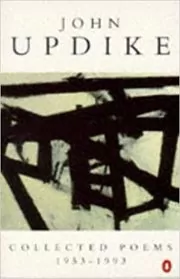
Collected Poems
by John Updike
1993
This large volume gathers decades of Updike's poetry, from light verse to meditations on aging and loss. It is the best single place to see how constant poetry was in his working life.
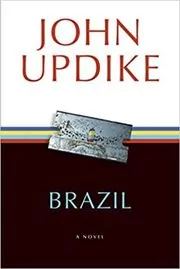
Brazil
by John Updike
1994
Updike retells the Tristan and Isolde legend in contemporary Brazil, where Tristao, a young man from the Rio slums, falls for Isabel, a wealthy white girl. Their love story moves through class, race, danger, and myth.
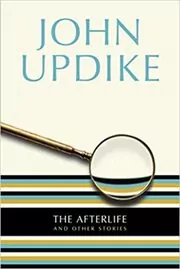
The Afterlife
by John Updike
1994
A later collection of stories about men and women moving past middle age into loss, memory, fresh desire, and the odd newness of old life. The mood is reflective without losing Updike's wit.
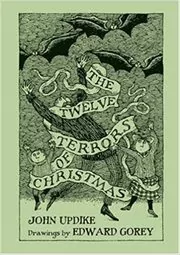
The Twelve Terrors of Christmas
by John Updike
1994
A darkly funny holiday piece that counts not gifts but the familiar stresses, nuisances, and little horrors of the season. It is festive, rueful, and much more amused than sentimental.

A Helpful Alphabet of Friendly Objects
by John Updike
1995
A playful alphabet book that pairs Updike's verse with familiar household objects. It is bright, clever, and unusually alert to the small things children love to notice.
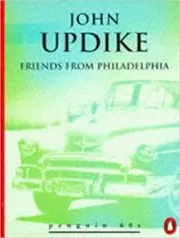
Friends from Philadelphia
by John Updike
1995
An early Updike selection built around stories of youth, class, family expectation, and the quiet tensions of postwar American life. The title piece was one of the stories that helped launch his career.
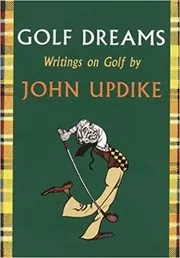
Golf Dreams
by John Updike
1996
A gathering of essays, stories, and reflections on golf, written by someone who knew the game's beauty and its humiliations equally well. Even non-golfers may enjoy the blend of obsession and comedy.
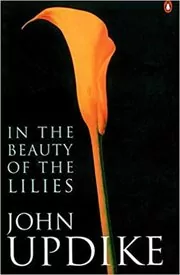
In the Beauty of the Lilies
by John Updike
1996
This sweeping multigenerational novel begins with a minister's loss of faith and follows an American family through the rise of the movies and the century they helped shape. It is one of Updike's broadest historical canvases.
Listening for God, Vol. 2
by John Updike, Anne Tyler, Tobias Wolff, Gail Godwin, Henry Louis Gates Jr., Kathleen Norris, Paula J. Carlson, Peter S. Hawkins, Carol Bly & Andrew Dubus
1996
Edited by Paula J. Carlson and Peter S. Hawkins, this reader pairs contemporary literary selections with author profiles and reflection questions. Volume 2 uses fiction and other writing by authors including Anne Tyler, John Updike, and Tobias Wolff to explore faith, spirituality, and religious experience.
Toward the End of Time
by John Updike
1997
In a near-future New England altered by nuclear war, retired financier Ben Turnbull keeps a troubled journal of desire, memory, and decay. The novel is strange, speculative, and full of end-of-life unease.
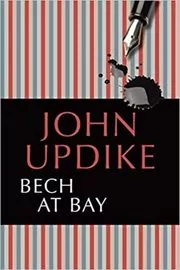
Bech at Bay
by John Updike
1998
Henry Bech enters late life still half-surprised by fame, sex, domesticity, and his own continued existence. The linked episodes are comic, melancholy, and very good on aging in public.
Bech: A Book
by John Updike
1999
Henry Bech, a blocked Jewish novelist from Manhattan, stumbles through literary celebrity, foreign travel, and private panic. These linked stories are comic, rueful, and very good on the absurdity of being a public writer.
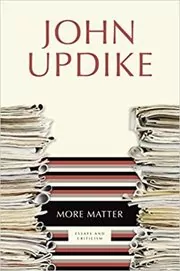
More Matter
by John Updike
1999
A massive collection of criticism and occasional prose, from introductions and reviews to speeches and personal essays. It shows how much thinking and craft Updike brought to nonfiction as well as fiction.
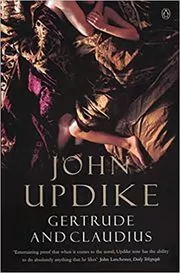
Gertrude and Claudius
by John Updike
2000
A prequel to *Hamlet*, this novel tells the story before the play, focusing on Gertrude, Claudius, and the old king. Updike turns familiar tragedy into court politics, desire, and slow-brewing betrayal.

Licks of Love
by John Updike
2000
These later stories are preoccupied with memory, loss, desire, and middle-aged aftermath. The book ends with *Rabbit Remembered*, a moving coda to the Rabbit saga focused on the family he left behind.
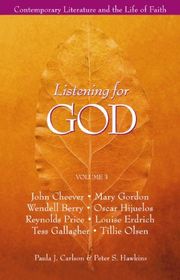
Listening for God, Vol. 3
by John Updike, Tillie Olsen, Wendell Berry, John Cheever, Louise Erdrich, Mary Gordon, Tess Gallagher, Reynolds Price, Oscar Hijuelos, Paula J. Carlson & Peter S. Hawkins
2000
Coedited by Paula J. Carlson and Peter S. Hawkins, this reader uses selected American literature to support small-group exploration of Christian faith. Readings by writers including Louise Erdrich, John Cheever, and Tillie Olsen invite discussion of discipleship and theology.
The Best American Short Stories of the Century
by John Updike, Cynthia Ozick, George Plimpton, Rosellen Brown & Philip Roth
2000
John Updike and Katrina Kenison select 55 stories published between 1915 and 1998 for this sweeping twentieth-century anthology. Arranged chronologically, it brings together canonical and less familiar American short fiction, including Philip Roth’s “Defender of the Faith.”
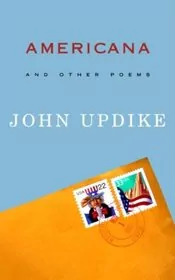
Americana
by John Updike
2001
A poetry collection attentive to travel, public life, memory, and the odd textures of being American. Updike's poems stay clear-eyed and exact even when the subject is national mood.
Seek My Face
by John Updike
2002
Elderly painter Hope Chafetz sits for an interview in her Vermont home and ends up telling the story of her art, marriages, and long career. It is a novel about looking, remembering, and the making of a public self.
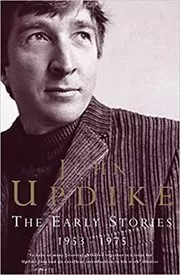
The Early Stories
by John Updike
2003
A major gathering of Updike's short fiction from 1953 to 1975, covering the years when his style was taking shape. It is the best way to see how broad and consistent his early story work was.
Villages
by John Updike
2004
Owen Mackenzie's life stretches from Depression-era Pennsylvania to Massachusetts retirement, with career success and repeated affairs in between. The novel tracks how desire and habit shape a whole life.
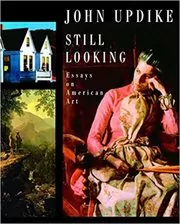
Still Looking
by John Updike
2005
A second collection of Updike's art writing, this time focused on American art. The essays are curious, personal, and excellent at turning museum-going into an act of attention rather than expertise.
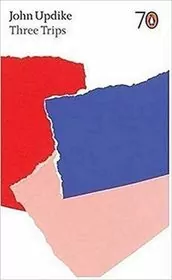
Three Trips
by John Updike
2005
A compact trio of travel stories in which tourists move through unfamiliar places while carrying their private loneliness with them. Updike is very good on the distance between seeing a place and belonging in it.
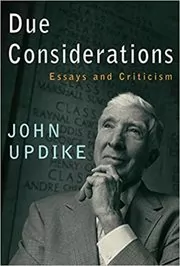
Due Considerations
by John Updike
2007
A broad essay collection on writers, books, art, politics, and culture, written late in Updike's career. It shows him as a critic who could be learned without losing clarity or ease.
Terrorist
by John Updike
2007
Ahmad Mulloy, a devout New Jersey teenager, is drawn toward an extremist plot as he searches for purity in a world he despises. Updike pairs his story with that of Jack Levy, the guidance counselor who tries to reach him.
The Women Who Got Away
by John Updike
2007
A later selection of stories about memory, desire, aging, and the people who linger in the mind long after the relationship has ended. The mood is rueful, sharp, and sometimes darkly funny.
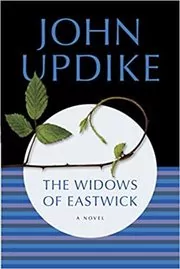
The Widows of Eastwick
by John Updike
2008
Thirty years after their wild Eastwick days, Alexandra, Jane, and Sukie are older, widowed, and drawn back into one another's orbit. The sequel keeps the wit and witchcraft, but adds age, memory, and regret.
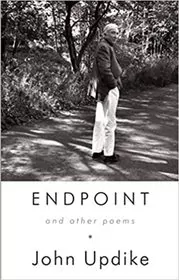
Endpoint
by John Updike
2009
A posthumous collection of late poems, many written close to Updike's death. The book faces mortality directly but keeps noticing the world with calm, formal care.
My Father's Tears
by John Updike
2009
This posthumous story collection returns to aging, illness, grief, and the long afterlife of family memory. Updike's late style is quieter here, but still exact and emotionally alert.

Hub Fans Bid Kid Adieu
by John Updike
2010
Updike's famous essay on Ted Williams's last game at Fenway Park is one of the classic pieces of American sportswriting. It is really a portrait of farewell, pride, and what a crowd sees in a legend.
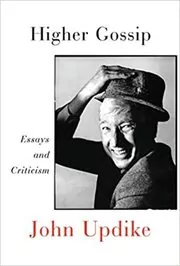
Higher Gossip
by John Updike
2011
A posthumous collection of essays and criticism from Updike's later years, including reviews, speeches, and introductions. It feels like a final tour through the things he loved arguing with and looking at.

Rich In Russia
by John Updike
2011
Henry Bech travels through the Soviet Union and briefly finds himself rich in unspendable rubles and literary attention. The story is sly Cold War comedy, but also a sharp look at fame and cultural displacement.
Always Looking
by John Updike
2012
This posthumous volume of art essays complements *Just Looking* and *Still Looking*. Updike moves across centuries of painting with the same gift for clear, personal attention.
Collected Early Stories
by John Updike
2013
This companion volume brings together the early short fiction that made Updike a major story writer. It captures his Pennsylvania roots, his young married couples, and his gift for the charged ordinary.
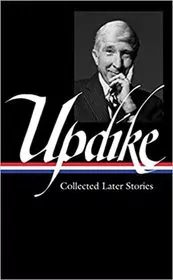
Collected Later Stories
by John Updike
2013
A large-volume gathering of Updike's later short fiction, rich in stories about aging, marriage, memory, and disappointed desire. It shows how strong the form remained for him late in life.
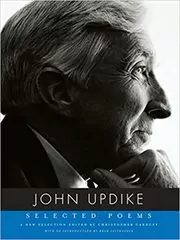
Selected Poems
by John Updike
2015
A curated selection from across Updike's poetry, bringing together the witty, the tender, and the meditative. It is a good one-volume introduction to the poetic side of his work.
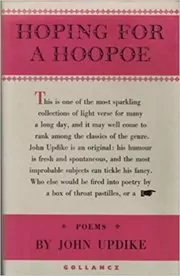
Hoping for a Hoopoe
by John Updike
2020
The British edition of Updike's first poetry collection, this book offers the same quick eye and playful intelligence found in *The Carpentered Hen*. It is light verse with real precision underneath.
In Love with a Wanton
by John Updike
2020
A finely printed gathering of golf essays in which Updike writes about the game as frustration, pleasure, vanity, and ritual. Even in miniature, his prose stays nimble and amused.
The Collected Stories
by John Updike
This two-volume set gathers 186 stories spanning John Updike's career, from youthful sketches of Pennsylvania life to later reflections on aging. Arranged by composition, the stories explore family, desire, faith and the changing texture of everyday life.
Recommended by
1 person Ann Patchett recommended this book
Ann Patchett
Ann Patchett recommended this book on the Parnassus Books website.
Ann Patchett's recommendation of this book
Where to start with John Updike
If you want the big American life story: Rabbit, Run → Rabbit Redux → Rabbit Is Rich → Rabbit at Rest
If you want his best short fiction first: Pigeon Feathers → The Music School → The Early Stories
If you want something sly and supernatural: The Witches of Eastwick → The Widows of Eastwick
If you want marriage, suburbia, and moral messiness: Couples → Marry Me → The Maples Stories
If you want a later standalone novel: In the Beauty of the Lilies → Seek My Face → Terrorist
John Updike sub-series and character series
Scarlet Letter Trilogy books in order
Explore this seriesScarlet Letter Trilogy books in chronological order
John Updike collections, short stories, and related book types
Short Stories
Short Story Collections
Picture Books
Non-Fiction
Poetry Collections
Standalone John Updike books


by John Updike, Anne Tyler, Tobias Wolff, Gail Godwin, Henry Louis Gates Jr., Kathleen Norris, Paula J. Carlson, Peter S. Hawkins, Carol Bly & Andrew Dubus
1996
by John Updike, Tillie Olsen, Wendell Berry, John Cheever, Louise Erdrich, Mary Gordon, Tess Gallagher, Reynolds Price, Oscar Hijuelos, Paula J. Carlson & Peter S. Hawkins
2000
The Best American Short Stories of the Century
by John Updike, Cynthia Ozick, George Plimpton, Rosellen Brown & Philip Roth
2000


Author bio
John Updike was born on March 18, 1932, in Reading, Pennsylvania, and grew up first in Shillington and later on his mother's family farm in nearby Plowville. His father taught math at the local high school. His mother, Linda Grace Hoyer Updike, wanted to be a writer, and that mix of small-town routine, family ambition, and Pennsylvania memory stayed in his work for the rest of his life.
He first thought he might become a cartoonist.
At Harvard, he studied English, edited the Harvard Lampoon, and graduated in 1954. He then spent a year at the Ruskin School of Drawing and Fine Art in Oxford, still half-aiming at art, before the writing side of things pulled ahead. By his mid-twenties he was publishing poems and stories and had begun his long association with The New Yorker.
In 1957 he left New York with his growing family and settled in Ipswich, Massachusetts. That move mattered. Away from the city, he built the steady working life that produced novel after novel, story after story, along with poems, essays, reviews, children's books, and art criticism.
The book that changed his place in American fiction was Rabbit, Run, the first novel about Harry Angstrom, known as Rabbit, a former high school basketball star who keeps trying to outrun ordinary life. Updike returned to Rabbit across four novels, and Rabbit Is Rich and Rabbit at Rest each won the Pulitzer Prize. Readers who like the series usually like its long view of one man aging through the second half of the twentieth century.
He could be funny, too.
That lighter, sharper side shows up in the Henry Bech books, which follow a blocked Jewish novelist through literary fame, bad travel, and private panic. In The Witches of Eastwick, he turned to comic fantasy without losing his interest in sex, power, gossip, and small-town pressure. In The Centaur, he wrote movingly about fathers and sons, drawing on Pennsylvania school life and classical myth at the same time.
Short stories were never a side job for him. Pieces such as A&P and the stories gathered in Pigeon Feathers, The Music School, and later The Early Stories show how good he was at catching a life in a few pages: a teenage cashier's split-second rebellion, a boy's fear of death, a marriage that looks solid until it doesn't. Again and again, he wrote about faith, desire, embarrassment, aging, and the stubborn details of American daily life.
His personal life was less tidy than his sentences. He married Mary Pennington in 1953, had four children, and later divorced; in 1977 he married Martha Ruggles Bernhard, with whom he lived for the rest of his life in Massachusetts. He kept writing almost to the end, publishing late books like Terrorist, The Widows of Eastwick, and the poems gathered in Endpoint.
Updike died on January 27, 2009, in Danvers, Massachusetts, at seventy-six. What remains is an unusually broad body of work, novels, stories, poems, criticism, memoir, and books for children, all marked by his habit of looking very closely at ordinary people and the things they carry around inside them.
Edited by
Software engineer whose passion for tracking book recommendations from podcasts inspired the creation of MRB.
Lead investor at 3one4 Capital whose startup expertise and love for books helped shape MRB and its growth.
Comments
Did we miss something? Have feedback?
Help us improve this page by sharing your thoughts