
Joseph Telushkin Books in Order
Browse Joseph Telushkin books in order, with quick summaries, a readable author bio, and where-to-start tips for his Judaism, ethics, history, and mystery titles.
Last updated:
As an Amazon Associate, we earn from qualifying purchases (at no extra cost to you).
Joseph Telushkin books in publication order
20 books
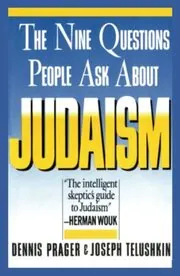
Nine Questions People Ask About Judaism
by Joseph Telushkin
1981
Written with Dennis Prager, this classic guide answers common questions about God, Jewish identity, practice, suffering, and belief. It is aimed at skeptical or searching readers who want a clear, direct introduction to Judaism.
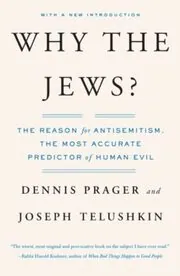
Why the Jews?
by Joseph Telushkin
1983
Telushkin and Dennis Prager examine why Jews have been singled out for hatred across different times and places. The book approaches antisemitism through history, theology, peoplehood, and the uneasy reactions Jewish distinctiveness can provoke.
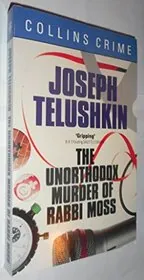
The Unorthodox Murder Of Rabbi Moss
by Joseph Telushkin
1986
In the first Rabbi Daniel Winter mystery, a controversial female rabbi is killed and Winter finds himself uncomfortably close to the case. His search for the murderer pulls him into Los Angeles politics, theology, and very personal danger.
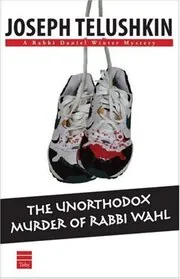
The Unorthodox Murder of Rabbi Wahl
by Joseph Telushkin
1987
After a heated radio appearance, outspoken Rabbi Myrna Wahl is killed and Daniel Winter becomes a prime suspect. To clear his name, he has to navigate public controversy, hidden enemies, and a case that keeps circling back to him.
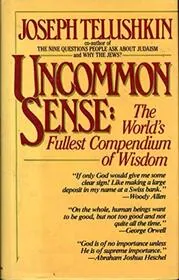
Uncommon Sense
by Joseph Telushkin
1987
This early collection gathers quotations, anecdotes, and sharp observations into a browseable book of practical wisdom. Telushkin mixes humor and seriousness, pushing readers past clichés toward harder, more interesting ways of thinking.
The Final Analysis of Dr. Stark
by Joseph Telushkin
1988
When a psychiatrist whose clients include Los Angeles power players is found brutally murdered, Rabbi Daniel Winter starts asking questions. Missing records, private secrets, and a polished public image make this mystery especially tricky.
An Eye for an Eye
by Joseph Telushkin
1991
A killing tied to an old crime sends Rabbi Daniel Winter into a case shaped by grief, revenge, and the limits of the justice system. As suspicion falls on the wrong man, Winter tries to defend him and find the truth.
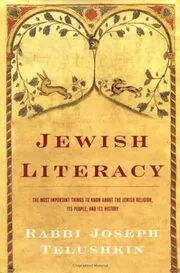
Jewish Literacy
by Joseph Telushkin
1991
One of Telushkin's best-known books, this is a large, readable primer on Jewish religion, history, people, and practice. Its short entries make it easy to browse, study, or use as a trusted starting point.
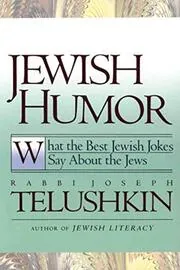
Jewish Humor
by Joseph Telushkin
1992
Telushkin uses jokes as a way into Jewish history, family life, faith, insecurity, and argument. It is funny, but it is also a smart look at what humor reveals about how Jews have seen themselves and the world.
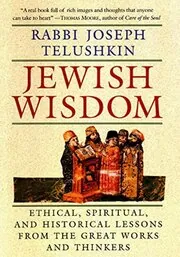
Jewish Wisdom
by Joseph Telushkin
1994
Part anthology and part guide, this book gathers Jewish teachings from the Bible, Talmud, and later thinkers. Telushkin uses stories and commentary to connect old wisdom to ordinary questions about work, love, character, and responsibility.
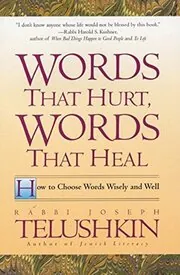
Words That Hurt, Words That Heal
by Joseph Telushkin
1996
This practical ethics book looks at the damage done by gossip, lying, insults, and careless speech. Telushkin argues that words are moral acts, and he offers habits that can make everyday conversation kinder and more truthful.
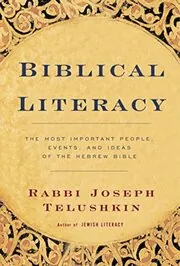
Biblical Literacy
by Joseph Telushkin
1997
A broad introduction to the people, stories, ideas, and laws of the Hebrew Bible. Telushkin makes a huge subject manageable, explaining what readers need to know and why these texts still matter.
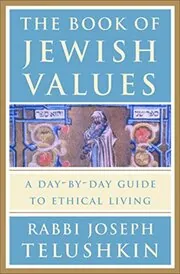
The Book of Jewish Values
by Joseph Telushkin
2000
Designed as a day-by-day guide, this book offers short readings on ethical living drawn from Jewish texts and stories. Telushkin writes about anger, honesty, parents, work, charity, speech, and the small habits that shape character.
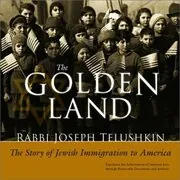
The Golden Land
by Joseph Telushkin
2002
A clear, accessible history of Jewish immigration to America, from the earliest arrivals to later refugee and Soviet waves. Telushkin shows how newcomers built communities, adapted to American life, and helped shape the country they entered.
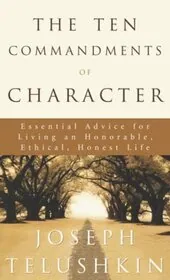
The Ten Commandments of Character
by Joseph Telushkin
2003
Built around ten core traits, this book takes on the hard moral questions that show up in family life, work, money, illness, and friendship. Telushkin turns abstract ethics into concrete advice without pretending the choices are easy.
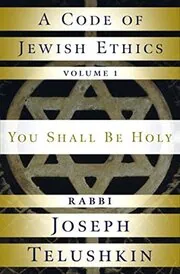
A Code of Jewish Ethics
by Joseph Telushkin
2006
The first volume of Telushkin's ethics project focuses on character and personal integrity. Using Jewish sources and modern examples, he writes about fairness, humility, truth, forgiveness, shame, envy, and the discipline of becoming a better person.
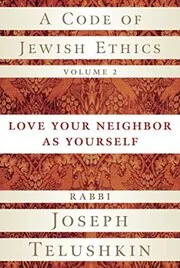
A Code of Jewish Ethics, Volume 2
by Joseph Telushkin
2009
This second volume asks what it really means to love your neighbor as yourself. Telushkin explores kindness, hospitality, charity, mourning, tolerance, self-defense, and other daily tests of compassion.
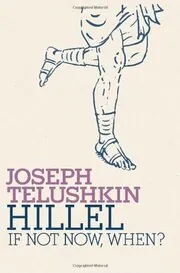
Hillel
by Joseph Telushkin
2010
Telushkin revisits Hillel the Elder through his best-known teachings, stories, and legal rulings. The book argues for a Judaism rooted in ethics, openness, learning, and a welcoming approach to converts.
Telushkinisms
by Joseph Telushkin
2012
A slim collection of brief teachings, reflections, and practical exercises drawn from Jewish wisdom. Telushkin keeps the focus on daily habits, happier thinking, and small moral choices readers can actually try.
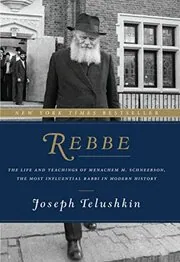
Rebbe
by Joseph Telushkin
2014
Telushkin's major biography of Menachem M. Schneerson traces the Rebbe's life, teachings, and leadership of Chabad. It looks at how one rabbi shaped Jewish life far beyond Brooklyn and why his influence still matters.
Where to start with Joseph Telushkin
If you want the clearest introduction to Judaism: Jewish Literacy → Biblical Literacy
If you're most interested in ethics and daily life: Words That Hurt, Words That Heal → The Book of Jewish Values → A Code of Jewish Ethics → A Code of Jewish Ethics, Volume 2
If you prefer biography and Jewish history: Hillel → Rebbe → The Golden Land
If you want his fiction first: The Unorthodox Murder Of Rabbi Moss → The Final Analysis of Dr. Stark → An Eye for an Eye
Joseph Telushkin sub-series and character series
Rabbi Daniel Winter Mysteries books in order
Explore this seriesRabbi Daniel Winter Mysteries books in chronological order
Joseph Telushkin collections, short stories, and related book types
Non-Fiction
Author bio
Joseph Telushkin was born in New York City in 1948 and raised in Brooklyn. He grew up in an Orthodox Jewish home, studied at the Yeshiva of Flatbush, was ordained at Yeshiva University, and later pursued graduate work in Jewish history at Columbia University. Those two sides of his education, traditional Jewish learning and modern historical study, help explain the shape of his writing.
He has spent much of his career trying to make Jewish learning readable for people who are busy, curious, and not looking for jargon.
That goal showed up early. He wrote his first major books with Dennis Prager, a school friend he had known since his Flatbush days, and together they tackled basic questions about belief, Jewish identity, and antisemitism in Nine Questions People Ask About Judaism and Why the Jews?. Even then, Telushkin was working in a mode that would become familiar: start with the question ordinary readers actually ask, then answer it plainly and directly.
For many readers, the real gateway book was Jewish Literacy. Instead of one long argument, it offers hundreds of short entries on history, holidays, texts, ethics, prayer, and major figures. People return to it because it works as both an introduction and a shelf reference. You can read it straight through, dip into it at random, or keep it nearby for the moment a custom, name, or idea comes up and needs explaining.
He followed that with books that kept widening the circle. Biblical Literacy gives readers a guided way into the Hebrew Bible. Jewish Wisdom and Jewish Humor show that the tradition is not only serious and learned, but also funny, self-aware, argumentative, and deeply human. Telushkin tends to like short sections, memorable stories, and practical examples, which is one reason so many of his books feel useful rather than distant.
Speech and behavior became another major lane in his work.
In Words That Hurt, Words That Heal, he takes gossip, cruelty, lying, and careless talk seriously, and asks what happens when we treat words as moral acts. The book reached beyond Jewish readers, and it helped inspire the 1996 Senate resolution that established a National Speak No Evil Day. Later, in The Book of Jewish Values and The Ten Commandments of Character, he turned ethical teaching into something closer to a daily practice, full of cases and examples that readers can test in ordinary life.
That practical streak comes to full size in A Code of Jewish Ethics. Telushkin has described this project as his major life's work, and you can see why. The first volume, on character and personal integrity, won a National Jewish Book Award in 2006. The second volume takes the command to love your neighbor and asks what it looks like in real situations, from hospitality and charity to grief, tolerance, and care for the vulnerable.
He writes like a teacher who wants the lesson to matter on Tuesday afternoon, not just in theory.
Telushkin has also ranged well beyond guidebooks and ethics manuals. In Hillel he revisits the ancient sage as a model of moral seriousness and openness. In Rebbe he traces the life and teachings of Menachem M. Schneerson and the global reach of Chabad. The Golden Land turns to Jewish immigration to America, telling a large historical story in a clear, welcoming way. There is also a storytelling side to him. He wrote the Rabbi Daniel Winter mystery novels, which drop an Orthodox rabbi into murder cases in Los Angeles, and he wrote the Touched by an Angel episode Bar Mitzvah. That mix of ethics and plot makes sense for Telushkin. He likes ideas, but he also knows people remember stories.
For many years he served the Synagogue for the Performing Arts in Los Angeles, and he has long lectured around the United States. He has also been associated with CLAL and the Jewish Book Council. He lives in New York City with his wife, writer Dvorah Menashe Telushkin, and their family.






Edited by
Software engineer whose passion for tracking book recommendations from podcasts inspired the creation of MRB.
Lead investor at 3one4 Capital whose startup expertise and love for books helped shape MRB and its growth.
Comments
Did we miss something? Have feedback?
Help us improve this page by sharing your thoughts