
Joseph Conrad Books in Order
Explore Joseph Conrad's books in order, with brief summaries, reading pathways, and background on his sea tales, colonial settings, and classic early modernist fiction to help you decide what to read next.
Last updated:
As an Amazon Associate, we earn from qualifying purchases (at no extra cost to you).
Joseph Conrad books in publication order
42 books
The Shifting of the Fire
by Joseph Conrad
1892
An early novel by Ford Madox Ford, sometimes associated with Conrad, it follows a young man entangled in love, marriage, and social ambition in late nineteenth century England. Shifting loyalties and private resentments test his sense of honour as passion clashes with convention.

Almayer's Folly
by Joseph Conrad
1895
Kaspar Almayer, a Dutch trader marooned in the Borneo jungle, clings to fantasies of a hidden gold mine and European respectability. As his Malayan wife and beloved daughter Nina pull in different directions, his dreams poison the family and expose the hollowness of empire.

An Outcast of the Islands
by Joseph Conrad
1896
Disgraced clerk Peter Willems, exiled to a remote trading post in the Malay archipelago, seizes a chance at redemption and forbidden love. His schemes draw him into betrayal, jealousy, and violence, charting a slow slide from weakness to ruin.
The Nigger of Narcissus
by Joseph Conrad
1897
A gravely ill West Indian sailor becomes both object of compassion and source of discord aboard the merchant ship Narcissus. As storms and stagnation test the crew, life at sea becomes a harsh trial of loyalty, superstition, and self-interest.
Tales Of Unrest
by Joseph Conrad
1898
This collection gathers five early stories, including An Outpost of Progress and The Lagoon, in which colonial outposts, betrayals, and private obsessions unravel into violence. Each tale probes what happens when comforting illusions fail in isolated, unstable settings.
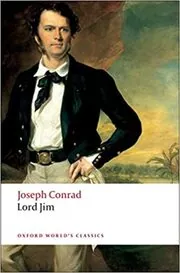
Lord Jim
by Joseph Conrad
1900
After abandoning a sinking pilgrim ship, idealistic seaman Jim is disgraced and haunted by cowardice. Seeking a fresh start in a distant trading settlement, he wrestles with guilt, loyalty, and the cost of redemption in one of Conrad's most searching character studies.
Romance
by Joseph Conrad
1900
Written with Ford Madox Ford, this swashbuckling adventure follows young John Kemp from provincial England to the Caribbean, where smuggling, pirates, and political plots sweep him into danger. Amid treachery and revolution he must decide what courage and love really mean.

The Inheritors
by Joseph Conrad
1901
Co-written with Ford Madox Ford, this speculative tale introduces mysterious Fourth Dimensionists who infiltrate Britain's ruling class. A struggling writer is seduced by their cool efficiency and watches political and personal loyalties corrode under the pressure of ambition.
Heart of Darkness
by Joseph Conrad
1902
Sailor Marlow journeys up a Central African river in search of the trader Kurtz and finds brutal colonial cruelty and moral collapse. The novella explores idealism turned to horror and what remains of civilisation when every restraint is stripped away.
Typhoon
by Joseph Conrad
1902
Captain MacWhirr stubbornly steers his crowded steamer straight into a massive Pacific storm. As wind and sea smash the ship, Conrad contrasts the captain's plodding obstinacy with his crew's panic, turning a routine voyage into a stark test of duty and endurance.

Youth, A Narrative
by Joseph Conrad
1902
In this exuberant story, Marlow remembers his first command, a decrepit ship bound for the East that seems determined to destroy itself. Fire, storms, and mishaps pile up, yet he recalls it as the pure joy of being young at sea.
Nostromo
by Joseph Conrad
1904
In the turbulent South American republic of Costaguana, a vast silver mine fuels coups, revolutions, and private greed. Trusted dock foreman Nostromo is drawn into a desperate scheme to save the treasure, only to learn how wealth can twist honour, politics, and identity.

The Secret Agent
by Joseph Conrad
1907
Set in foggy Edwardian London, this dark political novel centres on shopkeeper and spy Adolf Verloc, ordered to provoke a bombing at Greenwich Observatory. When his plot entangles his fragile brother-in-law, the fallout shatters his household and exposes the emptiness of violent ideology.
A Set Of Six
by Joseph Conrad
1908
Six varied stories explore political intrigue, revenge, and private obsession, from revolutionaries and anarchists to duelling officers. The collection is a brisk introduction to Conrad's fascination with honour under pressure and the strange turns a single decision can take.
The Point of Honor
by Joseph Conrad
1908
This historical novella follows two Napoleonic cavalry officers locked into a decades-long series of duels after a minor slight. As regimes rise and fall, their obsessive code of honour hardens into an absurd, deadly ritual that dominates both their lives.
The Nature of a Crime
by Joseph Conrad
1909
Written with Ford Madox Ford, this introspective novella takes the form of letters from a lawyer who has secretly gambled away a friend's trust fund. Awaiting exposure and planning suicide, he dissects guilt, honour, and desire in a cool, analytical voice.
The Secret Sharer
by Joseph Conrad
1909
An inexperienced young captain secretly shelters a fugitive sailor who has killed a man. As he hides this double aboard ship, the captain's identification with his secret sharer forces him to confront fear, authority, and the thin line between guilt and self-preservation.
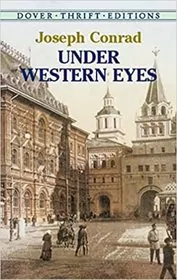
Under Western Eyes
by Joseph Conrad
1911
A reluctant Russian student, Razumov, betrays a revolutionary assassin to the Tsarist police, then is sent abroad to spy on exiles who idolise the dead man. Torn between self-interest and shame, he becomes trapped in webs of surveillance, idealism, and self-deception.
'Twixt Land and Sea
by Joseph Conrad
1912
Three linked tales, including The Secret Sharer and Freya of the Seven Isles, return to the seas and islands of Conrad's youth. Captains, traders, and lovers navigate treacherous waters where private loyalties clash with commercial duty and colonial authority.
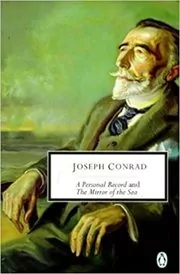
A Personal Record
by Joseph Conrad
1912
Part memoir and part meditation on writing, this autobiographical book traces Conrad's Polish childhood, wanderlust, years in the French and British merchant marines, and the making of Almayer's Folly. It offers an intimate, sideways portrait of how a sailor became a novelist.
Some Reminiscences
by Joseph Conrad
1912
Also known as A Personal Record, this reflective memoir gathers Conrad's memories of family, schooling in partitioned Poland, early voyages from Marseilles, and his first attempts at fiction. Told in a digressive, conversational style, it circles back to loyalty, destiny, and the sea.
The Mirror Of The Sea & A Personal Record
by Joseph Conrad
1912
This volume combines Conrad's sea memoir The Mirror of the Sea with A Personal Record. Together they mix vivid recollections of ships and storms with reflections on identity, memory, and the experiences that fed his fiction.

Chance
by Joseph Conrad
1913
Narrated in part by Marlow, this novel centres on Flora de Barral, daughter of a disgraced financier, whose marriage to the reserved Captain Anthony is shadowed by scandal and suspicion. Gossip, money, and misread motives shape a story about vulnerability and the hazards of rescue.
Victory
by Joseph Conrad
1915
Reclusive Swede Axel Heyst lives apart on a remote island until compassion for a mistreated musician, Lena, draws him back into human ties. Their fragile refuge is shattered when violent intruders arrive, turning this psychological tale into a tense confrontation with evil and withdrawal.
Within the Tides
by Joseph Conrad
1915
A late collection of four tales in which seafaring men, wanderers, and exiles look back on fateful episodes of love, betrayal, and obsession. The stories blend adventure settings with a more inward, autumnal tone, dwelling on memory and the pull of old choices.
The Shadow-Line
by Joseph Conrad
1916
A young seaman abruptly promoted to his first ship's command faces eerie calm, fever-stricken crew, and rumours of a cursed predecessor. In this concentrated sea tale, Conrad turns a difficult voyage into a rite of passage about leadership, self-doubt, and crossing into adulthood.

The Arrow of Gold
by Joseph Conrad
1919
Set in 1870s Marseille during the Carlist wars, this romantic novel follows an unnamed narrator drawn into gun running for Spanish royalists and into a perilous love triangle with the enigmatic Dona Rita and Captain Blunt. Politics, desire, and loyalty collide in Mediterranean settings.
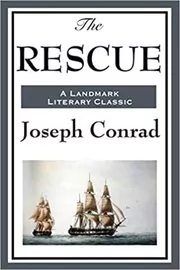
The Rescue
by Joseph Conrad
1920
The final novel in Conrad's Malay sequence returns to Captain Tom Lingard, entangled in local power struggles and European schemes in the archipelago. When a yacht of shipwrecked Westerners appears, his divided loyalties push him toward choices that test honour, friendship, and identity.
The Black Mate
by Joseph Conrad
1922
In this humorous early tale, a middle-aged mate with unnaturally black hair hides a secret from his shipmates as their coastal voyage unfolds. The story turns on small shipboard tensions and a final twist that gently mocks superstition and masculine pride.
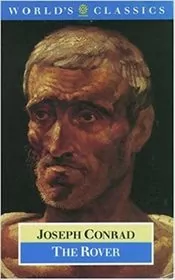
The Rover
by Joseph Conrad
1923
In his last completed novel, Conrad portrays Peyrol, an aging French sea rover seeking peace in a lonely Provençal cove during the Napoleonic wars. Drawn into espionage and a young woman's struggle, he faces one final test of courage and self-sacrifice.

Laughing Anne & One Day More
by Joseph Conrad
1924
This volume presents Conrad's dramatic pieces Laughing Anne and One Day More, stage adaptations of his sea tales. Set in far-flung ports and island trading stations, both plays focus on compromised captains, uneasy loyalties, and the high price of misplaced trust.

Tales Of Hearsay
by Joseph Conrad
1925
Four stories written late in Conrad's career range from the Napoleonic wars to pre war Europe. Officers, exiles, and wanderers recount half remembered incidents of courage, betrayal, and remorse, giving the collection an air of oral history coloured by doubt and distance.

Tales of Land and Sea
by Joseph Conrad
1953
A large omnibus volume that gathers many of Conrad's best shorter works set on ships, tropical rivers, and colonial outposts. It offers an easy way to read his sea tales and land based stories together and see recurring themes of honour and uncertainty.
The Cambridge Companion
by Joseph Conrad
1953
An authoritative critical companion, this book gathers essays by scholars who explore Conrad's life, major novels, narrative techniques, and historical context. It serves as a guide for students and general readers looking to understand his fiction from multiple angles.

The Portable Conrad
by Joseph Conrad
1961
This anthology collects key novels, novellas, and stories, offering a compact survey of Conrad's career from early Malay tales to political fiction. It is designed as an accessible single volume for readers who want a broad taste of his work.
Conrad's Manifesto
by Joseph Conrad
1966
This study presents Conrad's famous preface to The Nigger of Narcissus alongside commentary and manuscript facsimiles. It traces how he formulated his ideas about fiction that should make readers hear, feel, and see, and why that preface became a touchstone for modern narrative art.
Congo Diary
by Joseph Conrad
1978
A brief but powerful journal from Conrad's 1890 Congo River voyage, accompanied in many editions by related pieces. His notes on landscapes, illness, and colonial cruelty offer a stark factual counterpoint to the later fictionalised journey in Heart of Darkness.

One Day More
by Joseph Conrad
2007
This one act play, adapted from Conrad's story of the same name, focuses on an aging sea captain who must finally face separation from his daughter. In a single waterfront setting, it compresses regret, paternal love, and the need to let go.

Last Essays
by Joseph Conrad
2010
Published after Conrad's death, this collection assembles late essays, reviews, and reflections, many about the sea and literature. The pieces show him looking back on his career, other writers, and a changing world with a mixture of irony, affection, and scepticism.
Youth / Heart of Darkness / The End of the Tether
by Joseph Conrad
2010
This collection brings together three linked Marlow tales about youth, middle age, and old age. From a disastrous first voyage to the Congo journey and the decline of Captain Whalley, it traces how time and experience reshape a seaman's sense of self.

Letters
by Joseph Conrad
2020
This volume of correspondence gathers Conrad's letters across his career, revealing his struggles with money and health, working methods, publishing worries, and affection for friends and family. It is an invaluable behind the scenes companion to the fiction.
The Tremolino
by Joseph Conrad
2020
Drawing on Conrad's own gun running days, this narrative recalls life aboard the Mediterranean schooner Tremolino and her charismatic captain Dominic. Smuggling missions, narrow escapes, and youthful exhilaration are filtered through the older writer's nostalgia and awareness of risk.
Where to start with Joseph Conrad
If you want his most famous work first: Heart of Darkness → Lord Jim → Nostromo
If you enjoy sea stories and coming-of-age tales: Youth, A Narrative → The Nigger of Narcissus → The Shadow-Line
If you like political and spy fiction: The Secret Agent → Under Western Eyes → Chance
If you prefer to read from the beginning: Almayer's Folly → An Outcast of the Islands → The Nigger of Narcissus → Lord Jim
If you want a sampler of shorter work: Youth, A Narrative → Typhoon → The Secret Sharer → Within the Tides
Joseph Conrad collections, short stories, and related book types
Short Story Collections
Plays
Non-Fiction Books
Standalone Joseph Conrad books
Author bio
Joseph Conrad was born Józef Teodor Konrad Korzeniowski in 1857 in a part of the Russian Empire that is now Ukraine, to a Polish family steeped in literature and politics. His parents were punished for nationalist activity, and he grew up with exile, loss, and stories of resistance. Those early dislocations shaped the rest of his life, and the fiction he would later write in an adopted language.
As a boy he read tales of exploration and sea voyages, and stared at maps until the white spaces filled his imagination. After both parents died of illness before he turned twelve, he came under the care of his uncle Tadeusz Bobrowski in Kraków. His uncle wanted him to have a practical career, but the pull of distant oceans proved stronger.
In his teens he left partitioned Poland for Marseille and joined the French merchant marine, sailing to the Caribbean and South America. The years there brought debt, rumours of gun running, and at least one serious crisis of despair that nearly ended his life. He recovered, shifted into the British merchant service, and began the long apprenticeship that would make him both a master mariner and one of the great sea writers.
For almost twenty years he served on sailing ships and steamers, working his way up from apprentice to captain and taking British citizenship along the way. His routes carried him to the Malay archipelago, the Indian Ocean, Australia, the South China Sea, and finally the Congo River in 1890. These journeys gave him not only nautical expertise but a close view of colonial rule, trading companies, and the strain of command.
The Congo trip in particular left deep marks. He saw forced labour, brutality, and terrifying indifference to African lives, experiences that later resurfaced in Heart of Darkness and his Congo diary. Around the same time, while waiting for orders in port, he began drafting the novel that would become Almayer's Folly, almost as a private test of whether he could turn memories of the East into a different kind of work.
In the mid 1890s he settled in England, left the sea, and committed himself to writing in English, his third language. He married Jessie George in 1896, and they eventually had two sons, Borys and John. Money was often tight, but during these years he produced Almayer's Folly, An Outcast of the Islands, The Nigger of Narcissus, and short stories that drew on the ships and trading posts he knew so well.
Then the remarkable run of his best known works began. Lord Jim, Heart of Darkness, Nostromo, The Secret Agent, and Under Western Eyes shifted from pure sea adventure into dense moral and political territory. They share a fascination with loyalty under pressure, the gap between self image and action, and the ways empires distort both the colonised and the people who serve them.
Conrad liked scenes where a single decision, taken in fog, darkness, or panic, echoes through a whole life.
On the page he worked slowly, revising sentences until they matched the mood and rhythm he carried in his head. He often used layered narrators, especially the seaman Marlow, to circle around events from several angles rather than explain them directly. Readers come to his books for the atmosphere of Youth, the inward journey of Heart of Darkness, the crowded politics of Nostromo, the grim comedy of The Secret Agent, and the psychological tension of Victory.
In later life Conrad lived mostly in the Kent countryside, writing in the mornings and walking in the afternoons when his health allowed it. He struggled with nerves and depressions, but a late popular success with Chance eased some financial strain. He travelled to the United States in 1923, returned exhausted, and died the following year in Bishopsbourne, near Canterbury. The former sailor who had once struggled to speak English left behind a body of work that still anchors conversations about modern fiction, imperial history, and the stories people tell themselves to live with their choices.









Edited by
Software engineer whose passion for tracking book recommendations from podcasts inspired the creation of MRB.
Lead investor at 3one4 Capital whose startup expertise and love for books helped shape MRB and its growth.
Comments
Did we miss something? Have feedback?
Help us improve this page by sharing your thoughts