
Joseph Wambaugh Books in Order
This page lists Joseph Wambaugh’s books in order with short summaries, series info, reading suggestions, and notes on his LAPD roots so you can easily choose your next read.
Last updated:
As an Amazon Associate, we earn from qualifying purchases (at no extra cost to you).
Joseph Wambaugh books in publication order
24 books
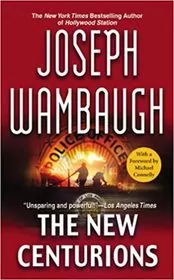
The New Centurions
by Joseph Wambaugh
1970
Three young LAPD recruits—Serge Duran, Gus Plebesly, and Roy Fehler—hit the streets of Los Angeles in the early 1960s, learning the job the hard way. Wambaugh follows them through patrol work, family strain, and the Watts riots as the job reshapes who they are.
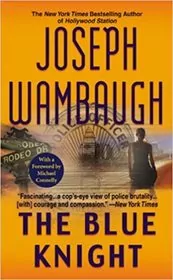
The Blue Knight
by Joseph Wambaugh
1972
Aging beat cop William 'Bumper' Morgan spends his last week before retirement walking a tough Los Angeles neighborhood. As he deals with pimps, drunks, and forgetful brass, he weighs the damage and pride that come with a lifetime in uniform.
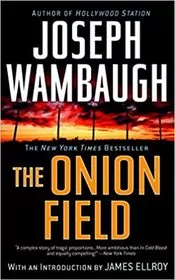
The Onion Field
by Joseph Wambaugh
1973
Based on a notorious 1963 case, this true‑crime account follows two LAPD officers kidnapped during a routine stop, the murder of one of them, and the years‑long legal ordeal that shatters the survivor’s life.
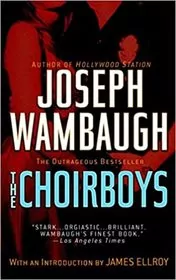
The Choirboys
by Joseph Wambaugh
1976
Ten nightwatch officers blow off steam at after‑hours 'choir practices' in MacArthur Park, swapping war stories and pushing every boundary. Their blackly comic escapades gradually reveal the fear, rage, and despair hiding beneath the surface of urban police work.
The Black Marble
by Joseph Wambaugh
1977
A burned‑out LAPD homicide detective and his sharp, wary partner are thrown together on a dognapping case involving a drunken gambler and a pampered show dog. Their hunt through Los Angeles high society becomes part love story, part study of cop burnout.
The Glitter Dome
by Joseph Wambaugh
1981
Two Hollywood homicide detectives investigate the killing of a powerful studio executive with plenty of sordid secrets. Working the case draws them into a world of show‑business excess, internal politics, and cops who are dangerously comfortable with using violence.
The Delta Star
by Joseph Wambaugh
1983
In the LAPD’s Rampart Division, a squad led by the eccentric 'Bad Czech' tackles cases that range from street crime to bizarre murders. The novel mixes gallows humor and melancholy as burned‑out detectives try to keep their sanity and their compassion.
Lines and Shadows
by Joseph Wambaugh
1984
This nonfiction classic follows San Diego’s Border Crime Task Force, officers who disguise themselves as undocumented migrants to protect real border crossers from brutal bandits. The assignment turns into a test of courage, ethics, and mental stability.
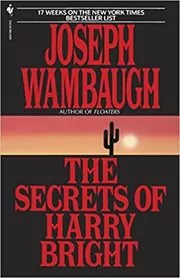
The Secrets of Harry Bright
by Joseph Wambaugh
1985
Hollywood homicide detective Sidney Blackpool is sent to the desert near Palm Springs to revive a rich man’s cold case: the murder of his son. The search pulls Blackpool into golf‑course mansions, biker bars, and his own unresolved grief.
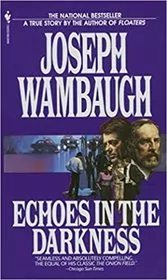
Echoes in the Darkness
by Joseph Wambaugh
1987
Wambaugh reconstructs the Main Line murder of Pennsylvania schoolteacher Susan Reinert and the disappearance of her children. Drawing on years of investigation and courtroom drama, he shows how obsession, ambition, and secrecy warped a suburban community.
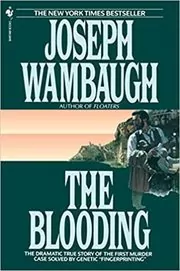
Blooding, The
by Joseph Wambaugh
1989
In this groundbreaking true‑crime story, detectives in rural England struggle to catch a killer who has murdered two teenage girls. The case becomes a milestone in forensic science when mass DNA testing—the 'blooding'—finally identifies the murderer.
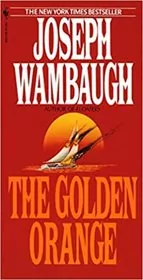
The Golden Orange
by Joseph Wambaugh
1990
Ex‑cop Winnie Farlowe, nursing a bad back and a worse drinking habit, is hired by glamorous Tess Binder in Newport Beach to look into her father’s suspicious suicide. His inquiry peels back the glossy surface of Orange County wealth and corruption.
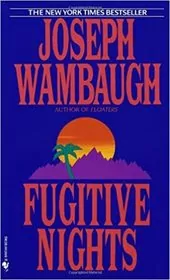
Fugitive Nights
by Joseph Wambaugh
1992
Disabled Palm Springs detective Lynn Cutter is marking time and drinking too much when PI Breda Burrows hires him for domestic surveillance. Their simple case tangles with a dangerous fugitive and desert drug deals, forcing Cutter to confront what kind of cop he still wants to be.
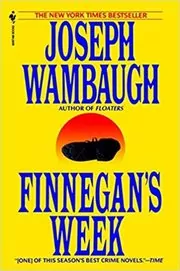
Finnegan's Week
by Joseph Wambaugh
1993
San Diego detective Finbar Finnegan teams up with environmental investigator Nell Salter and Navy cop Bobbie Ann Doggett when a truckload of toxic waste and military boots goes missing. Their comic, chaotic hunt crosses the border into Tijuana and exposes lethal negligence.
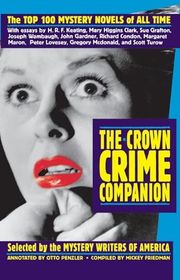
The Crown Crime Companion
by Otto Penzler, Mickey Friedman, Joseph Wambaugh & Mary Higgins Clark
1995
A guide to 100 mystery novels chosen by the Mystery Writers of America, with annotations by Otto Penzler. Ten additional category lists, ranging from classics and suspense to cozies, historical mysteries, and legal crime, are introduced by genre specialists.
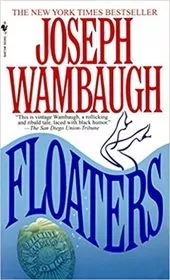
Floaters
by Joseph Wambaugh
1996
Against the backdrop of the America’s Cup races in San Diego, vice cop Letch Boggs and homicide detective Anne Zorn chase a violent pimp and the secrets behind two bodies found in the bay. Yacht clubs, call girls, and sports politics collide in a salty police caper.
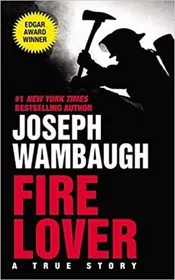
Fire Lover
by Joseph Wambaugh
2002
This true‑crime narrative traces the rise and exposure of John Leonard Orr, a respected Southern California arson investigator who was secretly setting deadly fires. Wambaugh follows the painstaking investigation that revealed him as one of the most destructive arsonists of his era.
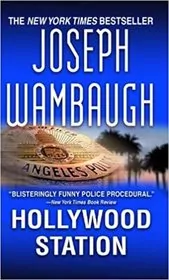
Hollywood Station
by Joseph Wambaugh
2006
At understaffed Hollywood Station, a motley crew of veterans and rookies—surfer cops Flotsam and Jetsam, single mom Budgie Polk, movie‑struck 'Hollywood Nate,' and others—patrol a boulevard of hustlers and wannabes. A grenade‑toting jewelry heist and a Russian nightclub scheme tie their long nights together.
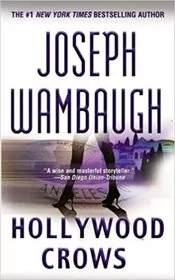
Hollywood Crows
by Joseph Wambaugh
2008
Nathan 'Hollywood Nate' Weiss and Bix Ramstead are reassigned to Hollywood’s Community Relations Office, the so‑called Crows who handle nuisance calls and lonely complainers. Their low‑glamour beat turns deadly when seductive Margot Aziz uses them in a plot against her nightclub‑owner husband.
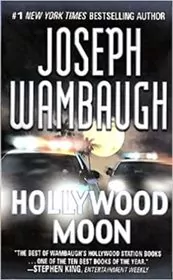
Hollywood Moon
by Joseph Wambaugh
2009
On the midwatch, Hollywood Nate Weiss and his partner Dana Vaughn hunt a prowler who’s been assaulting women, while surfer cops Flotsam and Jetsam keep bumping into odd street characters. In the shadows, identity thieves Dewey and Eunice Gleason run a credit‑card scam that will collide with the cops’ case.
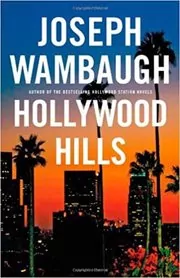
Hollywood Hills
by Joseph Wambaugh
2010
Hollywood Nate agrees to watch over the hillside estate of a grasping widow and her B‑movie director fiancé, unaware of the art‑theft scheme brewing inside. When an ex‑con butler, a crooked dealer, and celebrity‑obsessed burglars converge, the officers of Hollywood Station must sort out greed, drugs, and murder.
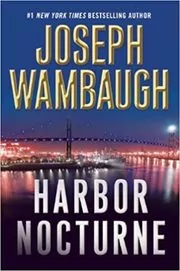
Harbor Nocturne
by Joseph Wambaugh
2012
Set around the harbor of San Pedro, this final Hollywood Station novel follows longshoreman Dinko Babich and undocumented dancer Lita Medina as they fall into a forbidden romance. Their story intersects with Hollywood Division cops battling human traffickers, mobsters, and the deadly exploitation of migrant workers.
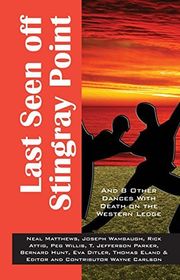
Last Seen off Stingray Point: And 8 Other Dances With Death On The Western Edge
by Neal Matthews & Joseph Wambaugh
2014
A West Coast–centered anthology of literary short fiction about encounters with death, personal crisis, and human vulnerability. The stories range from wholly invented tales to historical fiction, with contributions from Neal Matthews, Joseph Wambaugh, Rick Attig, and other writers.
Silent Night, Deadly Night
by Otto Penzler & Joseph Wambaugh
2016
Edited by Otto Penzler, this crime-fiction anthology gives Christmas carols and holiday traditions a criminal twist. Joseph Wambaugh joins a broad lineup of mystery writers whose stories bring murder, wrongdoing, and dark humor to the festive season.
Where to start with Joseph Wambaugh
If you want his classic LAPD novels: The New Centurions → The Blue Knight → The Choirboys → The Delta Star.
If you're curious about his true‑crime writing: The Onion Field → Lines and Shadows → Echoes in the Darkness → The Blooding → Fire Lover.
If you’d like sun‑baked California crime with dark humor: The Black Marble → The Glitter Dome → The Secrets of Harry Bright → The Golden Orange → Fugitive Nights.
If you prefer modern ensemble police stories: Hollywood Station → Hollywood Crows → Hollywood Moon → Hollywood Hills → Harbor Nocturne.
Joseph Wambaugh sub-series and character series
Joseph Wambaugh collections, short stories, and related book types
Non-Fiction
Anthologies
Last Seen off Stingray Point: And 8 Other Dances With Death On The Western Edge
by Neal Matthews & Joseph Wambaugh
2014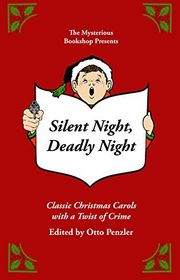
Standalone Joseph Wambaugh books
Author bio
Joseph Wambaugh started out as a working cop and ended up writing the stories that changed how people thought about police work. His books mixed bleak humor, painful honesty, and the small details of a patrol shift. For many readers, they were the first time cops sounded like real people instead of TV heroes.
He was born in East Pittsburgh, Pennsylvania, in 1937, the son of a beat officer. As a teenager his family drove west to California and stayed, settling in the blue‑collar communities around Fontana and Ontario. He graduated from Chaffey High School, joined the U.S. Marine Corps at seventeen, and married his high‑school sweetheart, Dee Allsup, a year later.
After three years in the Marines he came home to shift work at the Kaiser steel mill, college classes squeezed in around overtime, and a young family. He picked up an associate degree at Chaffey College, then moved on to Los Angeles State College, later Cal State LA, studying English on the GI Bill. At first he imagined himself in a classroom as an English teacher.
Then he saw what Los Angeles police officers were paid. Almost on impulse, he took the exams and joined the LAPD in 1960. Over the next fourteen years he worked patrol and detective assignments across the city, including hard tours in East Los Angeles that would later fuel some of his most vivid scenes.
Wambaugh kept writing on the side, turning his graveyard‑shift experiences into fiction. His first novel, The New Centurions, appeared in 1971 while he was still a sergeant and became a bestseller and a major film. The Blue Knight followed, along with The Choirboys and the nonfiction The Onion Field, a deeply reported account of the kidnapping and murder of an LAPD officer and the slow collapse of the surviving partner.
The success of those books made it harder for him to stay anonymous inside the department. In 1974 he left the LAPD without a pension and became a full‑time writer. Instead of focusing on clever puzzles, he kept circling the same questions: what the job does to marriages, how officers cope with fear and boredom, why some drift into brutality while others hang on to empathy.
Through the 1980s and 1990s he alternated between darkly comic novels and true‑crime narratives. Books like The Black Marble, The Secrets of Harry Bright, and The Golden Orange skewered Southern California privilege, while Lines and Shadows, Echoes in the Darkness, The Blooding, and Fire Lover followed real investigations with a novelist’s eye for character. Along the way he picked up multiple Edgar Awards, helped create the TV series Police Story, and, in the 2000s, returned to LAPD fiction with the five‑book Hollywood Station cycle.
Wambaugh stayed close to working cops even after he left the job. He was known for gathering small groups of officers, buying the drinks, and listening hard while they unspooled their war stories. Those conversations, full of gallows humor and regret, shaped the rhythms of his dialogue and the sideways compassion in his best scenes.
He spent most of his adult life in Southern California, living at different times in places like San Marino, Newport Beach, Rancho Mirage, and Point Loma, never far from the communities he wrote about. Wambaugh died of esophageal cancer at his home in Rancho Mirage on February 28, 2025, at age eighty‑eight. He was survived by Dee, his wife of nearly seven decades, and their two remaining children. His books are still passed from cop to cop, and from crime‑fiction fans to new readers who want a view of police work that feels unvarnished and human.






Edited by
Software engineer whose passion for tracking book recommendations from podcasts inspired the creation of MRB.
Lead investor at 3one4 Capital whose startup expertise and love for books helped shape MRB and its growth.
Comments
Did we miss something? Have feedback?
Help us improve this page by sharing your thoughts