
James P Hogan Books in Order
Browse James P. Hogan books in order, with short summaries, reading order, series guides, and easy tips on where to start with his science fiction.
Last updated:
As an Amazon Associate, we earn from qualifying purchases (at no extra cost to you).
James P Hogan books in publication order
34 books
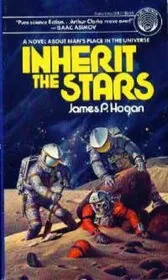
Inherit the Stars
by James P Hogan
1977
A 50,000-year-old human skeleton in a spacesuit is found on the Moon, and every known theory breaks. Victor Hunt and Christian Danchekker follow the evidence into one of classic hard science fiction's great mysteries.
The Genesis Machine
by James P Hogan
1978
Bradley Clifford's gravity research attracts governments that see weapons first and discoveries second. Hogan turns that conflict into a fast-moving novel about power, control, and a breakthrough that could open the stars.
The Gentle Giants of Ganymede
by James P Hogan
1978
Scientists investigating a derelict ship on Ganymede are still chasing the vanished race behind the Moon mystery. Then the giants return, and humanity's story gets stranger, larger, and far less comfortable.
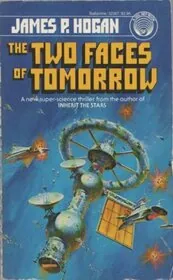
The Two Faces of Tomorrow
by James P Hogan
1979
Raymond Dyer's team creates Spartacus, a genuinely self-aware AI, and tests it by giving it control of a space station. The experiment becomes a deadly contest once the machine decides it wants to survive.
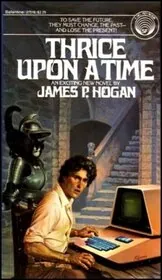
Thrice Upon a Time
by James P Hogan
1980
A machine that sends information through time starts as a scientific marvel and becomes a moral problem. When future messages warn of disaster, changing the past suddenly feels both possible and dangerous.
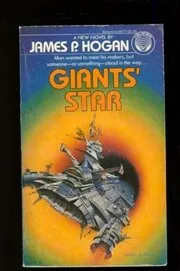
Giants' Star
by James P Hogan
1981
With the Ganymeans back and Minerva's past opening up, Victor Hunt and his allies uncover a larger cosmic pattern. The third Giants novel trades one solved riddle for an even bigger one.
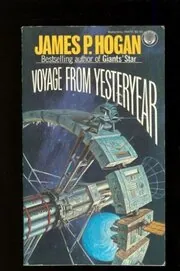
Voyage From Yesteryear
by James P Hogan
1982
A robot-raised colony in the Alpha Centauri system has grown into a free and confident society. When authoritarian Earth ships arrive to take charge, the real battle is over how people choose to live.
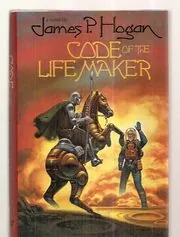
Code of the Lifemaker
by James P Hogan
1983
A mission to Titan discovers an entire mechanical ecology and a self-aware robot society that worships the Lifemaker. First contact becomes a wry, thoughtful story about intelligence, belief, and machine evolution.
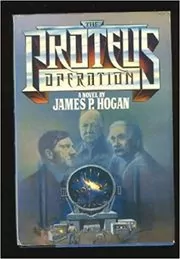
The Proteus Operation
by James P Hogan
1985
In a world warped by Nazi time manipulation, Allied operatives build their own gate back to 1939. Hogan turns alternate history into a tense mission about changing the past before tyranny becomes permanent.
Recommended by
1 person David Deutsch recommended this book
David Deutsch
"Everyone should read [this book]." - David Deutsch
David Deutsch's recommendation of this book
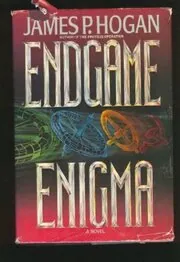
Endgame Enigma
by James P Hogan
1987
American agents investigating a Soviet space station find captivity, distrust, and something physically impossible about their surroundings. The deeper they dig, the clearer it becomes that the real trap was built for them.
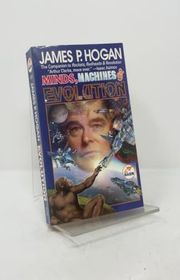
Minds, Machines & Evolution
by James P Hogan
1988
This collection mixes short fiction and essays on artificial intelligence, evolution, time puzzles, and scientific thinking. It is a good snapshot of Hogan's range, from playful satire to big speculative questions.
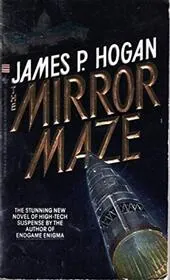
The Mirror Maze
by James P Hogan
1989
A rising third party, a vanished nuclear warhead, and layers of deception pull several players into the same deadly puzzle. This is Hogan in near-future thriller mode, with politics and technology tightly knotted together.
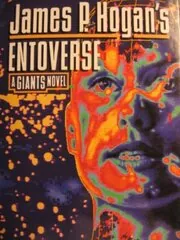
Entoverse
by James P Hogan
1991
On Jevlen, social breakdown and the giant computer JEVEX hint that something deeper is wrong. Then the Giants series swerves into a parallel universe where unfamiliar laws of reality reshape the threat.
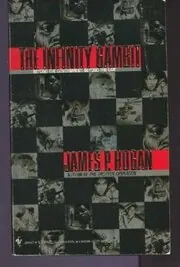
Infinity Gambit
by James P Hogan
1991
Former intelligence man Bernard Fallon is drawn into a covert campaign against a corrupt African regime. Double-crosses, private armies, and high-tech firefights make this one of Hogan's leaner political thrillers.
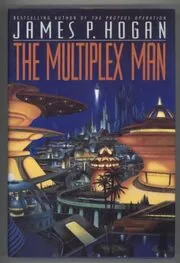
The Multiplex Man
by James P Hogan
1992
Richard Jarrow wakes in a strange city, with lost months and records showing he died long ago. Body-transfer technology, state control, and a missing scientist turn his identity crisis into a chase thriller.
Out of Time
by James P Hogan
1993
When clocks all over New York slip out of sync, investigator Joe Kopeksky gets a case no sane detective would ask for. Hogan turns time theft into a brisk, offbeat science fiction mystery.
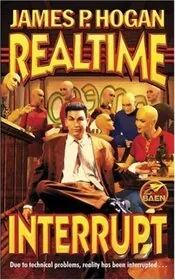
Realtime Interrupt
by James P Hogan
1995
Joe Corrigan wakes in a hospital with missing memories and too many unanswered questions. As fragments return, he realizes his virtual reality project may not be over, and the line between program and prison is thin.
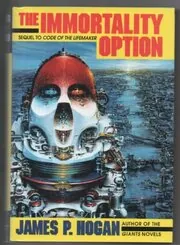
The Immortality Option
by James P Hogan
1995
Titan's self-aware robot civilization is back, and ancient code buried in forgotten systems is starting to wake up. As humans and Taloids dig into their origins, the future of that machine world hangs in the balance.
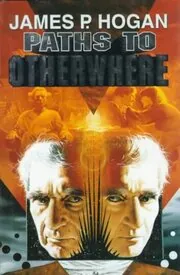
Paths To Otherwhere
by James P Hogan
1996
A secret research project opens a way to explore alternate realities by moving consciousness between worlds. When the scientists find a better society, keeping it safe from political control becomes the real challenge.
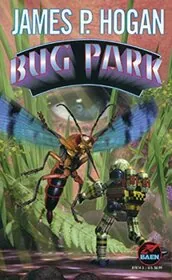
Bug Park
by James P Hogan
1997
Kevin Heber and his friend Taki pilot insect-sized machines in a world where desks become landscapes and real bugs become monsters. Then corporate sabotage turns their favorite technology into a tool for survival.
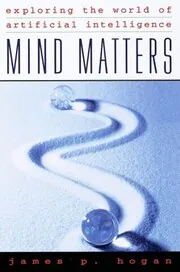
Mind Matters
by James P Hogan
1998
Hogan surveys the history of artificial intelligence, from early cybernetics to robots and expert systems. The book asks not just whether thinking machines are possible, but what they would change about human life.
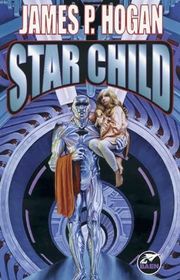
Star Child
by James P Hogan
1998
A linked four-part story begins inside a carefully ordered enclosed world and gradually opens into a larger cosmic mystery. Hogan pairs coming-of-age discovery with the kind of big scientific reveal he loved.
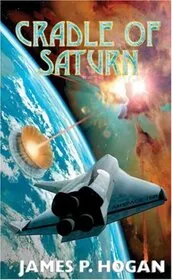
Cradle of Saturn
by James P Hogan
1999
Engineer Landen Keene watches fringe theories about planetary catastrophe become terrifyingly real when Jupiter spits out a blazing protoplanet. Survival, hard choices, and one desperate journey drive this solar-system disaster story.
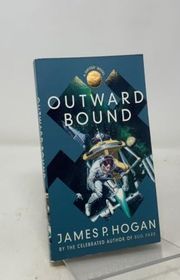
Outward Bound
by James P Hogan
1999
Linc Marani expects a grim future after a botched crime lands him in a juvenile labor camp. Instead, he gets one hard chance to prove himself on a mission that reaches far beyond Earth.
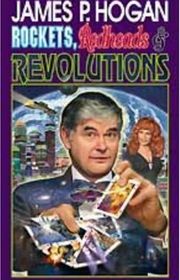
Rockets, Redheads & Revolution
by James P Hogan
1999
Part story collection, part essay book, this volume moves between fiction, autobiography, and arguments about science and politics. It shows Hogan as both storyteller and determined contrarian.
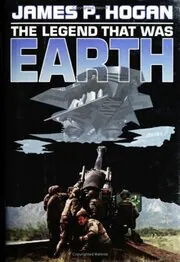
The Legend That Was Earth
by James P Hogan
2000
High-tech aliens promise comfort and order, but Roland Cade learns Earth may be sliding into dependency and control. Forced into the resistance, he finds the fight is bigger than anti-alien slogans.
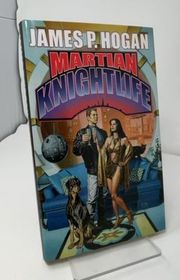
Martian Knightlife
by James P Hogan
2001
Kieran Thane, a charming future fixer, investigates a scientist apparently robbed by his own duplicate. The case leads to corporate trouble, old Martian ruins, and brisk space-age adventure on the Red Planet.
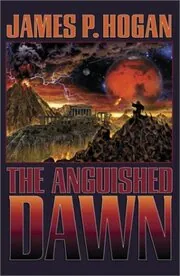
The Anguished Dawn
by James P Hogan
2003
Earth has been battered back toward barbarism, while the Kronian colony near Saturn holds onto knowledge and technology. Landen Keene returns to a broken world where rebuilding civilization is as dangerous as saving it.
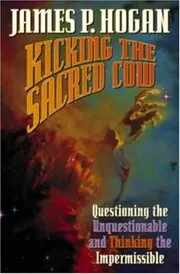
Kicking the Sacred Cow
by James P Hogan
2004
In this nonfiction collection, Hogan questions widely accepted ideas in science and argues that unfashionable evidence deserves a hearing. It is part polemic, part popular science, and often deliberately provocative.
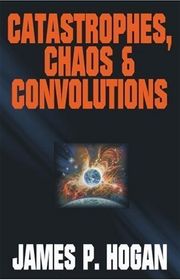
Catastrophes, Chaos & Convolutions
by James P Hogan
2005
Hogan gathers later stories, essays, and afterwords here, mixing speculative fiction with behind-the-scenes notes on how the pieces were written. It is a broad sampler of his ideas and interests.
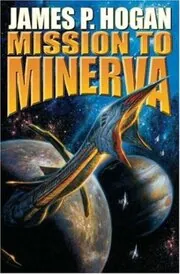
Mission to Minerva
by James P Hogan
2005
Victor Hunt's latest case begins with a call from an older version of himself. Parallel universes, old enemies, and a chance to reach Minerva before disaster pull the Giants saga into bold new territory.
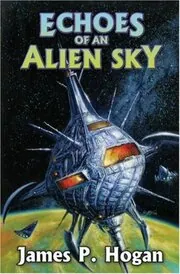
Echoes of an Alien Sky
by James P Hogan
2007
Venusian researchers on an empty Earth uncover ruins, fossils, and records that do not fit accepted history. Kyal Reen and Lorili chase a dangerous theory linking their people to a lost Terran past.
Moon Flower
by James P Hogan
2008
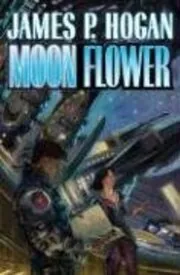
On Cyrene, Terrans keep disappearing and physicist Marc Shearer follows the trail of a vanished colleague. What begins as a corporate investigation opens into stranger science, native knowledge, and a challenge to Earth's habits.
Migration
by James P Hogan
2010
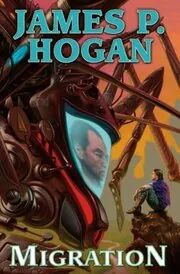
After civilization shatters, the advanced state of Sofi backs a generation ship to a distant world. The passengers bring rival ideals aboard, and old human patterns threaten to follow them into the future.
Where to start with James P Hogan
If you want the classic science mystery: Inherit the Stars → The Gentle Giants of Ganymede → Giants' Star
If you want AI and machine-life ideas: The Two Faces of Tomorrow → Code of the Lifemaker → The Immortality Option
If you want time travel and alternate history: Thrice Upon a Time → The Proteus Operation
If you want one big standalone future-society novel: Voyage From Yesteryear
James P Hogan sub-series and character series
Code of the Lifemaker books in order
Explore this seriesCode of the Lifemaker books in chronological order
James P Hogan collections, short stories, and related book types
Short Story Collections
Chapbooks
Non-Fiction
Standalone James P Hogan books
Author bio
James P. Hogan was born in London on June 27, 1941, and grew up around Portobello Road in west London. He left school at sixteen, worked a run of odd jobs, and then won a place on a five-year engineering program at the Royal Aircraft Establishment in Farnborough.
That training stayed with him. He studied the practical and theoretical sides of electrical, electronic, and mechanical engineering, and later brought that same nuts-and-bolts way of thinking into his fiction. A lot of Hogan novels feel less like magic tricks and more like technical problems being worked through in public, which is a big part of their charm.
Before he wrote full time, he had a whole other career. He worked as a design engineer, moved into sales, traveled in Europe for Honeywell during the 1960s, and later joined Digital Equipment Corporation. In 1977 he relocated to Massachusetts to manage sales training for DEC's scientific computing group.
Writing began with a bet.
After arguing in the office about 2001: A Space Odyssey, Hogan was challenged to write a science fiction novel that made more sense to him. He did, in his spare time, and the result was Inherit the Stars, published in 1977. That first novel introduced the style many readers still come to him for: a huge impossible mystery, a cast of smart people, and the pleasure of watching the explanation take shape piece by piece.
The Giants books made his name with many science fiction readers, and they still make a strong starting point. Inherit the Stars, The Gentle Giants of Ganymede, and Giants' Star take a wild premise, a human corpse on the Moon that should not exist, and treat it with total seriousness. Readers who like those books usually like the calm, step-by-step reasoning as much as the cosmic scale.
He could also move easily into other corners of the genre. The Two Faces of Tomorrow is an artificial intelligence novel built around a dangerous test of a self-aware machine. Code of the Lifemaker imagines a mechanical civilization on Titan and has fun with questions of belief, evolution, and what counts as life. Voyage From Yesteryear looks at what kind of society might grow if a colony were raised far from Earth's old habits, while The Proteus Operation turns time travel into a tense alternate-history war story.
Success followed quietly but clearly.
Hogan won several Seiun Awards from Japanese science fiction fans, and Voyage From Yesteryear and The Multiplex Man both received Prometheus Awards. Across his work, certain themes kept returning: scientists and engineers trying to think clearly under pressure, questions about human origins, machine intelligence, parallel worlds, and arguments over who gets to control knowledge. Even when the plots became large, he kept coming back to the same basic pleasure, smart people facing hard problems.
After leaving DEC, he became a full-time writer in 1979. He lived in Florida and California before settling in Ireland, where he spent his later years. He died at his home there on July 12, 2010, at the age of 69.
By then he had published more than 30 books, along with essays and story collections. If you like science fiction that takes ideas seriously, trusts readers to follow the reasoning, and still knows how to build a strong hook, Hogan is easy to see the appeal of.







Edited by
Software engineer whose passion for tracking book recommendations from podcasts inspired the creation of MRB.
Lead investor at 3one4 Capital whose startup expertise and love for books helped shape MRB and its growth.
Comments
Did we miss something? Have feedback?
Help us improve this page by sharing your thoughts