
Irving Stone Books in Order
This page lists Irving Stone's books in order with brief summaries and reading-path suggestions to help you explore his biographical novels and histories.
Last updated:
As an Amazon Associate, we earn from qualifying purchases (at no extra cost to you).
Irving Stone books in publication order
23 books
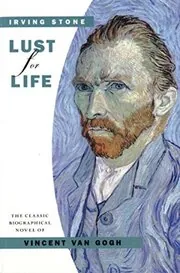
Lust for Life
by Irving Stone
1934
Stone's biographical novel of Vincent van Gogh traces his restless search for calling, from ministry in Belgian coal country to blazing canvases in Arles, drawing on the artist's letters to show his friendships, breakdowns, and fierce need to paint.
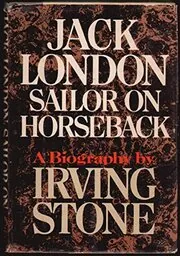
Sailor on Horseback
by Irving Stone
1938
Stone's portrait of Jack London follows the writer from a rough Oakland childhood through seafaring, Klondike adventures, socialist politics, and literary fame, emphasizing the restless energy that fueled both his success and the personal excesses that shortened his life.
Adversary in the House
by Irving Stone
1947
This biographical novel tells the story of socialist leader Eugene V. Debs and his wife Kate, whose horror at radical politics makes her his 'adversary in the house,' setting up a lifelong clash between his public convictions and their private life.
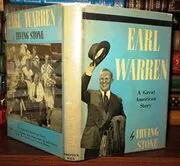
Earl Warren
by Irving Stone
1948
This nonfiction portrait follows Earl Warren from his Bakersfield childhood and work as a California prosecutor and governor to his years as chief justice of the United States, when the Warren Court reshaped American law on race, voting, and criminal justice.
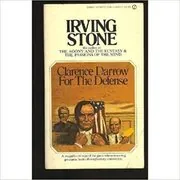
Clarence Darrow for the Defence
by Irving Stone
1949
Stone's biography of famed defense lawyer Clarence Darrow covers his rise from small-town attorney to national figure in labor battles, the Leopold and Loeb case, the Scopes 'monkey trial,' and other courtroom dramas defending unpopular clients and causes.
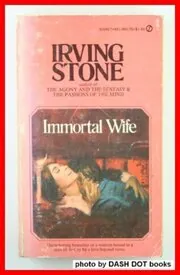
Immortal Wife
by Irving Stone
1950
Here Stone centers Jessie Benton Frémont, daughter of a powerful senator and wife of explorer and politician John C. Frémont, following their marriage through western expeditions, Civil War intrigue, and the booms and busts of nineteenth-century American politics.
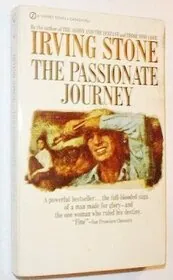
The Passionate Journey
by Irving Stone
1950
This novel is based on the life of American painter John Noble, following him from a Kansas boyhood to Paris cafés and New York galleries as his hunger for art, drink, and experience drives both his creativity and his self-destruction.
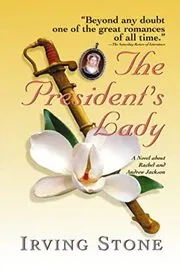
The President's Lady
by Irving Stone
1952
Focusing on Rachel and Andrew Jackson, this biographical novel traces their controversial courtship, second marriage, frontier hardships, and the bitter attacks that followed Jackson into the White House, portraying a love story shadowed by scandal and politics.
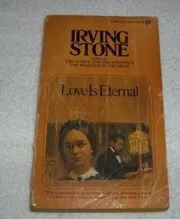
Love Is Eternal
by Irving Stone
1955
This novel tells Mary Todd Lincoln's story in her own voice, from a spirited young woman in Kentucky to Abraham Lincoln's partner through Illinois politics, wartime Washington, personal grief, and the strains of public life on a private marriage.
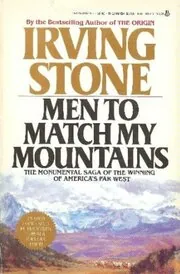
Men to Match My Mountains
by Irving Stone
1956
Stone's history of the Far West follows explorers, miners, Mormons, speculators, and settlers as they push into California, Nevada, Utah, and Colorado between 1840 and 1900, turning wilderness into boomtowns and shaping the region's myths and conflicts.
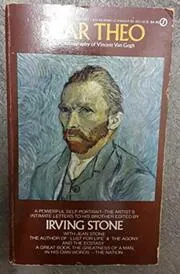
Dear Theo
by Irving Stone
1958
This volume collects Vincent van Gogh's letters to his brother Theo, selected and edited by Stone, offering an intimate self-portrait of the painter as he writes about art, money, faith, illness, and the daily struggle to keep working.
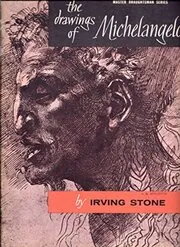
Drawings of Michaelangelo
by Irving Stone
1960
A large-format art book presenting more than one hundred of Michelangelo's drawings in facsimile, with brief commentary that places these studies of bodies, architecture, and biblical scenes alongside the finished sculptures and frescoes they helped inspire.
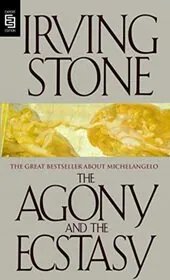
The Agony and the Ecstasy
by Irving Stone
1961
Stone's novel follows Michelangelo from his apprenticeship in Florence through the carving of the Pietà and David and the painting of the Sistine Chapel, tracing his battles with popes, rivals, family, and his own relentless standards.
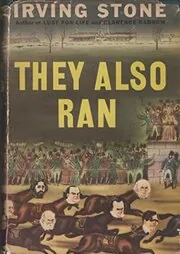
They Also Ran
by Irving Stone
1966
In this nonfiction study, Stone profiles losing candidates in U.S. presidential races, from Henry Clay to Adlai Stevenson, exploring their lives, campaigns, and ideas and asking how history might look different if voters had chosen them instead.
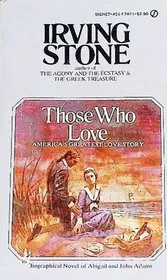
Those Who Love
by Irving Stone
1966
Abigail Adams narrates this biographical novel of her marriage to John Adams, from flirtatious courtship and long wartime separations to the strain of politics and the early American presidency, highlighting both passion and partnership behind the public story.
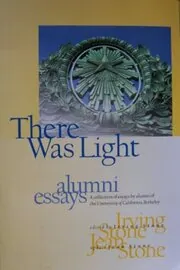
There Was Light
by Irving Stone
1970
Edited by Stone, this centennial volume gathers personal essays from University of California, Berkeley alumni and faculty, creating an informal 'autobiography' of the campus from its frontier beginnings through world wars, protest years, and scientific breakthroughs.

The Irving Stone Reader
by Irving Stone
1971
This large anthology samples Stone's career with long excerpts from his biographical novels, biographies, history, and essays, framed by appreciative introductions and his own comments on research, giving new readers an easy way to try several subjects.
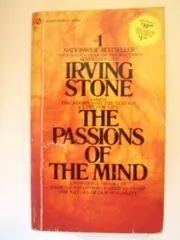
The Passions of the Mind
by Irving Stone
1971
This long biographical novel follows Sigmund Freud from medical school in Vienna through his pioneering work on dreams, neuroses, and the unconscious, showing his marriage, friendships, controversies, and eventual flight from Nazi Europe.
Mary Todd Lincoln, A Final Judgement?
by Irving Stone
1973
In this brief essay, Stone reconsiders the many faces of Mary Todd Lincoln, weighing letters, eyewitness accounts, and later criticism as he asks how history has treated her and what a fairer judgement of her life might look like.
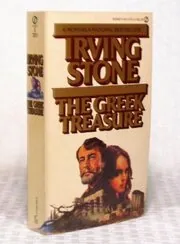
The Greek Treasure
by Irving Stone
1975
This historical novel tells the story of businessman-turned-archaeologist Heinrich Schliemann and his Greek wife Sophia as they hunt for ancient Troy and Mycenae, mixing romance, rivalry, and early archaeological fieldwork in Ottoman lands.
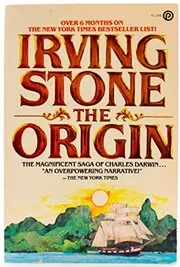
The Origin
by Irving Stone
1980
Stone's Darwin novel begins with a young gentleman naturalist boarding the Beagle and follows him through storms, fossils, family life, and illness as he slowly shapes the theory of evolution and wrestles with what it means for faith and society.
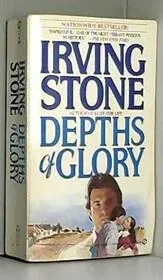
Depths of Glory
by Irving Stone
1985
This biographical novel follows Impressionist painter Camille Pissarro from his Caribbean youth to the streets of Paris, charting his friendships with Monet, Cézanne, and others and his long, uncertain fight to paint the modern world on his own terms.
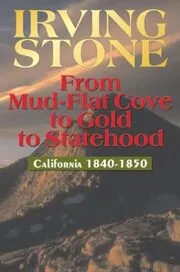
From Mud-Flat Cove to Gold to Statehood
by Irving Stone
1999
Stone traces California's turbulent decade from a quiet coastal settlement to Gold Rush chaos and admission as the thirty-first state, following settlers, Californios, soldiers, and fortune hunters as they collide over land, power, and sudden wealth.
Where to start with Irving Stone
If you want the artist stories first: Lust for Life → The Agony and the Ecstasy → Depths of Glory
If you enjoy big ideas in science and mind: The Origin → The Passions of the Mind
If you love American political history: Love Is Eternal → Those Who Love → The President's Lady
If you're drawn to the American West: Men to Match My Mountains → From Mud-Flat Cove to Gold to Statehood
If you prefer to sample everything: The Irving Stone Reader → then follow whichever excerpt grabs you.
Irving Stone collections, short stories, and related book types
Short Story Collections
Non-Fiction
Standalone Irving Stone books
Author bio
Irving Stone was born in San Francisco in 1903 and became one of the most widely read writers of biographical novels in the twentieth century.
He grew up as Irving Tennenbaum in a family that split when he was seven, later taking his stepfather's name, Stone. His mother loved books and pushed education, and he came away believing that study and hard work were his best route forward.
At the University of California, Berkeley he studied political science, stayed on for graduate work, and taught while he tried his hand at plays and short fiction. A master's degree in economics at the University of Southern California followed, along with more teaching posts, but the stories he cared about never quite worked on the stage.
In the mid-1920s he went to Europe to become a playwright and instead stumbled into the turning point of his career, an exhibit of Vincent van Gogh's paintings in Paris. The shock of that work pushed him toward a different path, and back in the United States he financed long research trips through Belgium, Holland, and France while drafting the novel that became Lust for Life.
Publishers were not eager to gamble on a long book about an unknown Dutch painter in the middle of the Depression, so the manuscript was turned down seventeen times before a small house finally accepted it, helped by sharp editing from his future wife and collaborator, Jean Factor, and when it appeared in 1934 the novel reached bestseller lists and set the course for his career.
Stone later said he had failed at every other kind of writing and simply combined the two things he loved, research and storytelling. Over the next five decades he poured that energy into books like The Agony and the Ecstasy on Michelangelo, Men to Match My Mountains on the American West, The Passions of the Mind on Sigmund Freud, The Origin on Charles Darwin, and Depths of Glory on Camille Pissarro.
His working method was slow and physical. He read letters and diaries line by line, lived for months or years in the cities and landscapes his subjects had known, and leaned on librarians and archivists in places such as UCLA to help him track down obscure sources. He liked to say that he spent two to five years 'becoming' a character before he let himself write the book.
Alongside the big artist novels he wrote nonfiction works about figures such as Clarence Darrow and Earl Warren and a study of defeated presidential candidates in They Also Ran. Again and again he returned to people who fought powerful systems or stiff convention, whether in politics, science, or art, and he tried to show the private cost of that public struggle.
Stone's marriage to Jean Stone was also a long working partnership, with Jean editing his manuscripts, traveling on research trips, and helping run the charitable foundation they funded. They made their home in Los Angeles, but his imagination roamed from Renaissance Italy to Troy, from the coal mines of Belgium to the gold fields and mountains of the American West.
He kept working late into life, publishing massive books on Darwin and Pissarro in his seventies and eighties, and when he died in Los Angeles in 1989 he left shelves of story-driven lives that still serve as many readers' first meeting with Van Gogh, Michelangelo, Lincoln, Freud, Darwin, and other complicated people from the past.






Edited by
Software engineer whose passion for tracking book recommendations from podcasts inspired the creation of MRB.
Lead investor at 3one4 Capital whose startup expertise and love for books helped shape MRB and its growth.
Comments
Did we miss something? Have feedback?
Help us improve this page by sharing your thoughts