
Ibis Trilogy Books in Order
Part ofAmitav Ghosh Books in OrderExplore the Ibis Trilogy by Amitav Ghosh in order, with book summaries, background on the opium trade, and guidance on characters and where to start.
Last updated:
As an Amazon Associate, we earn from qualifying purchases (at no extra cost to you).
Ibis Trilogy books in publication order
3 books
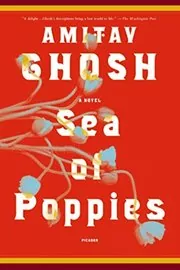
Sea of Poppies
by Amitav Ghosh
2008
Set on the eve of the First Opium War, this novel follows a Bihari widow, a disgraced zamindar, a mixed-race American sailor, and others as they board the ship Ibis for Mauritius, their intersecting journeys reshaping caste, identity, and freedom.
Recommended by
1 person Aamir Khan recommended this book
Aamir Khan
"An absolute must read! Outstanding!" - Aamir Khan
Aamir Khan's recommendation of this book

River of Smoke
by Amitav Ghosh
2011
As three ships from a violent storm converge on Canton, opium trader Bahram Modi, artist Paulette, and other survivors navigate the crowded foreign enclave, where trade intrigues and local resistance push China and the British Empire toward open conflict.

Flood of Fire
by Amitav Ghosh
2015
In the trilogy's climax, soldiers, sailors, and merchants from India, China, and Britain are drawn into the First Opium War, as the fate of the Ibis's former passengers collides with imperial ambition in a story of loyalty, profit, and rebellion.
Ibis Trilogy books in chronological order
Series background & context
The Ibis trilogy is Amitav Ghosh’s large-scale historical sequence set across the Indian Ocean world in the 1830s and 1840s, in the years leading up to the First Opium War. Across Sea of Poppies, River of Smoke, and Flood of Fire, he follows sailors, peasants, merchants, and soldiers whose lives are bound together by opium, empire, and the sea.
At the center of the series is the Ibis, a former slave ship refitted to carry convicts and indentured laborers. On board we meet characters such as Deeti, an opium farmer’s widow from rural Bihar; Zachary Reid, an American sailor of mixed heritage; the disgraced Bengali zamindar Neel; and Paulette, a French orphan raised in Calcutta. Their uneasy community on deck and below holds together people who would never otherwise have crossed paths, from lascars and sepoys to missionaries and traders.
Sea of Poppies begins in the poppy fields of the Ganges plain and on the crowded riverfront of Calcutta. As British demand for opium reshapes village life, the Ibis prepares to sail for Mauritius with a human cargo of indentured workers and prisoners. A violent storm and a shipboard rebellion force the passengers to confront caste, language, and loyalty in ways that upend the hierarchies they left behind.
In River of Smoke, the action shifts east to Canton, where foreign merchants crowd into the Thirteen Factories district and the Chinese authorities tighten restrictions on the drug trade. Survivors of the storm reappear on other vessels that were caught in the same gale, including the opium carrier Anahita and the botanical ship Redruth. Through figures like Parsi trader Bahram Modi and aspiring artist Paulette, the novel explores the feverish world of warehouses, gardens, and painting studios that grew up around opium money.
Flood of Fire carries the story into open war. Sepoys from India, British officers, Chinese officials, and former Ibis passengers are pulled into the First Opium War as fighting breaks out along the coast. Battle scenes in the Pearl River Delta and the Bay of Bengal sit alongside quieter moments of doubt, loyalty, and betrayal, as characters reckon with what it means to serve, resist, or profit from an expanding empire.
Throughout the trilogy Ghosh pays close attention to language, filling the books with Bhojpuri, Bengali, Cantonese, and the nautical slang of lascars, often explained through context or in a playful glossary. The tone mixes humor, romance, and tragedy, and the historical backdrop is drawn from extensive archival research into the opium economy and indenture. Taken together, the novels show how a single commodity linked distant ports and reshaped families and landscapes, and they are best read in publication order, beginning with Sea of Poppies.















Edited by
Software engineer whose passion for tracking book recommendations from podcasts inspired the creation of MRB.
Lead investor at 3one4 Capital whose startup expertise and love for books helped shape MRB and its growth.
Comments
Did we miss something? Have feedback?
Help us improve this page by sharing your thoughts