
Lawrence Hill Books in Order
Explore Lawrence Hill's books in order, with quick summaries, biography notes, and a clear guide to where to start with his novels, memoir, and essays.
Last updated:
As an Amazon Associate, we earn from qualifying purchases (at no extra cost to you).
Lawrence Hill books in publication order
10 books
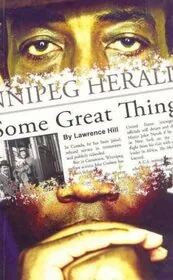
Some Great Thing
by Lawrence Hill
1992
Mahatma Grafton returns to Winnipeg and lands a job at a daily newspaper, where newsroom chaos meets questions of race, class, and responsibility. Hill mixes comedy and coming-of-age unease with a sharp look at city life.
Trials and Triumphs
by Lawrence Hill
1993
A compact history of Black life in Canada, this book surveys people, communities, and turning points from the earliest arrivals to the present. It is a clear entry point into a story too often left out of standard histories.
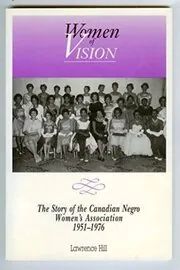
Women of Vision
by Lawrence Hill
1996
Hill chronicles the Canadian Negro Women's Association from 1951 to 1976, tracing the organizers who built community, pushed for recognition, and made space for Black women's leadership in Canada.
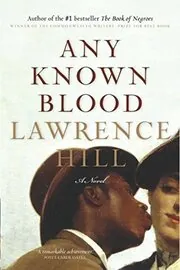
Any Known Blood
by Lawrence Hill
1997
After his life starts to unravel, Langston Cane V begins digging into five generations of family history. The novel moves through Canada and the United States as it asks where identity comes from, and what home means.
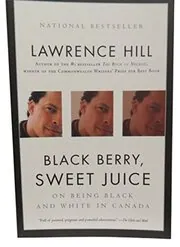
Black Berry, Sweet Juice
by Lawrence Hill
2001
Hill starts with his own mixed-race family story, then widens the lens through interviews with other Canadians of Black and white parentage. It is a personal, searching book about identity, language, and belonging.
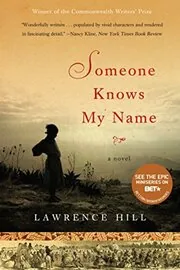
The Book of Negroes / Someone Knows My Name
by Lawrence Hill
2007
Kidnapped from West Africa as a child, Aminata Diallo is sold into slavery in South Carolina and fights her way toward freedom. Her journey carries her from Nova Scotia to London and, finally, back to Africa.
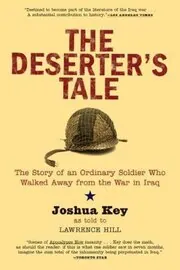
The Deserter's Tale
by Lawrence Hill
2007
Built from Hill's conversations with Joshua Key, this memoir follows a young American soldier through Iraq and toward desertion. It is both a war story and a record of conscience pushing back against what he has seen.
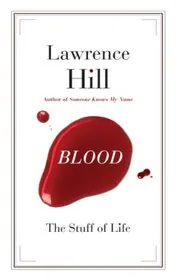
Blood
by Lawrence Hill
2012
Hill uses blood as a way into questions about science, race, family, gender, and nationhood. Part memoir and part social history, the book follows one ordinary substance into a surprising set of human stories.
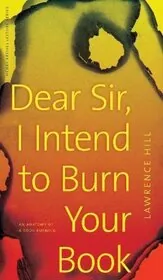
Dear Sir, I Intend to Burn Your Book
by Lawrence Hill
2013
After receiving a message from a man who planned to burn The Book of Negroes, Hill turns a personal scare into a sharp essay on censorship, identity, and the uneasy reasons books can provoke such fierce reactions.
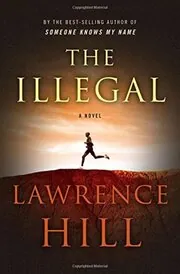
The Illegal
by Lawrence Hill
2015
Keita Ali, a gifted runner from impoverished Zantoroland, flees to Freedom State after his father's politics put his family in danger. Hiding among undocumented refugees, he trains in secret while trying to save both himself and his sister.
Where to start with Lawrence Hill
If you want the signature novel: The Book of Negroes / Someone Knows My Name
If you want a tense contemporary story: The Illegal
If you want family history and identity questions: Any Known Blood → Black Berry, Sweet Juice
If you want his earliest fiction: Some Great Thing → Any Known Blood
If you want ideas-driven nonfiction: Blood → Dear Sir, I Intend to Burn Your Book
Lawrence Hill collections, short stories, and related book types
Non-Fiction
Standalone Lawrence Hill books
Author bio
Lawrence Hill was born in Newmarket, Ontario, in 1957 and grew up in Don Mills, a mostly white Toronto suburb. He was the son of American immigrants, a Black father and a white mother, and he grew up in a household shaped by Black history and human rights work. That family background shaped the questions he would keep returning to as a writer.
It gave him material early.
As a boy, Hill cared more about running than writing. He trained hard, got up early, and dreamed of winning Olympic gold in the 5,000 metres. When that future slipped away, he had to find another way of making sense of himself. At 14, he wrote his first story on his mother's L.C. Smith typewriter, and he has spoken about tearing through books by writers such as Langston Hughes, Ralph Ellison, and James Baldwin as a teenager.
Hill studied economics at Laval University in Quebec City, then worked as a reporter at The Globe and Mail and later as parliamentary correspondent for the Winnipeg Free Press. Journalism taught him how to listen, ask one more question, and shape a heap of facts into a readable story. He later earned an M.A. in writing from Johns Hopkins University, and over time he moved fully into fiction and long-form nonfiction.
His early books already show the range. Some Great Thing takes a young reporter back to Winnipeg and finds humor, pressure, and moral mess inside a newsroom. Any Known Blood widens the frame, following Langston Cane V through family history and mixed-race identity. In Black Berry, Sweet Juice, Hill turns from fiction to memoir and interviews, writing plainly about being Black and white in Canada.
Then came the novel that brought him to far more readers.
The Book of Negroes, published in the United States as Someone Knows My Name, follows Aminata Diallo from West Africa through slavery, war, and a long search for home. The novel won major prizes and later became a television miniseries that Hill co-wrote. Readers often come for the historical sweep, but stay for Aminata, who feels observant, stubborn, and alive on the page.
Hill kept moving between forms. The Illegal brings his interest in migration, borders, and power into a tense story about a runner without papers, hiding in a wealthy country that wants him gone. His nonfiction book Blood starts with a bodily fact and opens out into science, race, gender, and citizenship. Dear Sir, I Intend to Burn Your Book turns a real threat against his work into a searching piece about censorship and offense.
Across the books, certain things keep returning: people crossing borders, unsettled identities, the pull of history, and the question of what home really means. His settings range from Toronto suburbs and Winnipeg newsrooms to slave ships, Nova Scotia docks, and imagined island states. He writes about belonging without pretending it is simple.
Hill has also volunteered in West Africa, including in Niger, Cameroon, and Mali, and those experiences widened the map of his work. Today he teaches creative writing at the University of Guelph and lives with his family in Ontario and Newfoundland. He has spent decades writing about people trying to claim their own stories in places that do not make that easy.



Edited by
Software engineer whose passion for tracking book recommendations from podcasts inspired the creation of MRB.
Lead investor at 3one4 Capital whose startup expertise and love for books helped shape MRB and its growth.
Comments
Did we miss something? Have feedback?
Help us improve this page by sharing your thoughts