
House Books in Order
Part ofNorah Lofts Books in OrderBrowse the House trilogy by Norah Lofts with all the Suffolk House novels in order, plot summaries, series background and guidance on reading this sweeping Old Vine family saga.
Last updated:
As an Amazon Associate, we earn from qualifying purchases (at no extra cost to you).
House books in publication order
3 books
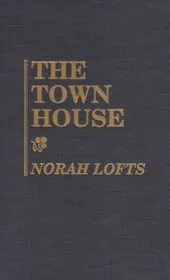
The Town House
by Norah Lofts
1959
In 1381 serf Martin Reed breaks the law of his birth and builds a small house in the town of Baildon, refusing to be property any longer. His defiance changes his fate and that of his descendants, anchoring a saga that runs through plague, revolt and shifting loyalties.
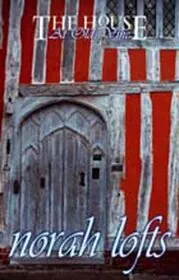
The House at Old Vine
by Norah Lofts
1961
Set between the late fifteenth century and the Restoration, this middle volume of the House trilogy tells linked stories of Old Vine’s inhabitants. Witches, rebels, merchants and lovers pass through its rooms, carrying the stubborn legacy of founder Martin Reed into new and dangerous times.
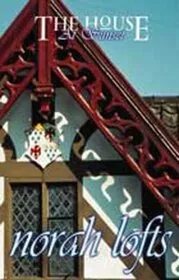
The House at Sunset
by Norah Lofts
1962
Final volume of the House trilogy, it follows Old Vine from the eighteenth century into the mid twentieth. Successive owners and tenants, from Georgian gentry to post war lodgers, reveal how one run down house mirrors shifting English class, morals and ideas about what is worth saving.
House books in chronological order
Series background & context
The House series, often called the Suffolk House trilogy, is Lofts at her most ambitious. Across The Town House, The House at Old Vine and The House at Sunset she tracks one building and the people bound to it from the late fourteenth century into the twentieth.
It begins in The Town House with Martin Reed, a villein in 1381 who is supposed to live and die tied to his lord's land. Intelligent, proud and sick of being treated as property, he seizes a risky chance to break free and build a small timber framed house in the market town of Baildon. The book follows Martin and his immediate descendants as plague, revolt and the slow erosion of serfdom reshape their world, all measured against the stubborn survival of the house he founded.
In The House at Old Vine the simple town dwelling has turned into a larger house known as Old Vine, standing a little apart from the street. The novel is structured as a chain of linked stories running from the late fifteenth century through the Civil War to the Restoration. Each section belongs to a different inhabitant, many of them women, whose lives intersect through the rooms, staircases and secret corners of Old Vine.
Here Lofts folds in witch hunts, religious upheaval, voyages of discovery and small village scandals. The house is always there in the background, sometimes prosperous, sometimes shabby, sometimes almost lost. Characters like Josiana Greenwood, an illegitimate but determined descendant of Martin Reed, show how the original act of defiance keeps echoing down the centuries.
The House at Sunset carries Old Vine into the Georgian, Victorian and early modern eras. Former grandeur gives way to decline as the house becomes a tenement, a school and an embarrassment, then finally a relic that someone decides is worth saving. Lofts uses this last volume to look at industrialisation, changing class structures and the fading of old rural rhythms, again through the very local lens of one address.
What ties the trilogy together is the sense that places remember. People come and go, dynasties rise and fall, but the building holds traces of old loves, grudges and promises. The tone is closer to social history than costume drama. Battles and kings stay offstage while births, marriages, inheritances and quarrels in kitchens and parlours take centre stage.
Readers who like multi generational sagas will find the House books unusually rooted. The geography hardly shifts, yet the emotional and historical range is wide, and Lofts lets minor characters from one era reappear in family legends or half forgotten portraits in another. The result is a long, absorbing portrait of English life told through beams, bricks and the people who call them home.






Edited by
Software engineer whose passion for tracking book recommendations from podcasts inspired the creation of MRB.
Lead investor at 3one4 Capital whose startup expertise and love for books helped shape MRB and its growth.
Comments
Did we miss something? Have feedback?
Help us improve this page by sharing your thoughts