
Horatio Hornblower Books in Order
Horatio Hornblower is a series of 12 books written by C. S. Forester.
Here, you can see them all in order! (publication year included)
Last updated:
As an Amazon Associate, we earn from qualifying purchases (at no extra cost to you).
Horatio Hornblower books in publication order
12 books

The Happy Return
by CS Forester
1937
Commanding HMS Lydia off Nicaragua in 1808, Hornblower must ally with an unpredictable revolutionary and destroy a larger Spanish warship. Changing political demands and an unexpected passenger, Lady Barbara Wellesley, complicate his already dangerous mission.
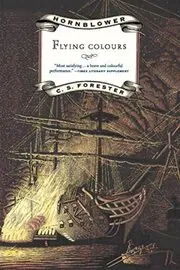
Flying Colours
by CS Forester
1938
Escaping from French captivity with a small band of companions, Hornblower must cross enemy territory, improvise disguises and rely on strangers, all while believing he may be returning to a court‑martial for surrender. It’s a story of endurance, wit and quiet loyalty.
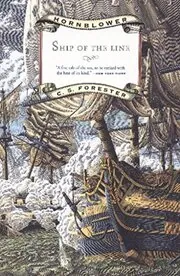
Ship of the Line
by CS Forester
1938
Hornblower at last gains command of a powerful two‑decker and is thrown into brutal fleet actions and coastal raids. Success at sea brings him honours, but a desperate stand against superior forces leaves him facing defeat, capture and the loss of everything he has built.

Commodore Hornblower
by CS Forester
1945
In 1812, Hornblower commands a squadron sent to protect Baltic trade and resist Napoleon's expansion. His mission combines naval action and diplomacy, with hostile forces and treacherous waters threatening both his men and his professional future.

Lord Hornblower
by CS Forester
1946
In the final days of the Napoleonic Wars, Hornblower is sent to quell a mutiny, only to be drawn into French politics, guerrilla fighting and awkward personal entanglements. Victory brings him rank and honour, but also reminders of how costly success can be.
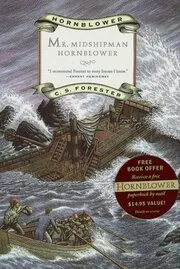
Mr. Midshipman Hornblower
by CS Forester
1950
A series of linked adventures chart Hornblower’s first years at sea, from crippling seasickness and awkward duels to prize‑taking and daring escapes, as a bookish, insecure midshipman slowly discovers that he has the nerve and ingenuity to command.
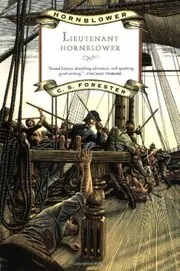
Lieutenant Hornblower
by CS Forester
1952
Told largely through the eyes of William Bush, this book shows Hornblower as a junior lieutenant under an increasingly unstable captain, trapped between duty and mutiny as a Caribbean mission turns into a test of courage, judgment and quiet loyalty.

Hornblower and the Atropos
by CS Forester
1953
Hornblower’s first command of a ship of his own, the small Atropos, takes him from organising Nelson’s funeral to leading a dangerous salvage operation for sunken treasure in Turkish waters, where diplomacy and daring seamanship prove equally vital.

Admiral Hornblower in the West Indies
by CS Forester
1957
In these later adventures Hornblower, now an admiral on the West Indies station, tackles slave‑traders, would‑be emperors and fragile new republics, using tact as often as gunfire while wrestling with age, status and the uneasy freedom that comes after long war.

Hornblower and the Hotspur
by CS Forester
1962
Newly promoted and newly married, Hornblower takes command of the sloop Hotspur on blockade duty off the French coast, enduring grinding routine, sudden danger and the slow strain that separation and responsibility put on a young captain’s nerves and marriage.

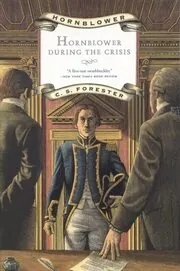
Hornblower During the Crisis
by CS Forester
1967
Returning to England after his command of Hotspur, Hornblower becomes involved in a court-martial and a new assignment. This unfinished novel set in 1805 appears with two shorter adventures from different periods of his naval career.
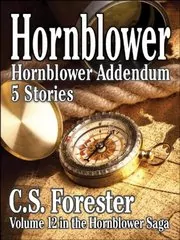
Hornblower Addendum
by CS Forester
2011
Five short adventures follow Hornblower as lieutenant, captain, and admiral, bringing together stories originally published in magazines. Mutiny, an Irish uprising, and acts of compassion test his judgment outside the longer narratives of the main novels.







Edited by
Software engineer whose passion for tracking book recommendations from podcasts inspired the creation of MRB.
Lead investor at 3one4 Capital whose startup expertise and love for books helped shape MRB and its growth.
Comments
Did we miss something? Have feedback?
Help us improve this page by sharing your thoughts