
CS Forester Books in Order
Browse C. S. Forester books in order, with brief summaries, Hornblower reading order, series background, and tips on where to start his sea adventures.
Last updated: 4 new books added
As an Amazon Associate, we earn from qualifying purchases (at no extra cost to you).
CS Forester books in publication order
57 books

A Pawn Among Kings
by CS Forester
1924
Set against a backdrop of European power politics, this story follows a relatively ordinary protagonist who finds himself used by greater figures, slowly realising how little control he has and what it might cost to stop being merely a pawn on other men’s boards.

Napoleon and His Court
by CS Forester
1924
Forester paints a portrait of Napoleon from his Corsican youth to his imperial zenith, then looks outward to the family members, courtiers and officials who filled his court, showing how their ambitions, rivalries and loyalties helped shape the rise and fall of his empire.

The Paid Piper
by CS Forester
1924
An early novel about a decent man drawn into other people’s schemes, exploring how easy it is to become the instrument of stronger wills and how hard it can be to step back once pride, obligation and fear are pulling in opposite directions.

Josephine, Napoleon's Empress
by CS Forester
1925
A biography of Joséphine de Beauharnais, tracing her journey from a Caribbean childhood and Revolutionary turmoil to her marriage with Napoleon, her years as empress and her final life at Malmaison, with attention to both politics and the emotional cost of imperial glory.

Payment Deferred
by CS Forester
1926
A timid London bank clerk, crushed by debts and dull respectability, murders his well‑off nephew for the cash and hides the body. Prosperity follows, but so do guilt, blackmail and family decay, as he discovers that nothing about the crime will stay buried forever.

Love Lies Dreaming
by CS Forester
1927
Narrated by a young novelist struggling to write, this story turns on the quarrels and small joys of early married life, showing how jealousy, insecurity and everyday tenderness with his wife Constance become the real material for the book he is trying to create.
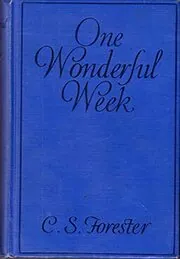
The Wonderful Week
by CS Forester
1927
This early mystery follows ordinary people who are drawn into a chain of extraordinary events over the course of seven days, as one impulsive decision after another turns a quiet life into a suspenseful tangle of danger, misunderstanding and chance.

Victor Emmanuel II and the Union of Italy
by CS Forester
1927
Forester’s history of Italian unification follows Victor Emmanuel II from the aftermath of Napoleon to the creation of a united kingdom, explaining the diplomacy, wars and personalities that reshaped the peninsula up through the early twentieth century.

Louis XIV
by CS Forester
1928
A concise life of Louis XIV that sketches his childhood amid civil war, his long personal rule from Versailles and the wars and policies that made France both dominant and exhausted, offering a clear portrait of Europe’s most famous absolute monarch.

The Shadow of the Hawk / The Daughter of the Hawk
by CS Forester
1928
An early novel of tangled loyalties and family tensions, following characters whose comfortable lives are disrupted by old grievances and new desires, and who must decide what they are willing to sacrifice when love and ambition no longer point in the same direction.
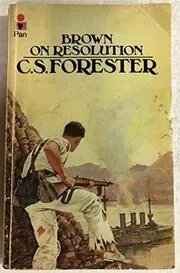
Brown on Resolution
by CS Forester
1929
Leading Seaman Albert Brown, the sole fit survivor of a sunken cruiser, escapes onto a lonely Pacific island where a crippled German warship is repairing. With only a rifle, he snipes at work parties and sacrifices himself to buy time for pursuing British forces.

Lord Nelson / Nelson
by CS Forester
1929
Forester’s short biography of Admiral Horatio Nelson traces his rise from sickly midshipman to the architect of victories like the Nile and Trafalgar, focusing on his style of command, his boldness in battle and the personal flaws that complicated his private life.
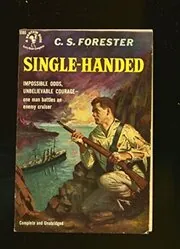
Single-Handed
by CS Forester
1929
After his ship is sunk in wartime, a young sailor finds himself stranded on a remote island near a damaged enemy raider. Armed with a rifle and determination, he wages a one‑man campaign to delay repairs long enough for Allied warships to catch their prey.
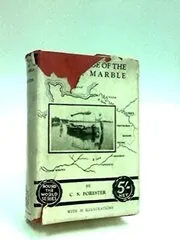
The Voyage of the Annie Marble
by CS Forester
1929
A light, observant travel book in which Forester recounts a cruise in the small boat Annie Marble along rivers and canals, noting changing landscapes, minor mishaps, and the pleasures and irritations of living in cramped quarters on slow‑moving water.

Plain Murder
by CS Forester
1930
Three advertising men, caught taking bribes, decide to murder the colleague who can expose them and make it look like an accident. Once they cross that line, greed, fear and blackmail drag them deeper into crime until their “perfect” plan unravels.
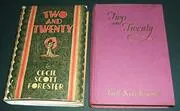
Two-and-twenty
by CS Forester
1931
A struggling professional boxer unexpectedly becomes famous as a poet, and the life he thought he wanted collides with the demands of sudden literary success. The novel follows his uneasy choice between the brutal honesty of the ring and the gentler world that now claims him.

Rifleman Dodd / Death to the French
by CS Forester
1932
Cut off behind enemy lines in Portugal, Rifleman Matthew Dodd joins local partisans and wages a lonely, stubborn campaign against the French, harassing patrols and supply lines for months with no hope of recognition, driven only by duty and endurance.
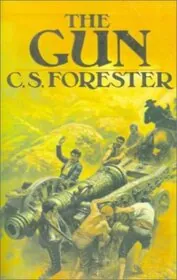
The Gun
by CS Forester
1933
In occupied Spain during the Peninsular War, a massive bronze cannon becomes the symbol and tool of resistance as guerrilla bands haul it over mountains, ambush French columns and fall, one by one, to betrayal, bullets and the sheer grind of war.

The Peacemaker
by CS Forester
1934
A shabby London schoolteacher escapes his joyless marriage through a secret scientific invention and an infatuation with his headmaster’s pacifist daughter. When a mysterious “Peacemaker” begins disrupting machinery to force disarmament, he must face what his ideals have unleashed.

The African Queen
by CS Forester
1935
In German East Africa at the outbreak of World War I, prim missionary Rose Sayer and rough engineer Charlie Allnutt take the little steamboat African Queen down a dangerous river, planning a suicidal attack on a German gunboat and finding love amid rapids, fever and war.

The Pursued
by CS Forester
1935
When Marjorie’s young sister is found dead in her kitchen, the death is ruled a suicide, but her tough‑minded mother suspects murder. As secrets about Marjorie’s bullying husband surface, a quiet domestic life turns into a slow, claustrophobic hunt for the truth.

Marionettes at home
by CS Forester
1936
Forester’s practical and surprisingly playful guide to amateur puppetry walks readers through building a home marionette theatre, carving and dressing figures, and staging small productions, all drawn from his own enthusiasm for putting on puppet shows.

The General
by CS Forester
1936
Following Herbert Curzon from the Boer War to high command in World War I, this novel shows a brave but conventional officer promoted beyond his insight, ordering men to their deaths in trench battles he barely understands and paying a quiet, terrible price for his limitations.
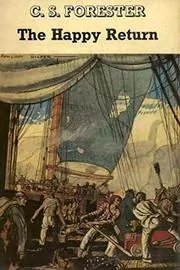
The Happy Return
by CS Forester
1937
Commanding HMS Lydia off Nicaragua in 1808, Hornblower must ally with an unpredictable revolutionary and destroy a larger Spanish warship. Changing political demands and an unexpected passenger, Lady Barbara Wellesley, complicate his already dangerous mission.
The Happy Return / Beat to Quarters
by CS Forester
1937
In 1808 Captain Hornblower, commanding the frigate Lydia in distant waters, is ordered to support a Central American rebel and then confront a much more powerful Spanish warship. Political reversals, a dangerous romance and a desperate single‑ship action test him to the limit.
Flying Colours
by CS Forester
1938
Escaping from French captivity with a small band of companions, Hornblower must cross enemy territory, improvise disguises and rely on strangers, all while believing he may be returning to a court‑martial for surrender. It’s a story of endurance, wit and quiet loyalty.
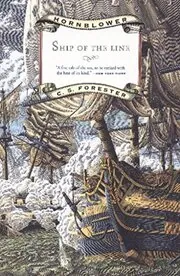
Ship of the Line
by CS Forester
1938
Hornblower at last gains command of a powerful two‑decker and is thrown into brutal fleet actions and coastal raids. Success at sea brings him honours, but a desperate stand against superior forces leaves him facing defeat, capture and the loss of everything he has built.

The Earthly Paradise
by CS Forester
1940
Told through the eyes of Don Narciso Rich, this novel follows Christopher Columbus’s troubled third voyage to the New World, exploring greed, ambition, misplaced idealism and the disillusion that follows when the promised earthly paradise proves far more complicated.
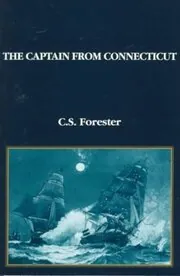
The Captain from Connecticut
by CS Forester
1941
During the War of 1812, American captain Josiah Peabody slips his frigate through a blizzard and out past a British blockade, then raids enemy commerce in the Caribbean while navigating uneasy truces, a determined British rival and an unexpected romance.
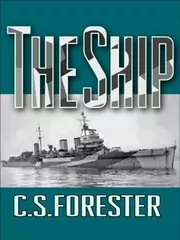
The Ship
by CS Forester
1943
Set over a single tense afternoon, this novel takes readers aboard the cruiser HMS Artemis as she escorts a vital convoy to Malta and prepares to face a superior Italian fleet, cutting between officers and crew to show how many small lives feed one great battle.
Recommended by
1 person Christopher Hitchens recommended this book
Christopher Hitchens
"The odds in tonnage and gunnery are adjusted in favour of the British side by sheer discipline, pluck and morale." - Christopher Hitchens
Christopher Hitchens's recommendation of this book
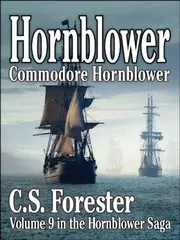
Commodore Hornblower
by CS Forester
1945
In 1812, Hornblower commands a squadron sent to protect Baltic trade and resist Napoleon's expansion. His mission combines naval action and diplomacy, with hostile forces and treacherous waters threatening both his men and his professional future.
The Commodore / Commodore Hornblower
by CS Forester
1945
Promoted to commodore, Hornblower must weld a small squadron into an effective force in the Baltic, juggling diplomacy with Russia and Sweden while carrying out amphibious raids and blockades that may help bring Napoleon’s power to an end.
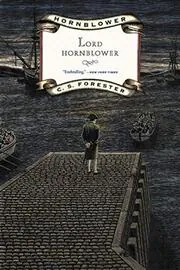
Lord Hornblower
by CS Forester
1946
In the final days of the Napoleonic Wars, Hornblower is sent to quell a mutiny, only to be drawn into French politics, guerrilla fighting and awkward personal entanglements. Victory brings him rank and honour, but also reminders of how costly success can be.

The Sky and the Forest
by CS Forester
1948
Loa rules his Central African tribe as both king and god, confident in his absolute power, until European agents arrive to carve up his world. What follows is a stark, sometimes brutal story of conquest, resistance and a leader forced to see himself anew.
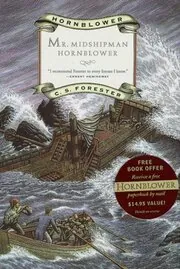
Mr. Midshipman Hornblower
by CS Forester
1950
A series of linked adventures chart Hornblower’s first years at sea, from crippling seasickness and awkward duels to prize‑taking and daring escapes, as a bookish, insecure midshipman slowly discovers that he has the nerve and ingenuity to command.

Randall and the River Of Time
by CS Forester
1950
After a hasty marriage and a killing that lands him in prison, Randall looks back over his life, from the horror of First World War trenches to a murder trial that may end it. The novel follows one man swept along by chance and bad choices toward an uncertain future.
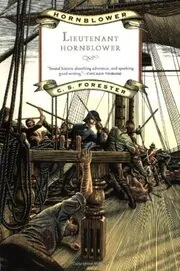
Lieutenant Hornblower
by CS Forester
1952
Told largely through the eyes of William Bush, this book shows Hornblower as a junior lieutenant under an increasingly unstable captain, trapped between duty and mutiny as a Caribbean mission turns into a test of courage, judgment and quiet loyalty.
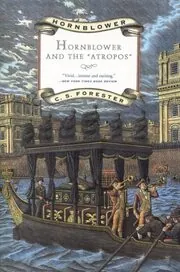
Hornblower and the Atropos
by CS Forester
1953
Hornblower’s first command of a ship of his own, the small Atropos, takes him from organising Nelson’s funeral to leading a dangerous salvage operation for sunken treasure in Turkish waters, where diplomacy and daring seamanship prove equally vital.
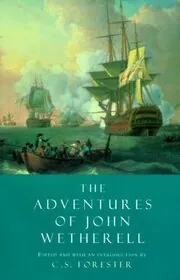
The Adventures of John Wetherell
by CS Forester
1954
Edited and shaped by Forester, this book presents the vivid diary of seaman John Wetherell, describing harsh life in the early nineteenth‑century Royal Navy, shipwreck, imprisonment in France and the stubborn resilience that kept him, and thousands like him, going.
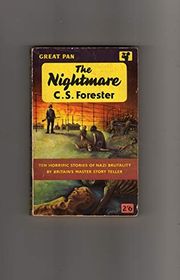
The Nightmare
by CS Forester
1954
Ten stories fictionalize evidence from the Nuremberg trials to portray life and violence under Nazi rule. Forester examines how organized cruelty could operate within the law, confronting the human consequences of a regime built around persecution and terror.
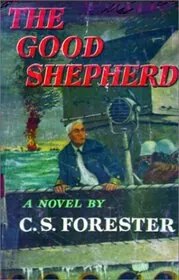
The Good Shepherd/Greyhound
by CS Forester
1955
Set during the Battle of the Atlantic, this novel follows Commander Krause through fifty‑two exhausting hours on the bridge of his destroyer as he shepherds a vulnerable convoy through U‑boat‑infested waters, battling the enemy, the sea and his own self‑doubt.
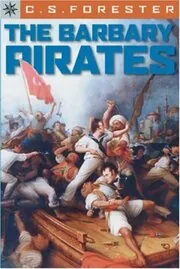
The Barbary Pirates
by CS Forester
1956
Written for younger readers, this history of the Barbary Wars follows American sailors and marines to the shores of Tripoli, explaining how corsairs preyed on merchant ships and how a small, untested U.S. Navy fought back in daring raids and coastal battles.
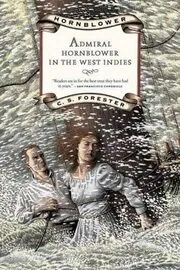
Admiral Hornblower in the West Indies
by CS Forester
1957
In these later adventures Hornblower, now an admiral on the West Indies station, tackles slave‑traders, would‑be emperors and fragile new republics, using tact as often as gunfire while wrestling with age, status and the uneasy freedom that comes after long war.
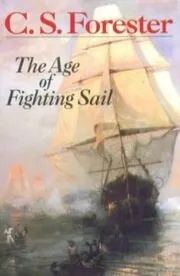
The Age of Fighting Sail
by CS Forester
1957
A vivid, narrative history of the War of 1812 at sea, tracing famous ship‑to‑ship actions and lesser‑known engagements while setting them against the wider politics that allowed a young republic to challenge, and sometimes humble, the Royal Navy.
The Naval War of 1812 / The Age of Fighting Sail
by CS Forester
1957
Forester’s account of the naval war between the United States and Britain examines the major frigate duels, lake campaigns and convoy battles of 1812–1815, explaining how design, seamanship and leadership shaped a conflict that embarrassed a great sea power.

A tense narrative history of the 1941 chase of the German battleship Bismarck, following British ships and crews from the first sighting to the final battle, and showing how intelligence, luck and relentless pursuit combined to bring a seemingly invincible raider down.
Hornblower and the Hotspur
by CS Forester
1962
Newly promoted and newly married, Hornblower takes command of the sloop Hotspur on blockade duty off the French coast, enduring grinding routine, sudden danger and the slow strain that separation and responsibility put on a young captain’s nerves and marriage.
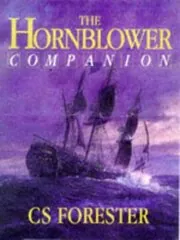
The Hornblower Companion
by CS Forester
1964
A companion volume to the Hornblower saga, combining Forester’s personal commentary on how the novels were written with detailed maps and illustrations that trace Hornblower’s voyages and battles, helping readers follow the action across real coastlines and seas.

Hornblower During the Crisis
by CS Forester
1967
Returning to England after his command of Hotspur, Hornblower becomes involved in a court-martial and a new assignment. This unfinished novel set in 1805 appears with two shorter adventures from different periods of his naval career.
Hornblower During the Crisis / Hornblower and the Crisis
by CS Forester
1967
An unfinished Hornblower novel that finds Captain Hornblower on a secret intelligence mission just before Trafalgar, carrying forged orders meant to mislead Napoleon’s forces while he weighs the personal risks of espionage alongside his duty to the Navy.

Long Before Forty
by CS Forester
1967
Forester’s brief autobiography looks back on his lonely apprenticeship as a writer, from abandoned medical studies and early failures to the first small successes, ending with candid notes about how Horatio Hornblower was conceived and shaped on the page.

Fatal Fascination
by CS Forester
1968
A collaborative true‑crime book in which Nigel Balchin, C. S. Forester, Eric Linklater and Christopher Sykes each retell a notorious case, from William Joyce to royal assassinations, blending narrative drive with reflection on motive, justice and historical evidence.

Poo-Poo and the Dragons
by CS Forester
1968
Young Harold "Poo-Poo" Heavyside Brown stumbles on a full‑grown dragon named Horatio and brings him home, soon sharing family life with a trio of helpful but troublesome dragons whose antics turn ordinary days into a chain of comic adventures.

The Man in the Yellow Raft
by CS Forester
1969
These stories follow American sailors serving during the Second World War, balancing the monotony and discomfort of naval life with sudden danger. Courage, discipline, and everyday human frailty emerge as men face threats that can turn routine duties deadly.
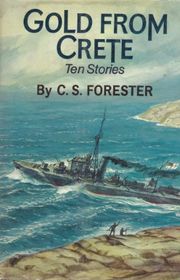
Gold from Crete
by CS Forester
1970
Ten wartime tales follow men confronting danger, espionage, and uncertainty across the North Atlantic and Mediterranean. Their missions reveal how courage and resourcefulness operate under pressure, when survival depends on decisions made amid the confusion of the Second World War.

Hornblower Addendum
by CS Forester
2011
Five short adventures follow Hornblower as lieutenant, captain, and admiral, bringing together stories originally published in magazines. Mutiny, an Irish uprising, and acts of compassion test his judgment outside the longer narratives of the main novels.

U 97
by CS Forester
2020
As the First World War draws to an end, a German submarine commander prepares a desperate attack on the British fleet. This drama explores military duty, personal honor, and the moral cost of sending men toward almost certain death.
Where to start with CS Forester
If you want to follow Hornblower from the beginning: Mr. Midshipman Hornblower → Lieutenant Hornblower → Hornblower and the Hotspur
If you prefer Hornblower already seasoned and in command: The Happy Return → Ship of the Line → Flying Colours
If you like World War II at sea: The Good Shepherd → The Ship → Brown on Resolution
If you enjoy land war and character studies: The General → Rifleman Dodd → The Gun
If you want stand‑alone adventures beyond Hornblower: The African Queen → The Captain from Connecticut → The Sky and the Forest
CS Forester sub-series and character series
Horatio Hornblower (CS Forester) books in order
Explore this series


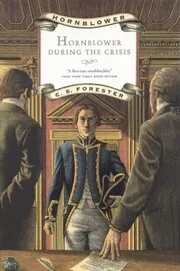
Hornblower During the Crisis / Hornblower and the Crisis
by CS Forester
1967Horatio Hornblower, Book 11
Horatio Hornblower (CS Forester) books in chronological order
Hornblower During the Crisis / Hornblower and the Crisis
by CS Forester
1967Horatio Hornblower, Book 11
Standalone CS Forester books
Author bio
C. S. Forester was born in Cairo in 1899, the youngest child of an English teacher and his wife, and moved to London with his mother after his parents’ marriage broke down.
He went to school at Alleyn’s and Dulwich College, bright but not especially athletic, short-sighted and already more at home with books than ball games. He began training as a doctor at Guy’s Hospital, then quietly walked away from medicine when it became clear his heart was somewhere else.
In his early twenties he started writing in earnest, living cheaply in London while he learned, by trial and error, how to tell a story. Crime novel Payment Deferred and the World War I sea tale Brown on Resolution were among the first to give him both an audience and enough money to live on.
Across the 1930s he ranged widely: the Peninsular War novels The Gun and Death to the French (later published in the United States as Rifleman Dodd), the African adventure The African Queen, and the First World War study The General. Again and again he returned to ordinary men pushed into unforgiving situations, doing their best with the skills and courage they had.
Hornblower arrived almost by accident. Forester first published The Happy Return (better known in the United States as Beat to Quarters), dropping readers straight into the life of a Royal Navy captain in 1808. When people wanted more, he wrote backward and forward around that book, eventually building a 12‑book sequence that follows Horatio Hornblower from awkward midshipman to tired, self‑doubting admiral. Two of those books, A Ship of the Line and Flying Colours, later shared a major British fiction prize.
Forester had a knack for mixing clean, economical prose with careful research. Whether he was sending a destroyer group through Atlantic storms in The Good Shepherd or sketching the age of sail in The Age of Fighting Sail, he liked the technical details of ships and weapons, but kept the focus on the people using them.
During the Second World War he moved to the United States and worked for the British Ministry of Information, writing pieces that explained Britain’s war to American readers and quietly argued for support. In Washington he met a young RAF pilot named Roald Dahl and urged him to write about his own experiences, a nudge that helped set another writer on his way.
Film makers were drawn to his stories. The African Queen became a classic screen adventure; Hunting the Bismarck fed into the wartime film Sink the Bismarck!; and Hornblower himself reached cinemas and later television, where his blend of nerve, doubt and professionalism still felt modern.
Away from war and sea stories he tried other forms: children’s books such as Poo-Poo and the Dragons and The Barbary Pirates, biographies of figures like Nelson, Louis XIV and Napoleon, and even a how‑to manual for amateur puppeteers, Marionettes at Home. What ties the shelves together is a quiet interest in how people behave when duty, fear and private hopes all pull at once.
Forester spent his later years in California, eventually settling in Fullerton with family. After a stroke in the mid‑1960s his writing slowed, but the books he had already finished kept finding new readers. He died there in 1966, having left behind one of the defining naval heroes in modern fiction and a body of work that still feels brisk, precise and human.













Edited by
Software engineer whose passion for tracking book recommendations from podcasts inspired the creation of MRB.
Lead investor at 3one4 Capital whose startup expertise and love for books helped shape MRB and its growth.
Comments
Did we miss something? Have feedback?
Help us improve this page by sharing your thoughts