
Harry Harrison Books in Order
Explore Harry Harrison books in order, with quick summaries, major series, reading paths, and background on Deathworld, Eden, and the Stainless Steel Rat.
Last updated:
As an Amazon Associate, we earn from qualifying purchases (at no extra cost to you).
Harry Harrison books in publication order
91 books

The Web of the Worlds
by Harry Harrison
1953
An early collaborative science fiction tale that hints at Harrison's taste for big ideas and dangerous settings. Even in short form, the story pushes quickly toward problem-solving under pressure.

Navy Day
by Harry Harrison
1954
An early short piece that turns a military-flavored set-up into a brisk science fiction problem story. Harrison's skepticism about official power is already easy to spot.

The Velvet Glove
by Harry Harrison
1956
In a society that claims robots have rights but still treats them as lesser beings, one specialist robot searches for work and dignity. Harrison uses the premise for a sharp, sympathetic reversal.

Arm of the Law
by Harry Harrison
1958
One of Harrison's robot-centered short stories, this piece turns law, force, and authority into a fast-moving science fiction puzzle. It is brief, pointed, and very much of a piece with his early work.

The Repairman
by Harry Harrison
1958
A spacefaring troubleshooter is sent to repair an ancient hyperspace beacon wrapped inside alien culture and local danger. It is a compact, clever story about maintenance work turning into first contact.
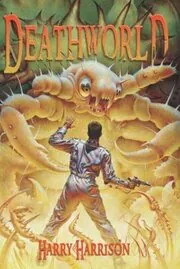
Deathworld
by Harry Harrison
1960
Professional gambler Jason dinAlt is recruited to help the colonists of Pyrrus, a planet where nature itself seems bent on murder. Harrison turns ecological hostility into pure high-pressure adventure.

The K-Factor
by Harry Harrison
1960
A compact Harrison science fiction story built around one dangerous idea and the human impulse to use it anyway. The fun comes from how quickly a neat concept becomes a real problem.

The Misplaced Battleship
by Harry Harrison
1960
Overwhelming military hardware ends up exactly where it should not be, and the consequences unfold with dry amusement. Harrison likes practical chaos, and this story delivers it efficiently.
Stainless Steel Rat
by Harry Harrison
1961
Master thief Slippery Jim diGriz finally meets the people clever enough to catch him, and they want to recruit him. The result is one of science fiction's most enjoyable rogue-goes-legit, sort of, stories.
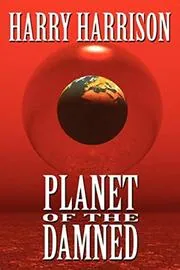
Planet of the Damned / A Sense of Obligation
by Harry Harrison
1962
This edition pairs Harrison's classic Brion Brandd adventure with its earlier title history. Brion is sent to a brutally dangerous world where diplomacy, survival, and looming war all collide.

War with the Robots
by Harry Harrison
1962
A short story collection tied together by Harrison's recurring interest in robots doing human jobs too well. The pieces mix wit, unease, and practical speculation about machine competence.
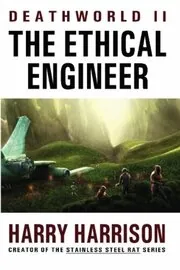
Deathworld II: The Ethical Engineer
by Harry Harrison
1964
Jason dinAlt is stranded on a violent world where slavery, feuds, and guarded scraps of technology shape everyday life. To survive, he has to outthink societies that trust force more than reason.
Bill, the Galactic Hero
by Harry Harrison
1965
A farm boy is shoved into military service and discovers that galactic heroism mostly means chaos, propaganda, and stupid orders. Harrison's anti-war satire is broad, funny, and mean in the right ways.
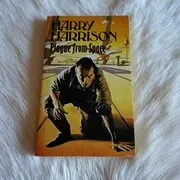
Plague from Space
by Harry Harrison
1965
A returning spaceship brings back a deadly contagion and throws Earth into panic. Harrison builds the novel around a simple nightmare, discovery from space that humanity was not ready to receive.
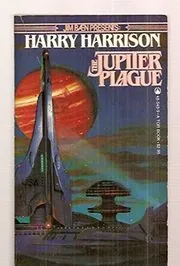
The Jupiter Plague
by Harry Harrison
1965
A space mission returns carrying a disease with terrifying planetary consequences. The novel combines disaster tension with the creeping realization that curiosity and catastrophe can arrive together.

Two Tales and Eight Tomorrows
by Harry Harrison
1965
A collection of Harrison stories from the late 1950s and early 1960s, ranging from light adventure to darker, more pointed material. It is a strong snapshot of his early range.
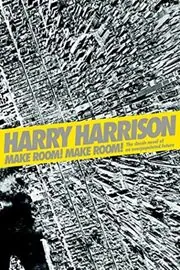
Make Room! Make Room!
by Harry Harrison
1966
In an overcrowded future New York, a police investigation unfolds against crushing scarcity and social exhaustion. It is one of Harrison's darker books, driven less by gadgets than by pressure on ordinary lives.
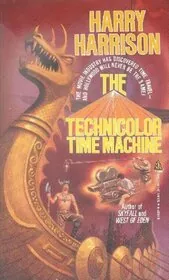
The Technicolor Time Machine
by Harry Harrison
1967
A failing movie studio gets access to a time machine and decides the sensible thing is to film a Viking epic in the real past. Harrison turns Hollywood desperation into a smart comic time-travel romp.
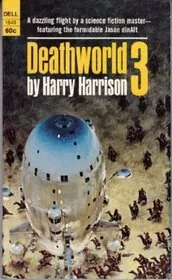
Deathworld 3
by Harry Harrison
1968
Jason dinAlt heads to Felicity, a world full of social violence and deeper danger than it first appears. He has to survive the culture, read the trap, and keep disaster from becoming permanent.
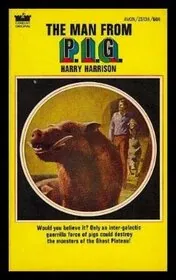
The Man from P.I.G.
by Harry Harrison
1968
A spoof of secret-agent fiction in which an interstellar operative tackles missions with help that is exactly as ridiculous as the title suggests. Harrison keeps it fast, silly, and knowingly over the top.
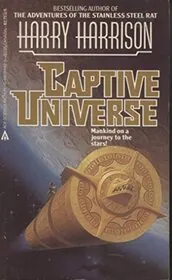
Captive Universe
by Harry Harrison
1969
Chimal grows up in what seems to be an isolated Aztec-style valley, but the truth about his world is far stranger. Harrison uses the set-up to build a sharp generation-ship mystery.
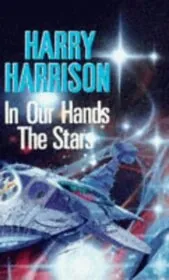
In Our Hands, the Stars / The Daleth Effect
by Harry Harrison
1970
An Israeli scientist discovers a simple breakthrough that could transform space travel and warfare at the same time. Harrison turns that idea into a race against militaries, governments, and consequences.

One Step from Earth
by Harry Harrison
1970
A linked short story collection about instant matter transmission and the ways it reshapes everyday life. Harrison follows one invention outward into transport, crime, war, and social change.

Prime Number
by Harry Harrison
1970
This collection gathers a broad run of Harrison's shorter science fiction, showing both his humor and his liking for one clean speculative hook. It works best as a shelf for browsing and sampling.
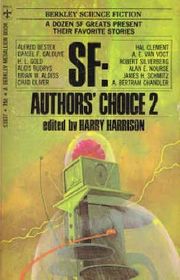
SF Authors' Choice 2
by Harry Harrison
1970
A second volume of author-centered science fiction selections, edited to highlight personal favorites and overlooked strengths. It is part anthology, part conversation about what writers value in their own field.

Spaceship Medic
by Harry Harrison
1970
After a meteoroid strike kills most senior officers aboard a passenger liner, young medic Donald Chase has to keep the ship alive. As if that were not enough, a deadly plague is moving through the survivors.

The Jupiter Legacy
by Harry Harrison
1970
A mission linked to Jupiter brings back more than discovery, forcing humanity to face a threat with world-scale consequences. Harrison keeps the focus on survival, uncertainty, and the cost of delay.
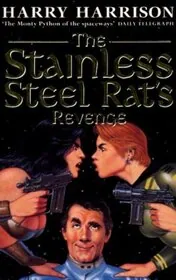
The Stainless Steel Rat's Revenge
by Harry Harrison
1970
Jim's marriage to the formidable Angelina does not exactly lead to a quiet life. Instead, love, crime, and official meddling collide in a caper where trust matters almost as much as nerve.
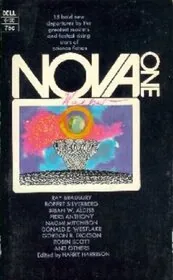
Nova One
by Harry Harrison
1971
The first Nova anthology launches Harrison's original-story showcase with a deliberately broad spread of science fiction. It is a good starting point if you want to see him as a genre editor.

The Stainless Steel Rat Saves The World
by Harry Harrison
1971
When history itself starts going wrong, Jim diGriz has to chase the damage far beyond an ordinary crime. Harrison gives the Rat a time-bending mission with bigger stakes than even he expected.
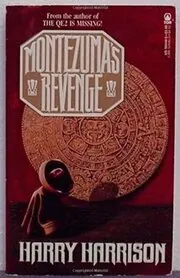
Montezuma's Revenge
by Harry Harrison
1972
A supposedly lost Leonardo painting surfaces in Mexico, and art expert Tony Hawkin is sent to find out what is really going on. The investigation quickly turns into a full thriller.
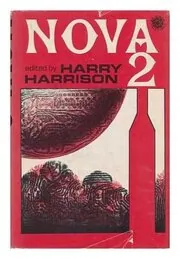
Nova 2
by Harry Harrison
1972
The second Nova anthology expands Harrison's showcase of original science fiction voices. Readers can expect range, surprise, and a clear sense that the editor enjoyed variety more than sameness.
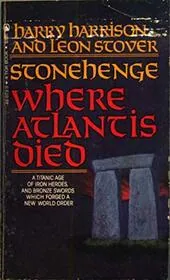
Stonehenge: Where Atlantis Died
by Harry Harrison
1972
This historical fantasy imagines the making of Stonehenge through migration, conflict, and old-world collapse. Harrison and Leon Stover go wide, turning monument-building into a saga of survival and power.
Tunnel Through the Deeps / A Transatlantic Tunnel, Hurrah!
by Harry Harrison
1972
In an alternate world where Britain still dominates North America, a vast transatlantic tunnel project becomes the center of politics and ambition. Harrison mixes engineering spectacle with sly historical play.
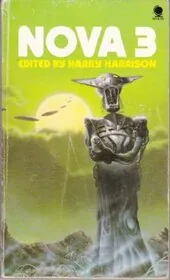
Nova 3 / The Outdated Man
by Harry Harrison
1973
This volume continues Harrison's Nova anthology line, gathering original science fiction with room for adventure, satire, and stranger experiments. It is less a single mood than a curated spread.
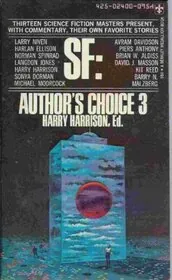
SF Authors' Choice 3
by Harry Harrison
1973
Another entry in Harrison's anthology project, built around writers and the stories they most wanted readers to see. It is a strong way to sample science fiction through the tastes of its own creators.
Nova IV
by Harry Harrison
1974
The fourth Nova anthology continues Harrison's editorial mix of original science fiction, varied voices, and shifting styles. It is meant for readers who enjoy browsing the genre in motion.
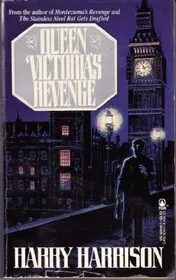
Queen Victoria's Revenge
by Harry Harrison
1974
Tony Hawkin is pulled into another case where history, politics, and mystery overlap. Harrison keeps the pace sharp and uses Tony's expertise to turn cultural puzzles into real danger.

SF: Authors' Choice 4
by Harry Harrison
1974
The fourth volume in Harrison's anthology line keeps the focus on author-selected stories and personal critical context. It is a handy way to read science fiction through the tastes of the people who wrote it.
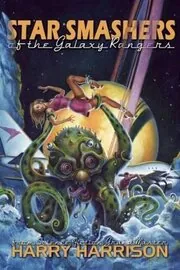
Star Smashers of the Galaxy Rangers
by Harry Harrison
1974
Two students invent a wildly improbable drive and somehow end up in the middle of a galactic war. This is Harrison parodying space opera with a straight face and very little mercy.
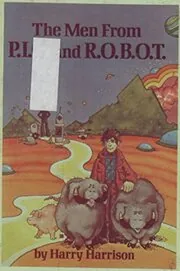
The Men from P.I.G. and R.O.B.O.T.
by Harry Harrison
1974
These linked novellas spoof spy fiction in space, following absurd interstellar agents through missions no sane service would approve. Harrison plays the whole thing for brisk comedy and cheerful nonsense.

Decade, the 1940s
by Harry Harrison
1975
A look back at 1940s science fiction through a carefully chosen anthology of the period's standout work. It captures a field still close to pulp roots but already stretching toward bigger ambitions.

The California Iceberg
by Harry Harrison
1975
A grand scheme to tow an iceberg to water-starved California runs into politics, greed, and sabotage. Harrison takes a big practical idea and lets human folly attack it from every side.
Decade, the 1950s
by Harry Harrison
1976
This anthology looks back at science fiction from the 1950s, gathering stories that show the era's confidence, anxiety, and expanding range. It works well as both sampler and time capsule.
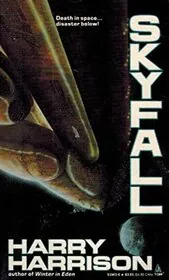
Skyfall
by Harry Harrison
1976
A nuclear-powered space station is doomed to crash back to Earth, and the countdown drives everything. Harrison treats the premise as pure disaster fiction, fast, tense, and steadily escalating.
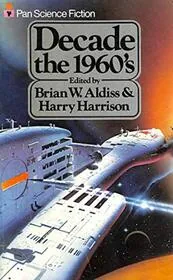
Decade, the 1960s
by Harry Harrison
1977
A retrospective anthology of science fiction from the 1960s, edited to show how the field widened and changed. It is part reading collection, part guided tour through an important decade.
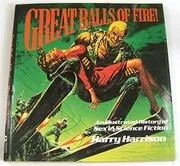
Great Balls of Fire
by Harry Harrison
1977
Harrison spins a quick, unruly adventure around invention, history, and looming disaster. The pleasure is in the pace, the escalating complications, and the sense that everything is about to go gloriously wrong.

The Best of Harry Harrison
by Harry Harrison
1977
A retrospective collection that pulls together some of Harrison's strongest shorter work across many moods and subgenres. It is one of the easiest places to sample how wide his range could be.
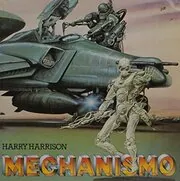
Mechanismo
by Harry Harrison
1978
As smart machines move closer to everyday police work, Harrison turns a crime story into a tense look at automation, control, and what happens when human judgment is pushed aside.
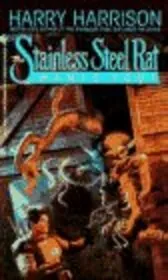
The Stainless Steel Rat Wants You!
by Harry Harrison
1978
Jim hopes for something like peace and gets dragged into another assignment instead. Harrison mixes scams, pressure, and far-future absurdity into a caper that never stays simple for long.
Planet Story
by Harry Harrison
1979
A short, illustrated science fiction adventure that gives Harrison room to do what he does well, drop readers onto an alien world, raise the stakes quickly, and let survival drive the plot.
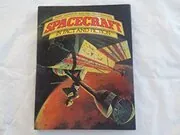
Spacecraft In Fact and Fiction
by Harry Harrison
1979
Harrison steps into nonfiction here, comparing imagined spacecraft with the real engineering behind space travel. It is a smart bridge between classic science fiction dreams and practical design.
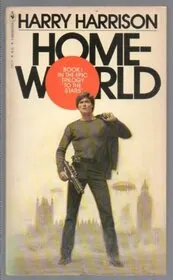
Homeworld
by Harry Harrison
1980
Jan Kulozik begins on a tightly controlled world where official history does not quite add up. Once he starts looking behind the system, escape becomes both possible and necessary.
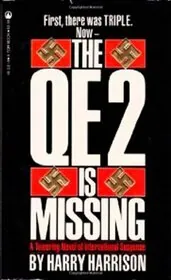
The QEII is Missing
by Harry Harrison
1980
A great ocean liner is found adrift with its passengers and crew gone. Harrison turns that eerie image into a fast thriller of politics, conspiracy, and dangerous unanswered questions.
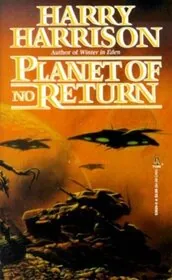
Planet of No Return
by Harry Harrison
1981
Brion Brandd heads for another lethal world where every answer seems to hide a deeper trap. It is a lean planetary adventure built on danger, mystery, and the need to think before shooting.
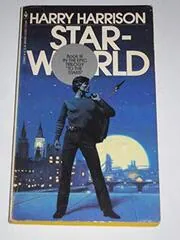
Starworld
by Harry Harrison
1981
The final To the Stars novel pushes Jan from frontier struggle into a much larger conflict over power and human destiny. The scope grows, but Harrison keeps the plot moving hard.
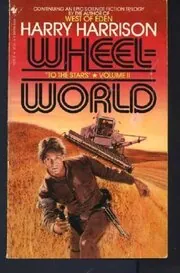
Wheelworld
by Harry Harrison
1981
Jan Kulozik's fight for freedom becomes a brutal planetary migration across a world full of natural danger and human treachery. Survival now depends on leadership as much as escape.
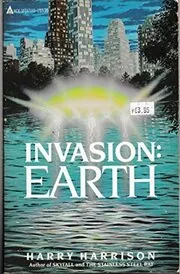
Invasion: Earth
by Harry Harrison
1982
An alien arrival on Earth starts what looks like first contact and turns into a sharper story about manipulation and hidden motives. Harrison uses the invasion set-up to ask who benefits when humans trust too quickly.
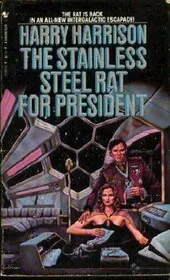
The Stainless Steel Rat for President
by Harry Harrison
1982
Jim and his family land on a corrupt world where elections are a joke and dictatorship wears a public smile. Naturally, Jim decides the best way to beat the system is to run for office.
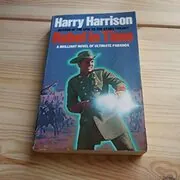
A Rebel in Time
by Harry Harrison
1983
A racist officer steals time-travel technology and plans to change the outcome of the American Civil War. Troy Harmon follows him into the past, where history becomes a battlefield in more ways than one.
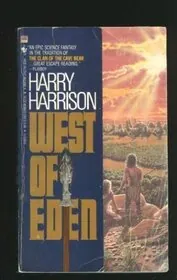
West of Eden
by Harry Harrison
1984
In an alternate Earth ruled by the reptilian Yilanè, human hunter Kerrick grows up between two hostile worlds. Harrison builds a huge prehistory saga out of war, culture, language, and survival.
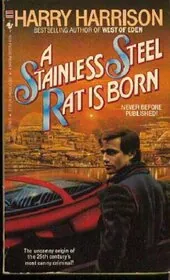
A Stainless Steel Rat is Born
by Harry Harrison
1985
Young Slippery Jim deliberately gets himself into prison so he can make the right criminal contacts and plan something bigger. It is an origin story built on charm, nerve, and very bad intentions.
%2C%20Book%201.jpg)
You Can Be the Stainless Steel Rat
by Harry Harrison
1985
This interactive game book drops the reader into the Rat universe as a Special Corps recruit on a live mission. It is lighter than the novels, but the humor and danger still feel very Harrison.
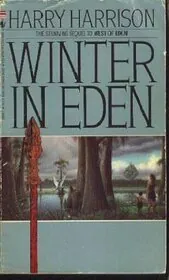
Winter in Eden
by Harry Harrison
1986
Kerrick and the Yilanè return in a colder, tenser second act to the trilogy. The war between species deepens as old enemies adapt, regroup, and learn more dangerous ways to survive.
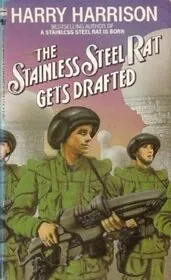
The Stainless Steel Rat Gets Drafted
by Harry Harrison
1987
Jim's plans for revenge land him in uniform, which is about the last place a professional criminal belongs. That mismatch powers a fast, funny story about armies, authority, and a man who hates both.
Return to Eden
by Harry Harrison
1988
The final Eden novel brings Kerrick, the Yilanè, and their long conflict to another dangerous turning point. Harrison keeps the scale large, the world strange, and the cultural clash front and center.
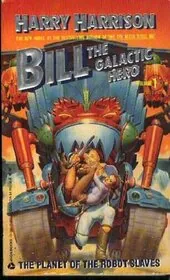
The Planet of the Robot Slaves
by Harry Harrison
1989
Bill survives long enough to reach a planet built on exploitation and mechanical servitude. The story keeps the series' anti-military bite while piling on more grotesque comedy and runaway chaos.
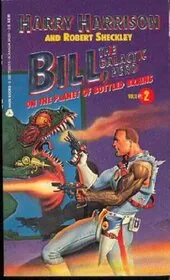
On the Planet of Bottled Brains
by Harry Harrison
1990
Bill lands in a world as weird as the title promises, where sanity is not exactly the local custom. The result is a broad, chaotic military farce with a strong dose of science fiction nonsense.
On the Planet of Tasteless Pleasure
by Harry Harrison
1990
Bill is pushed into a decadent new nightmare where excess and stupidity go hand in hand. Harrison uses the setting to keep jabbing at appetite, authority, and the galaxy's endless capacity for bad ideas.
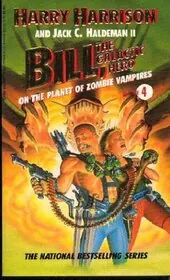
On the Planet of Zombie Vampires
by Harry Harrison
1991
Bill's war against sense continues on a planet whose very name warns you not to expect dignity. The book leans into pulp absurdity, military mockery, and one ridiculous danger after another.
The Planet of the Hippies from Hell / On the Planet of Ten Thousand Bars
by Harry Harrison
1991
This Bill adventure strands its unlucky hero in another wildly hostile corner of the galaxy, here presented with alternate title history. Expect satire, drunken chaos, and institutions that deserve every joke aimed at them.
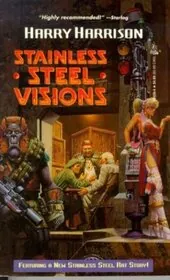
Stainless Steel Visions
by Harry Harrison
1992
A Rat-focused collection that gathers stories and extra glimpses of Slippery Jim diGriz. It is a good side trip for readers who want more of Harrison's most charming rogue.
The Final Incoherent Adventure!
by Harry Harrison
1992
Bill stumbles into one more galactic military fiasco, where bureaucracy, idiocy, and bad luck remain perfectly aligned against him. The title tells you a lot about the tone, and not much about the odds.
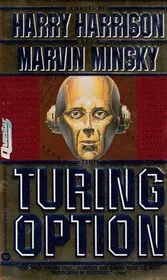
The Turing Option
by Harry Harrison
1992
A violent attack and a radical technological rescue push this novel into questions about artificial intelligence, identity, and machine minds. Harrison and Marvin Minsky build a brisk thriller around very large ideas.
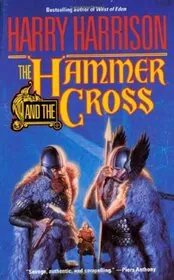
The Hammer and the Cross
by Harry Harrison
1993
In an alternate ninth century, Shef, the son of a Viking and an English noblewoman, is swept into war and belief-driven politics. It is a tough, fast historical what-if with ships, raids, and sharp ideas.
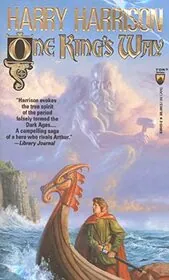
One King's Way
by Harry Harrison
1994
Shef's rise continues as war, religion, and statecraft pull him deeper into the fate of England and the Norse world. The middle volume broadens the stakes without losing the gritty adventure feel.
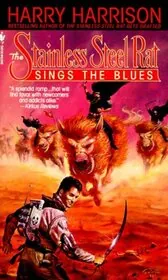
The Stainless Steel Rat Sings the Blues
by Harry Harrison
1994
Jim diGriz gets tangled in another messy off-world crisis where local politics, danger, and deception keep shifting under his feet. The fun is in watching him improvise before the whole scam collapses.

Galactic Dreams
by Harry Harrison
1995
Another short fiction collection, this one gathering later pieces and showing Harrison still moving comfortably between humor, adventure, and sharper speculative themes. Good for readers who like variety.
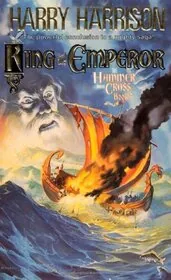
King and Emperor
by Harry Harrison
1996
The final Hammer and the Cross novel drives Shef into the largest struggles of the trilogy. Kingdoms, belief, and empire all collide as personal ambition turns into a fight over the shape of Europe.
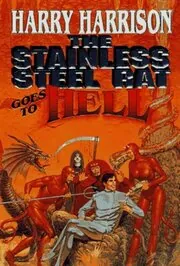
The Stainless Steel Rat Goes to Hell
by Harry Harrison
1996
Jim lands on a fanatical world where politics and religion are tightly fused. To bring down a rotten system, he has to rely on fraud, theater, nerve, and a very flexible conscience.
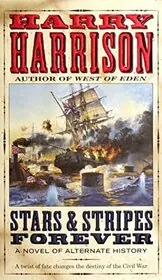
Stars and Stripes Forever
by Harry Harrison
1998
When Britain enters the American Civil War, history breaks wide open. Harrison turns the new conflict into a brisk alternate-history thriller about strategy, invention, and survival under impossible pressure.
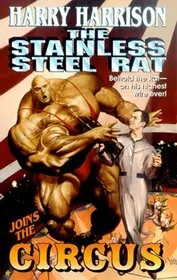
The Stainless Steel Rat Joins the Circus
by Harry Harrison
1999
Jim and Angelina head to a backwater planet and use a traveling circus as cover for another risky scheme. It is a strange setting even by Rat standards, which is exactly why trouble multiplies so fast.
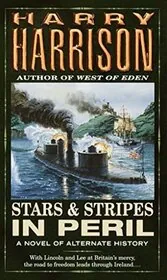
Stars and Stripes in Peril
by Harry Harrison
2000
With Britain now fully in the war, old American enemies are forced into uneasy cooperation. Harrison keeps the pressure on through campaigns, new weapons, and a widening conflict that reaches toward Ireland.

50 in 50
by Harry Harrison
2001
A celebratory collection with one story for each of fifty years of Harrison's writing life. It reads like both a personal retrospective and a tour through his many favorite modes.
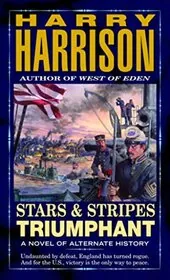
Stars and Stripes Triumphant
by Harry Harrison
2001
The final book in the trilogy pushes Harrison's altered Civil War toward its biggest showdown. A newly reunited America takes the fight outward, mixing strategy, politics, and imperial payback on a larger stage.

Toy Shop and Two Others
by Harry Harrison
2009
A slim collection of shorter Harrison pieces, built for readers who want quick hits of classic magazine-era science fiction. The stories are compact, idea-led, and easy to dip into.
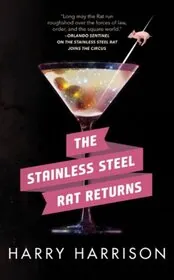
The Stainless Steel Rat Returns
by Harry Harrison
2010
Jim diGriz thinks he is finally settled, until a dubious relative and a financial disaster push him back onto the road. What follows is one more sly, far-future caper full of scams, evasions, and family trouble.

Toy Shop
by Harry Harrison
2010
A cartoonist finds himself competing with a machine, and Harrison turns that set-up into a funny, uneasy little story about creativity, labor, and replacement. It feels surprisingly current.
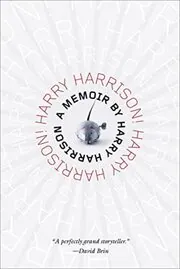
Harry Harrison! Harry Harrison!
by Harry Harrison
2014
Harrison's autobiography looks back at comics, science fiction, travel, editing, Esperanto, and the practical business of making stories for a living. It is candid, funny, and full of sharp industry memories.

The Idols of Wuld & Planet of the Damned
by Harry Harrison
2016
A paired edition that combines an early Harrison adventure with the Brion Brandd novel Planet of the Damned. It is a nice double feature for readers who enjoy his harder-driving pulp side.

The Stainless Steel Rat
by Harry Harrison
Interstellar thief Slippery Jim diGriz is caught and recruited by the Special Corps, a law-enforcement organization staffed by former criminals. Investigating a secretly constructed battleship brings him into conflict with Angelina, a dangerous criminal whose allure complicates his assignment.
Recommended by
1 person Elon Musk recommended this book
Elon Musk
"A bit more obscure." - Elon Musk
Elon Musk's recommendation of this book
Where to start with Harry Harrison
If you want a fast, funny entry point: The Stainless Steel Rat → The Stainless Steel Rat's Revenge → The Stainless Steel Rat Saves The World
If you want harsh survival science fiction: Deathworld → Deathworld II: The Ethical Engineer → Deathworld 3
If you want darker social science fiction: Make Room! Make Room! → Captive Universe → The Turing Option
If you want big alternate worlds: West of Eden → Winter in Eden → Return to Eden
Harry Harrison sub-series and character series
- Bill, The Galactic Hero books in order
- Brion Brandd books in order
- Deathworld books in order
- Decade books in order
- Eden books in order
- Hammer and The Cross books in order
- Nova (Harry Harrison) books in order
- SF Authors Choice books in order
- Stainless Steel Rat books in order
- Stainless Steel Rat (Game Books) books in order
- Stars and Stripes books in order
- To The Stars books in order
- Tony Hawkin books in order
Bill, The Galactic Hero books in order
Explore this series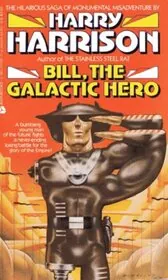
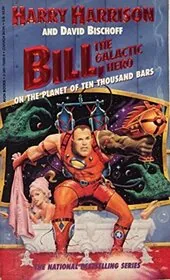
The Planet of the Hippies from Hell / On the Planet of Ten Thousand Bars
by Harry Harrison
1991Bill, The Galactic Hero, Book 6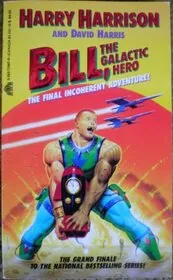
Bill, The Galactic Hero books in chronological order
The Planet of the Hippies from Hell / On the Planet of Ten Thousand Bars
by Harry Harrison
1991Bill, The Galactic Hero, Book 6
Hammer and The Cross books in order
Explore this seriesHammer and The Cross books in chronological order
Nova (Harry Harrison) books in order
Explore this seriesNova (Harry Harrison) books in chronological order
Stainless Steel Rat books in order
Explore this seriesStainless Steel Rat books in chronological order
Stainless Steel Rat (Game Books) books in order
Explore this seriesStainless Steel Rat (Game Books) books in chronological order
Harry Harrison collections, short stories, and related book types
Short Stories/Novellas
Short Story Collections
Non-Fiction
Standalone Harry Harrison books
Author bio
Harry Harrison was born Henry Maxwell Dempsey in Stamford, Connecticut, on March 12, 1925. His family soon moved to New York, and he grew up largely in Brooklyn and Queens. Much later he learned that his father had changed the family name to Harrison when he was still a baby, which is the kind of odd, sideways fact that feels very Harry Harrison.
Before he was known for novels, he worked with pictures. After service in the U.S. Army Air Forces during the Second World War, he studied at Hunter College and earned money as an illustrator, comics artist, and writer for comics and magazines. He did work connected to EC Comics and other genre publishers, and that fast, practical training stayed with him. His fiction is usually clear, mobile, and built to keep moving.
Then prose took over.
His first novel, Deathworld, appeared in 1960 and showed off a lot of what he would keep doing well: hostile environments, smart survivors, and heroes who win by thinking faster than everyone else. A year later he brought readers The Stainless Steel Rat, and Slippery Jim DiGriz quickly became the character most people still associate with Harrison. Jim was a crook, a con man, and a cheerful menace, which gave Harrison room to make science fiction both funny and pointed.
That mix of humor and irritation with authority runs through a lot of his work. Bill, the Galactic Hero turns military life into savage farce, drawing on Harrison's wartime experience and his lifelong dislike of blind obedience. Make Room! Make Room! goes much darker, using an overcrowded future New York to explore scarcity, exhaustion, and the way ordinary people get crushed by failing systems. The later film Soylent Green was loosely based on that novel.
He also liked ambitious worldbuilding. The Eden trilogy imagines an Earth where dinosaurs never died out and a reptilian civilization rose in their place. The To the Stars books push into class, control, and human expansion across distant worlds. Even when the setting changed, readers could usually count on brisk plotting, practical detail, a skeptical political streak, and someone trying to outwit a bad system.
He moved around a lot, and that mattered.
Over the years Harrison lived in Mexico, England, Italy, Denmark, and Ireland, and that restless international life seems to have sharpened his suspicion of borders, bureaucracies, and official truths. He was also a committed Esperanto speaker, and the language appears in several of his books. It was more than a curiosity for him, he served as honorary president of the Esperanto Association of Ireland.
In his later years he lived for a long stretch in County Wicklow, Ireland, with his wife Joan and their family, while staying closely tied to the wider science fiction world. He kept writing well into old age, returned again and again to the Stainless Steel Rat, edited anthologies, and eventually published his autobiography, Harry Harrison! Harry Harrison!.
He died in Brighton, England, in 2012. By then he had written dystopian fiction, military satire, alternate history, planetary adventure, and some gloriously odd books that refuse to fit just one shelf. What ties them together is simple enough: Harrison trusted intelligence, disliked pomposity, and had a gift for making even his wildest ideas feel fast, readable, and human.
Edited by
Software engineer whose passion for tracking book recommendations from podcasts inspired the creation of MRB.
Lead investor at 3one4 Capital whose startup expertise and love for books helped shape MRB and its growth.
Comments
Did we miss something? Have feedback?
Help us improve this page by sharing your thoughts